A Norwegian fertilizer giant built the world's first crewless, all-electric cargo ship to wipe out 40,000 diesel truck trips a year
Shipping is one of the hardest things on Earth to clean up, which is why the Yara Birkeland matters so much. It is a real container ship that carries real cargo down a Norwegian fjord with no fuel, no exhaust, and a plan to eventually sail with no crew at all. And it was built not by a tech start-up, but by a company that makes fertilizer.
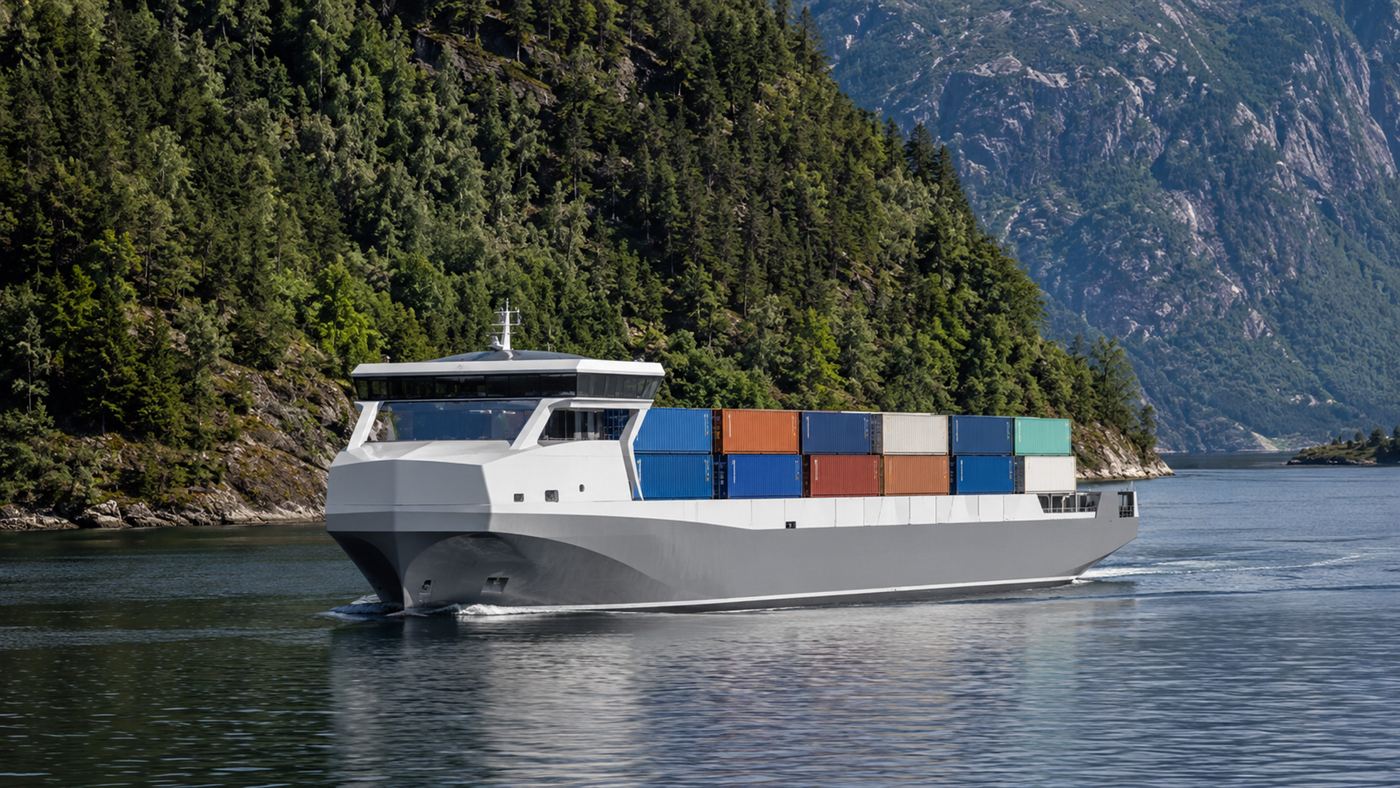
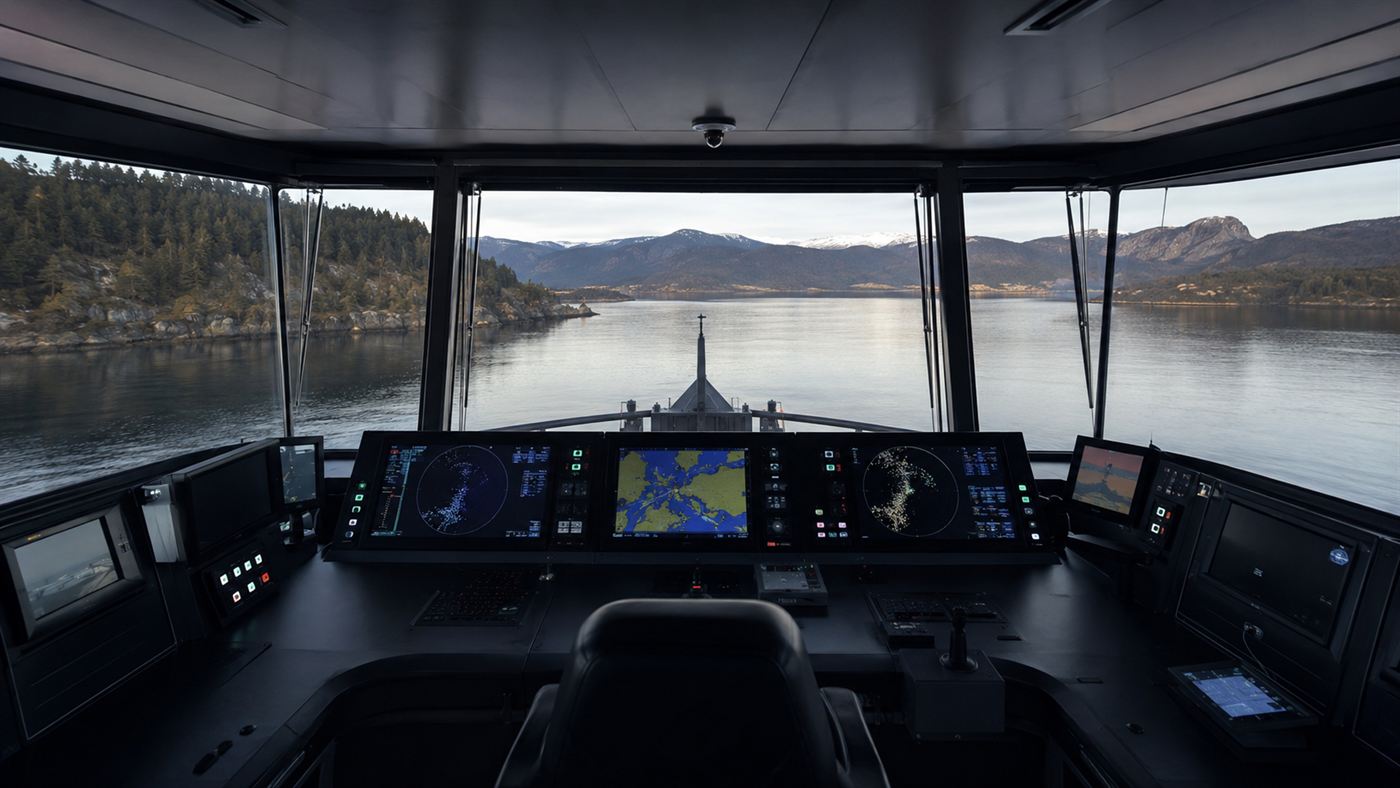
The Yara Birkeland carries containers down a fjord with no funnel, no smoke and no fuel. Illustration: Watts & Wild.
For years, electric vehicles have been busy conquering the road. The sea is a far tougher problem, because ships are enormous, run for days at a time, and burn some of the dirtiest fuel on the planet. A battery big enough to push a giant ocean freighter across the Atlantic does not yet exist. So the first all-electric cargo ship had to start somewhere smaller and smarter.
That somewhere is southern Norway. As Yara describes its own project, the Birkeland is an 80-metre vessel that runs on a battery rated at about 6.7 megawatt-hours, roughly a hundred times the pack in a large electric car, driving electric motors instead of a diesel engine. It is small by container-ship standards, but it is a genuine, working, zero-emission freighter.
What makes the Yara Birkeland different
The clever part is the job it was given. The ship carries fertilizer from Yara's big plant at Herøya to a nearby port for export, a trip of only a few nautical miles. That short, repetitive run is exactly what a battery ship can do brilliantly, and exactly what a long-haul diesel freighter is wasted on. The boat sails, plugs in, charges, and goes again.
And it does something no cargo ship had done before: it is built to run itself. With navigation and sensor technology from the Norwegian firm Kongsberg, the Birkeland is designed to sail autonomously, watched over from shore, with the crew gradually removed as the system proves itself. The long-term vision is a working container ship with nobody on board at all.
Why a fertilizer company built a ship of the future
The most surprising thing is who is behind it. Yara is one of the world's biggest makers of fertilizer, an industry tied to ammonia, heavy chemistry and a large carbon footprint, not the obvious birthplace of clean, autonomous shipping. But Yara had a very practical motive sitting right outside its factory gates.
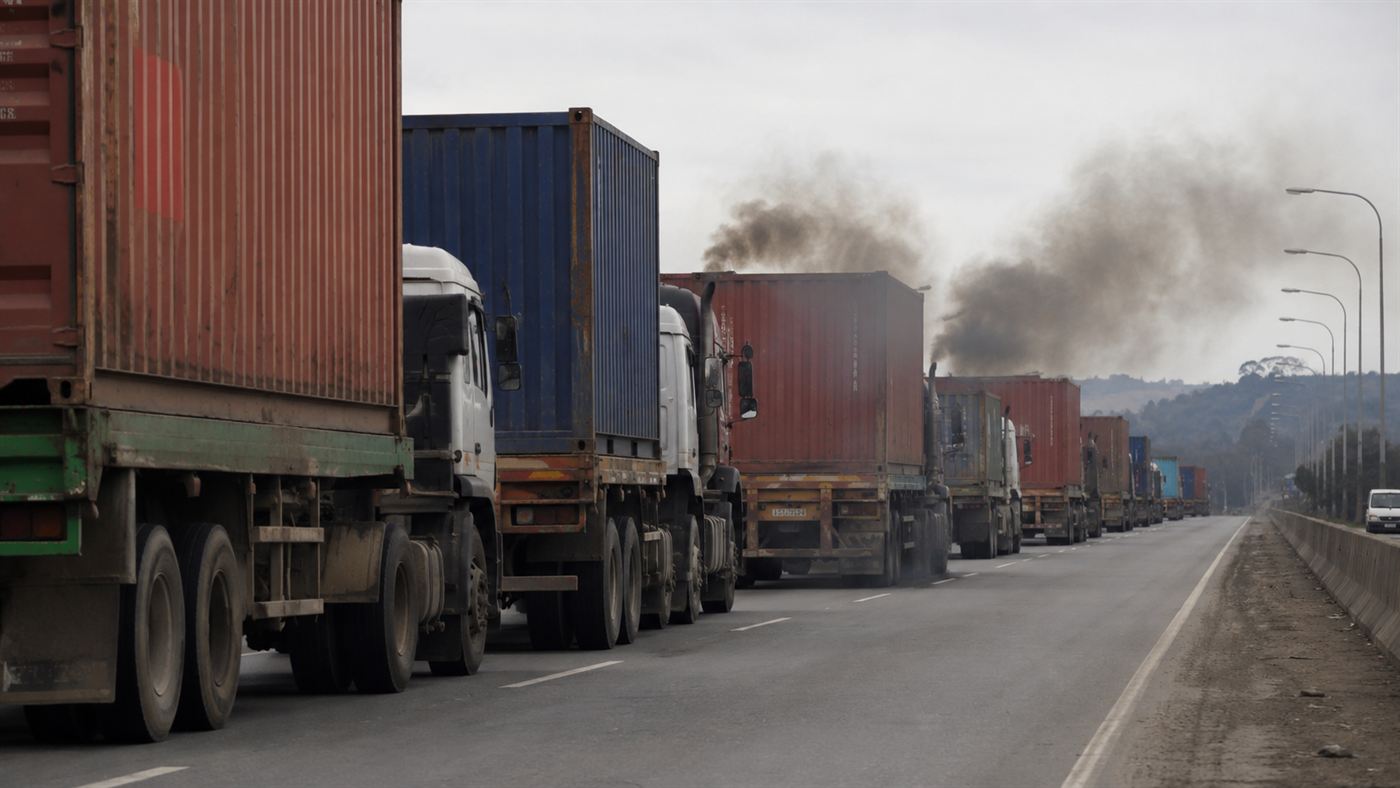
All that fertilizer used to leave the plant by road, which meant a constant stream of diesel trucks rumbling through local towns. As electrive reported around its maiden voyage, the ship is intended to remove around 40,000 truck journeys a year by carrying that cargo on water instead. One small electric ship quietly erases tens of thousands of diesel trips, along with their noise, traffic and fumes.
The honest catch
This is a milestone, not a revolution, and it helps to be clear about the limits. The autonomy has been switched on slowly and carefully, with people still in the loop and onshore supervision rather than a flick to full self-sailing overnight. The route is tiny, the ship is small, and at a cost of around $25 million it was an expensive way to move fertilizer a few miles. None of that scales easily to the giant freighters that carry most of the world's goods across oceans, because the batteries simply cannot hold enough energy yet. What the Yara Birkeland proves is narrower but real: that a clean, crewless cargo ship is not science fiction, and that the cleanup of shipping can start at the short, local routes where it makes sense first. It sits alongside other Nordic experiments quietly rewriting how we move and make things, from the electric ferry that hushed a Norwegian fjord to the bid to make steel with hydrogen instead of coal.
The first clean, crewless cargo ship in the world turned out to be a small fertilizer carrier on a Norwegian fjord, and it started by doing one short job well. Is this how shipping finally goes green, one local route at a time, or do we need a breakthrough before it really matters? Tell us what you think in the comments.
Related reading: the world's largest electric ship, a giant battery-powered ferry built in Tasmania. For a different way to green shipping, see the rotor sails using a 1920s idea to cut cargo fuel.