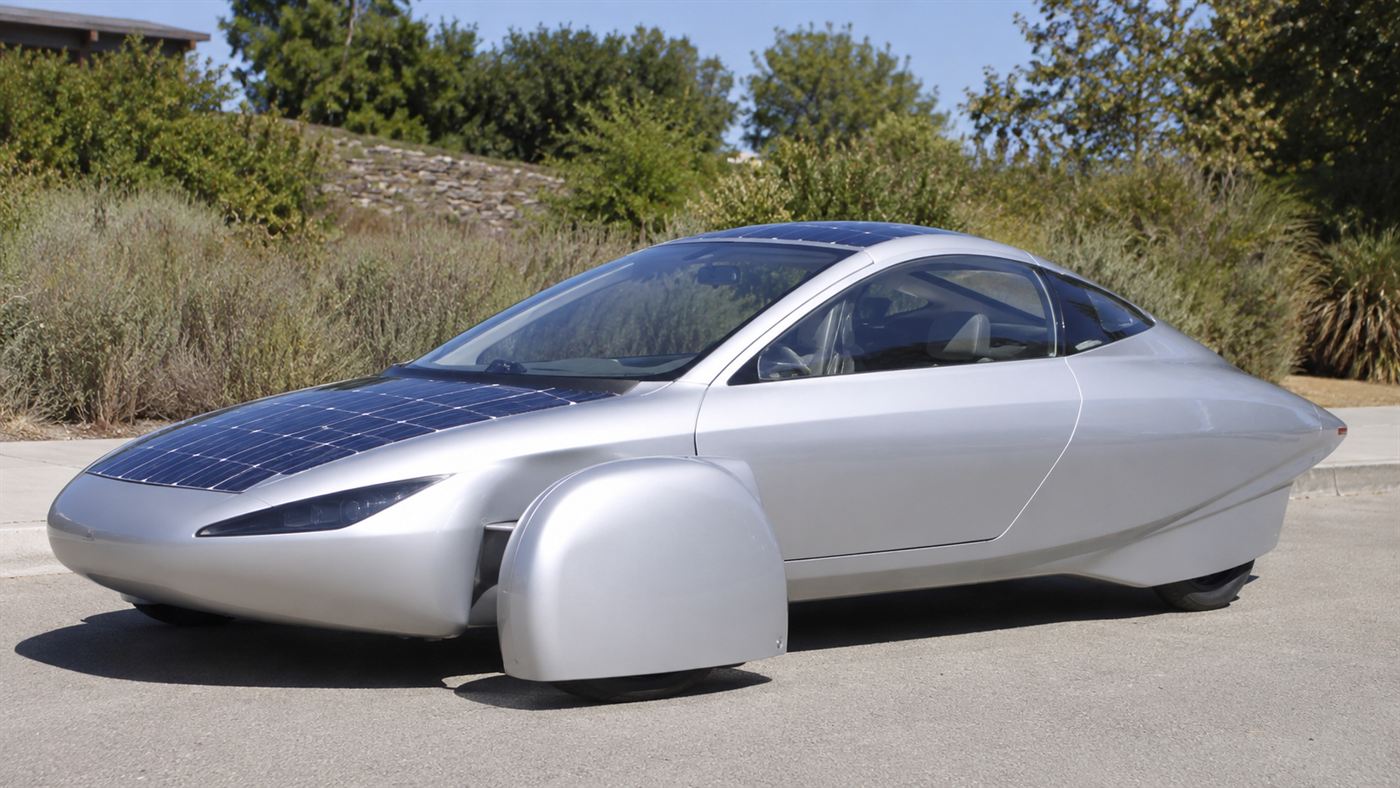
The world's first certified electric plane is not a jet from Boeing or Airbus, but a tiny two-seat trainer from a small Slovenian workshop
For all the noise about the future of flight, the first electric plane the world officially trusts to carry people did not come from a giant aerospace firm. It came from Slovenia, a country smaller than New Jersey, in the shape of a quiet little two-seater that a flight school can plug into the wall overnight.
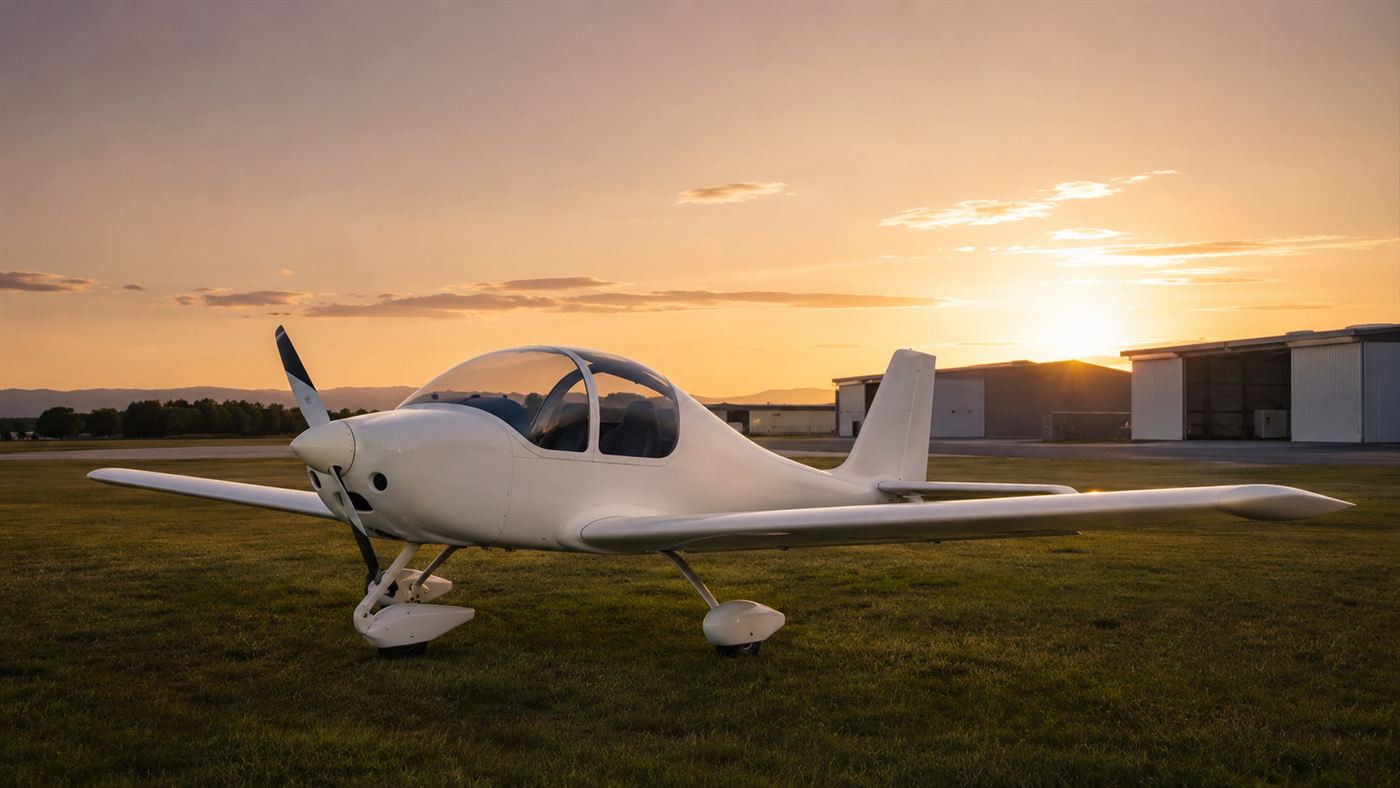
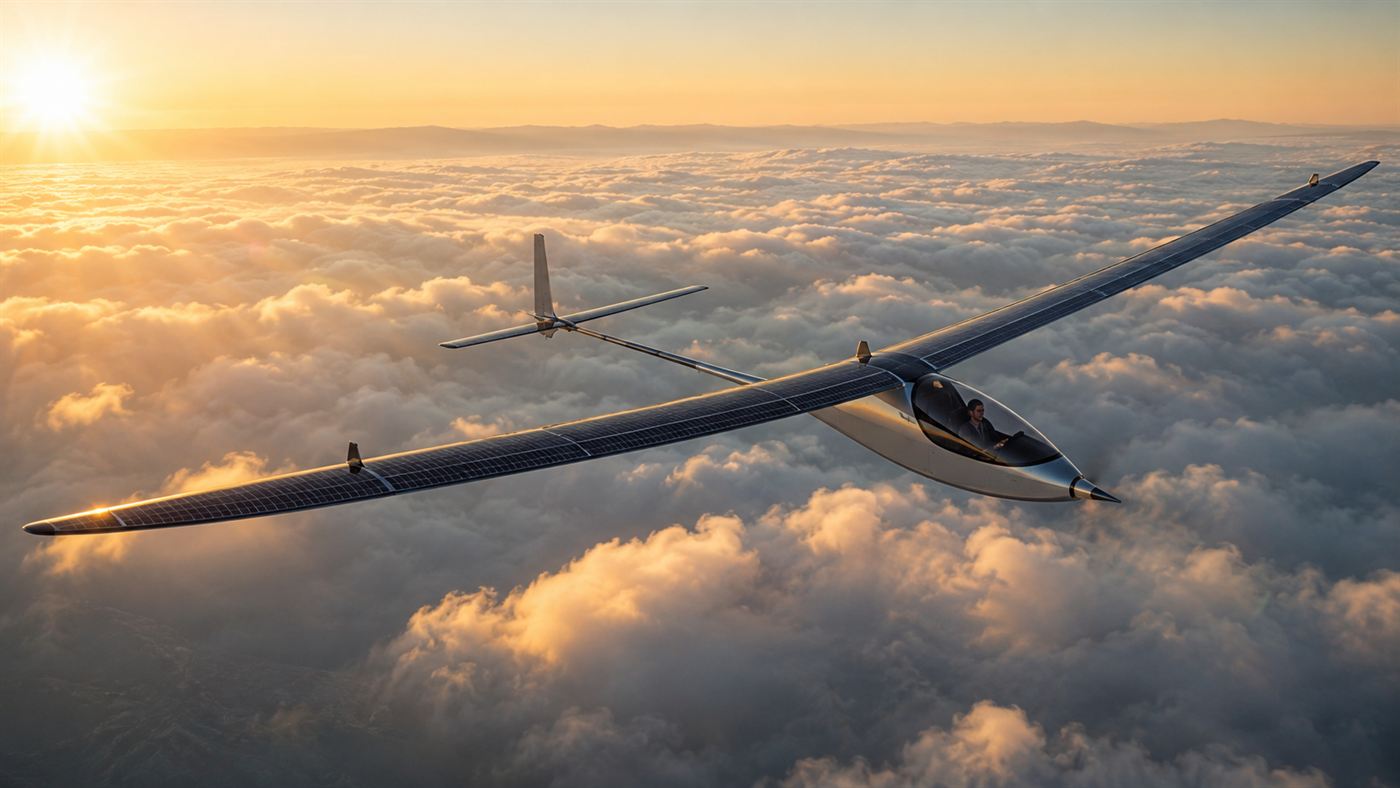
The Pipistrel Velis Electro: small, silent, and the first electric aircraft the world certified to fly. Illustration: Watts & Wild.
On 10 June 2020, Europe's aviation regulator did something it had never done before. As EASA announced, it issued the world's first type certificate for a fully electric aircraft, the Pipistrel Velis Electro. A type certificate is the document that says a design is fundamentally safe and airworthy, the same stamp of approval every airliner needs, and no battery-powered plane had ever earned one.
That matters more than it sounds. Plenty of electric aircraft had flown before as experiments and prototypes. What changed in 2020 was that a regulator finally signed off on one as a real, certified aircraft you could buy, insure and train students in, not a science project.
What the first certified electric plane actually is
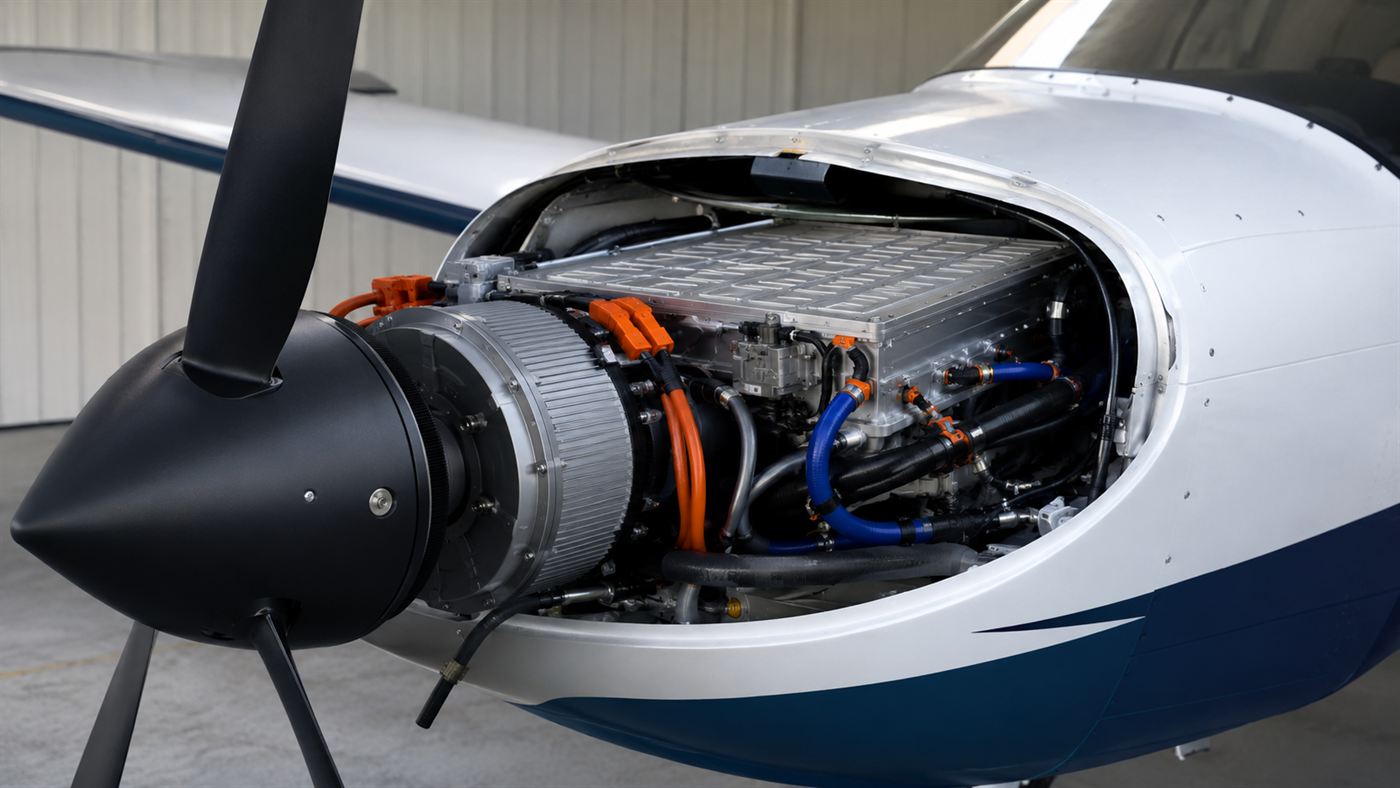
The Velis Electro is deliberately modest. It is a two-seat trainer, the kind of aircraft student pilots fly when they are learning to take off, turn and land. It is powered by a 20 kilowatt-hour battery, split into two liquid-cooled packs of around 70 kilograms each, feeding an electric motor in the nose. There is no fuel, no oil, and almost no noise.
Its great strength is exactly the job it was built for. Flight training is mostly short hops and circuits around a single airfield, and an electric trainer is cheap to run, simple to maintain and quiet enough to fly from airfields where noise complaints have become a problem. For a flight school, swapping a thirsty piston engine for a battery turns the most repetitive job in aviation into something far cleaner and cheaper per hour.
The underdog who got there first
The company behind it makes the story better. Pipistrel was founded by Ivo Boscarol, who started out building featherweight ultralight aircraft in the late 1980s, in what was then communist Yugoslavia, where private flying was hemmed in by suspicion and red tape. From that unlikely workshop grew a firm obsessed with squeezing the most distance out of the least energy.
That obsession paid off long before the certificate. As the record shows, Pipistrel flew its first electric two-seater back in 2007 and won NASA's Green Flight Challenge in 2011, beating far bigger names at building efficient electric aircraft. By the time the Velis Electro arrived, the little Slovenian company had quietly produced a whole family of electric planes, and it crossed the finish line of certification ahead of every aerospace giant on Earth.
The honest catch
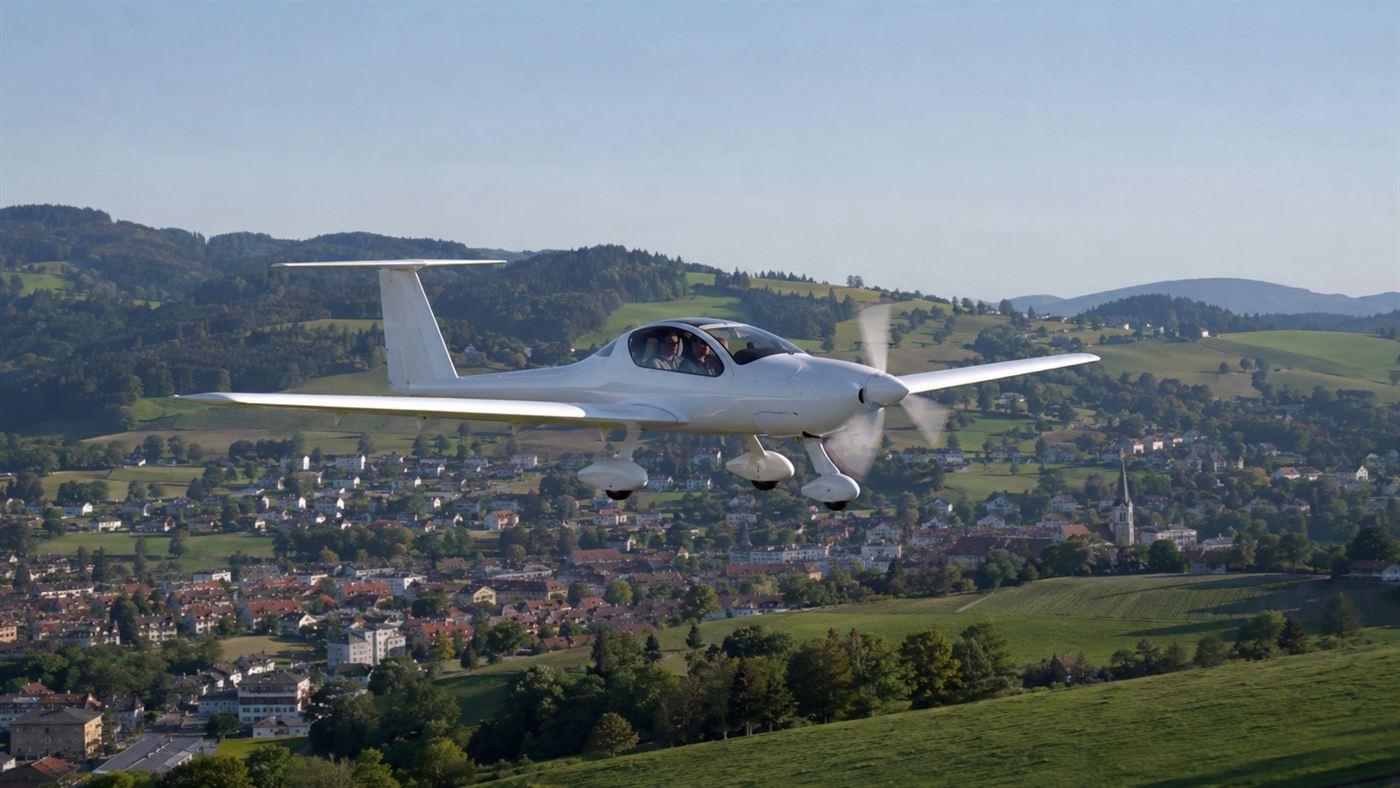
Now the cold water, because this is where the hype usually gets ahead of the physics. The Velis Electro can stay aloft for only about 50 minutes plus a short reserve, and that is the whole problem with electric flight in one number. Batteries are heavy for the energy they hold, and a plane has to lift every gram it carries, so range is brutally limited. This aircraft is not a tiny airliner, and it cannot become one.
That is why nobody serious is promising an electric jet to cross the Atlantic any time soon. The honest near-future of battery flight is small and short: trainers, sightseeing hops, and quiet commuter aircraft for journeys a car could almost make. The Velis Electro did not solve electric flight, it proved that electric flight could be trusted at all, which is the harder and more important first step. The same gap between a brilliant proof and a practical machine shows up across clean transport, from the solar plane that circled the planet on sunlight alone to the solar car company that flew too close to the sun and collapsed.
A small Slovenian workshop, not a famous airline, built the first electric plane the world ever certified to fly, and it did it by aiming small instead of big. Would you climb into a battery-powered trainer for your first flying lesson, or do you still want a fuel tank under the wing? Tell us what you think in the comments.
Related reading: Solar Impulse, the fragile aircraft that flew all the way around the world without a drop of fuel.