A battery company built a real electric production car in 1959, the Henney Kilowatt, and sold most of them to power companies, fifty years before the EV boom
We think the modern electric car arrived with the Nissan Leaf and the Tesla. But the first genuinely modern, factory-built electric car you could actually order went on sale in 1959, ran on lead-acid batteries, looked like a cute little French saloon, and was bought almost entirely by the electricity companies who had every reason to love it.
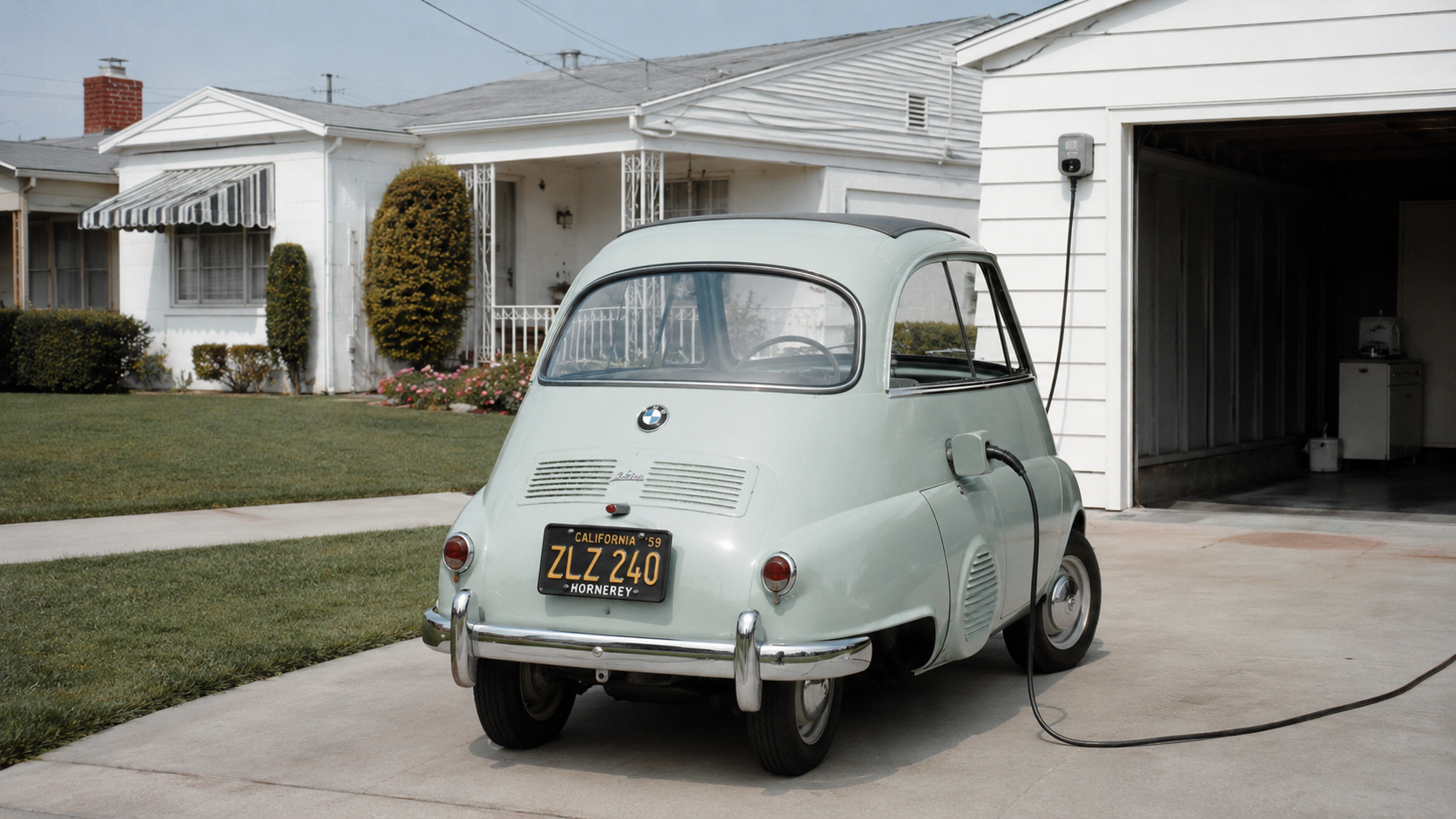
The 1959 Henney Kilowatt charged from a household outlet, decades ahead of its time. Illustration: Watts & Wild.
The Henney Kilowatt is one of the great forgotten footnotes in the long, looping history of the electric car, a vehicle that did in 1959 almost everything we think of as new today, and was quietly buried by the same problem that has dogged electric cars since the Victorian age. It is proof, if any more were needed, that the EV is not a modern invention but a recurring dream that the technology kept failing to support.
And the reason it exists at all is delightfully cynical.
What was the Henney Kilowatt?
The Kilowatt was the brainchild of an American businessman named Russell Feldman, whose company, National Union Electric, happened to own both the Henney coachbuilding firm and the Exide battery brand. In other words, a company that made batteries and electrical equipment decided to build an electric car. It is not hard to see the appeal: every electric car sold is a tiny, rolling advertisement for electricity, and for batteries.
Rather than design a car from scratch, Feldman's team took a clever shortcut. They imported the body of the Renault Dauphine, a popular little French economy car, without its petrol engine, and dropped in their own electric motor and a bank of lead-acid batteries. The result, sold for the 1959 to 1961 model years, was a neat, ordinary-looking compact that just happened to run silently on electricity.
A car built to sell electricity
Here is where the story turns knowing. The Henney Kilowatt was never really aimed at ordinary families. It was expensive, costing far more than a normal petrol car, and its appeal to the general public was limited. So the company sold it to the one type of customer guaranteed to be sympathetic: the electric utilities themselves.
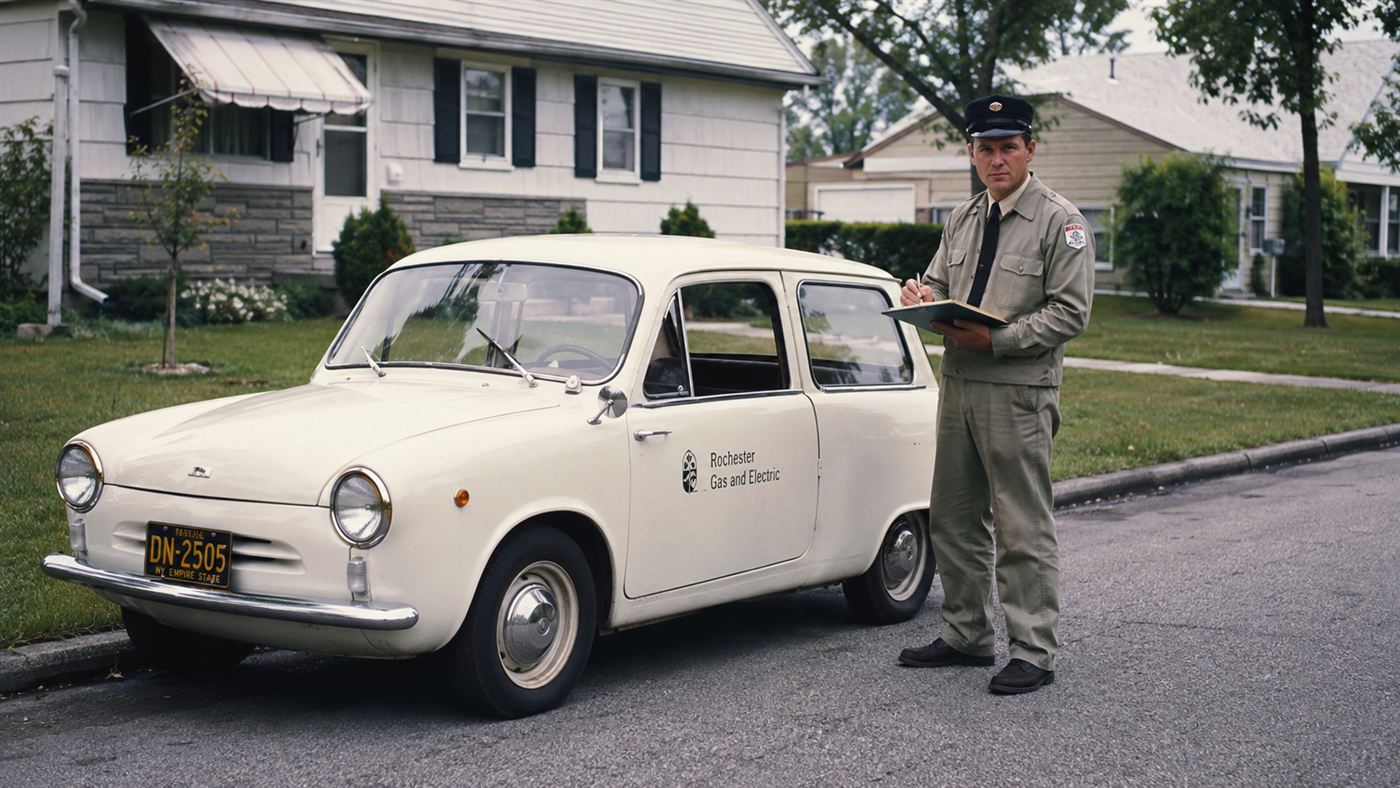
The great majority of Kilowatts ended up in the hands of American power companies, where they were used as runabouts for jobs like meter reading, quietly demonstrating to the public that electric motoring was real. It was a neat closed loop, an electric car, made by a battery company, sold to electricity providers, to encourage everyone to use more electricity. Fewer than a couple of dozen are thought to have gone to private buyers.
Why the Henney Kilowatt failed
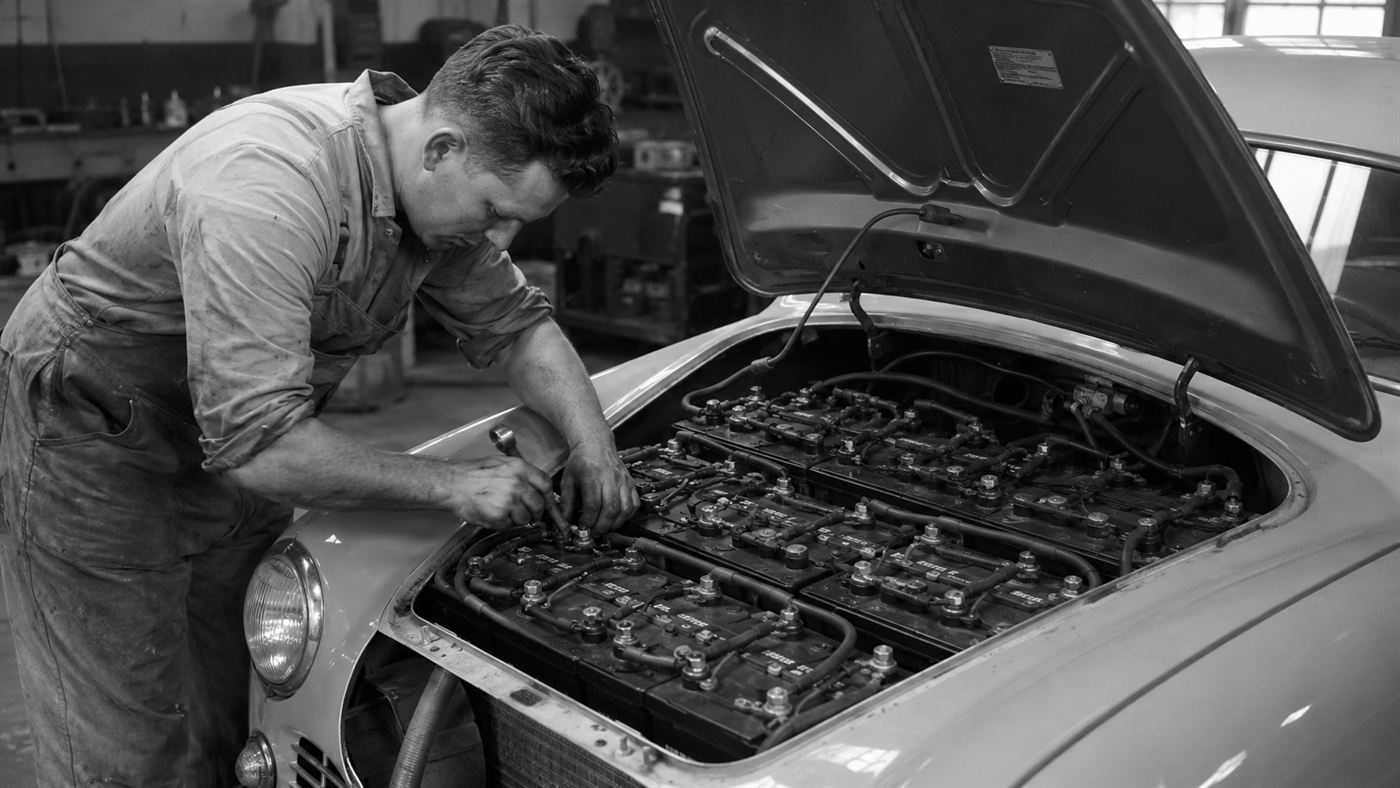
For all its cleverness, the Kilowatt ran straight into the wall that has stopped every electric car until very recently: the battery. The first 1959 models used a 36-volt system of heavy lead-acid cells, and the numbers were sobering. It managed a top speed of about 40 miles per hour and a range of roughly 40 miles on a charge, fine for pottering around a town, useless for almost anything else.
The engineers tried to fix it. A redesigned 1960 model jumped to a 72-volt system and was genuinely better, pushing the top speed to around 60 miles per hour and the range to about 60 miles. But it was still expensive, still limited, and still asking people to pay a premium for less car. In total only around a hundred or so were ever built, and barely half of those were sold, before the whole project was quietly shelved.
Beaten by the battery, again
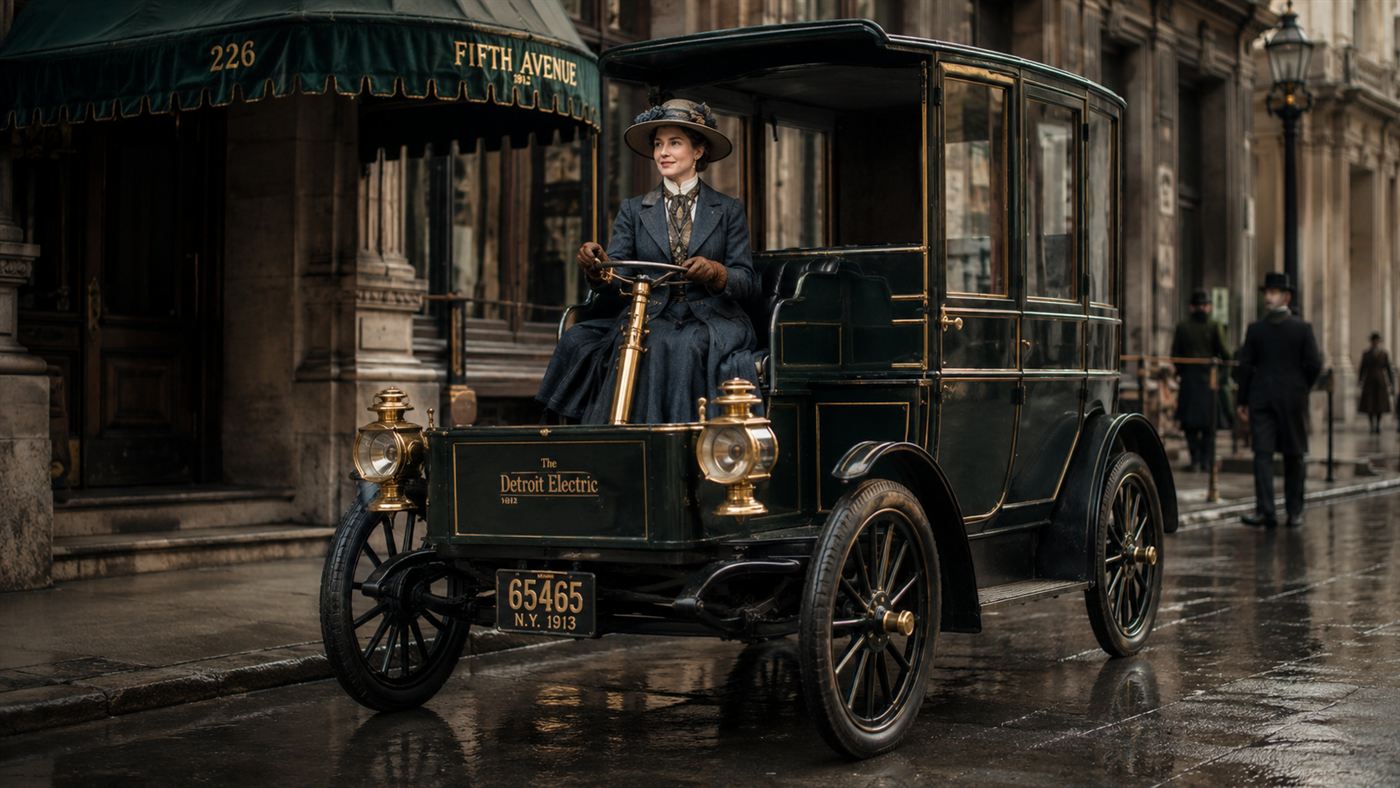
The Henney Kilowatt is such a poignant story precisely because everything about it was right except the one thing that mattered. The motor was fine. The concept was sound. The car was pleasant. It failed for the exact same reason William Morrison's electric carriage faded in the 1890s and the Detroit Electric died in the 1920s: a lead-acid battery is simply too heavy and too weak to give an electric car the range and price that buyers demand.
For more than a century, that was the iron law of the electric car. Brilliant engineers built lovely electric vehicles, over and over, and the battery dragged them all back down. The Kilowatt was just one more victim of it, a perfectly good car waiting for a power source that would not arrive for another fifty years. The lithium-ion battery that finally broke the curse was, in 1959, not even a laboratory curiosity yet.
The honest catch
A little precision is in order. The Kilowatt is usually called "the first modern production electric car," which is a fair description but a slippery one, since electric cars had been mass-produced decades earlier, in the early 1900s. What made the Kilowatt "modern" was that it appeared in the era of the post-war motor industry and pointed at the future, not that it was the first electric car full stop. The exact build and sales figures also wobble between sources, somewhere around a hundred made and roughly half that sold.
It is also worth being fair to its makers. Yes, the Kilowatt was a self-interested marketing exercise for a battery and electricity business, but it was also a sincere, technically competent attempt to make electric motoring work, and it genuinely did work, within its narrow limits. The car was not a fraud. It was simply, like so many electric cars, too early.
Why the Henney Kilowatt still matters
Today the surviving Henney Kilowatts are prized collectors' items, and they make an oddly moving sight: tiny pastel reminders that everything the modern EV industry is so proud of was tried, and very nearly worked, before most of today's engineers were born. The idea was never the problem.
Its real lesson is the one the whole history of the electric car keeps teaching. The car was never the hard part; the battery always was, and the moment a good enough battery finally arrived, the electric car that people had been trying to build for a hundred and thirty years simply switched on and took over. The Henney Kilowatt was one of the last, nearly-there attempts before that moment came.
A perfectly good electric car existed in 1959 and went nowhere, because the battery wasn't ready. How many other good ideas are sitting in history's bin right now, just waiting for one missing piece to catch up? Tell us what you think in the comments.
Related reading: America's first car, back in 1890, was also electric, and it was also really just a way to sell batteries.