A cold-loving fungus has killed millions of America's bats since 2006, and almost nobody noticed we were losing one of farming's most valuable workers
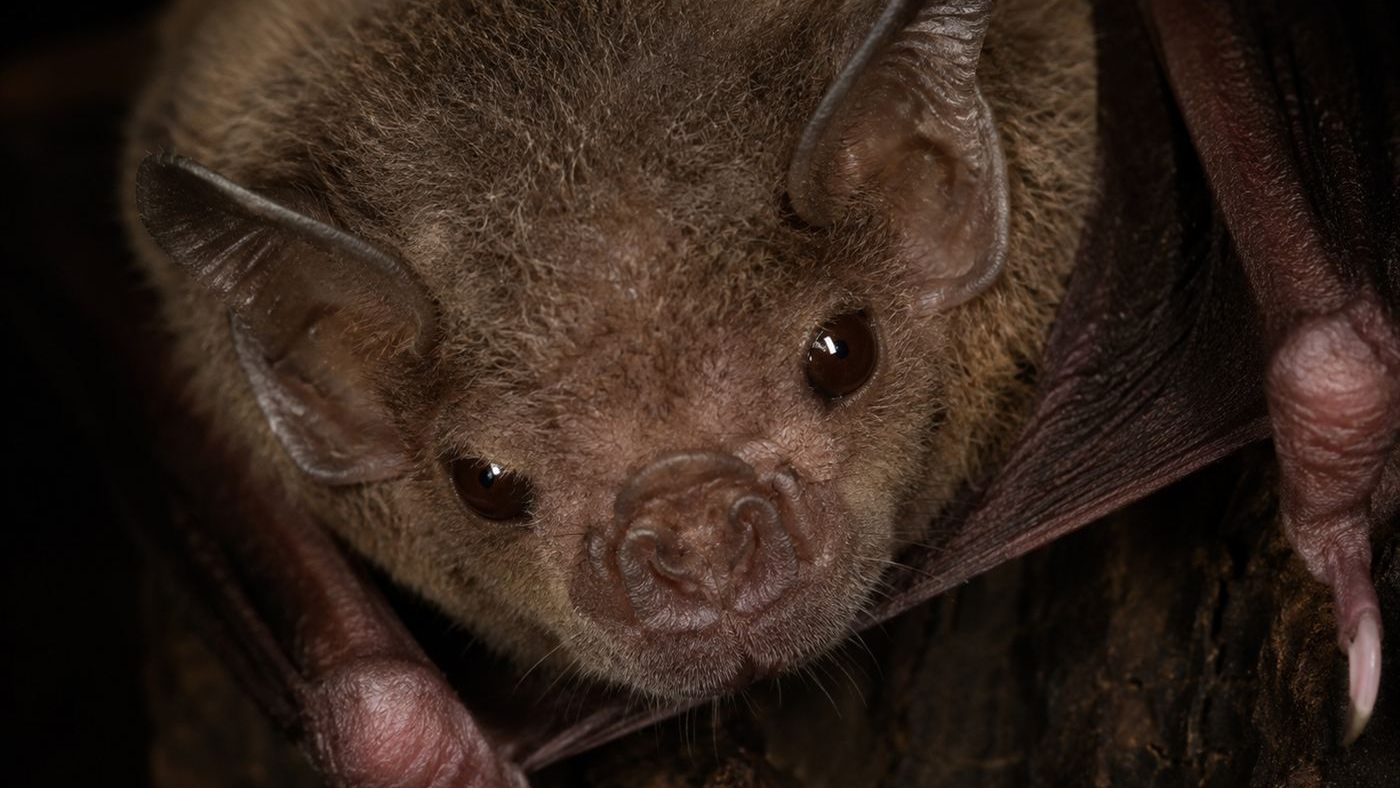
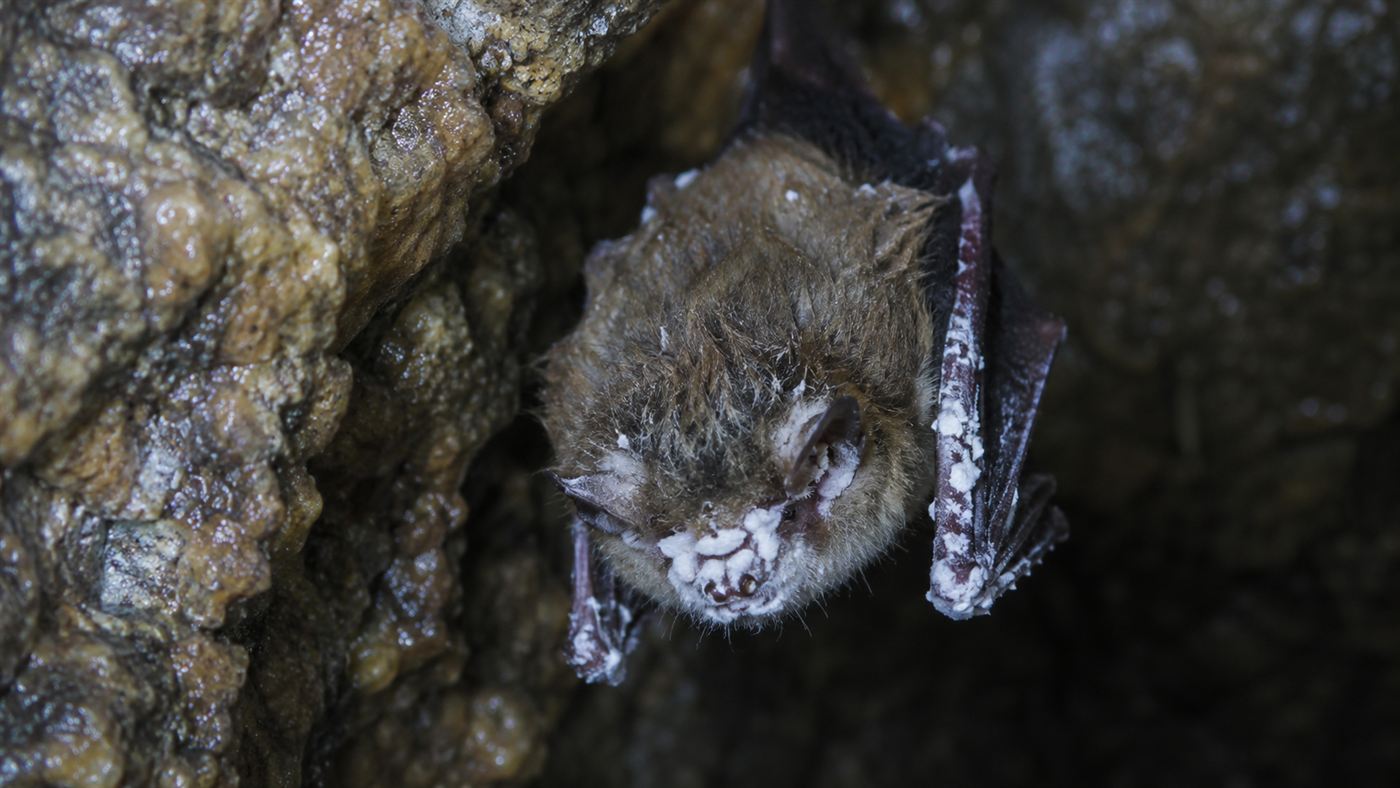
It started with a strange photograph from a cave near Albany, New York: bats with their noses dusted in white powder, like sugar. Within a few short years that white fuzz had become one of the worst wildlife disasters in living memory, killing millions of bats and quietly stripping away a free service worth billions of dollars to farmers.
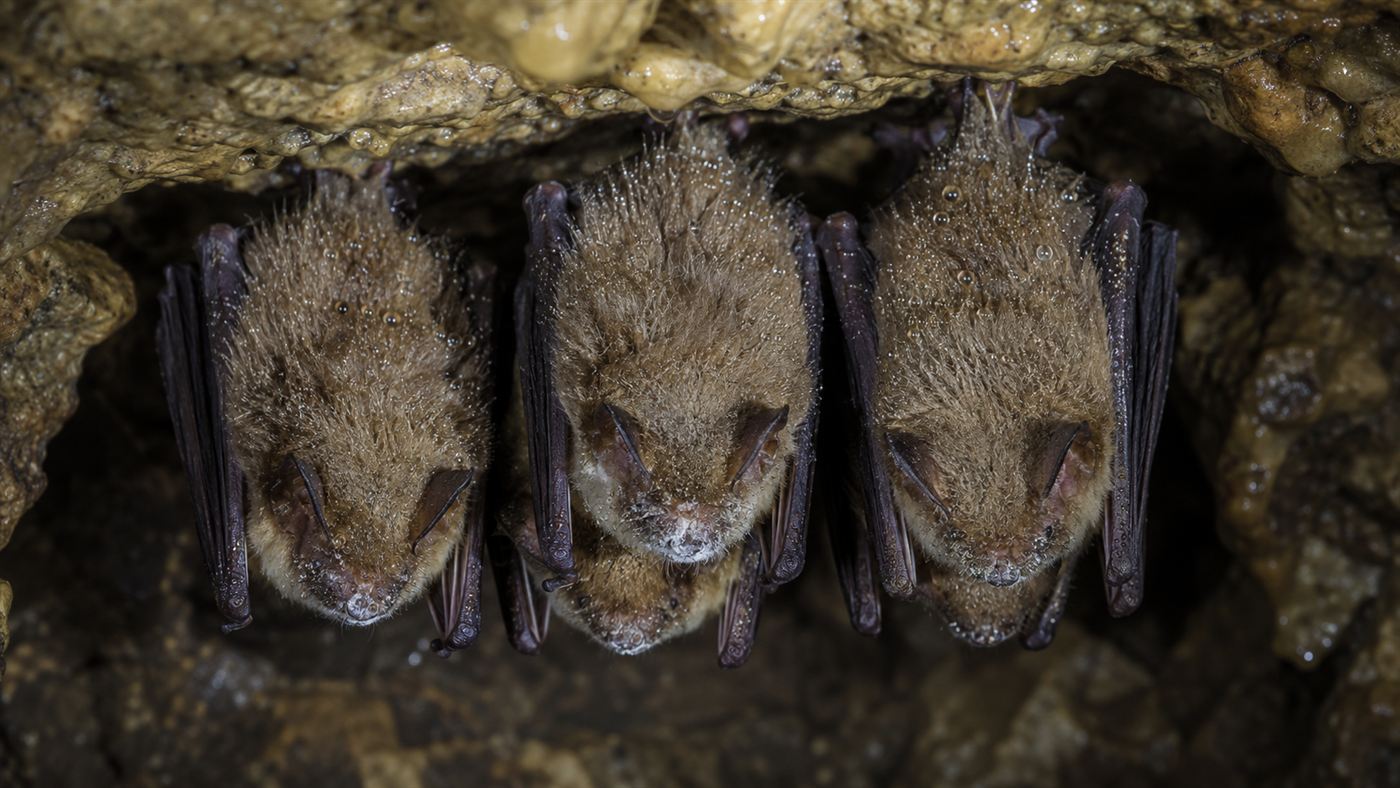
Hibernating bats are sitting ducks for a fungus that thrives in the cold of their caves. Illustration: Watts & Wild.
white-nose syndrome is one of those slow, quiet catastrophes that unfolds almost entirely out of sight, in the dark of caves, to an animal most people never think about and many actively dislike. And yet it may be the most devastating wildlife disease North America has seen in modern times, and its consequences reach all the way to the food on our plates.
It is also, like so many of these stories, something we helped to cause.
What is white-nose syndrome?
The culprit is a fungus with the forbidding name Pseudogymnoascus destructans. It is what scientists call cold-loving, thriving in exactly the chilly, damp conditions of the caves and mines where bats gather to hibernate through winter. The disease is named for the most visible sign: a fuzzy white growth that appears on the muzzles, ears and wings of infected bats.
The fungus was completely unknown to science before bats started dying in huge numbers near Albany, New York, in the winter of 2006 to 2007. It is now understood to be an invasive species, almost certainly carried over from Europe or Asia, where local bats have lived with it for so long that they have evolved resistance. America's bats had no such defences, and the result was carnage. The disease has since spread to more than 40 US states and into Canada.
How a fungus starves a sleeping bat
The cruelty of white-nose syndrome is in the way it kills. The fungus itself is not a fast-acting poison. Instead, it grows on a hibernating bat and irritates its skin, and that irritation keeps jolting the bat awake during the winter, when it should be in a deep, energy-saving sleep.
This is fatal because of how bats survive winter. They spend the cold months in a near-death state called torpor, their heart rate and body temperature crashing to almost nothing, living off a thin store of fat because there are no insects to eat. Every time the fungus rouses a bat, it burns up a chunk of that precious fat, and a bat woken too many times simply runs out of fuel and starves or freezes weeks before spring arrives. In the worst-hit caves, the disease has killed up to 99% of the bats.
The silent workers we are losing
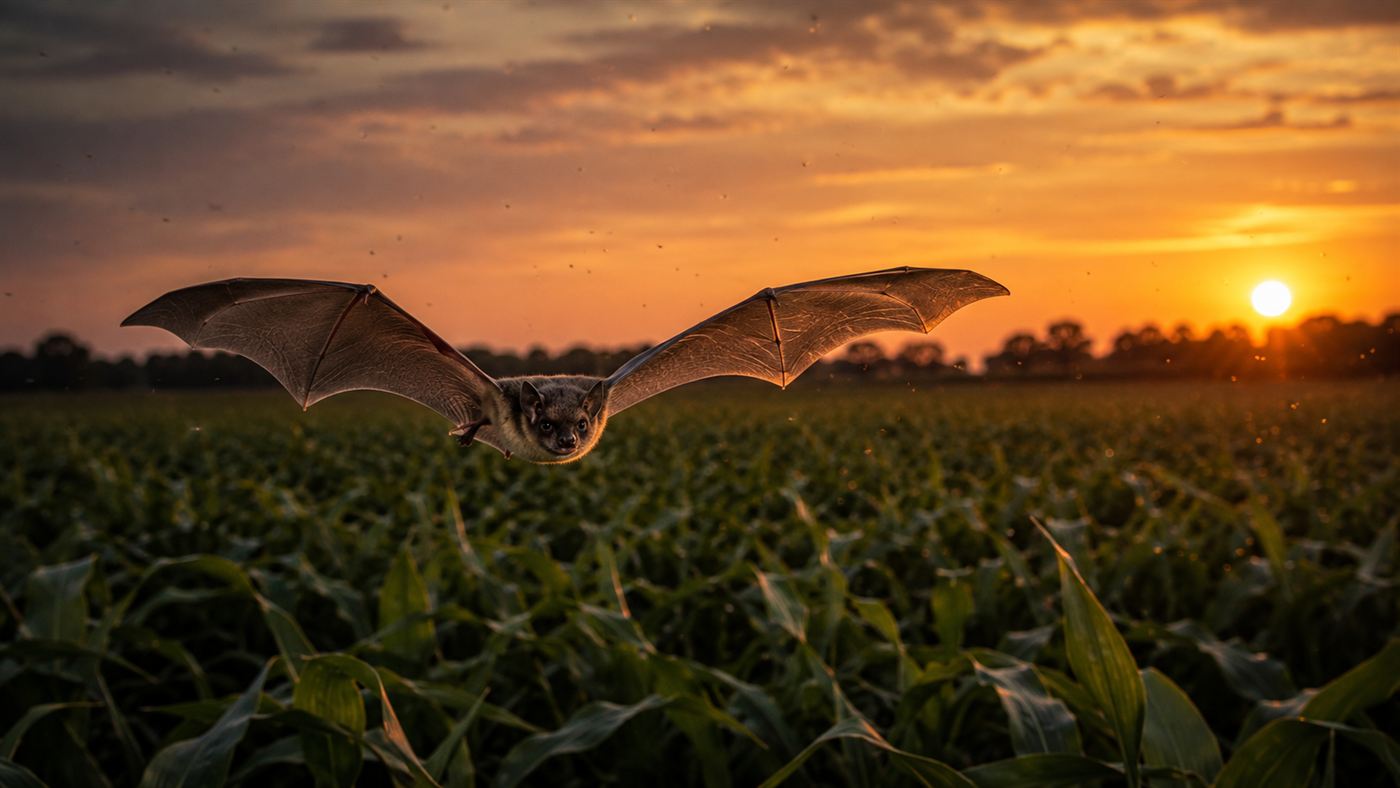
Here is why this matters far beyond the caves. The bats being wiped out are insect-eaters, and they eat insects in almost unbelievable quantities. A single little brown bat can devour its own body weight in bugs in one night, including vast numbers of the very moths, beetles and mosquitoes that ravage crops and spread disease.
Multiply that across the millions of bats that once filled American skies at dusk, and you have one of the largest free pest-control operations on the planet. Researchers have estimated that insect-eating bats are worth something like 3.7 billion dollars a year to United States agriculture, by reducing crop damage and the need for chemical pesticides. When white-nose syndrome empties a cave, it does not just kill bats; it quietly hands farmers a bigger pest problem and a bigger pesticide bill, and the rest of us a world with more bugs in it.
Can the bats be saved?
The fight is genuinely hard, because you cannot exactly vaccinate a wild cave full of hibernating bats. Conservationists have tried closing caves to people to slow the spread, since the fungus can hitch a ride on cavers' boots and gear, and researchers are testing an arsenal of treatments, from beneficial bacteria and antifungal compounds to experimental vaccines and even ultraviolet light, which the fungus turns out to be sensitive to.
There is a sliver of hope in the bats themselves. In some long-infected areas, small numbers of bats are surviving and breeding, and there are early signs that a few populations may be slowly developing resistance, just as European bats once did. It is a desperately slow, uncertain recovery, measured against losses that ran into the millions in just a few years, but it is not nothing.
The honest catch
A few caveats keep the story honest. The headline figures, the millions of deaths and the billions of dollars of value, are estimates with real uncertainty, and the dollar value of bats in particular has been calculated in different ways that give a wide range. Not every bat species is equally affected; the disease hammers a few cave-hibernating species hardest, while others escape it.
And it is fair to note that nature is not entirely helpless here. The fungus came from a part of the world where bats survive it perfectly well, which means resistance is biologically possible, and the central tragedy is really about speed: the fungus arrived faster than evolution could answer it. White-nose syndrome is less a story of doom than of a brutal head start, and a race against time to help the bats catch up.
Why white-nose syndrome still matters
The disease is a stark lesson in how connected the wild and human worlds really are. A fungus most people will never see, killing an animal most people never think about, in caves almost no one visits, ends up touching the price of crops and the amount of pesticide sprayed across a continent. The bats were doing essential, invisible work, and we only started to measure it as they began to vanish.
That is the quiet warning under the whole sorry episode. The natural world is full of unseen workers holding our own systems together for free, and we tend to discover exactly how much they were worth only at the moment we start to lose them. White-nose syndrome is a reminder to count those blessings before, not after, they disappear into the dark.
A fungus quietly killed millions of bats and handed farmers a multi-billion-dollar problem, and most of us never noticed. How many other invisible helpers in nature are we relying on without ever counting the cost of losing them? Tell us what you think in the comments.
Related reading: Bats are stranger and more social than we give them credit for, as the vampire bats that share blood meals with hungry friends prove. And we are still meeting new ones: six new tube-nosed bats were just named in the Philippines.