Scientists just named six new tube-nosed bats that were hiding in the Philippines all along
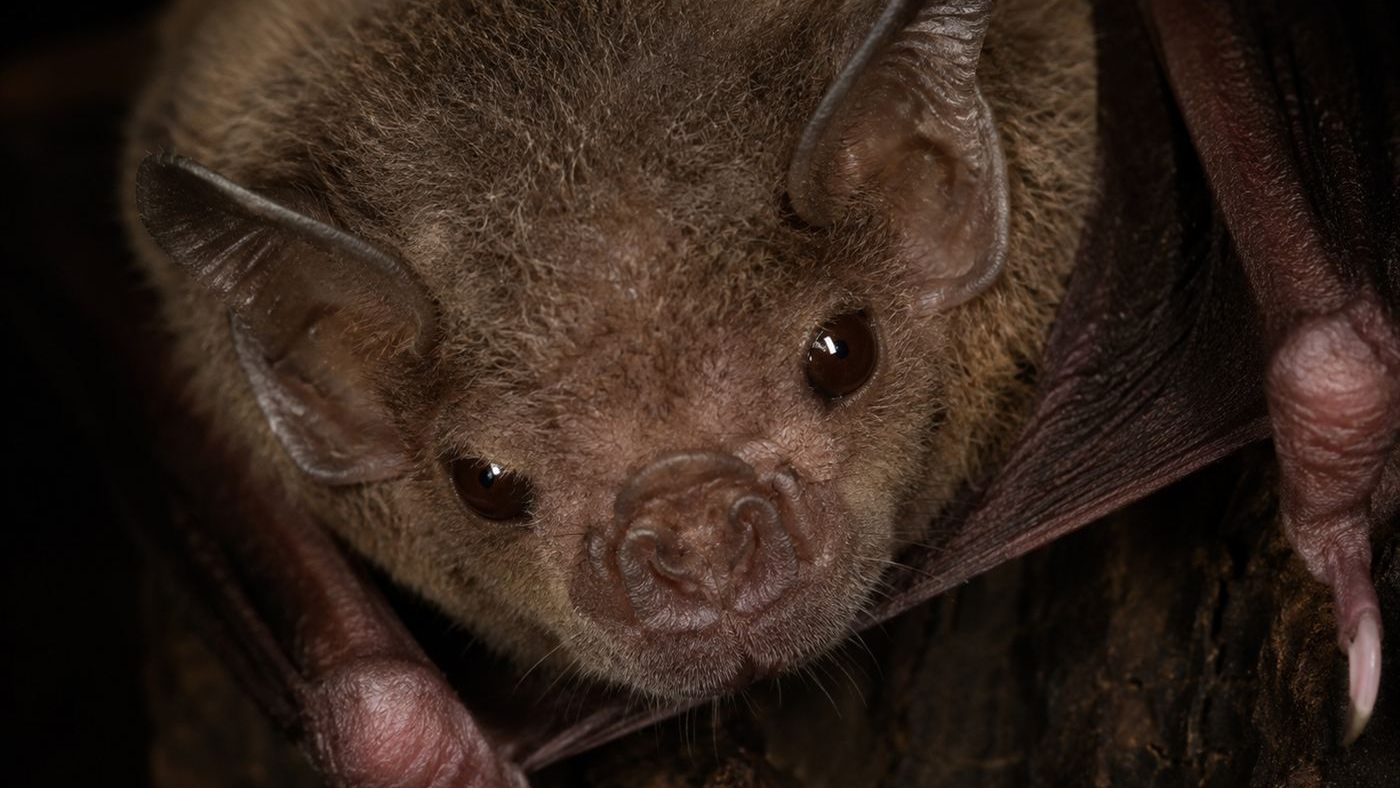
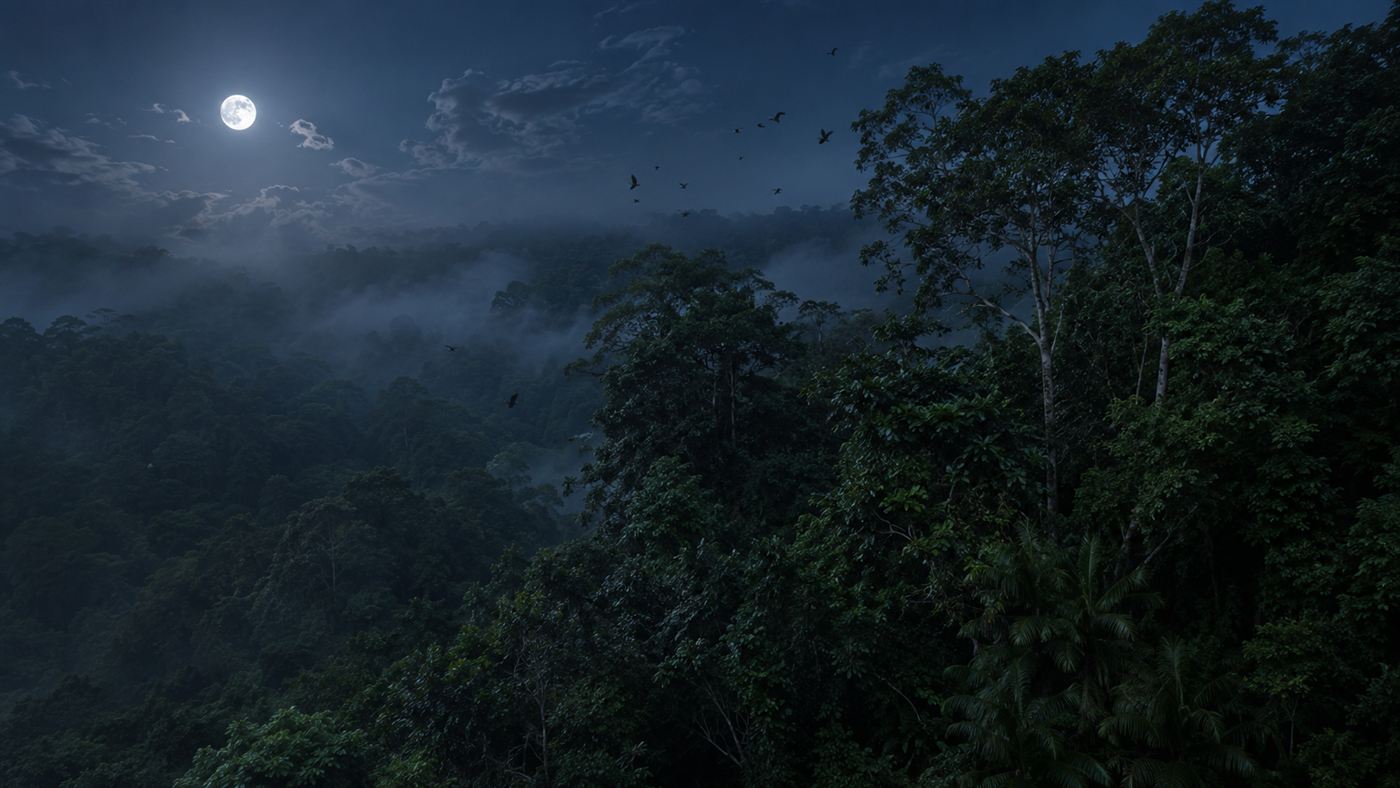
In 2025, biologists added a small, strange flourish to the tree of life: six new species of tube-nosed bats, tiny forest hunters from the Philippines that had gone unrecognised for years. Each is a mouse-sized flier the weight of a coin or two, and telling them apart took not a jungle expedition but a very careful second look.
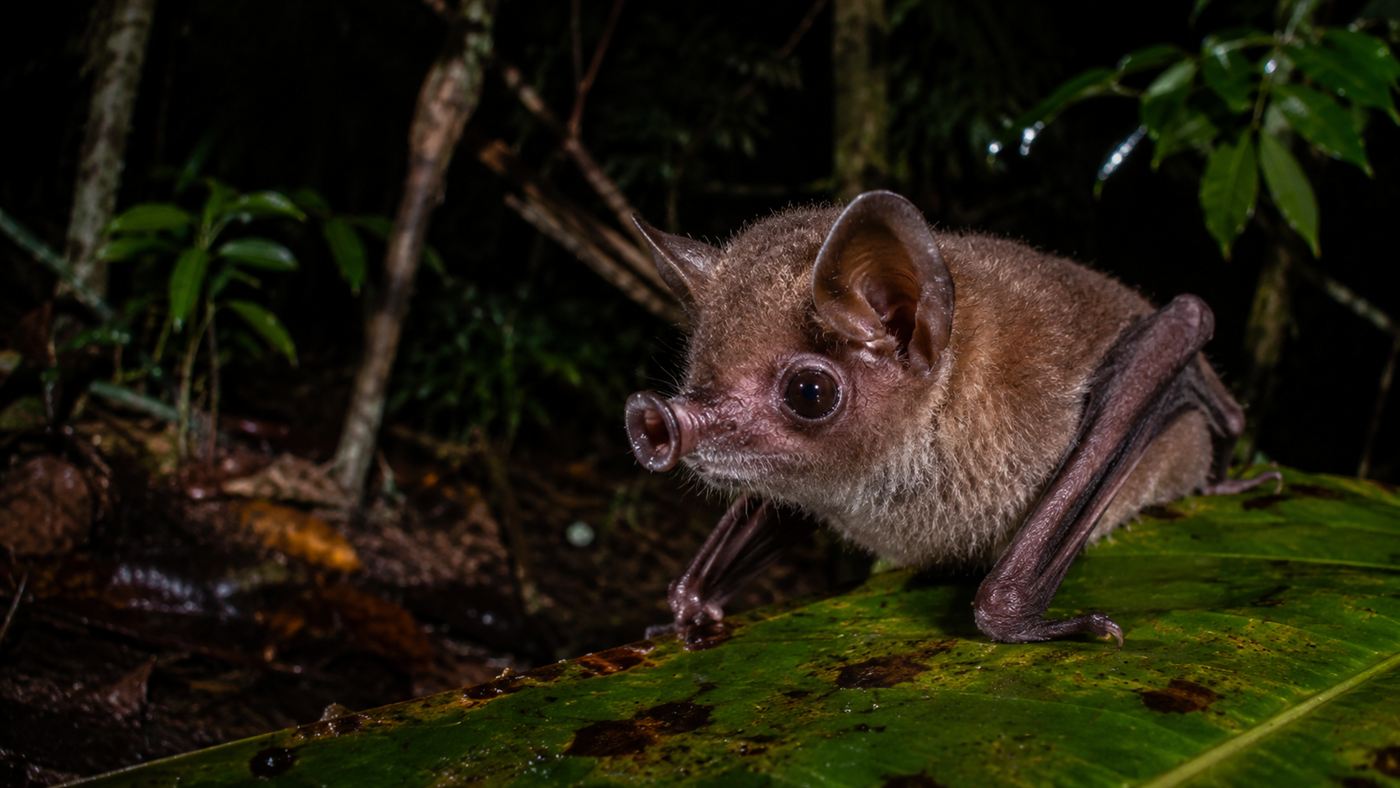
A tube-nosed bat, named for the short tubular nostrils that jut from its face. Illustration: Watts & Wild.
The six belong to a group called Murina, and they were described by researchers from the Royal Ontario Museum working with the Field Museum in Chicago and Lawrence University. Weighing between about four and fourteen grams, they are insect-hunters that flit through the forest canopy at night, and their most obvious quirk is the pair of short, tube-shaped nostrils that stick out from the snout and give the whole group its name.
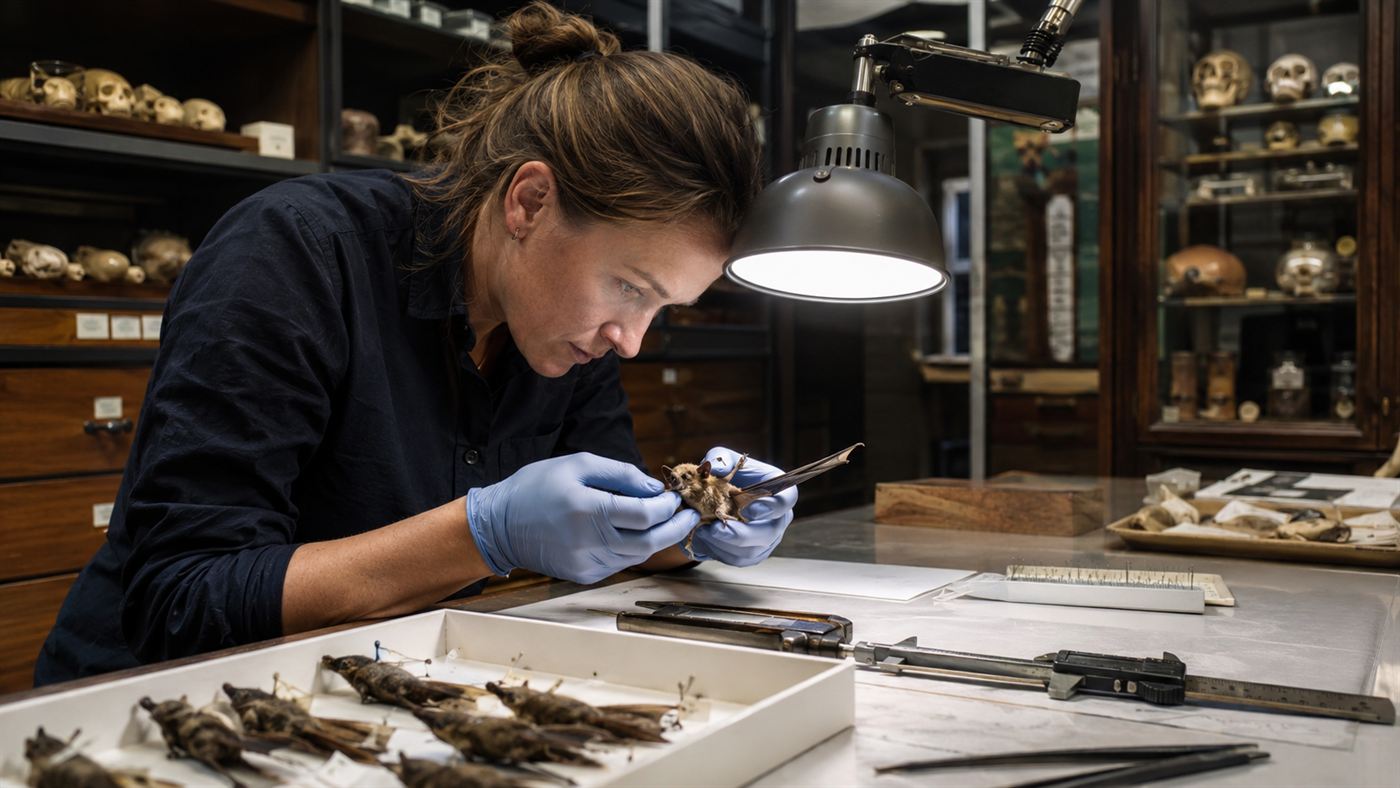
What makes the find striking is how it was made. These were not animals stumbled upon in some untrodden valley; several had been collected and filed long ago, quietly lumped in with known species. Only when scientists compared the fine details of their teeth, skulls and banded fur, and checked the differences against their DNA, did the hidden species step out of the shadows.
The short version is that six kinds of bat had been living under our noses, so to speak, and it took patient detective work rather than adventure to finally tell them apart.
Why so many tube-nosed bats went unseen
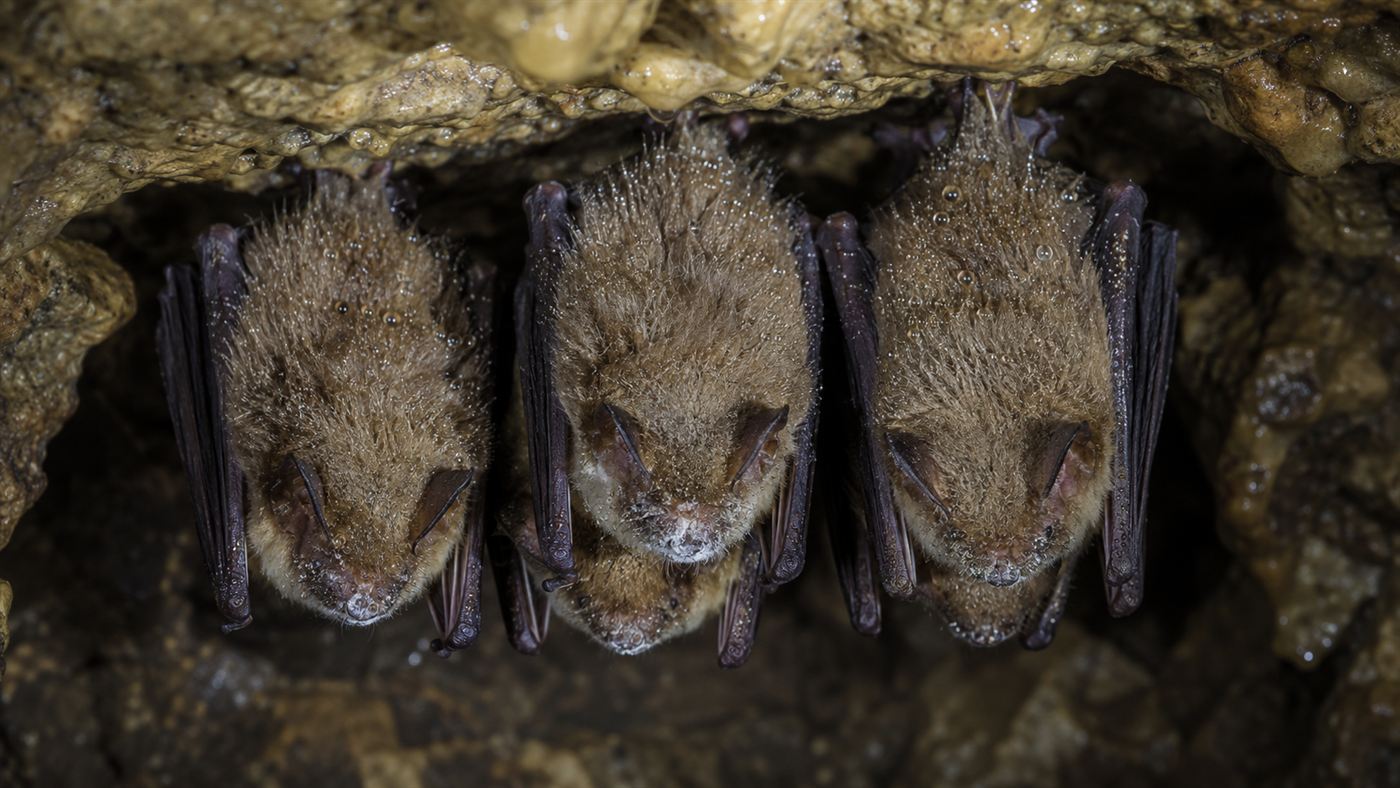
Bats are quietly one of the most diverse groups of mammals on Earth, and small, similar-looking ones are notoriously hard to tell apart. Several of these Murina look almost identical to the naked eye, differing only in features a specialist has to measure, which is exactly how distinct species can hide inside a single name for decades. To the casual glance they are just small brown bats.
The tools that cracked it are the modern naturalist's, the microscope and the gene sequencer. By reading the animals' genetic code alongside the strange snouts that give them their name, researchers could see that populations long treated as one were in fact several, separated on different islands and by long stretches of evolutionary time. This discovery lifts the number of bat species known from the Philippines to at least eighty-five.
Naming the bats after the people who chased them
There is a human thread in this story too. Some of the new bats were named in honour of the scientists who devoted their lives to this work, including a bat biologist and a Filipino biodiversity researcher, both now gone. In taxonomy, attaching a person's name to a species is a quiet, permanent tribute, a way of writing a colleague into the living record of the planet.
It is a reminder that discoveries like this are not the work of a lucky afternoon but of long, unglamorous careers spent trudging through forests, filling museum drawers and squinting at tiny teeth. The six new names on the tree of life are also six small monuments to the people who spent decades learning to see what everyone else had missed.
What does the discovery say about hidden life?
Finds like this are becoming common, and that is the real headline. As genetic tools spread through biology, animals long thought to be single species keep splitting into several new species, in bats and frogs and fish alike. It suggests that the true richness of life is far greater than our official tallies, and that much of it is small, subtle and easy to overlook.
That is wonderful and unnerving at once. The living world is more varied than we knew, full of quiet surprises waiting in plain sight. It also means our maps of nature are more incomplete than we like to admit, and you cannot properly protect a creature you have not yet realised exists as its own separate kind.
The honest catch
It is easy to read this as pure good news, six new bats to celebrate, and the science genuinely is a delight. But the timing carries a sting. These bats depend entirely on forest, roosting and hunting among the trees, and the Philippine forests they live in are being cleared for logging, mining and farming even as the animals are being named.
So the discovery is a race as much as a triumph. We are learning to see these creatures just as their homes are vanishing, and a species can slip toward extinction while it is still, to science, brand new. The six tube-nosed bats are a small marvel and a quiet warning wrapped together: proof that nature still hides wonders from us, and a reminder that we are clearing those wonders faster than we can name them.
Sources: Phys.org on the six new bat species, Mongabay, and the study in Zootaxa.
Six kinds of bat were hiding in plain sight until careful eyes finally told them apart, even as their forests fall. Does it thrill you or worry you that we are still finding whole new mammals in the twenty-first century? Tell us what you think in the comments.
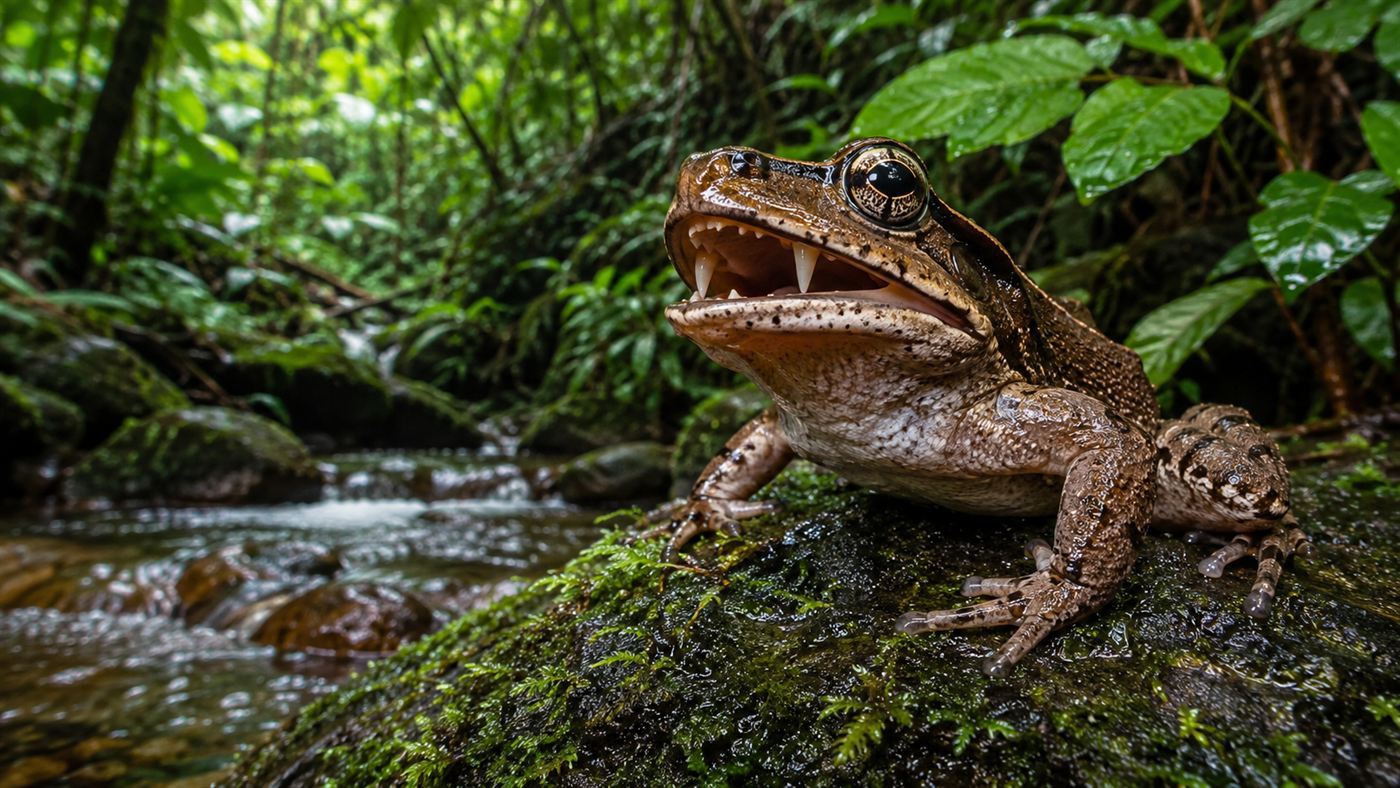
Related reading: the vampire bats that share blood with hungry friends. See also the fungus quietly wiping out bats across North America, and the fanged frog that DNA revealed to be many hidden species.