The vampire bat, a creature of horror films, turns out to be one of the most generous mammals alive, giving starving neighbours a life-saving meal and remembering who pays it back
Few animals have a worse reputation than the vampire bat. Yet vampire bats turn out to do something most of nature does not: they feed each other. A bat that has gone hungry can be saved by a well-fed roostmate sharing its meal, and the bats keep careful track of who has been kind to them.
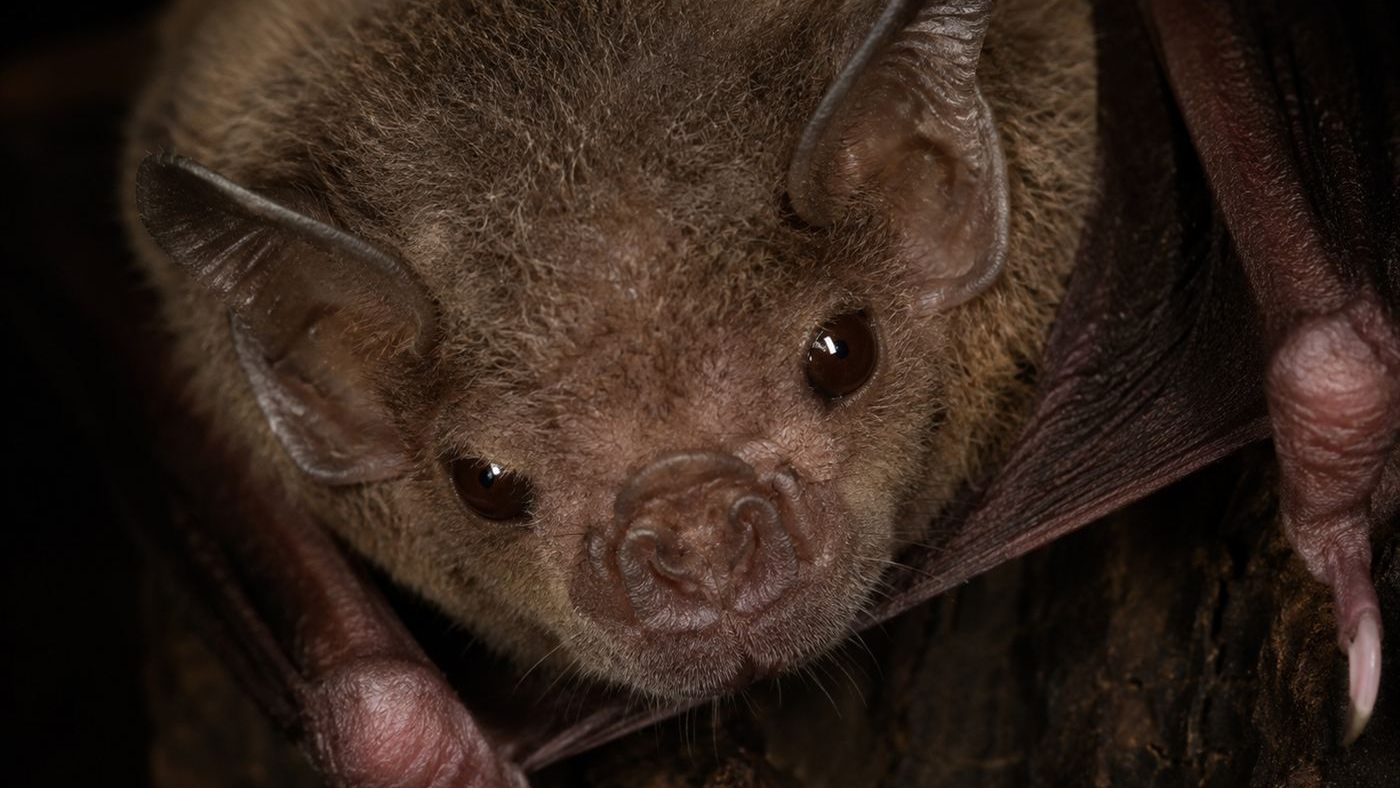
The much-feared vampire bat is also a remarkable sharer. Illustration: Watts & Wild.
The common vampire bat lives on a knife edge. It feeds only on blood, and it needs a meal almost every single night. Hunting is risky and often fails: an animal moves, a wound clots, a night goes badly, and the bat comes home empty. The problem is that this species has almost no fat reserves, so going without food is quickly fatal.
Miss two or three nights in a row and a vampire bat will simply starve to death. In a world that harsh, you would expect every bat for itself. Instead, something gentler happens back at the roost.
Why vampire bats must share or die
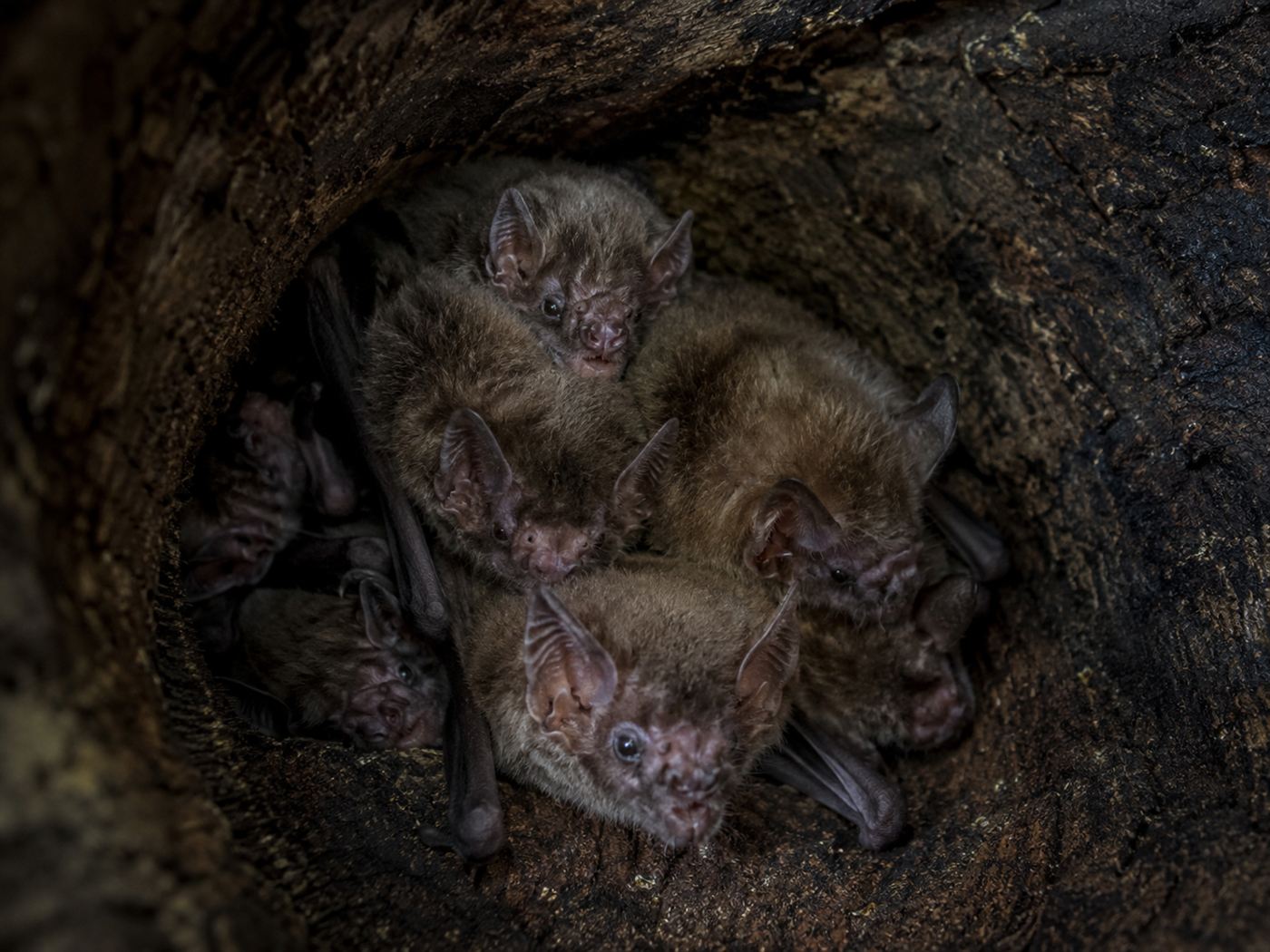
A bat that has fed well returns to the roost carrying more blood than it strictly needs that night, while a neighbour may have come back with nothing and be hours from danger. The hungry bat begs, and a well-fed roostmate often does the unexpected: it regurgitates part of its meal, mouth to mouth, giving the starving one enough to survive until the next hunt. This is the quiet heart of how vampire bats keep each other alive.
The maths of it is what makes it work. To the donor, giving up a little blood when it is full costs relatively little; to the recipient, that same blood is the difference between living and dying. As the biologist Gerald Wilkinson reported in a landmark 1984 paper in Nature, this food sharing happens between roostmates that are not always closely related, which is exactly what made it so interesting. This was not just mothers feeding pups; it looked like genuine give-and-take between individuals.
A ledger written in blood
What turned a charming observation into a classic of biology was the discovery that the sharing is not random. The bats appear to keep a kind of social account. As later research by Gerald Carter and Wilkinson, published by the Royal Society, found, a bat's history of giving and receiving predicts who it shares with better than how closely related the animals are. In plain terms, vampire bats are more likely to feed those who have fed them.
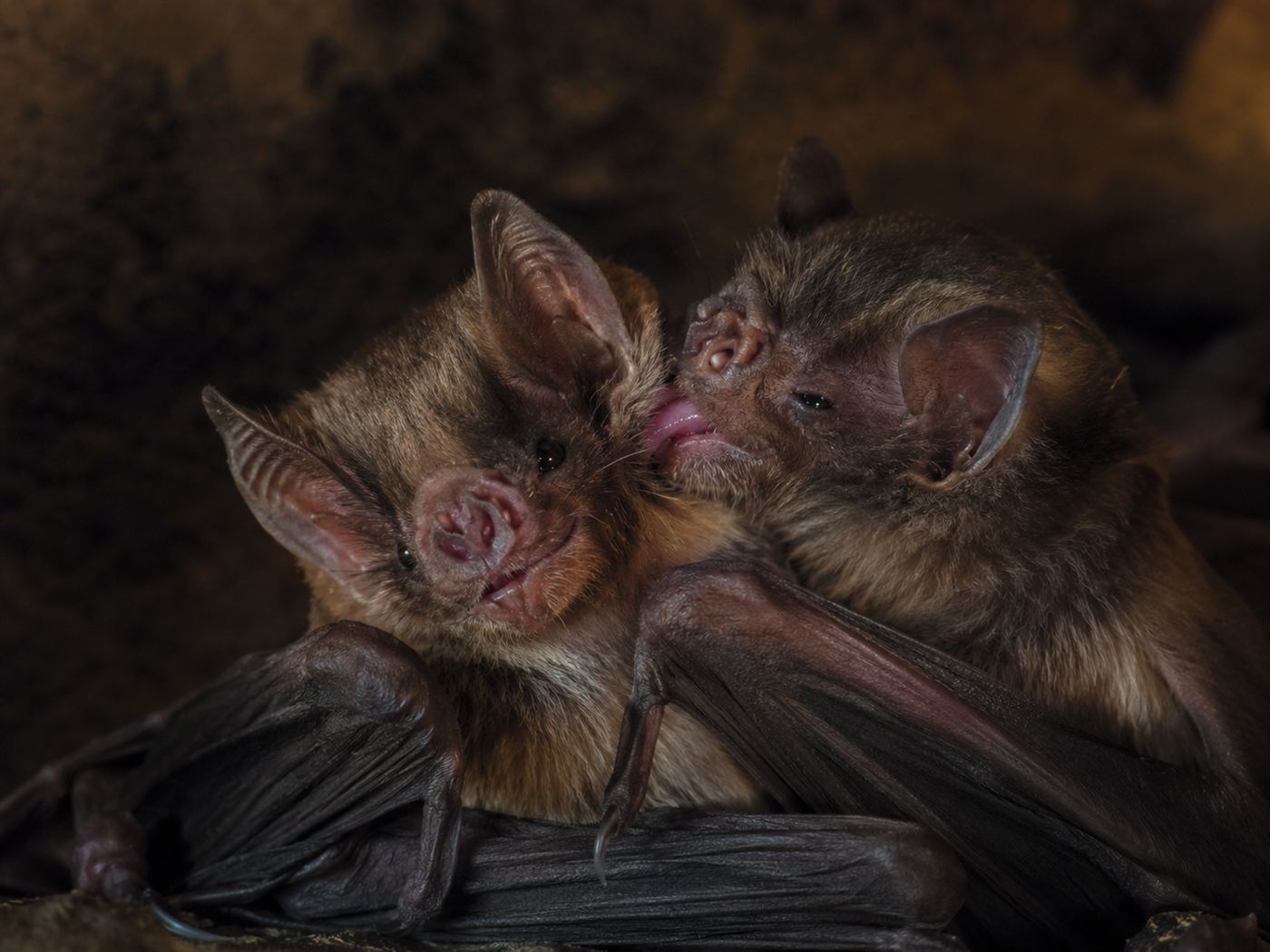
That is reciprocal altruism, the same logic behind human favours, and it builds something that looks a lot like friendship. These relationships do not appear overnight; they tend to start small, with bats grooming one another, and then escalate to the much bigger commitment of sharing food. The bonds are durable, surviving separations, so that a vampire bat seems to carry a memory of who, in its world, can be trusted.
Do vampire bats remember who helped them?
The evidence says they do, to a striking degree. In careful experiments, researchers found that bats tended to return donations to the specific individuals who had previously helped them, more often than chance would explain. A bat that fed you when you were starving is, statistically, more likely to be fed by you in turn when the tables are reversed.
That requires a fair amount of social brainpower: recognising other individuals, remembering past interactions over time, and adjusting behaviour accordingly. It is the kind of bookkeeping we tend to think of as distinctly human, quietly being done by an animal most people would not want anywhere near them.
The honest catch
It is worth keeping the language honest. Words like "friendship" and "altruism" are human frames laid over animal behaviour, and biologists still debate exactly what is going on. Some emphasise that helping relatives passes on shared genes, others that the "generosity" is really long-run self-interest, since a bat that builds a network of helpers improves its own odds of being saved one day. The sharing is real and well documented, but it is cooperation that pays, not selfless charity.
There are practical caveats too. Much of the detailed work has been done in particular populations and in captivity, and untangling kinship from reciprocity is genuinely difficult, so the neat "they have friends" story rests on careful, still-developing science. The romance should not run too far ahead of the data. What is solid is that vampire bats share life-saving food in a way that tracks who has shared with them, which is remarkable enough on its own.
Why a generous monster matters
The appeal of the vampire bats story is how thoroughly it overturns a villain. Here is an animal we have cast as a symbol of menace and parasitism, and it turns out to run a quiet little economy of mutual aid, feeding the hungry and remembering kindness. The monster of the imagination is, in reality, an unusually good neighbour.
It is a useful jolt, a reminder that our gut feelings about which animals are "good" or "bad" can be almost exactly backwards. Does it change how you feel about vampire bats to learn they may keep track of their friends? Tell us in the comments.
Related reading: In Africa, a wild bird and a honey hunter cooperate so closely they call back and forth to each other.