Nikola Tesla built a giant tower on Long Island to beam free electricity through the air to the whole world, and the dream of Wardenclyffe Tower helped ruin him
At the dawn of the 20th century, Nikola Tesla was sure he could send electricity through the Earth itself and power the planet without wires. The Wardenclyffe Tower he built to prove Tesla's wireless power could reach the whole world became the most magnificent failure of his life.
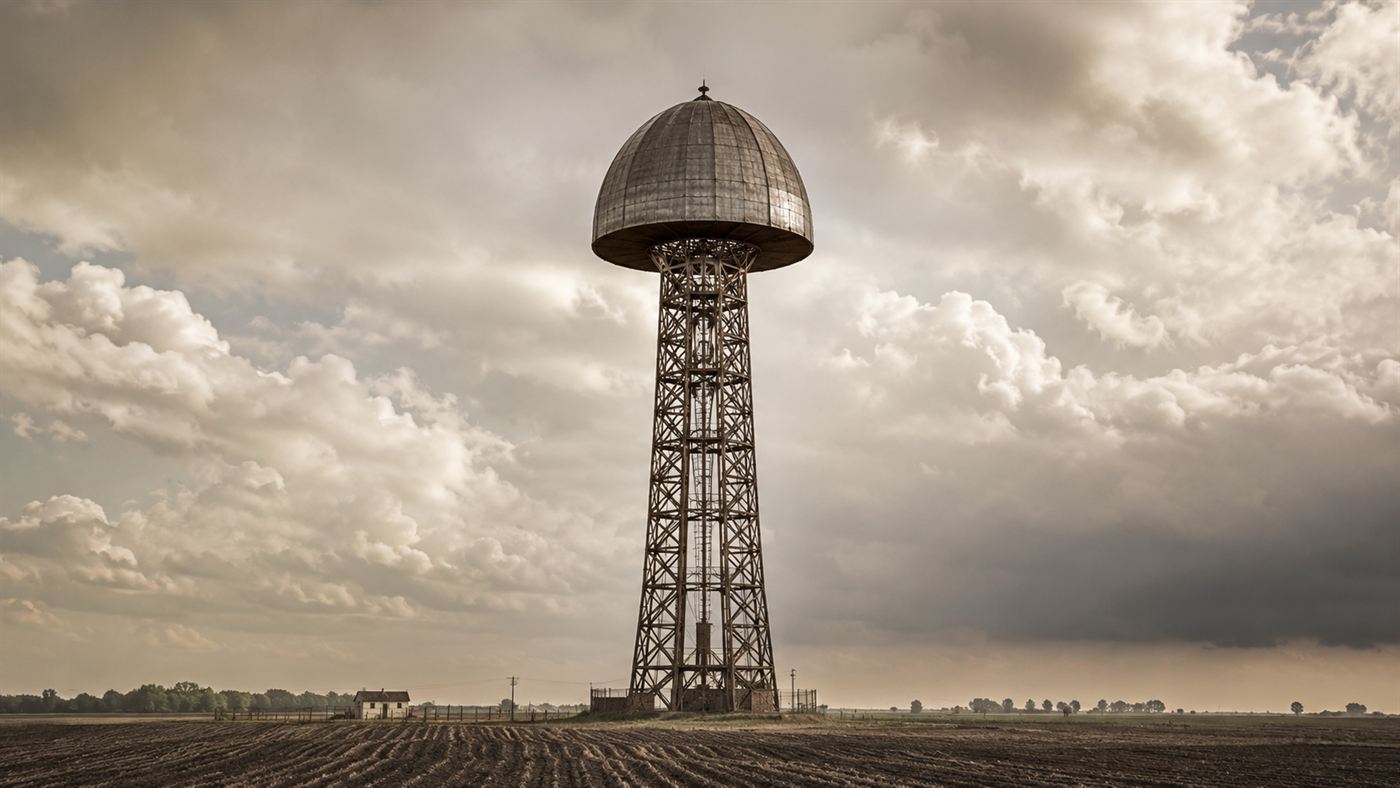
Wardenclyffe Tower, Tesla's unfinished engine for beaming power and messages across the world. Illustration: Watts & Wild.
In 1901, the most famous inventor in America began building a tower that he promised would change the world forever.
Nikola Tesla believed he could broadcast electricity through the air and the ground the way a radio broadcasts sound, lighting homes and ships anywhere on Earth without a single wire. The Wardenclyffe Tower was meant to be the proof.
What was Wardenclyffe Tower? It was a 57-metre tower Nikola Tesla built on Long Island around 1901 to transmit wireless power and messages around the world. His backer J.P. Morgan withdrew the funding, the tower never worked as Tesla hoped, and it was demolished in 1917.
The genius behind the tower
To understand the gamble, you have to know how brilliant Nikola Tesla really was.
A Serbian-American immigrant, Britannica credits Nikola Tesla with the alternating-current system that still powers the modern world, along with the induction motor and pioneering work in radio and remote control.
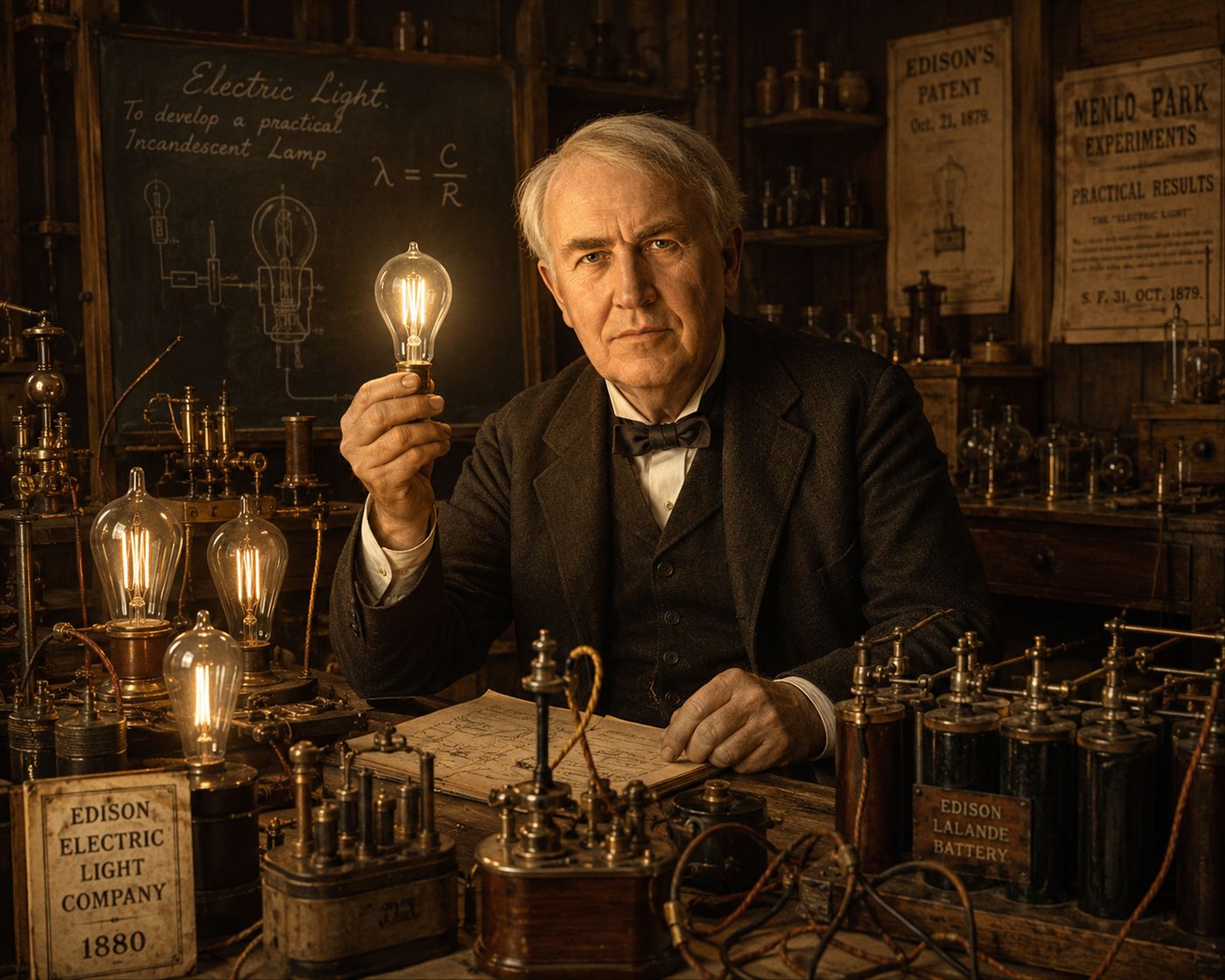
By 1900 his alternating current had won the war of the currents against Thomas Edison's direct current, and Tesla was a celebrity.
But Tesla's mind was already racing past mere power lines toward something far grander.
He wanted to get rid of the wires altogether.
A tower to broadcast Tesla's wireless power
Tesla's idea was to use the Earth itself as a giant conductor and beam energy through it to receivers anywhere.
In 1901 he began building the Wardenclyffe Tower at Shoreham on Long Island, a wooden lattice mast about 57 metres tall capped with a great dome.
The financier J.P. Morgan put up around 150,000 dollars, a fortune at the time, to back the project.
Morgan thought he was funding a station for wireless messages across the Atlantic, but Tesla quietly dreamed of using the Wardenclyffe Tower to deliver wireless power to the whole world.
That gap between what J.P. Morgan was paying for and what Tesla actually wanted would prove fatal.
The money runs out
While Tesla built his cathedral to wireless power, a rival beat him to the punch.
In late 1901 Guglielmo Marconi sent a simple wireless signal across the Atlantic using far cheaper equipment, making Tesla's enormous tower look slow and extravagant.
When Tesla asked J.P. Morgan for more money to finish, and admitted his real goal was free wireless power for everyone, J.P. Morgan refused.
From a businessman's point of view the problem was obvious: you cannot put a meter on free energy that anyone can pull out of the air, so there was no way to charge for it.
The funding dried up, other investors stayed away, and work on the Wardenclyffe Tower ground to a halt.
Dynamited for scrap
Tesla held on to the site for years, sinking into debt as the unfinished tower loomed over the Long Island fields.
In 1917 the Wardenclyffe Tower was demolished, blown up and sold for scrap to help pay what he owed, and records of the site note the tower was torn down without ever operating as Tesla intended.
Tesla himself slid from fame into poverty over the following decades.
The man who lit the modern age with alternating current died nearly penniless in a New York hotel room in 1943, still talking of grand inventions.
The myth and the museum
Over time, the Wardenclyffe Tower became the heart of a powerful legend: that Tesla had cracked free energy for all, and that greedy money men buried it.
The truth is messier, but the site got a happy second act.
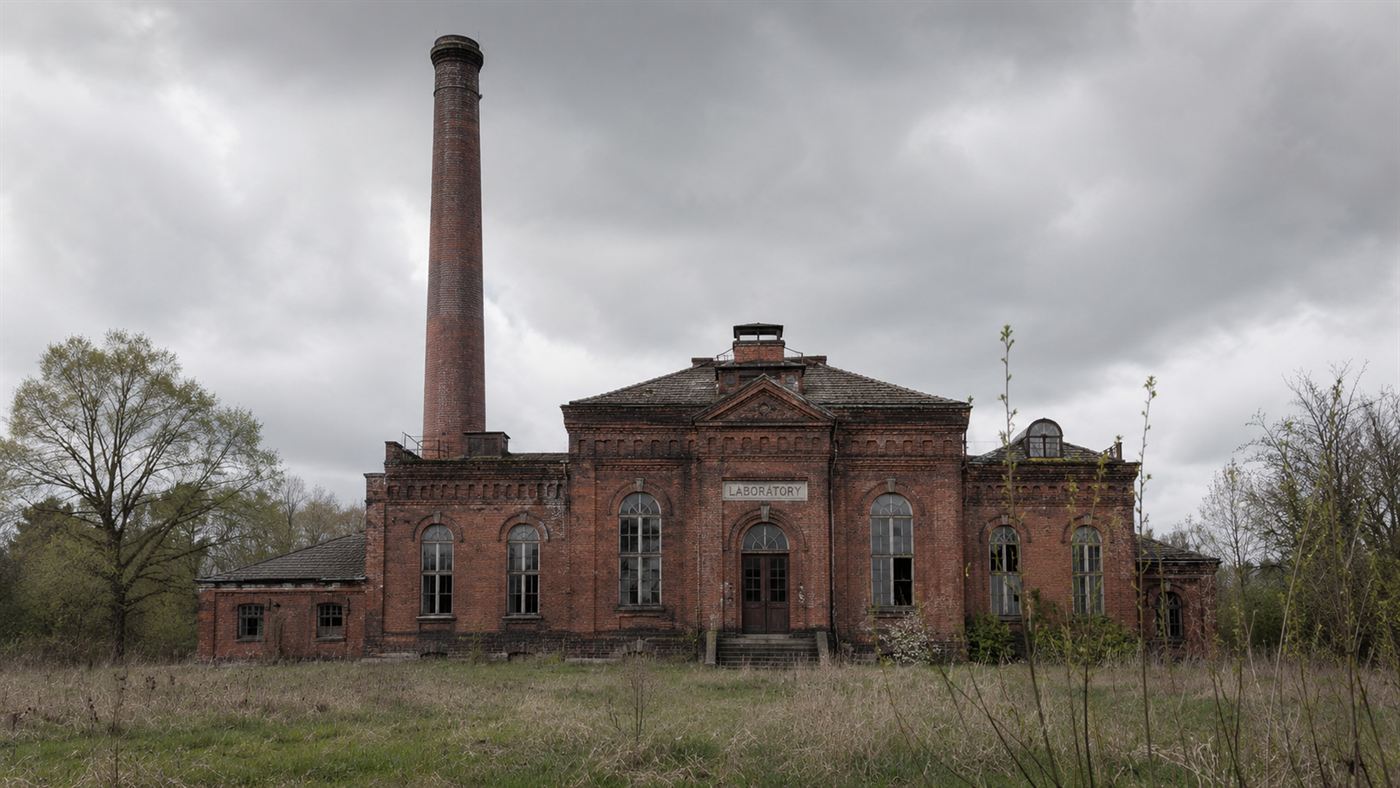
In 2012 a huge online crowdfunding campaign, led by the cartoonist Matthew Inman, raised enough money to buy the old Wardenclyffe property, and the Tesla Science Center is now turning his last laboratory into a museum.
The place built to give the world free energy was saved, fittingly, by small donations from people all over that world.
The honest catch
It is tempting to believe Tesla had a working machine for free energy that was simply stolen from us, but that goes too far.
Most engineers agree his scheme to flood the entire planet with wireless power through the Earth would not have worked as he imagined, and could never have been efficient or sustainable.
The romance of suppressed free energy says more about our distrust of big business than about the physics of the Wardenclyffe Tower.
What is absolutely real is the genius of Nikola Tesla, whose alternating current, induction motor and radio work genuinely built the electrical world we live in.
The ruined Wardenclyffe Tower stands in memory as a monument to a dream that ran a century ahead of the cash to build it.
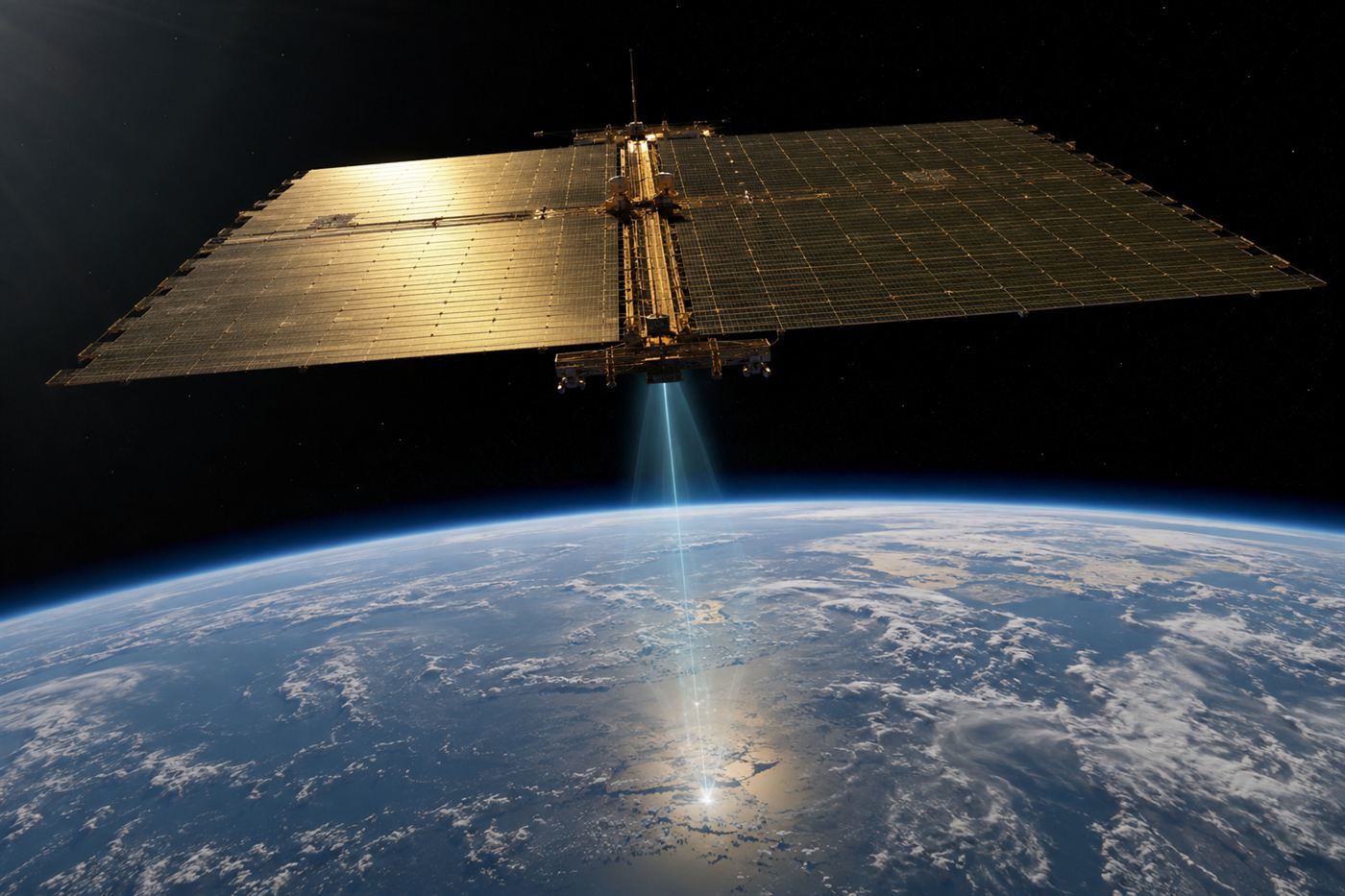
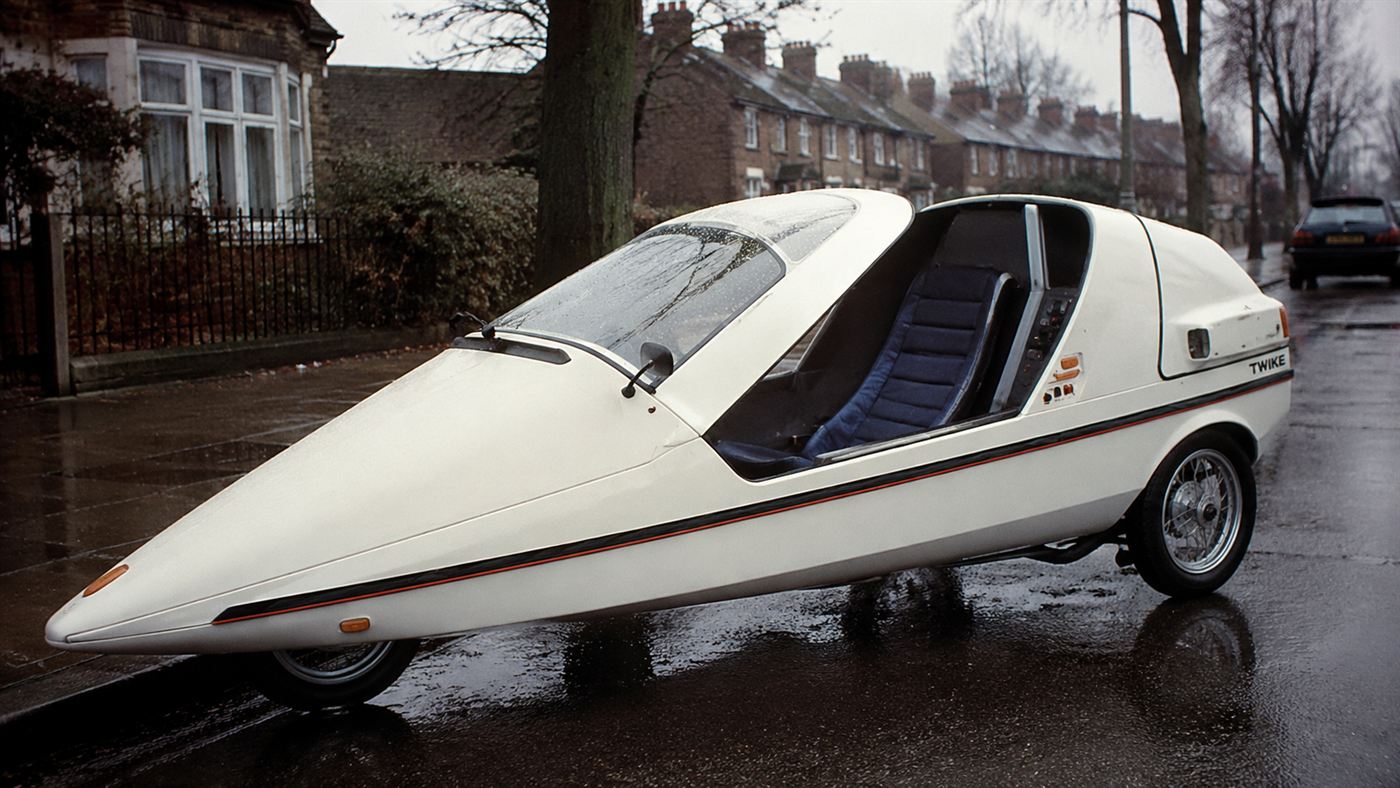
And Tesla's wish to send power through the air without wires is no longer pure fantasy, echoing in modern plans to beam solar energy down from orbit and in other bold electric gambles like the tiny trike that flopped decades too early.
Was Wardenclyffe Tower a doomed fantasy or a glimpse of a wireless future we are only now reaching for, and would you trust a world running on power beamed through the air? Tell us in the comments.
Related reading: the Wright brothers, who invented flight and then nearly buried it in a patent war.