The Wright brothers invented the airplane and then spent a decade in court trying to own it, and many believe the fight handed the future of flight to Europe
We remember the twelve seconds at Kitty Hawk. We rarely remember what came next: not a rush of ever better aircraft, but a wall of lawyers. The men who first left the ground turned their genius toward owning the sky, and the cost may have been the very lead they had won.
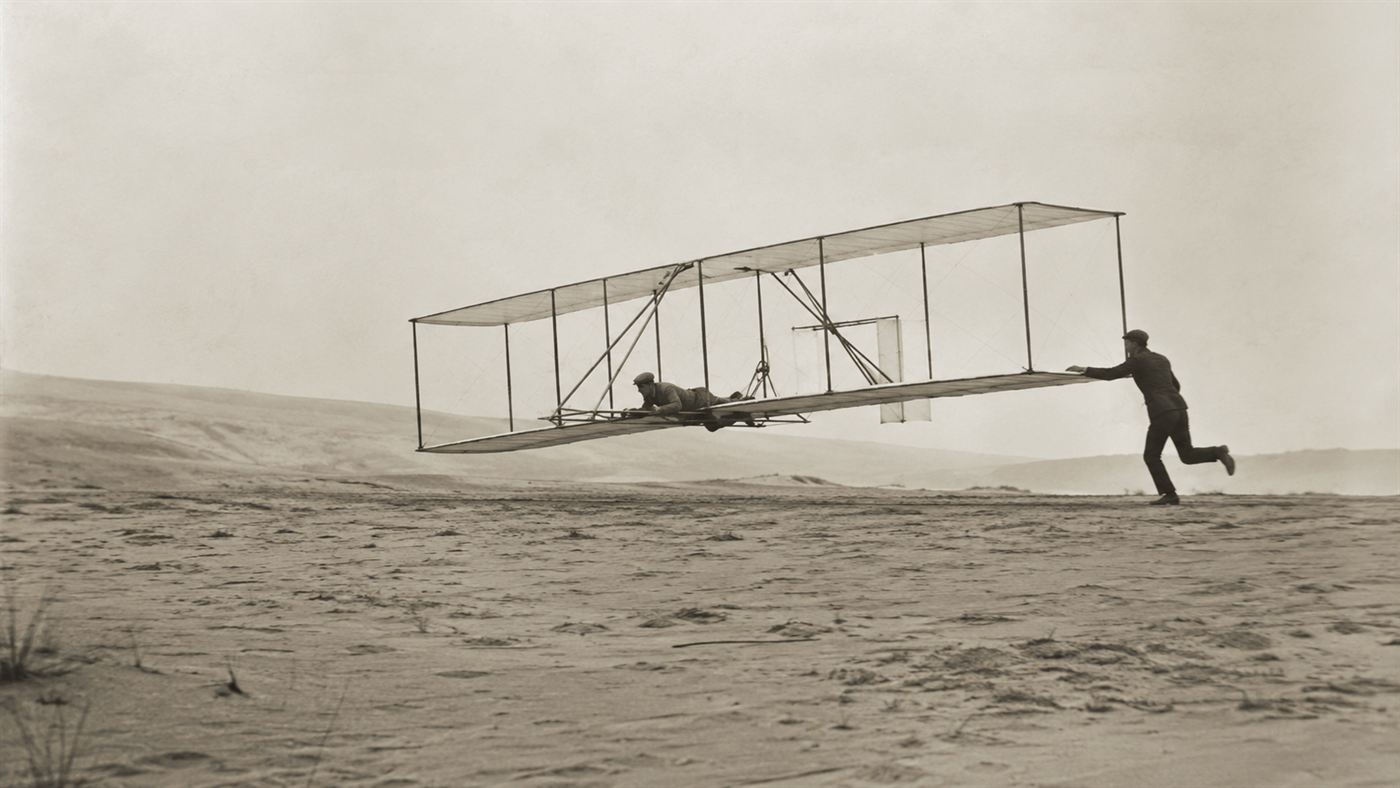
The Wright brothers made the first powered flight in 1903, then spent years defending it in court. Illustration: Watts & Wild.
On December 17, 1903, on a cold beach at Kitty Hawk, North Carolina, Wilbur and Orville Wright did what humans had dreamed of forever. Their fragile machine lifted off the sand under its own power and stayed under control, and the age of flight began. It is one of the cleanest triumphs in the history of invention.
What almost no one tells you is what the brothers did with that triumph. Instead of pouring their brilliance into faster, safer, better aircraft, they poured it into the courtroom, and for the better part of a decade the story of the Wright brothers is less about flying than about suing.
The short version is that they were probably within their legal rights and may still have made a historic mistake. Their fight to own the idea of flight is widely blamed for letting other countries sail past the nation that had invented the airplane in the first place.
What the Wright brothers actually patented
The genius of the Wrights was not really the engine. Plenty of people were bolting motors to wings. Their breakthrough was control, a way to steer a machine through the air in three dimensions, and the heart of it was a technique called wing-warping, in which the pilot twisted the wingtips to bank and turn.
In 1906 they were granted a broad US patent, and this is the crucial point. It did not just cover their specific wing-warping mechanism; it was written to cover the whole concept of controlling an aircraft's roll. In effect, the brothers claimed to own lateral control itself, whatever clever method a rival might invent to achieve it.
The war with Glenn Curtiss
Their great rival was Glenn Curtiss, a brilliant engine builder and aviator who developed his own control system using ailerons, small hinged flaps at the trailing edge of the wing rather than a warping of the whole wing. To almost any engineer, ailerons were a genuinely different and better solution.
The Wrights disagreed and sued. They argued that ailerons still achieved the roll control their patent covered, and so still infringed it, and the American courts largely sided with them in rulings around 1913 and 1914. But winning meant years of depositions, injunctions and appeals, a grinding legal war against Curtiss that swallowed the energy of everyone involved.
While America argued, Europe flew
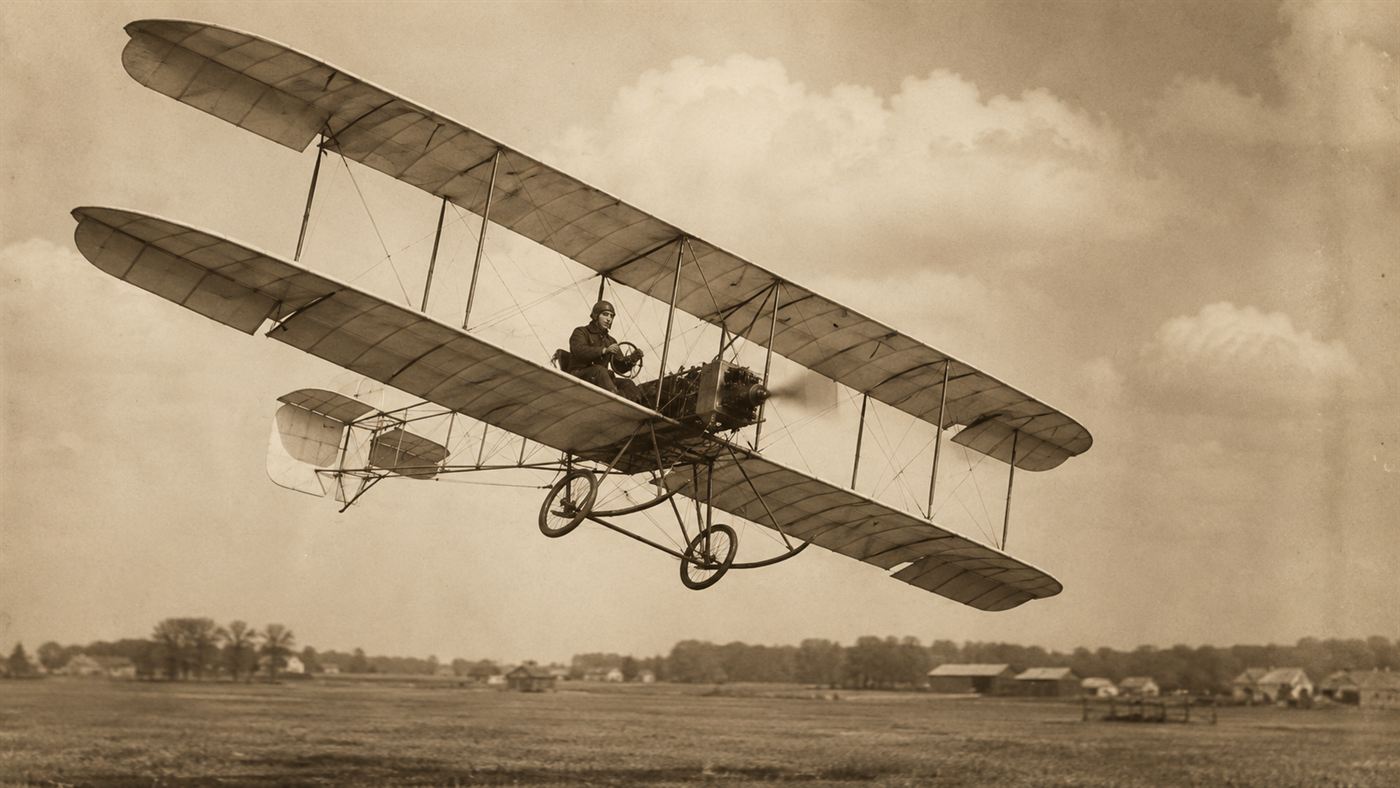
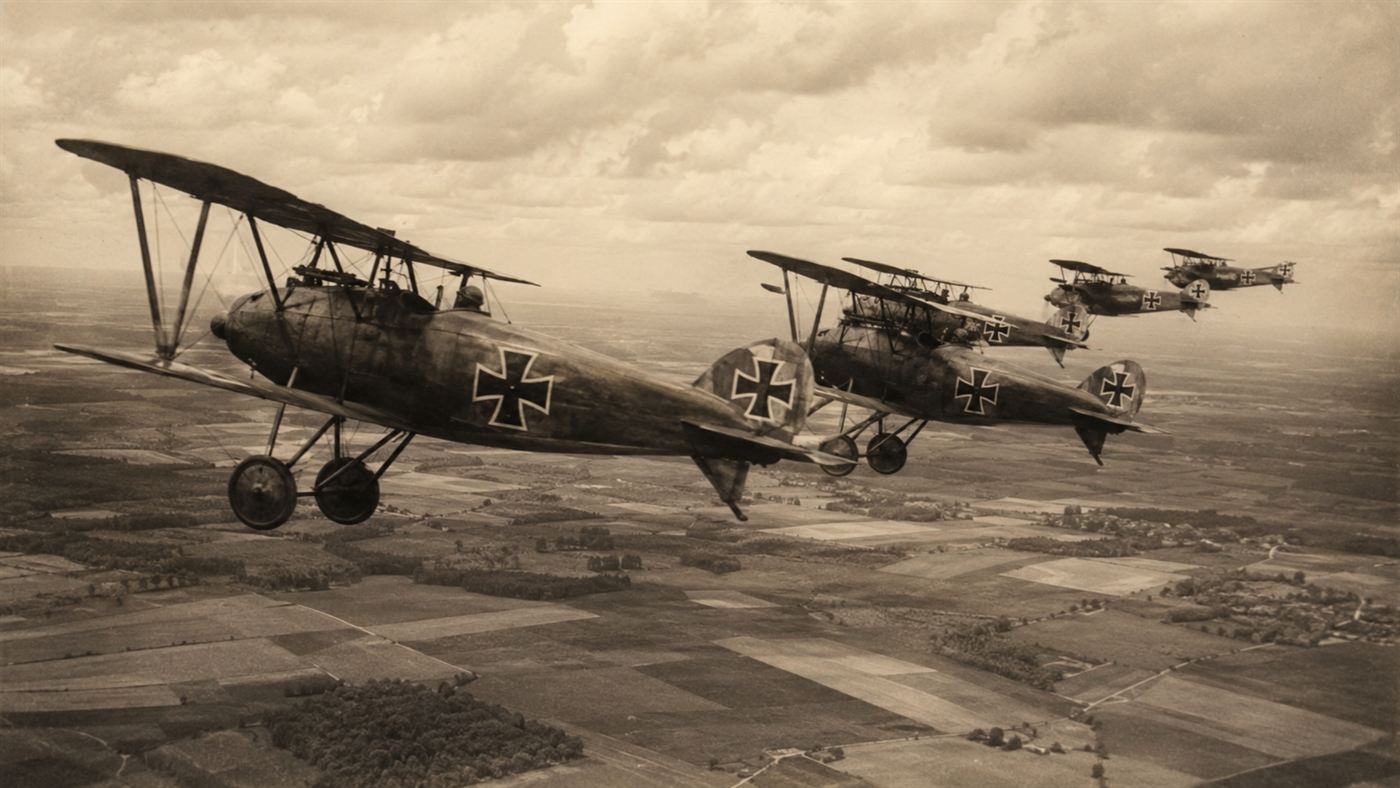
Here is the part that still stings. During the years the Wrights and Curtiss spent locked in court, aviation in France, Germany and Britain was advancing at a breathtaking pace, unburdened by the American patent. European designers experimented freely, borrowed from one another, and built faster and stronger machines season after season.
By the time the First World War arrived in 1914, the country that had invented powered flight had fallen embarrassingly behind. When the United States finally entered the war in 1917, its pilots largely flew French and British aircraft, because American industry had no competitive combat plane of its own to send them up in.
How do you end a war over an idea?
In the end it took a world war to break the deadlock. The military simply could not tolerate a situation where patent fights were strangling aircraft production, so in 1917 the government pushed the industry into a patent pool, an arrangement that forced the major manufacturers to cross-license their designs to one another for a set fee.
With that, the logjam finally cleared and American factories could build in earnest. But the resolution came from outside pressure, not from the participants making peace, and by then the personal cost had already been paid. Wilbur Wright had died back in 1912, worn down by the strain of the litigation, and his family believed the endless fighting helped kill him.
The honest catch
It is tempting to cast the Wrights as villains who choked their own invention out of greed, and that is too simple. They were tinkerers of modest means who had risked everything, watched others copy them, and felt entitled to protect what they had built. The patent system of the day genuinely encouraged exactly this kind of broad, aggressive claim.
Historians also argue about how much the patent war really slowed American aviation, since small military budgets and other factors mattered too. But the deepest irony is hard to shake. The Wrights fought for years to defend wing-warping, and it is ailerons, the rival idea they tried to suppress, that every airplane in the sky uses now. They won the case and lost the argument, and the future of powered flight belonged to the people they had sued.
The people who gave us flight may also have held it back for a decade, all to defend an idea history threw away. Should an inventor be able to own a whole concept, and not just their version of it? Tell us what you think in the comments.
Related reading: Nikola Tesla, another genius undone by the business side of invention. See also the Spruce Goose, the giant that flew only once, and the glue whose inventor spent years missing what he had made.