One of the world's poorest countries just switched on Africa's largest dam, a 5 gigawatt wall across the Nile that Ethiopia built almost alone, doubling its power and alarming Egypt downstream
On 9 September 2025, Ethiopia switched on the Grand Ethiopian Renaissance Dam, now Africa's largest dam and the biggest hydroelectric project on the continent. It cost 5 billion dollars, took 14 years, and a nation where half the people have no electricity paid for almost all of it itself. Downstream, Egypt is deeply alarmed.
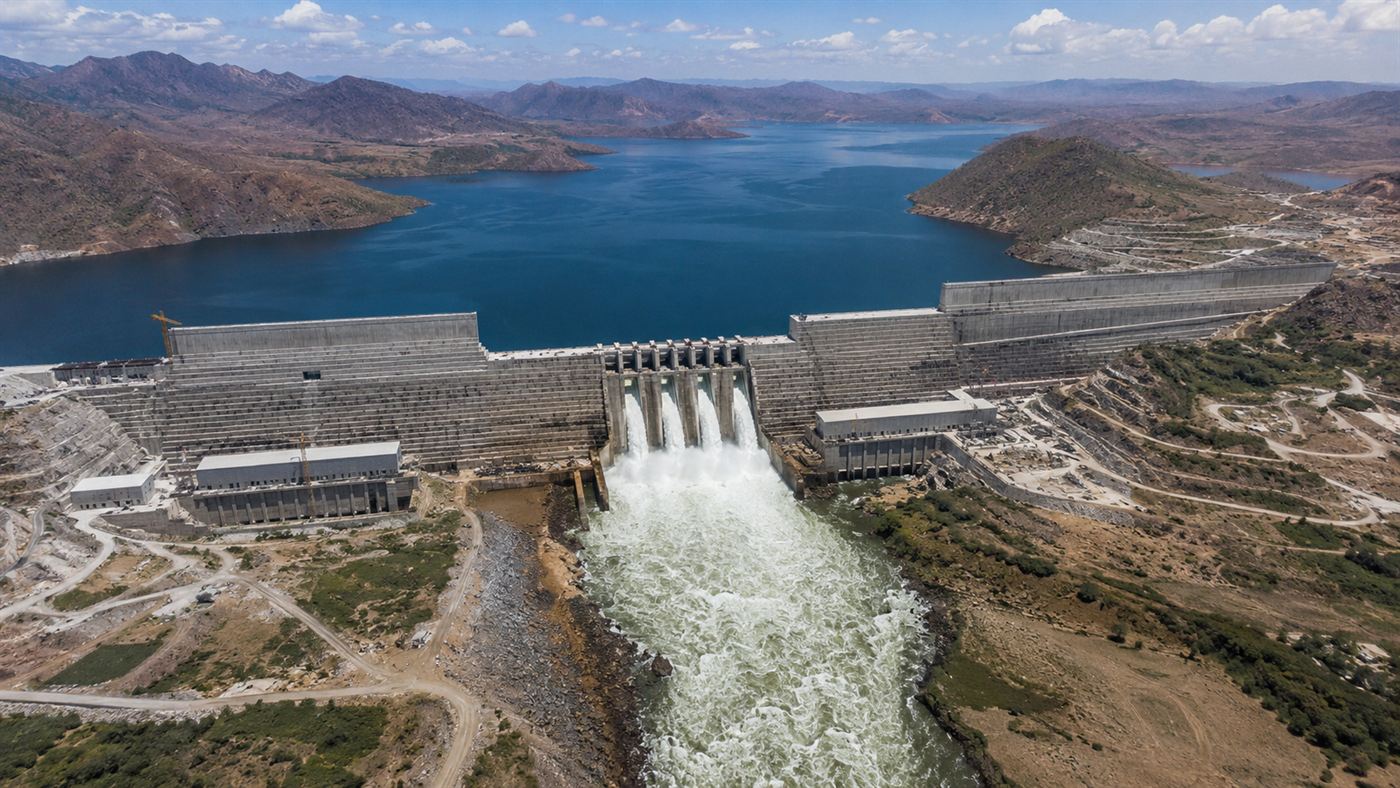
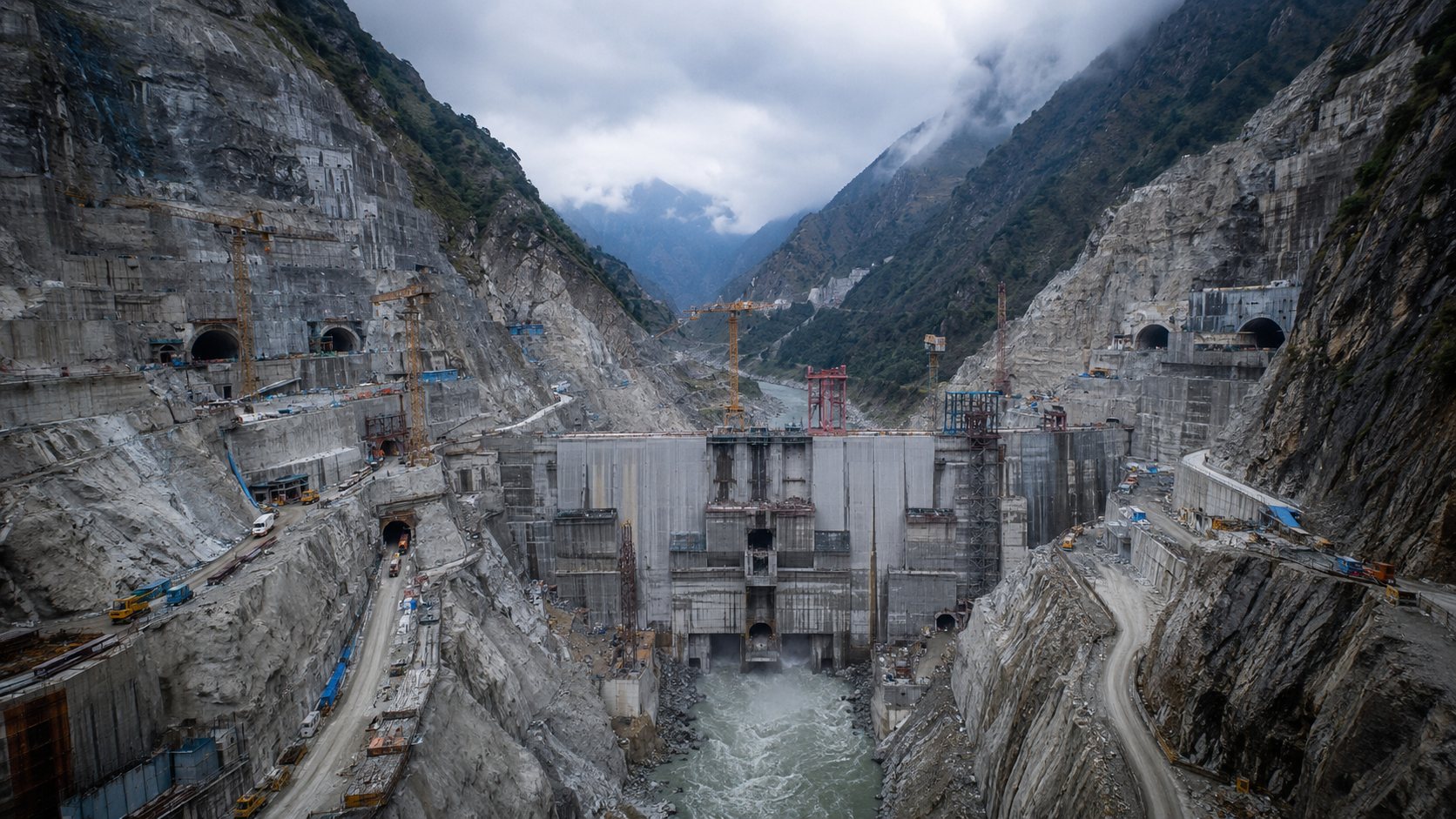
The Grand Ethiopian Renaissance Dam is Africa's largest, at over 5 gigawatts. Illustration: Watts & Wild.
For most of the past 14 years, the Grand Ethiopian Renaissance Dam has been less a power station than a national dream poured into concrete. On 9 September 2025, that dream was switched on. Ethiopia inaugurated the finished dam on the Blue Nile, and in a single ceremony became home to the largest hydroelectric project ever built on the African continent.
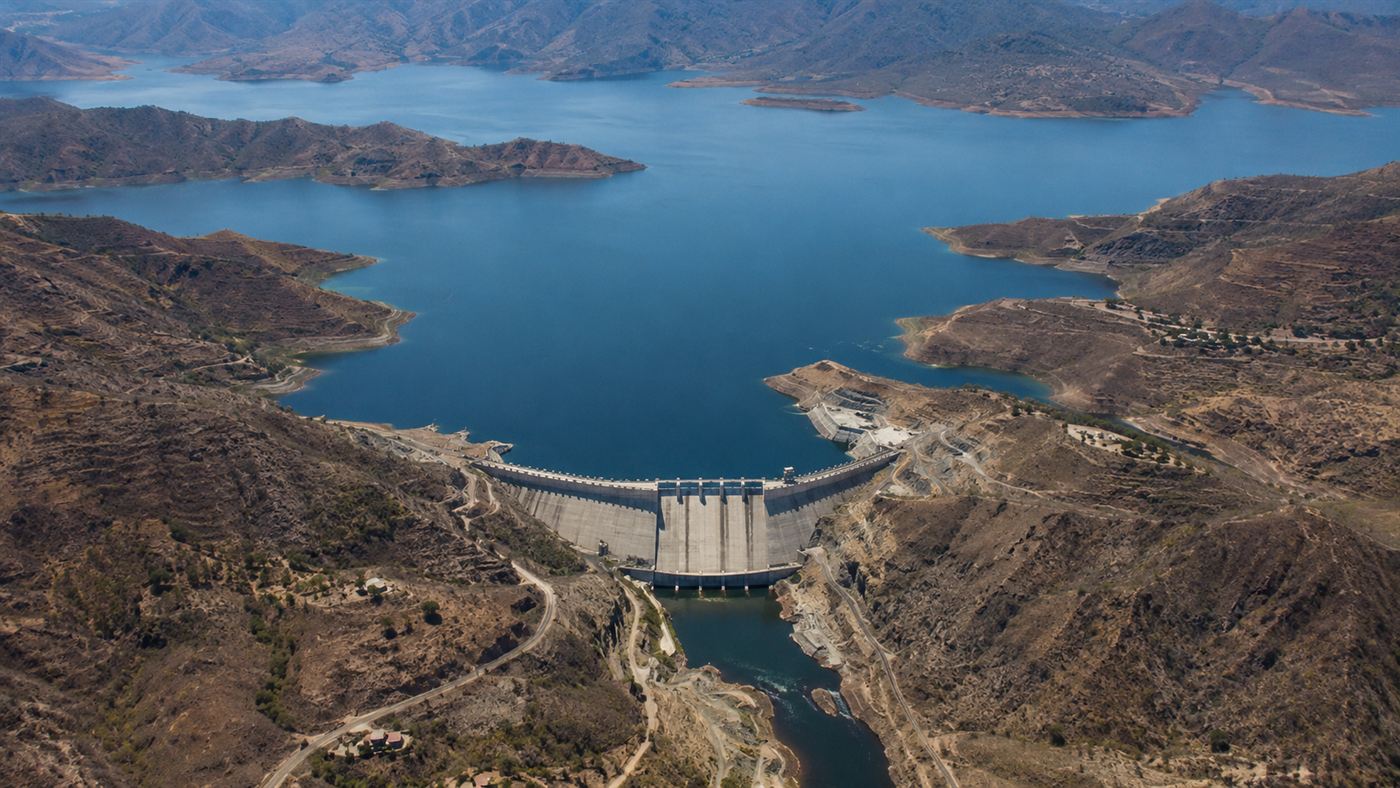
It is a genuinely enormous structure, a wall of concrete about 145 metres high and 1.8 kilometres long, holding back a reservoir big enough to be seen from orbit. For a country where blackouts are routine and tens of millions live without power at all, it is meant to be transformative. For the countries downstream, it is something closer to a threat.
Africa's largest dam comes online
The headline is the sheer scale. As the builder Webuild noted on inauguration, the GERD is the biggest hydropower project ever constructed in Africa, with an installed capacity of more than 5,000 megawatts and an expected output of around 15,700 gigawatt-hours a year. That puts it among the twenty largest hydroelectric dams anywhere on Earth.
To put the power in human terms, the dam is designed to more than double Ethiopia's entire electricity supply. A nation of around 130 million people, where regular blackouts hit even the capital Addis Ababa, has in effect just plugged in a second power grid in one go. The potential to light homes, run factories and even export electricity to neighbours is the entire point.
A dam a nation built almost alone
What makes the story remarkable is not just the size but the financing. The dam cost about 5 billion dollars, and Ethiopia paid for nearly all of it itself, through its central bank, public bond sales, and contributions from ordinary citizens. It did so partly out of necessity: Egypt had lobbied hard to deny the project international financing, so Ethiopia funded its renaissance largely from its own pocket.
That self-reliance turned the dam into a symbol of sovereignty and pride, which is exactly what the word renaissance in its name is meant to capture. Civil servants bought bonds, the diaspora sent money home, and a project that outsiders doubted got built anyway. Whatever else it is, the GERD is a statement that a poor country can pull off something on this scale on its own terms.
Power for a country in the dark
The need behind it is real and urgent. Close to half of Ethiopia's population still has no access to electricity, a brake on everything from schooling to industry to basic healthcare. Cheap, abundant hydropower could change daily life for tens of millions of people, and turn Ethiopia into a regional electricity exporter selling power to its neighbours.
This is the case its supporters make: that a continent often told to keep its emissions low deserves the right to build big, clean power too, and that hydroelectricity is among the cleanest large-scale electricity there is. Seen this way, the GERD is not a vanity project but a piece of basic development that much of the rich world built generations ago.
The honest catch
Then there is the river, and this is where the story turns tense. Egypt depends on the Nile for the overwhelming majority of its fresh water, and its president has called the dam an existential threat, fearing that Ethiopia could choke the flow that keeps a desert nation alive. Sudan, also downstream, is uneasy too, and more than a decade of negotiations has failed to produce any binding agreement on how the water is shared.
The danger is not just politics. Ethiopia inaugurated the dam amid open tensions with Egypt and Sudan, and how fast the giant reservoir is filled, especially during dry years, directly affects how much water reaches them. A hydro dam also only works when the rains come, so a serious drought could squeeze both its power output and everyone downstream at once. The dam solves one country's energy problem by handing three countries a shared water problem. And history shows even a flawlessly built dam can turn into catastrophe when the surrounding nature is underestimated, as it did at Italy's Vajont Dam in 1963.
Why the Renaissance Dam matters
The GERD captures one of the defining tensions of the century in a single structure. It is a stirring story of a poor nation electrifying itself against the odds, and at the same time a warning about how, in a warming and thirsty world, one country's clean power can become another's existential fear. Both things are true at once.
How Ethiopia, Egypt and Sudan share the Nile from here will be watched far beyond Africa, because versions of this argument are coming to every river that crosses a border. Does a country have the right to dam its own stretch of a river that millions downstream depend on? Tell us what you think in the comments.