When a new dam began drowning the Zambezi valley, a game ranger took to the water in small boats and spent six years ferrying thousands of trapped animals to safety
In 1958 a wall of concrete began turning the Zambezi River into an inland sea, and the animals of the valley had nowhere to run. What followed was Operation Noah, a six-year wildlife rescue led by a stubborn game ranger named Rupert Fothergill, who refused to let the rising water have them.
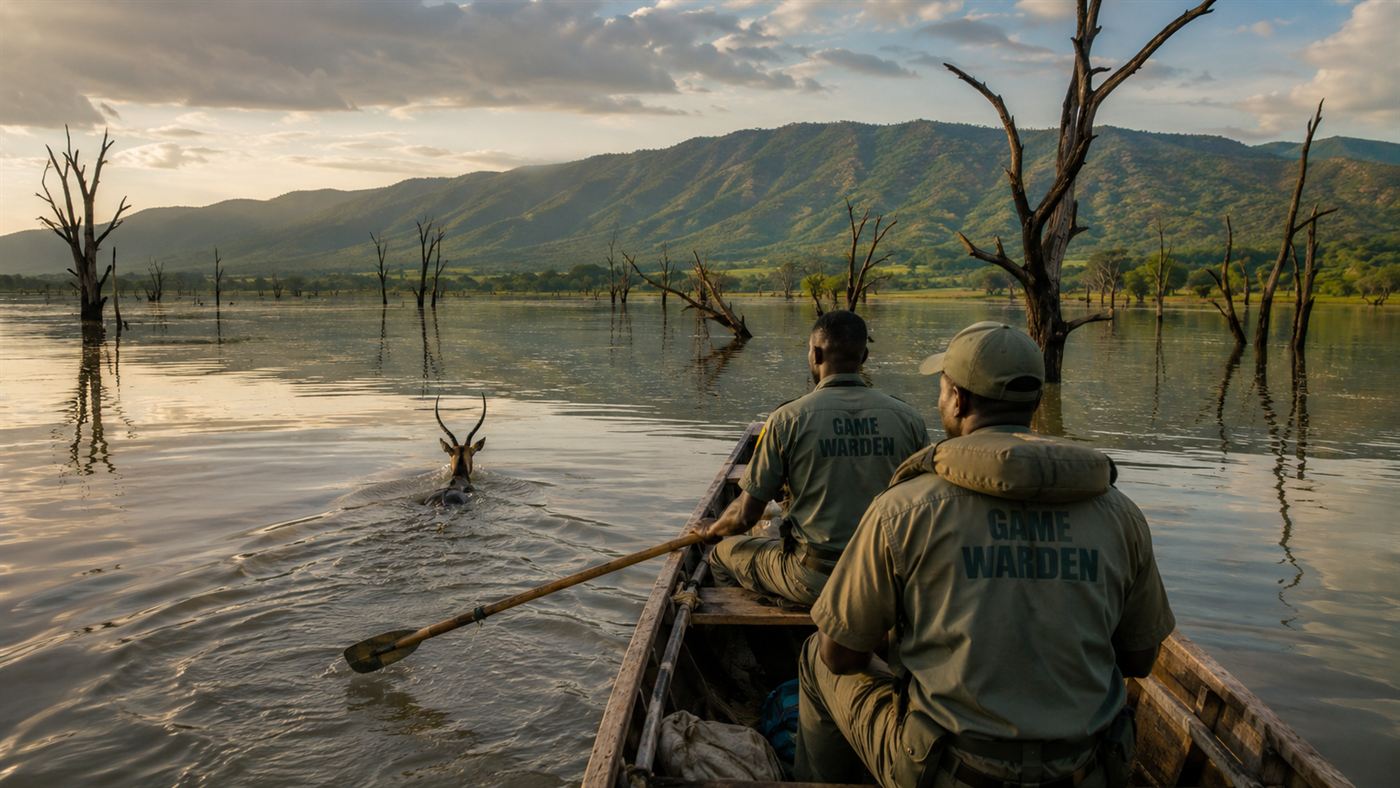
As the Kariba Dam flooded the Zambezi valley, rangers ferried stranded animals to dry land. Illustration: Watts & Wild.
In 1958, a new wall of concrete began turning the Zambezi River into one of the largest artificial lakes on Earth, and as the water climbed it left thousands of animals stranded on shrinking islands of high ground. The men who went out to save them called the effort Operation Noah, the largest animal rescue the continent had ever seen.
The Kariba Dam was an engineering triumph and a slow-motion flood at the same time. Behind it, Lake Kariba swallowed a whole valley, and the creatures that lived there had nowhere left to go.
What was Operation Noah? It was the wildlife rescue, running from 1958 to 1964, that saved animals trapped by the rising Lake Kariba. Working from small boats, Rupert Fothergill and his teams caught and carried more than 6,000 animals, from tiny mice to black rhinos, across the water to the safety of the new shore.
A dam that made an inland sea
The Kariba Dam sits in a gorge on the Zambezi River, on the border between what are now Zimbabwe and Zambia.
Built between 1955 and 1959, the Kariba Dam was designed to bring cheap hydroelectric power to a fast-growing region.
When its gates closed, the river backed up into what is, by volume, the largest reservoir ever made by people.
Lake Kariba would eventually cover around 5,500 square kilometres, and Britannica ranks it among the largest artificial lakes in the world, a man-made sea where dry savanna and riverine forest had been.
The water did not arrive all at once. It crept up over years, turning hills into islands and then drowning those islands one by one, with the wildlife crowding onto whatever land was left.
The man who would not let them drown
Rupert Fothergill was a game ranger in the Southern Rhodesia wildlife department, a bush-hardened man far more at home with animals than with paperwork.
He could not stand the idea of the valley's wildlife simply vanishing under the lake, so he asked his superiors for permission to mount a rescue.
They gave him a modest budget, a small band of men and a few boats, and with that Operation Noah began.
There was no manual for any of this, so the teams had to invent the techniques of large-scale wildlife rescue as they went.
They would motor out to a shrinking island, corner the terrified animals, and somehow get each one into or behind a boat for the crossing to dry land.
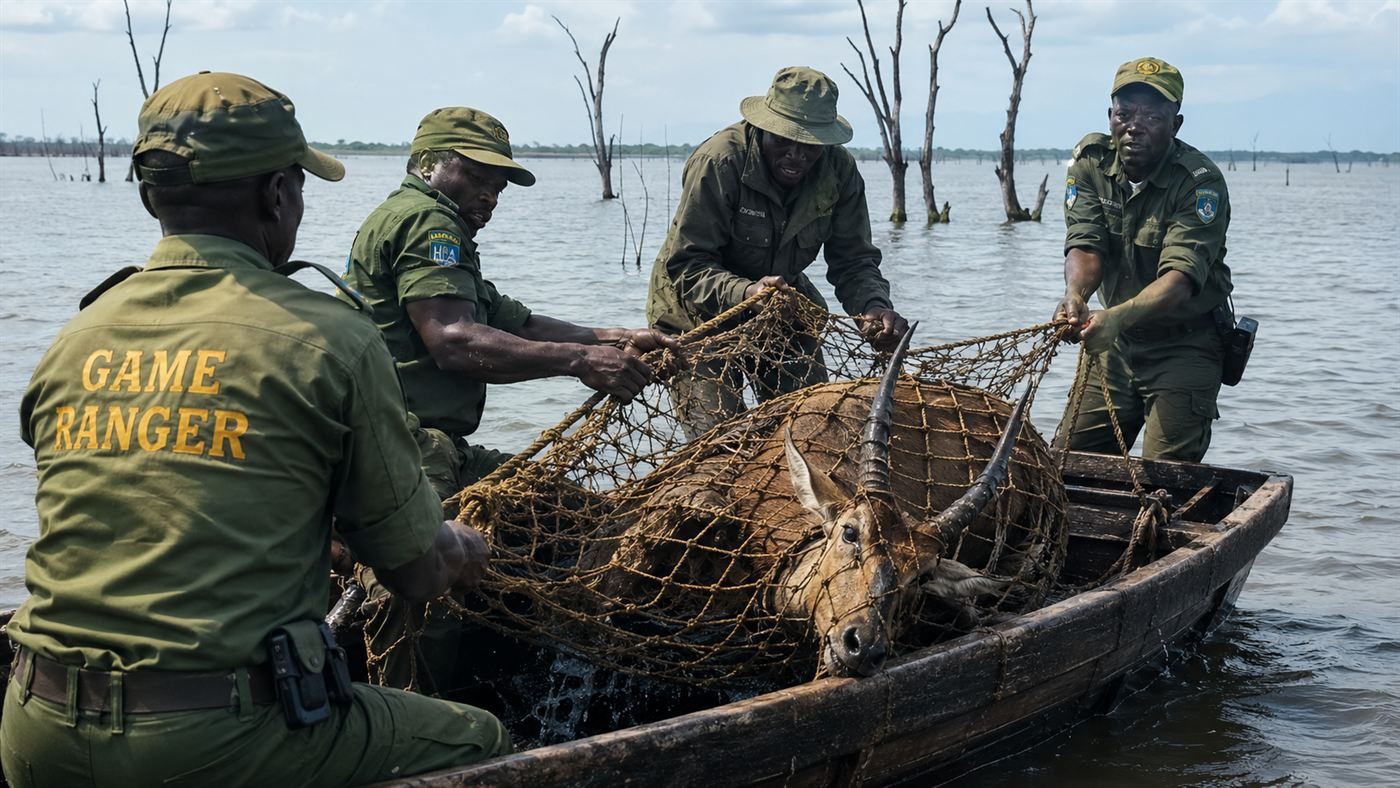
Floating rhinos and a leopard in the boat
Some animals were relatively easy. Antelope and warthogs could be netted, tied and ferried across the open water.
Others were anything but. The teams roped swimming black rhinos and towed them slowly behind the boats, the huge animals paddling across water that now covered their old grazing grounds.
Snakes, mice, birds, monkeys, zebra, buffalo and even a leopard passed through Rupert Fothergill's hands over the course of the operation.
Tranquilliser darts barely existed yet, so almost all of the work was done with nets, ropes and bare hands.
Not every capture went smoothly, and the men were bitten, scratched and worn down, but the boats kept going back out for another load.
What the Operation Noah animal rescue changed
By the time the lake stopped rising in 1964, Operation Noah had moved more than 6,000 animals to safety, and the historical record of the rescue credits it with saving thousands of creatures over those six years.
Many were released into what became Matusadona National Park on the southern shore of Lake Kariba, where their descendants still roam today.
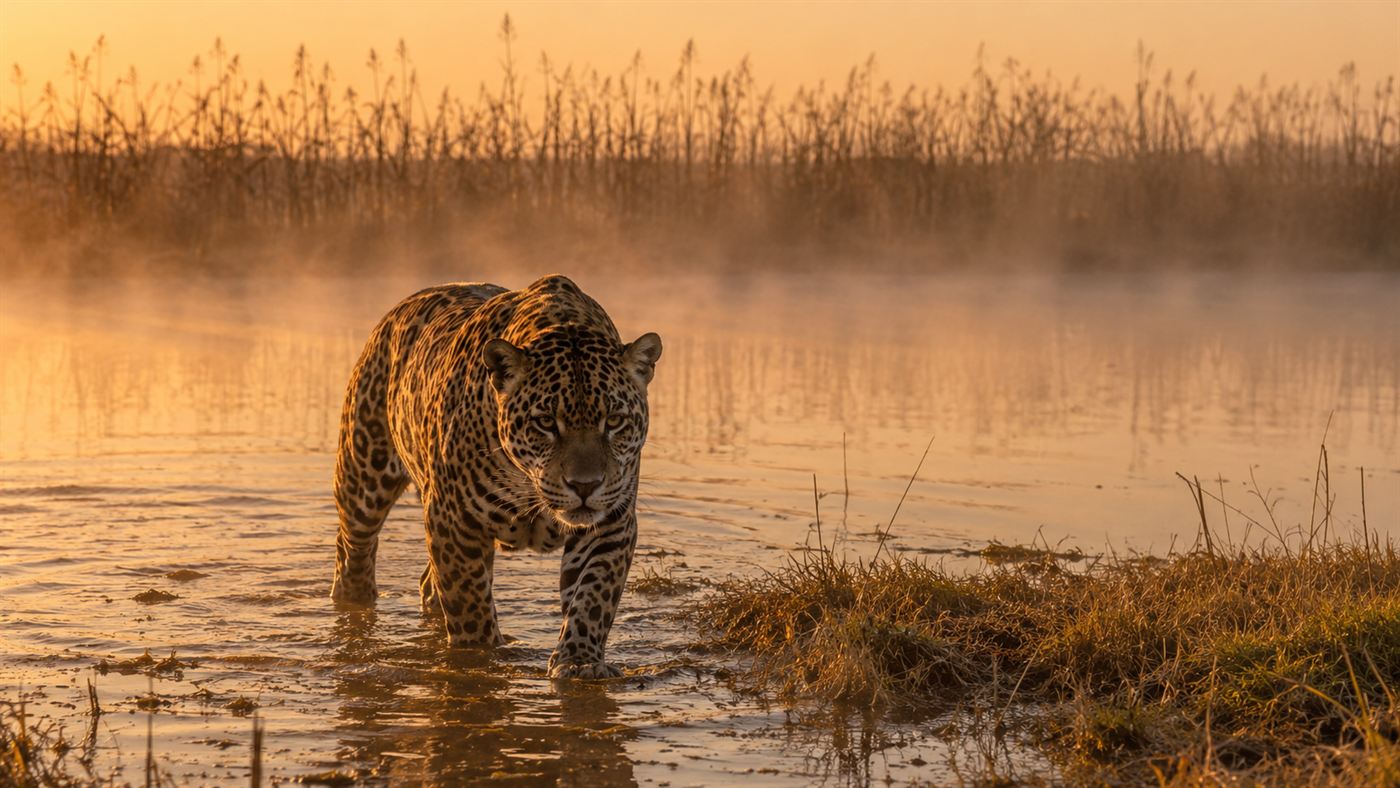
Just as importantly, the rescue proved to the world that wild animals could be caught and moved on purpose, helping launch the whole practice of wildlife translocation now used to rebuild populations everywhere, from the jaguars returned to Argentina's wetlands to countless smaller projects.
Rupert Fothergill became a conservation hero, and the name Operation Noah stuck as shorthand for a rescue mounted against impossible odds.
The honest catch
The tidy story of the animal ark has a darker companion that is told far less often.
The same Kariba Dam that trapped the wildlife also drowned the homeland of the Tonga people, and accounts of the dam's construction record that around 57,000 of them were forced off their ancestral land in the valley.
They were pushed onto drier, poorer ground, often against their will, and many never recovered what they lost, a displacement that drew nothing like the care or the headlines lavished on the animals.
The rescue itself was improvised and imperfect, and plenty of creatures it could never reach went under with the valley.
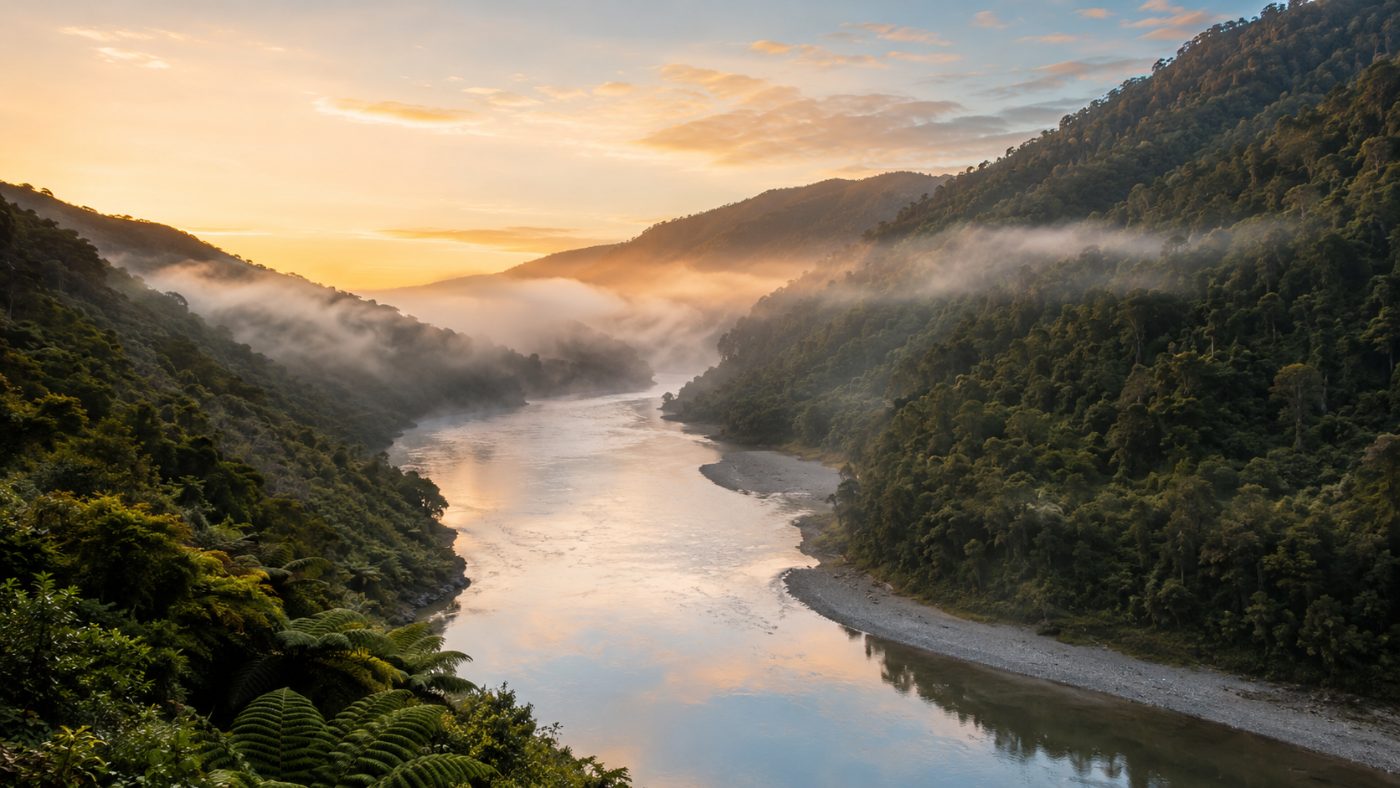
The Tonga had warned that their river god, Nyaminyami, would never accept the dam, and the same hard question about who a river truly belongs to runs through the story of New Zealand's river that was granted the legal rights of a person.
Operation Noah remains one of the most remarkable wildlife rescue efforts ever attempted, a few people in small boats refusing to let a rising lake have the final word.
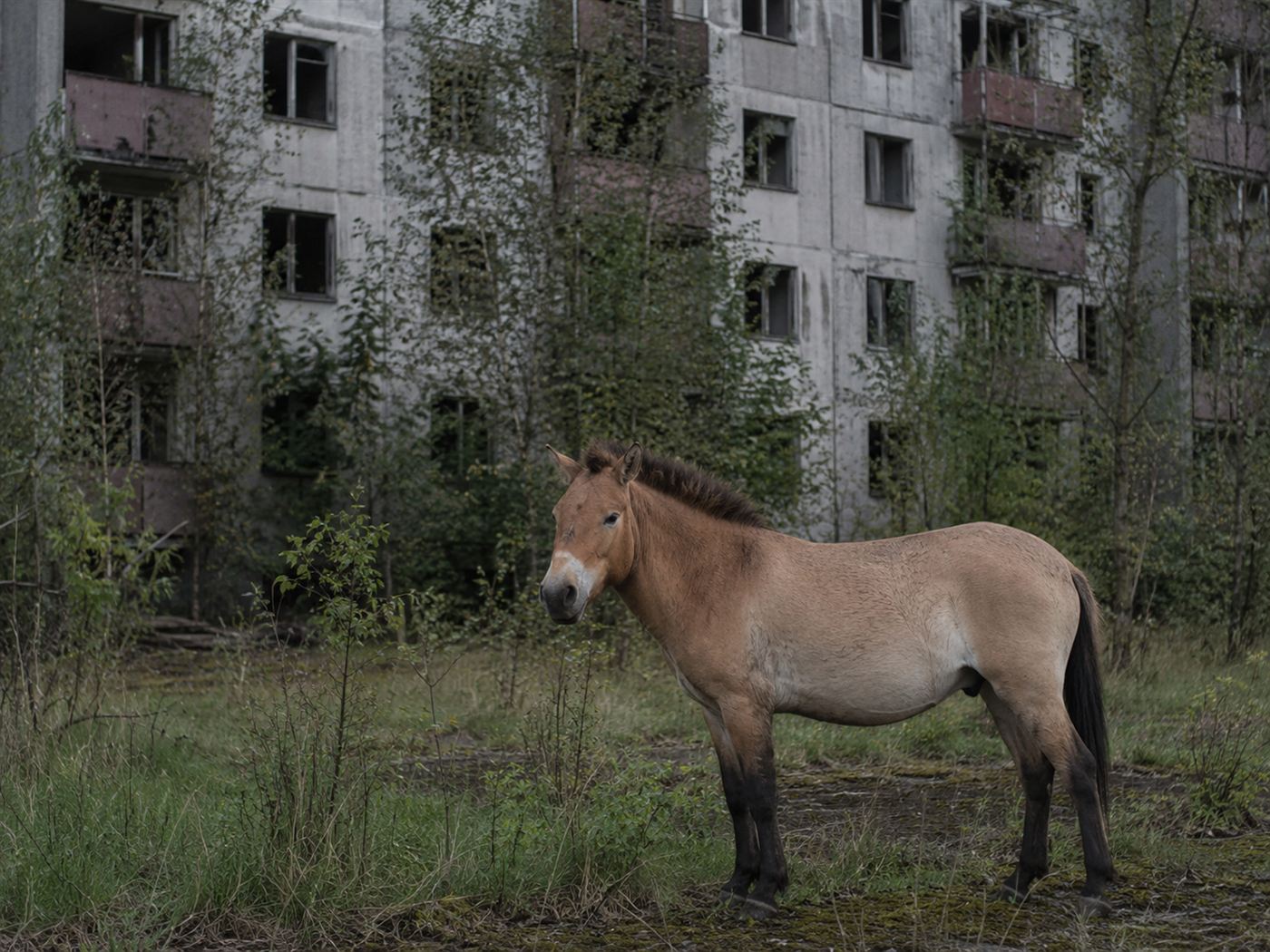
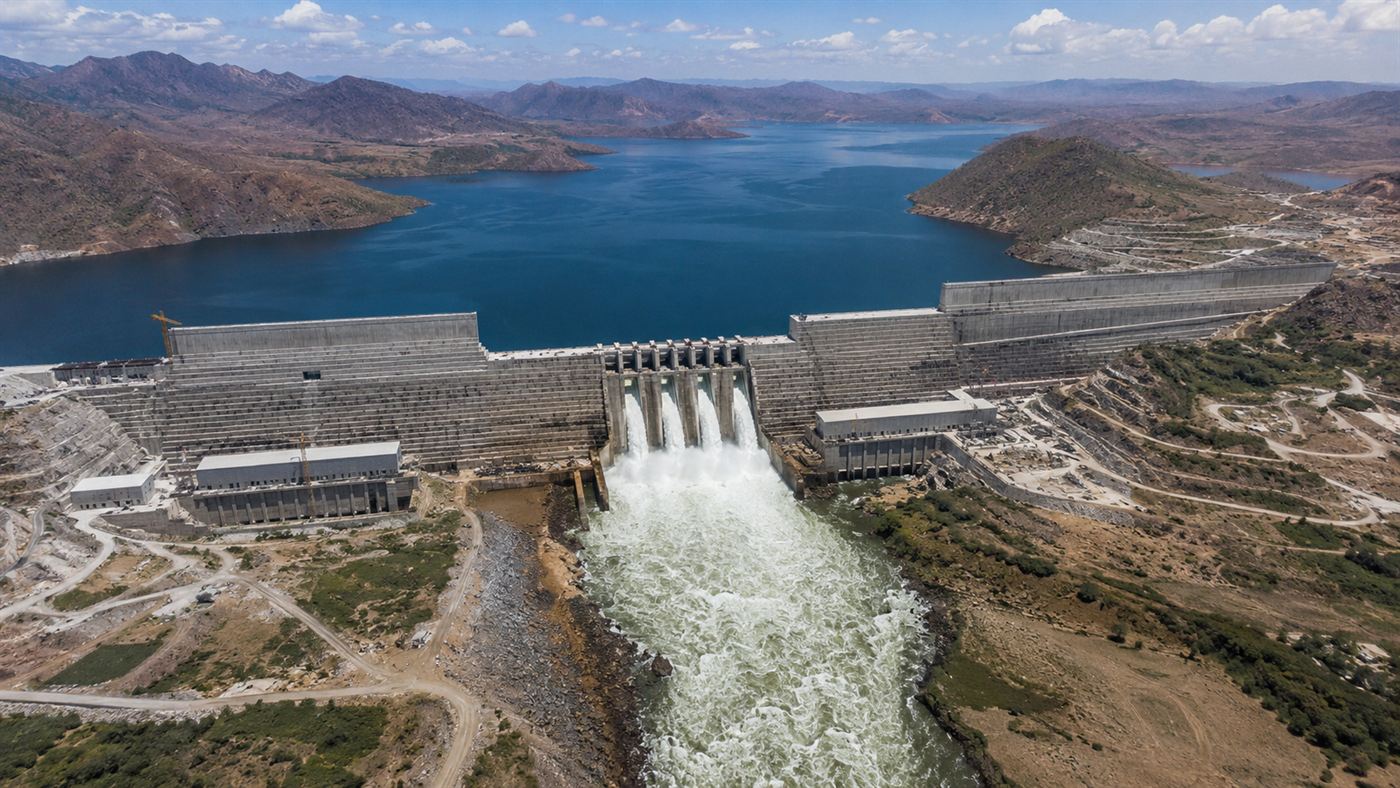
It is also a reminder that grand engineering projects always carry a price, and that the price is rarely shared equally, a tension that still surrounds vast new dams like Ethiopia's giant Nile megadam and the wild country that empties out when people leave, as it did in the Chernobyl exclusion zone.
Was it right to pour such effort into saving the animals of the Zambezi valley while the people who lived there were pushed aside, and what would a fairer Operation Noah look like today? Tell us in the comments.