A plastic wedge that looked like a doorstop was America's best-selling electric car for over 30 years, until Tesla came along
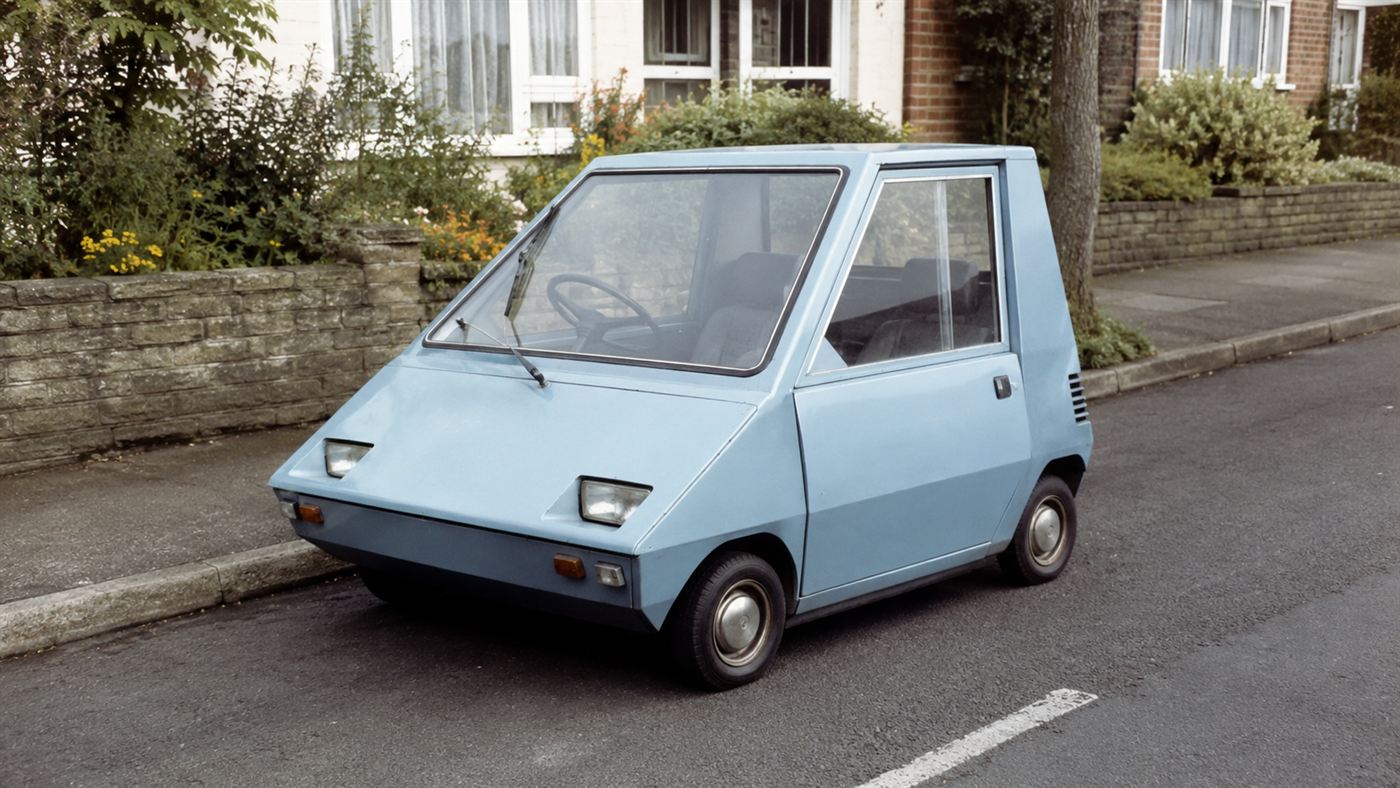
It looked like a cheese wedge on wheels, did barely forty miles an hour, and was built by a tiny company in Florida out of plastic. And yet the CitiCar outsold every other electric car in America for more than three decades, a forgotten little champion of the road that nobody remembers ahead of Tesla.
The CitiCar, a plastic two-seater that looked like a rolling doorstop. Illustration: Watts & Wild.
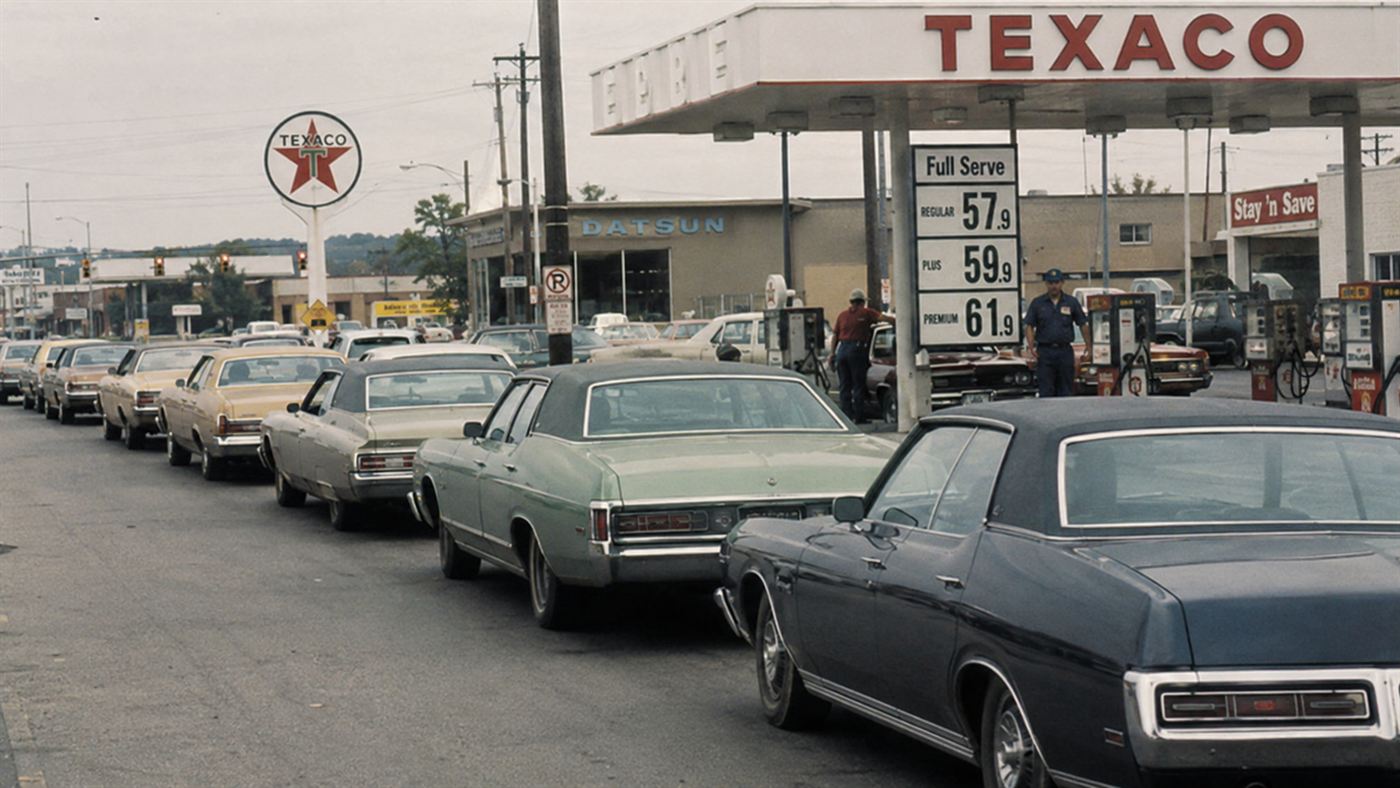
The CitiCar was a child of crisis. In 1973 and 1974, an oil embargo sent petrol prices soaring and left American drivers queuing for hours at the pumps, and suddenly a car that did not need petrol at all looked very appealing. A former car salesman named Robert Beaumont spotted the moment, set up a company called Sebring-Vanguard in Sebring, Florida, and started building tiny electric runabouts.
What he built was unglamorous in the extreme. The CitiCar was a stubby, wedge-shaped two-seater with a moulded plastic body, powered by a bank of ordinary lead-acid batteries and a small electric motor. It topped out around forty miles an hour and could manage roughly forty miles on a charge in warm weather. It was, to be blunt, a glorified golf cart you could licence for the road.
How the CitiCar became a best-seller
And people bought it. For city errands and short commutes it did the job, it was cheap at around three thousand dollars, and it never visited a petrol station. As TIME has noted in its history of the electric car, the little machine found a real audience, and Sebring-Vanguard turned out thousands of them through the mid-1970s.
Counting all its variants, around four and a half thousand were eventually built. As the production record shows, that does not sound like much next to Detroit's millions, but it was enough to make the CitiCar the most-produced electric car in North America since the Second World War, a record it would hold for decades. At its peak the numbers briefly made Sebring-Vanguard the sixth-largest carmaker in the United States, a Florida minnow ranked just behind the giants of Detroit.
Why a golf cart on a budget mattered
It is easy to laugh at the CitiCar, and plenty of people did. But strip away the plastic and it was running on exactly the logic that drives electric cars today: skip the engine, store your energy in batteries, charge from the wall, and run cheap and clean around town. It proved, decades before anyone took the idea seriously, that ordinary people would actually buy a battery car if the circumstances pushed them to.
That is why its sales record matters. From the mid-1970s all the way until the Tesla Roadster arrived in 2008, no electric car sold in America beat the humble CitiCar, and its production crown stood until the Nissan Leaf finally took it in 2011. For more than thirty years, the answer to "what is the best-selling American EV" was a wedge of Florida plastic almost everyone had forgotten.
Was the CitiCar the best-selling electric car in America?
For its era, yes. With roughly 4,400 cars built across its variants, the CitiCar was the most-produced electric vehicle in North America from the mid-1940s onward, and it held the title of best-selling American EV right up until Tesla. It is a strange and slightly wonderful piece of trivia: the car that ruled the US electric market for a generation was a plastic two-seater that struggled to reach highway speed.
The honest catch
A little perspective keeps this honest. The CitiCar was crude and, by modern standards, alarming. A famous 1976 consumer test slated it as unsafe, with feeble brakes and a flimsy body, and it was deliberately classed in a way that sidestepped some federal car-safety rules. Its range and speed were so limited that it was really a neighbourhood vehicle, not a car you would take far. And the proud "sixth-largest carmaker" line leans on a technicality, since the bar for that ranking was low. None of which erases the real point. Long before Tesla made electric cars cool, a tiny firm in Florida built a battery car that ordinary Americans actually bought in numbers no one else would match for over thirty years, and then the world forgot it ever happened.
America's best-selling electric car, for over thirty years, was a plastic wedge from a Florida startup that barely cracked forty miles an hour. Does the CitiCar deserve a place in the EV hall of fame, or was it just a footnote that got lucky? Tell us what you think in the comments.
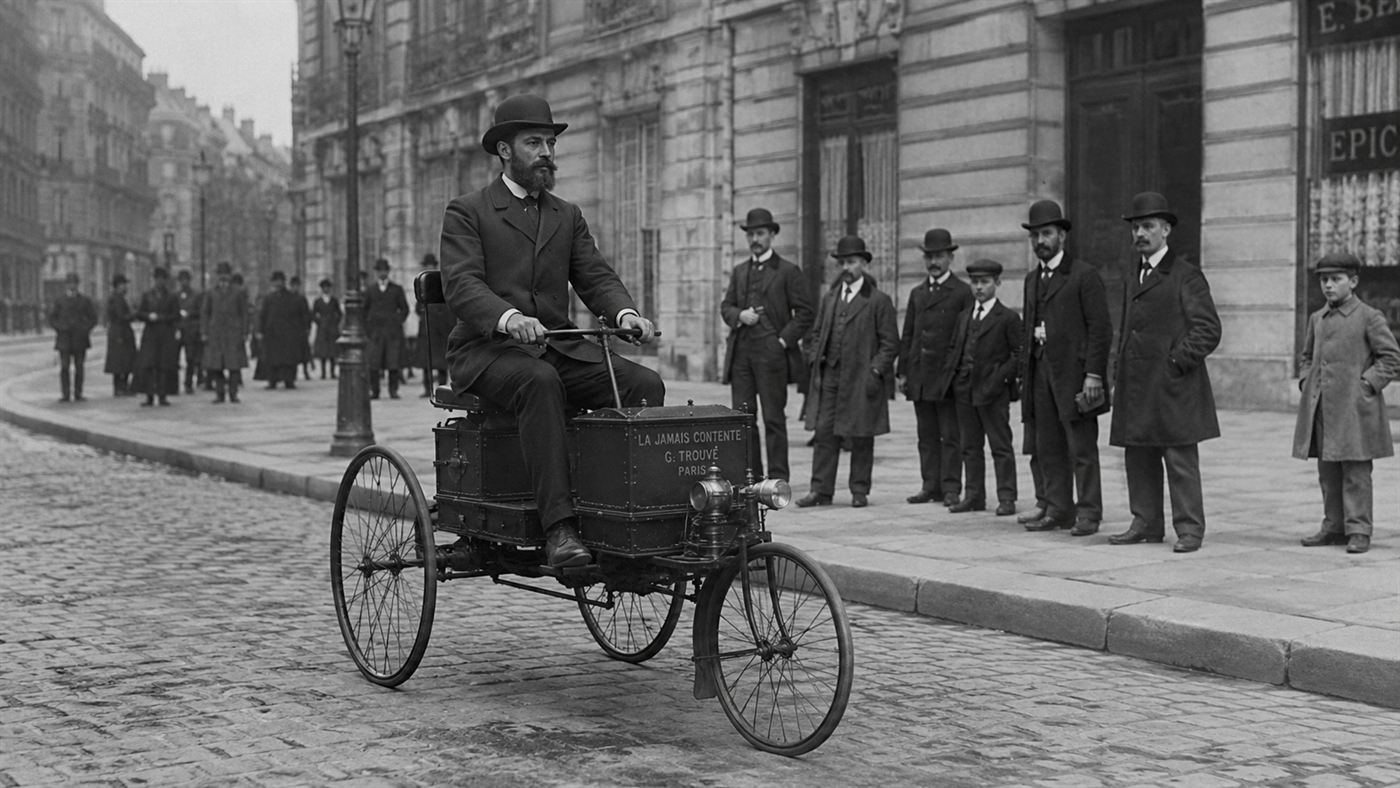
Related reading: The story goes back much further, to the very first electric vehicle, built in Paris in 1881.