A teardrop car on three wheels looked like the future in 1933, until one deadly crash and a cover-up turned it into a headline nobody would fund
Picture a car in the depths of the Great Depression that could carry eleven people, top ninety miles an hour, sip fuel and spin around in its own length. It existed, it drew gasping crowds, and then in a single afternoon it went from the shape of tomorrow to a machine no one dared touch.
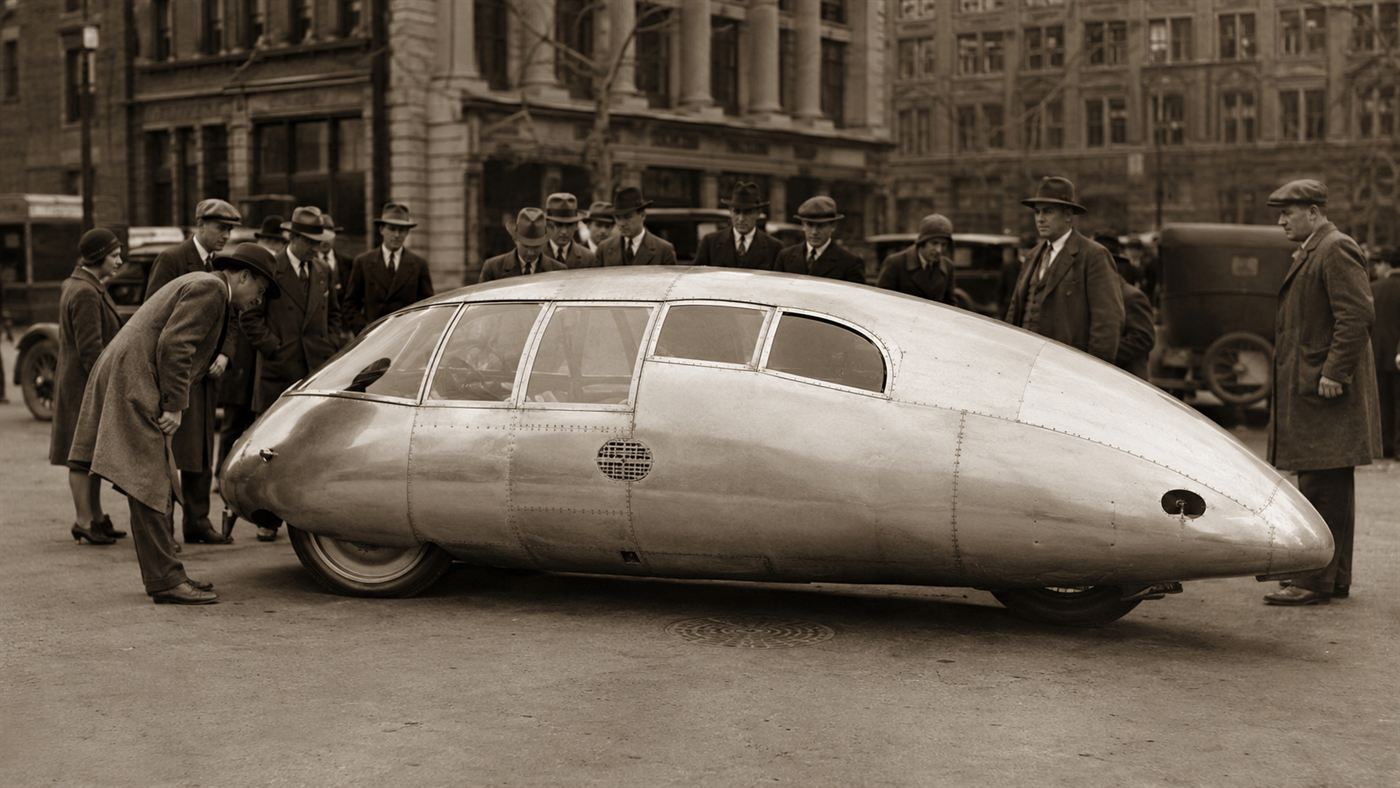
The Dymaxion car looked like nothing else on the road in 1933. Illustration: Watts & Wild.
In 1933, the inventor and thinker Buckminster Fuller unveiled a vehicle unlike anything on the American road. He called it the Dymaxion car, a made-up word he liked to stamp on his boldest ideas, and it looked as though it had rolled out of a science fiction magazine rather than a Depression-era workshop.
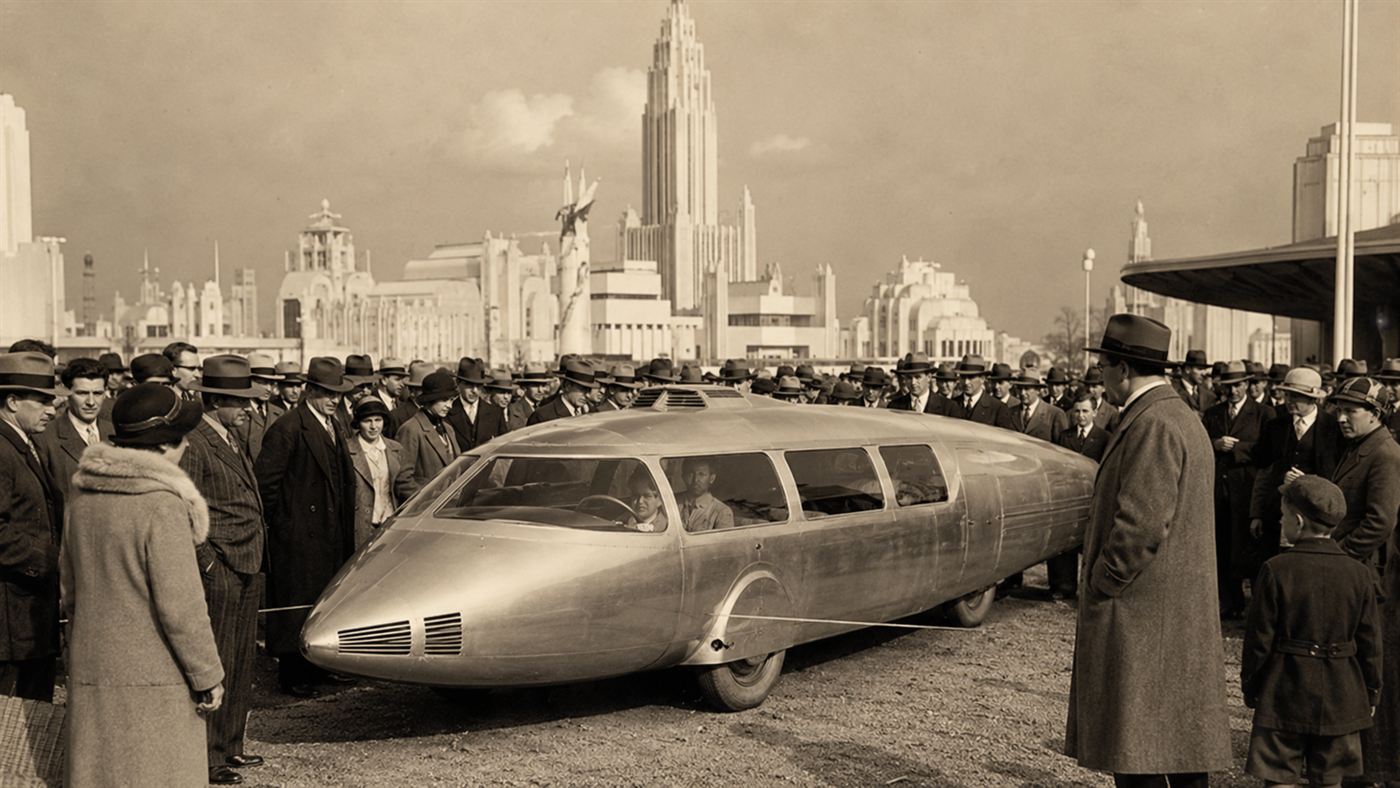
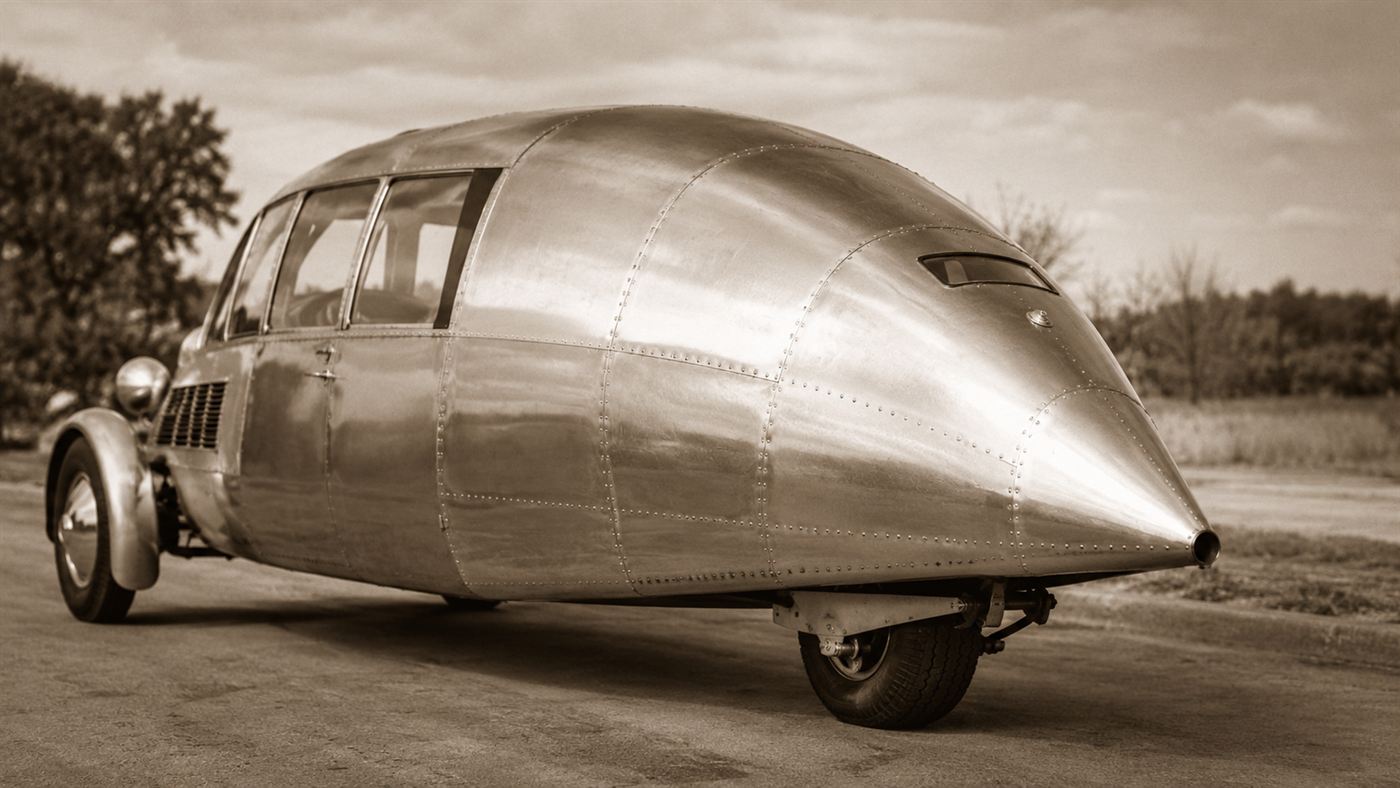
Nearly twenty feet long, it was a smooth silver teardrop of aluminium, and it rode on three wheels rather than four. Crowds gathered wherever it went, and for a brief, dazzling moment it seemed to promise that the car of the future had arrived years ahead of schedule.
The short version is that the Dymaxion car was a genuine marvel and a genuine mess at the same time, and what destroyed it was not really an engineering failure at all. It was a story that got told the wrong way.
A machine built like an aircraft
Fuller did not think of himself as a car designer. He dreamed of an "omni-medium transport" that might one day even fly, and the Dymaxion was his first rolling step toward it, borrowing ideas straight from aircraft. The long body was shaped to be aerodynamic at a time when most cars were upright boxes fighting the wind.
The layout was just as strange. It had two wheels at the front that drove and a single wheel at the back that steered, which let this huge vehicle pivot almost on the spot and slide into a parking space nose first. With its rounded, aerodynamic shell it could reach remarkable speeds on a modest engine, and it could seat a small crowd inside.
Why the Dymaxion car amazed everyone
For people used to slab-sided sedans, the Dymaxion car was witchcraft. The way it could turn in its own length looked impossible, and drivers demonstrated it by swinging the long body around in tight circles that left onlookers laughing in disbelief. It felt like a glimpse of a smarter, sleeker century.
It arrived, too, at the perfect stage. The country was hungry for visions of a brighter future during hard times, and a gleaming prototype that carried eleven people on three wheels was exactly the kind of wonder the 1933 Chicago World's Fair was built to show off. The Dymaxion became a star attraction.
The crash that changed everything
Then, near the fair in October 1933, one of the prototypes rolled over in a violent crash. The driver was killed and the passengers were badly hurt, and the newspapers had their headline the next morning: the strange three-wheeled car of the future had turned deadly.
The trouble was that the story was not true, or at least not the whole truth. Investigators found that another car had been involved, apparently colliding with or crowding the Dymaxion just before it went over. That other vehicle, it emerged, was carrying an important official, and it was quietly kept out of the public account.
Who really killed the Dymaxion car?
By the time the fuller picture came out, the damage was done. The image fixed in the public mind was of a bizarre contraption that flipped and killed its driver, and no amount of quiet clarification could scrub that away. Nervous backers melted away, and without money the project could not go on.
Only three Dymaxion cars were ever built, and just one original survives today, sitting in a museum as a beautiful what-if. Fuller had lost his driver, his funding and his moment, all to a version of events that pinned a death on his design when another car may well have caused it.
The honest catch
It is a perfect martyr story: a visionary machine struck down by a lie and a cover-up. Most of that is fair, but honesty asks for two footnotes. The Dymaxion car was not the innocent it is sometimes painted, because that single rear steering wheel really did make it skittish, sensitive to crosswinds and hard to control at speed. It was a brilliant prototype, not a finished, safe car.
And Buckminster Fuller himself was a spinner of grand promises, a man who sold domes, houses and maps as answers to humanity's problems, many of which never scaled. The Dymaxion deserves rescuing from the false headline that a death was simply its fault. But it is fairer still to remember it as what it truly was, a dazzling, flawed experiment that was killed by a story, and would have needed a great deal more work to survive even without one.
A car that could seat eleven and spin on the spot was buried by a headline about a crash it may not have caused. Should we blame the reporters, the cover-up, or the risky design itself for killing the Dymaxion? Tell us what you think in the comments.
Related reading: the Tucker 48, another visionary car crushed before it could get going. See also the Spruce Goose, a giant dream that flew only once, and the Stanley Steamer that went too fast for its own good. See also the Aerocar, a flying car that actually flew and still could not win a market.