The tuatara looks like an ordinary lizard, but it is really the last survivor of a reptile dynasty older than the dinosaurs, and it still wears a third eye on its head
On a handful of windswept islands off New Zealand lives a creature that should not really still be here. The tuatara is the final member of a group of reptiles that watched the dinosaurs rise and fall, and it has been quietly outlasting extinction ever since.
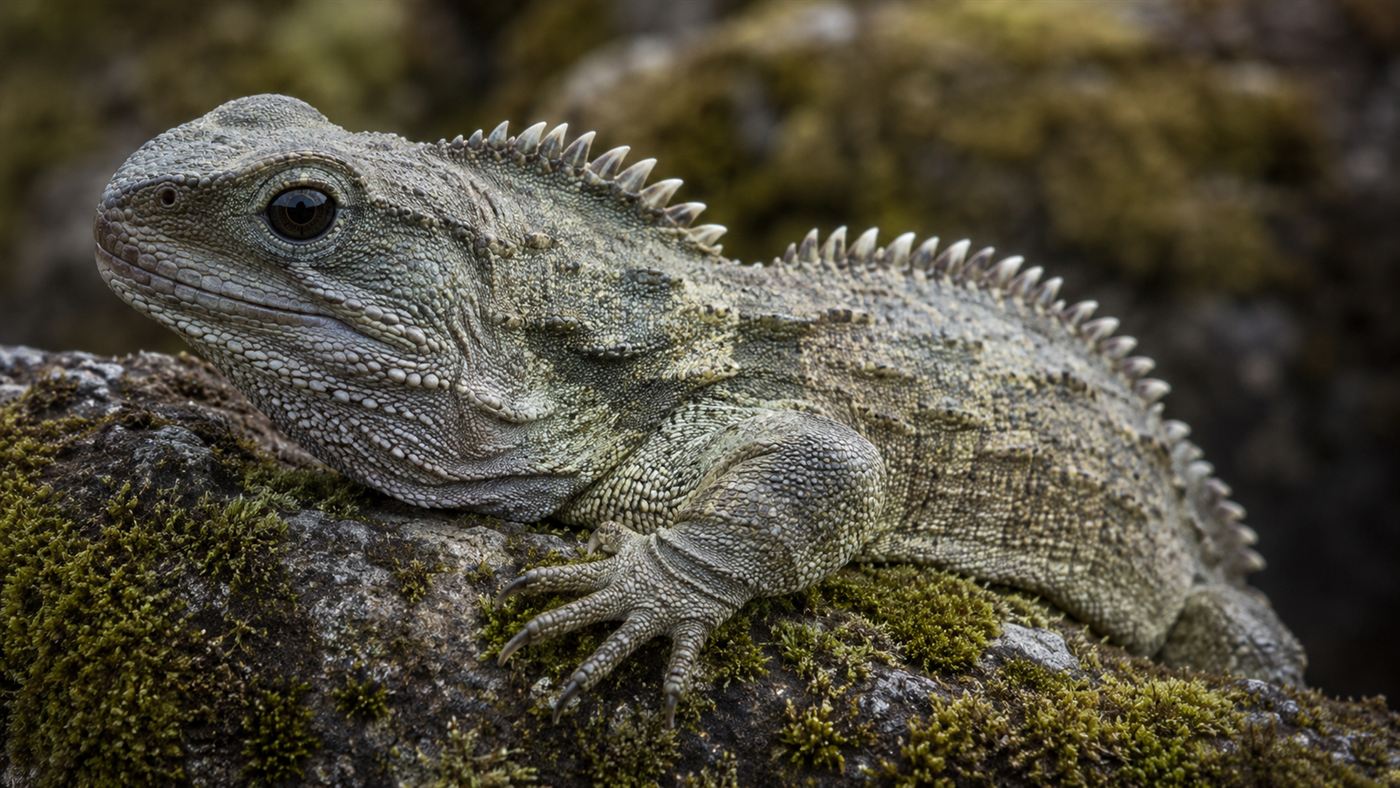
The tuatara looks like a lizard but belongs to a far older, separate branch of reptiles. Illustration: Watts & Wild.
If you saw one basking on a rock, you would probably call it a lizard and walk on. It has the scaly skin, the low-slung body, the watchful eye. But you would be looking at something much stranger and much older, a living relic whose family tree runs back past the age of dinosaurs to a world we can barely imagine.
The tuatara is often called a living fossil, and while that phrase needs some care, the wonder behind it is real. This is the last representative of an entire order of reptiles that has otherwise been gone for tens of millions of years. To meet one is to shake hands, in a sense, with the Mesozoic itself.
The short version: The tuatara is a reptile found only in New Zealand. Despite looking like a lizard, it is the sole living member of an ancient order, Rhynchocephalia, that arose about 250 million years ago. It has a light-sensing third eye on top of its head, the lowest metabolism of any reptile, and can live well past 100 years, and it survives today mainly thanks to intensive conservation.
Not a lizard at all
The most important thing to know about the tuatara is that it is not a lizard, despite the resemblance. As Wikipedia explains, it is the only surviving member of the order Rhynchocephalia, a once-diverse group of reptiles that originated around 250 million years ago. Lizards and snakes belong to a completely different branch. The tuatara's closest relatives are not the reptiles alive today but creatures that vanished with the dinosaurs.
It is found only in New Zealand, and its name comes from the Māori language, meaning roughly peaks on the back, a nod to the spiny crest that runs along its spine. For the Māori it is a taonga, a treasure, and something of a guardian. To biologists, it is one of the most evolutionarily precious animals on Earth, the last twig of a branch that was once a whole forest.
A window into the age of dinosaurs
What makes the tuatara so scientifically valuable is that it has kept so many ancient features that its long-extinct relatives once shared. Its skull and skeleton preserve a primitive design, and it even has an unusual double row of teeth in the upper jaw that overlaps a single row below, giving it a distinctive sawing bite. Those teeth are not separate structures but are fused directly to the jaw.
It is also built for the cold in a way most reptiles are not. The tuatara stays active at temperatures that would send other reptiles into sluggish retreat, thriving in New Zealand's cool, damp climate. In its body and its habits, it offers scientists a rare living glimpse of what reptile life may have been like in the deep past, long before mammals rose to rule the world.
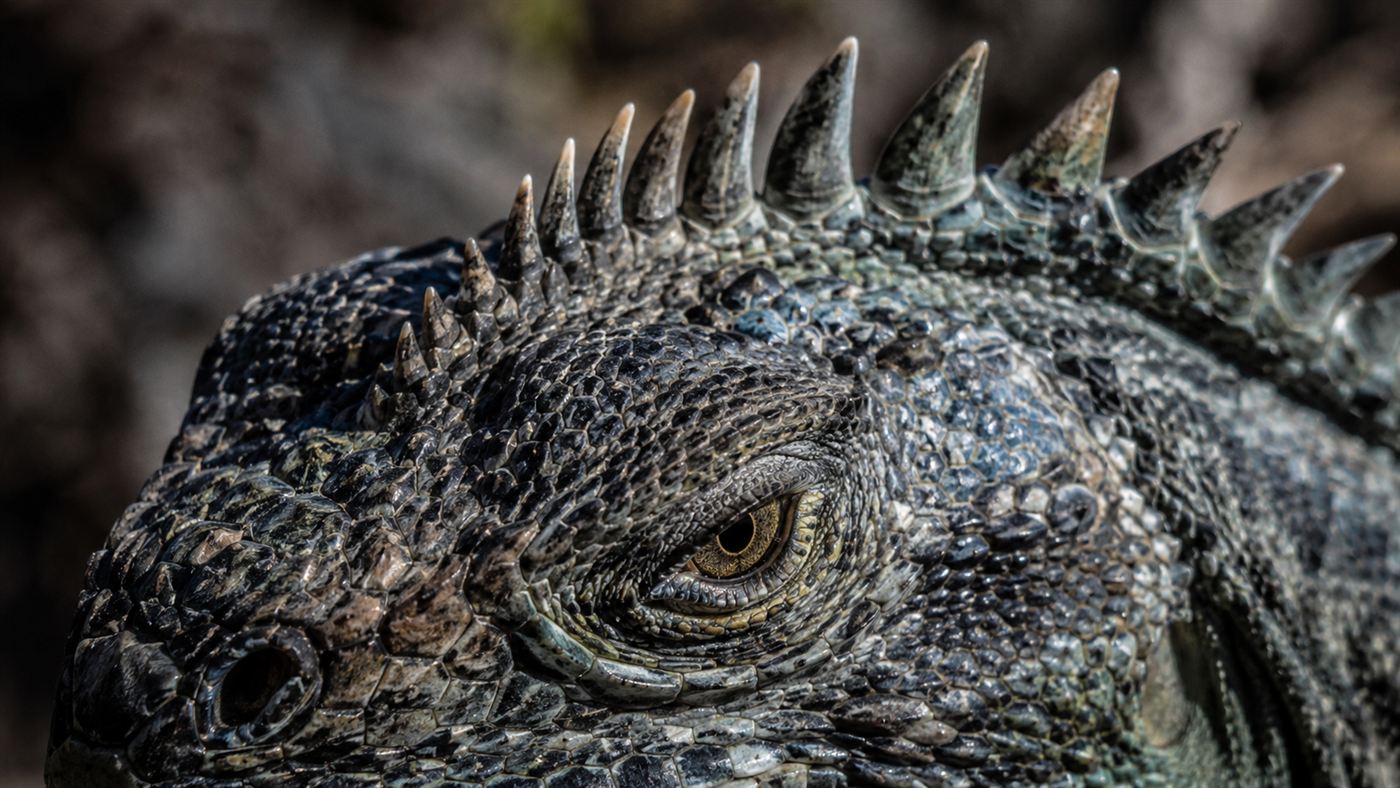
The tuatara's third eye
Perhaps the strangest feature of all sits on the top of the tuatara's head. It has what is known as a parietal eye, a genuine third eye complete with a rudimentary lens, retina and nerve connection to the brain. In newly hatched tuatara it is clearly visible as a small pale spot, before scales grow over it as the animal ages.
As New Zealand's Science Learning Hub notes, this third eye is light-sensitive and is thought to help regulate the tuatara's daily and seasonal rhythms, telling it when to bask and helping with the timing of its slow, seasonal life. It does not see images the way the animal's two main eyes do. But it is a real, working sense organ, a soft reminder that evolution has tried out far stranger designs than the ones we take for granted.
Life in the slow lane
The tuatara does everything unhurriedly. It has the lowest metabolic rate of any reptile, a slow inner clock that lets it live for an extraordinarily long time. Individuals routinely pass the century mark, and they keep growing slowly for decades. Famously, a male tuatara named Henry at a New Zealand museum became a father at the age of around 111, dispelling any idea that great age meant the end of vigour.
That glacial pace is a marvel, but it comes at a price. Tuatara grow slowly, mature late, and females may breed only once every few years. A life measured in centuries is beautiful when times are good, but it means that when a population crashes, it can take a very, very long time to recover, if it recovers at all.
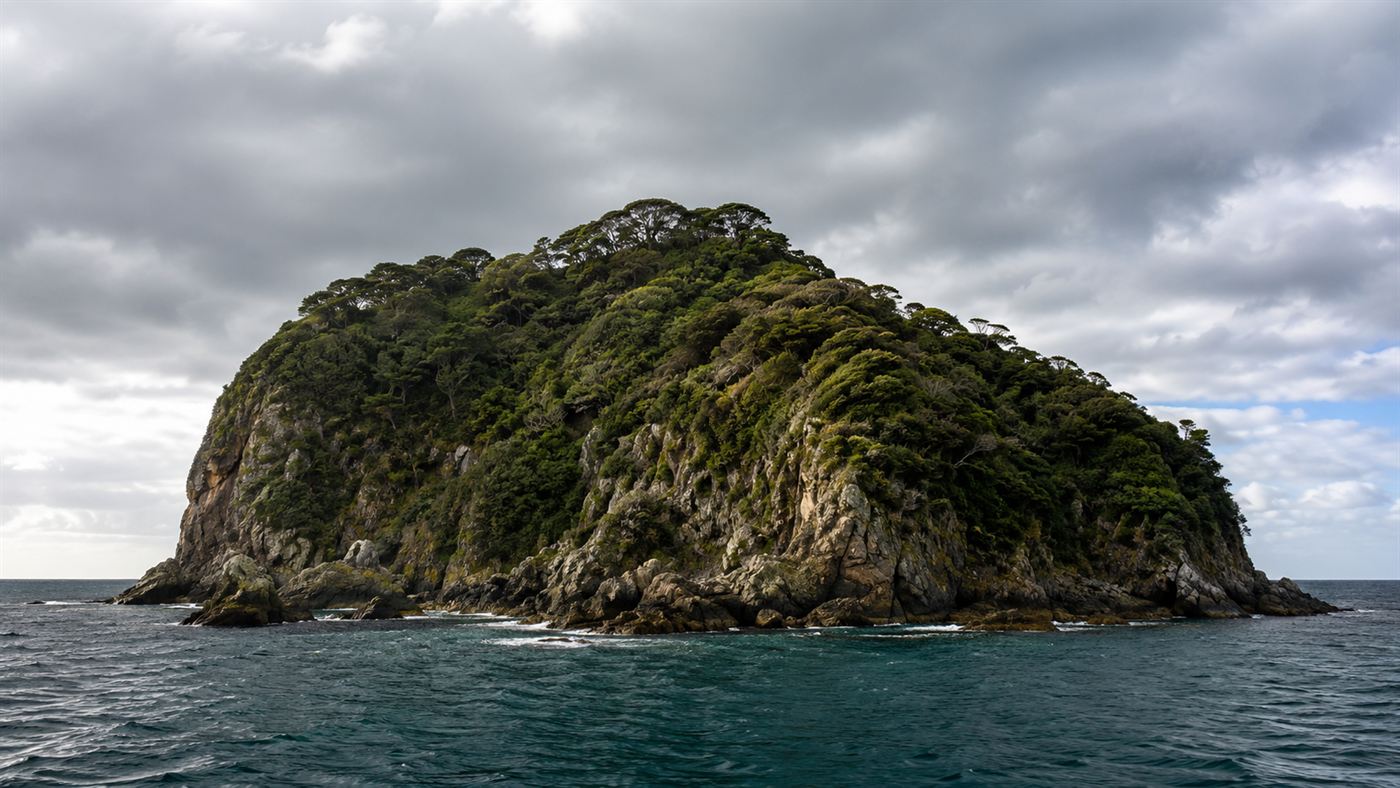
Saved on a few islands
For all its ancient toughness, the tuatara nearly did not make it into our century. It once lived across mainland New Zealand, but the arrival of humans and the rats, stoats and other predators that came with them wiped it out on the main islands. It survived only on a scattering of small offshore islands that predators had never reached.
Its survival today is very much a human project. Conservationists have cleared predators from islands, moved tuatara to safe new homes, and in fenced mainland sanctuaries have even brought them back to the mainland after an absence of around two centuries. The species that outlasted the dinosaurs now depends, in the end, on people choosing to protect it, a humbling thought about how fragile even the most ancient survivor can be.
The honest catch
The phrase living fossil is irresistible, but it deserves a careful correction, because it is a little misleading. The tuatara has not stopped evolving and is not literally unchanged since the dinosaurs. In fact, studies of its DNA have found it evolves at the molecular level surprisingly fast. What it has kept is an ancient body plan and lineage, not a frozen, changeless existence. It is a survivor, not a statue.
A couple of other clarifications matter. The third eye is a real light sensor, but it is not a mysterious extra pair of vision or anything psychic, and in adults it is hidden beneath scales. And while it is tempting to think a creature that survived 250 million years must be indestructible, the opposite is closer to the truth. Its slow breeding, its vulnerability to introduced predators, and even the fact that the temperature of its nests helps decide the sex of its young, which a warming climate could dangerously skew, all leave it more fragile than its long history suggests. The tuatara is a genuine wonder from the deep past, but it is here today not because it cannot be beaten, only because, so far, we have chosen to help it hang on.
A creature that watched the dinosaurs come and go now clings to life on a few small islands, kept there by human hands. Does an animal this ancient and this rare deserve a special claim on our care, or is every threatened species equally worth saving? Tell us what you think in the comments.
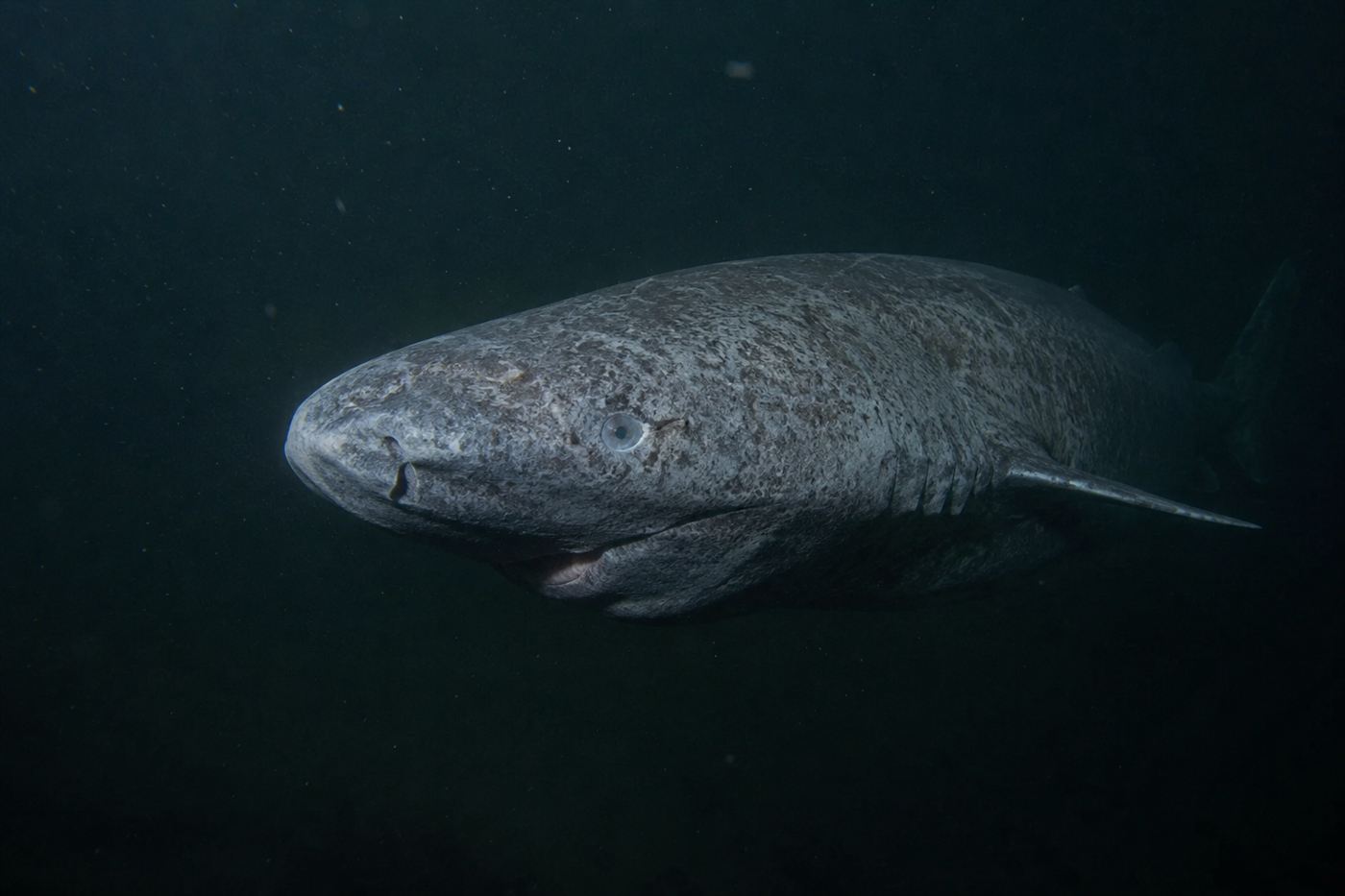
Related reading: the Wollemi pine, a dinosaur-age tree found still alive in a hidden gorge, or the glass frog, which turns transparent by hiding its own blood. Meet another ancient survivor, the Greenland shark, the longest-living vertebrate on Earth.
More from Watts & Wild
More in Energy & the Wild →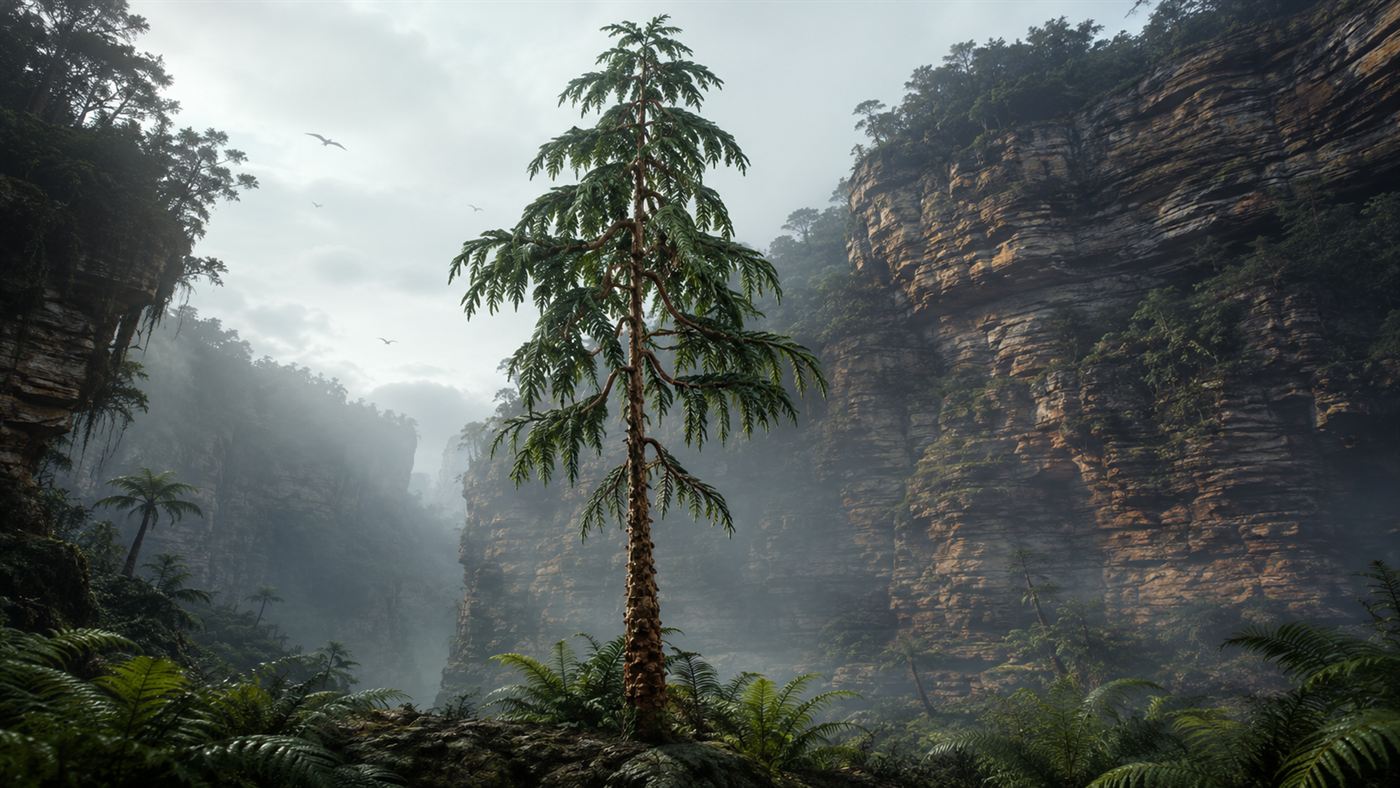


Maria writes about wildlife, ecology, and the strange places where nature and human history collide. She is based in Brazil.