The Franklin tree has not been seen growing wild since 1803, yet it still blooms in gardens around the world, because one colonial botanist carried its seeds home in time
Somewhere in a garden near you, there may be a small tree with fragrant white flowers that no longer exists in the wild anywhere on Earth. The Franklin tree is alive today for one reason only, that someone thought to gather its seeds before it vanished.
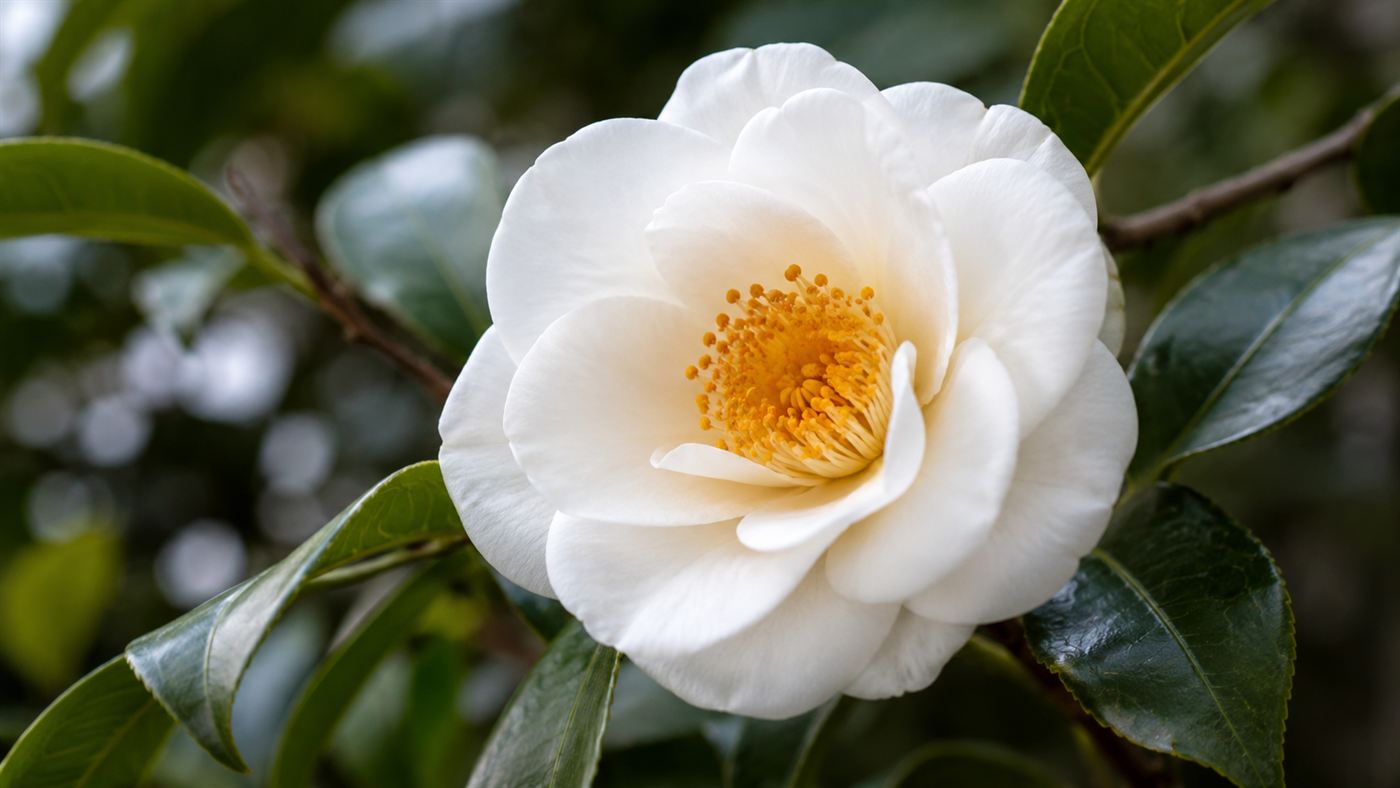
The Franklin tree's fragrant white blooms survive only in cultivation. Illustration: Watts & Wild.
We think of extinction as final, a door that closes and stays shut. But there is a stranger, in-between state that a handful of species live in, gone from the wild yet still alive in human care. The most famous example in America is a modest flowering tree with a presidential name, and its story is equal parts triumph and quiet heartbreak.
The Franklin tree was found growing wild in just one place, seen there for only a few decades, and never seen wild again. Everything about it today, every specimen in every garden and arboretum, exists because of a single fortunate act of collection in colonial Georgia. It is often called America's first rare plant, and it is one of the clearest reminders that sometimes the only thing standing between a species and oblivion is a person who cared enough to save it.
The short version: The Franklin tree, Franklinia alatamaha, was discovered along Georgia's Altamaha River in 1765 and named for Benjamin Franklin. It was last seen in the wild in 1803 and is now extinct in nature. Every Franklin tree alive descends from seeds the Bartram family collected and grew in Philadelphia, so the species survives only in cultivation.
A tree found only once
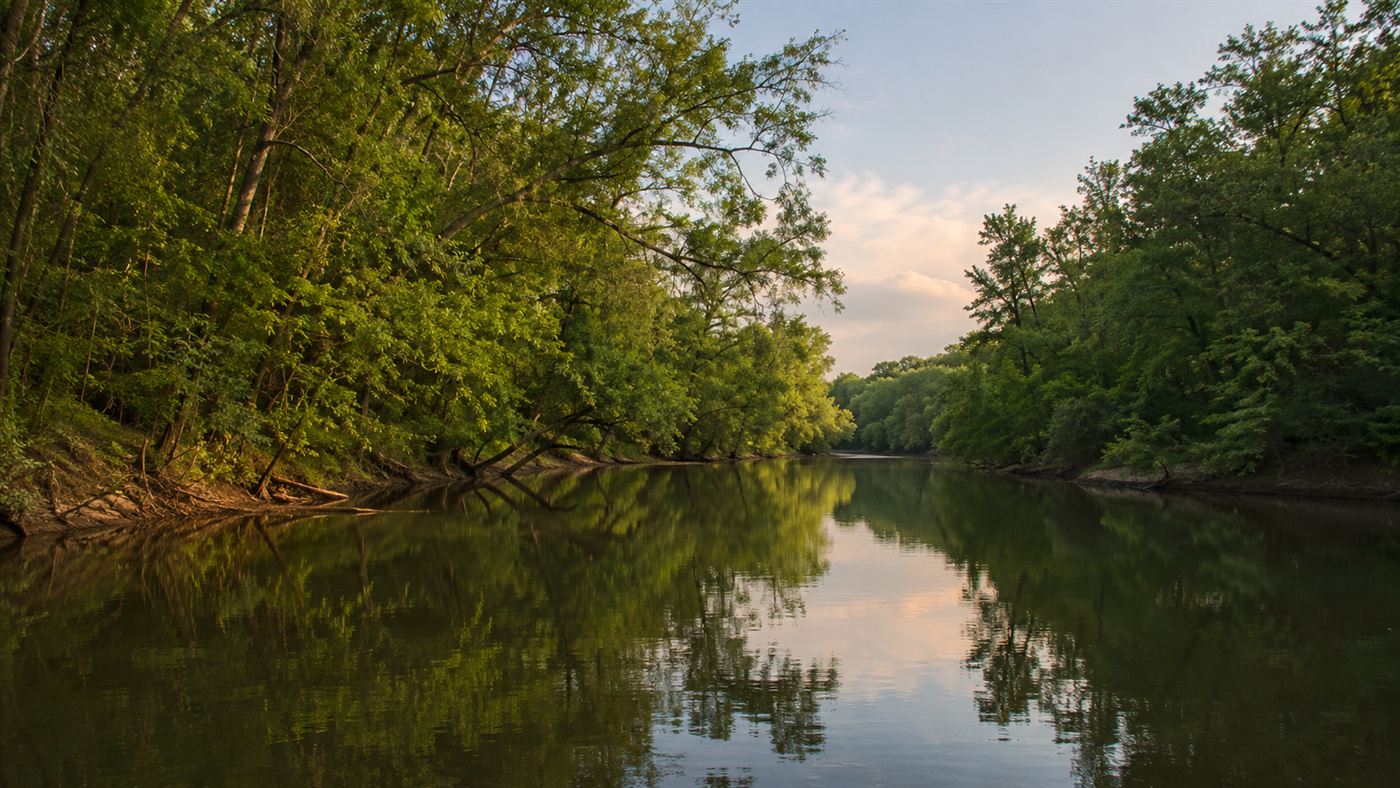
In 1765, the colonial botanists John Bartram and his son William were exploring the banks of the Altamaha River near Darien, in Georgia, when they came upon a grove of small trees they had never seen before. It grew in only a few acres of ground, a tiny patch of the world, and as far as anyone would ever discover, it grew nowhere else on the planet.
The Bartrams were the leading naturalists of early America, and they knew they had found something special. William in particular was captivated by the tree, returning years later to study it and to gather its seeds. What neither of them could have known was how narrow the window was, and that their curiosity would turn out to be the only thing that kept the species alive.
Named for a famous friend
The Bartrams gave their discovery a fittingly grand name. They called it Franklinia alatamaha, honoring both their close friend Benjamin Franklin and the river beside which they had found it, the species name being their own spelling of the Altamaha. It was a rare tribute, a whole genus of plant named for a founding father who was also a keen lover of science and nature.
Crucially, the Bartrams did not just admire the tree and leave. They took seeds and young plants back to their botanical garden in Philadelphia and successfully raised them there. That garden still exists today, and it is no exaggeration to say that it became the ark from which every future Franklin tree would descend.
Gone from the wild
For a few decades the tree could still be found along the Altamaha. Then it began to slip away. As the New Georgia Encyclopedia records, the Franklin tree was last seen in the wild in 1803, by a plant collector, and has never been found there since.
Botanists have gone back to McIntosh County again and again over two centuries, searching the riverbanks for any surviving wild specimen, and they have found nothing. The species is classed as extinct in the wild. The little grove the Bartrams stumbled on was, it turned out, the last stand of a tree that was already quietly on its way out, and the wild Franklin tree is now gone for good.
Why the Franklin tree vanished
Why the Franklin tree disappeared so completely remains a genuine mystery, and that uncertainty is part of what makes it so haunting. The leading idea is disease. Some researchers suspect a fungal pathogen, possibly one spread across the southern landscape by the growth of cotton farming, attacked the trees in their only home and finished off a population that was already tiny and vulnerable.
Other explanations may have played a part too, including habitat disturbance, flooding along the river, and simple over-collection by plant hunters eager for such a prize. Most likely it was some combination, striking a species that existed in only a few acres and so had no reserves to fall back on. A plant with such a minuscule natural range is a candle in the wind, and something, we may never know exactly what, finally blew it out.
Alive only because someone saved it
Here is the redeeming half of the story. Because the Bartrams had carried its seeds to Philadelphia, the Franklin tree never actually died out. As Bartram's Garden explains, every Franklin tree in the world today is a descendant of the plants the Bartrams propagated, grown and shared and replanted across more than two centuries.
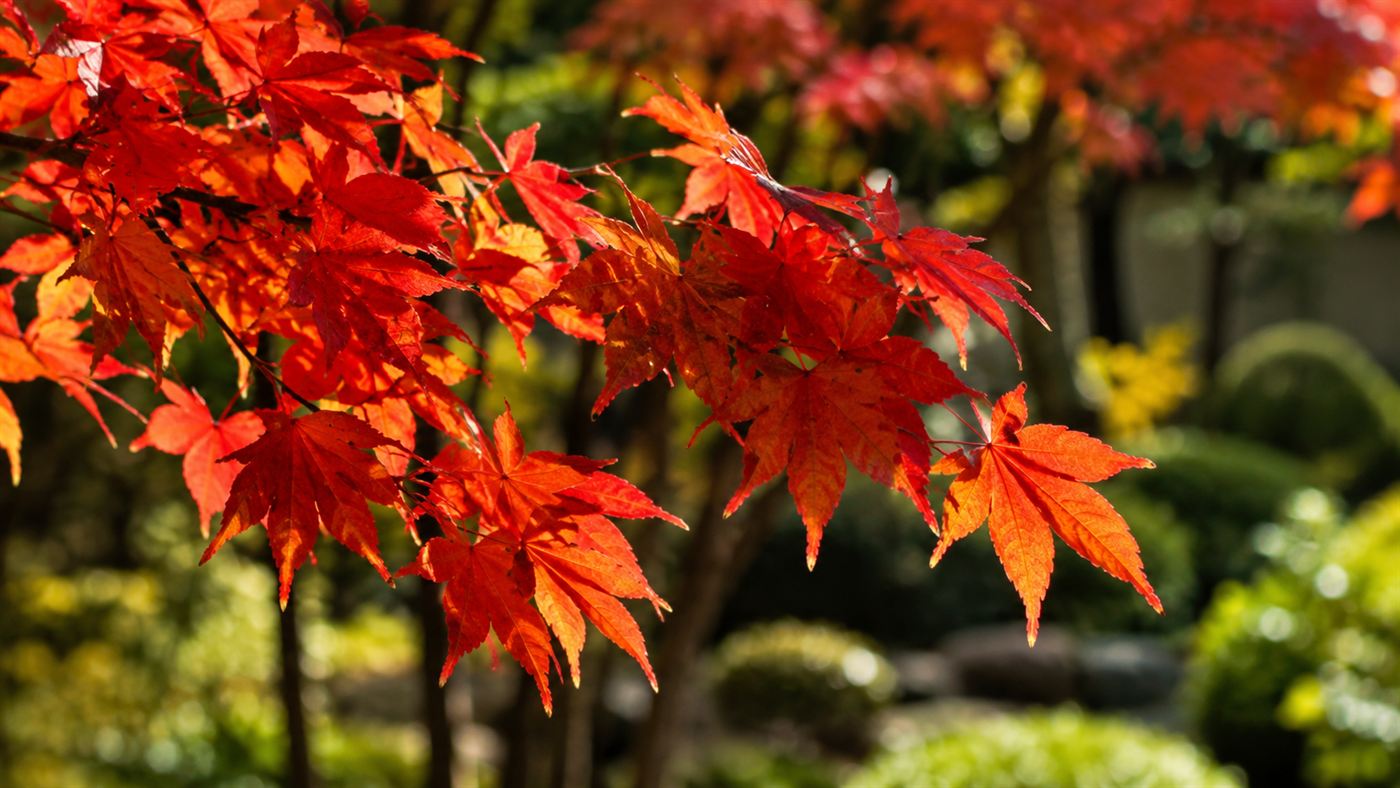
Gardeners came to love it for its glossy leaves, its fragrant white summer flowers like small camellias, and its blazing red foliage in autumn. Today you can find Franklin trees in arboretums and backyards on several continents, all of them, in a sense, cousins. It is widely regarded as the first plant that Americans knowingly rescued from extinction, a living monument to the simple, powerful idea that a species can be preserved by human hands.
The honest catch
It is a lovely story, but it deserves an honest edge, because saved is not the same as safe. Every Franklin tree alive descends from that one small collection, which means the entire species carries very little genetic diversity. That makes it fragile in ways we cannot easily fix, and it is one big reason the tree has never been successfully re-established in the wild. A species preserved as a garden ornament is surviving, but it is not truly living the way it once did.
There are other honest notes. We still do not actually know what killed it, so the tidy disease story is a strong guess, not a proven fact. The tree is also famously finicky in cultivation, prone to root rot and hard to grow well, so even its garden survival takes real effort. And while its rescue was a genuine triumph, it was also a piece of luck that happened to involve the right people at the right moment, not a repeatable plan. The Franklin tree is both a hopeful proof that we can save what we choose to, and a quiet warning about everything we might lose while looking the other way. It survives, beautiful and cared for, and it can never go home.
A tree that no longer grows anywhere in the wild still blooms in gardens, saved by one family's curiosity. Is a species that survives only in cultivation truly saved, or only preserved, and does the difference matter? Tell us what you think in the comments.
Related reading: the Xerces blue butterfly, an American species we saved seeds of too late.
More from Watts & Wild
More in Energy & the Wild →

Maria writes about wildlife, ecology, and the strange places where nature and human history collide. She is based in Brazil.