A slow, nearly blind fish in the Arctic Ocean turned out to be the oldest animal with a backbone on Earth, and some Greenland sharks alive today were born before Isaac Newton
The Greenland shark is a giant, sluggish predator of the deep, freezing north. In 2016 scientists dated one to nearly 400 years old, making it the longest-living vertebrate ever found. Some of the sharks cruising the Arctic right now were alive in the 1600s.
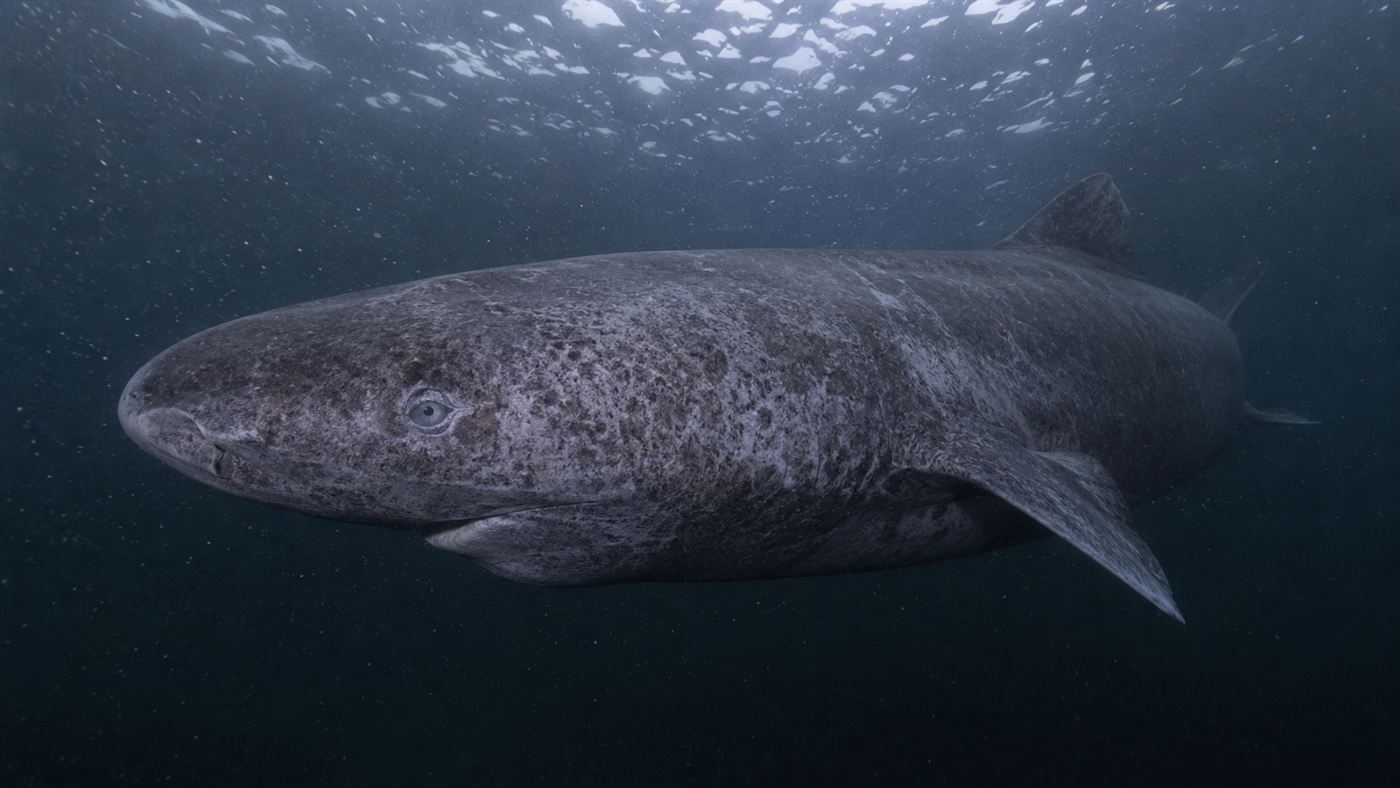
The Greenland shark drifts through the cold and the dark, in no hurry at all. Illustration: Watts & Wild.
The Greenland shark does everything slowly. It cruises the black, near-freezing water of the deep north at a pace a person could out-walk, it grows about a centimeter a year, and it does not even bother to reproduce until it is around 150 years old. For a long time nobody realized that this unhurried life was hiding a staggering secret, until researchers found a way to read the animal's true age and discovered they were looking at the oldest backboned creature science has ever measured.
In 2016, a team led by biologist Julius Nielsen published a study in the journal Science that stunned even the people who study these animals. As reported when the paper appeared, radiocarbon dating of the sharks' eyes put the largest female at roughly 392 years old, with a range that stretched from 272 to over 500 years. In other words, a fish swimming in the sea today may have been born while the Pilgrims were still a recent memory.
The Greenland shark (Somniosus microcephalus) is a large, slow-moving deep-sea shark of the Arctic Ocean and North Atlantic. Radiocarbon dating of its eye lenses suggests ages of at least 272 years and possibly around 400, which makes it the longest-living vertebrate known to science, older even than the bowhead whale.
What is the Greenland shark?
It is a heavyset, mud-colored giant that can grow past five meters and weigh more than 400 kilograms, built for a life almost no other large shark can stand. It lives in the Arctic Ocean and the cold North Atlantic, often far down in water hovering near the freezing point, and it moves so lazily that it earned the nickname "sleeper shark." Somniosus microcephalus roughly means "sleepy small-head," which tells you how it struck the naturalists who named it.
And yet this sluggish animal is a real predator. Divers and fishermen have pulled Greenland sharks from the water with the remains of seals in their stomachs, along with fish and scavenged carcasses. How something this slow catches a fast, wary seal is still debated, with one idea being that it ambushes them while they sleep in the water. Whatever the trick, Somniosus microcephalus is no gentle drifter, even if it looks like one.
How do you tell the age of a Greenland shark?
This is where the story turns clever. Most fish are aged by counting growth rings in hard tissues like ear bones, but the Greenland shark has no such structures to read. So the researchers turned to the one part of the body that keeps a perfect record: the eye. As the Smithsonian has explained, the center of the eye lens forms before the animal is born and never changes afterward, so its chemistry is a time capsule from the year of birth.
By applying radiocarbon dating to the lens cores of 28 female sharks, the team could estimate how long ago each was born. The method leans on a grim helper: the nuclear bomb tests of the 1950s left a spike of carbon-14 in the ocean, so any shark young enough to carry that signature could be pinned down, anchoring the whole scale. The radiocarbon dating had wide error bars, but even the low end was extraordinary, and the technique has since been eyed for other slow, ringless species.
Born before the United States
Sit with the numbers for a moment. If the oldest sharks are near 400 years old, then animals hunting in the Arctic Ocean this week were born before the United States existed, before the steam engine, before Newton published his laws of motion. The longest-living vertebrate we know of has lived through the entire modern history of our species, and it did it by taking everything slowly.
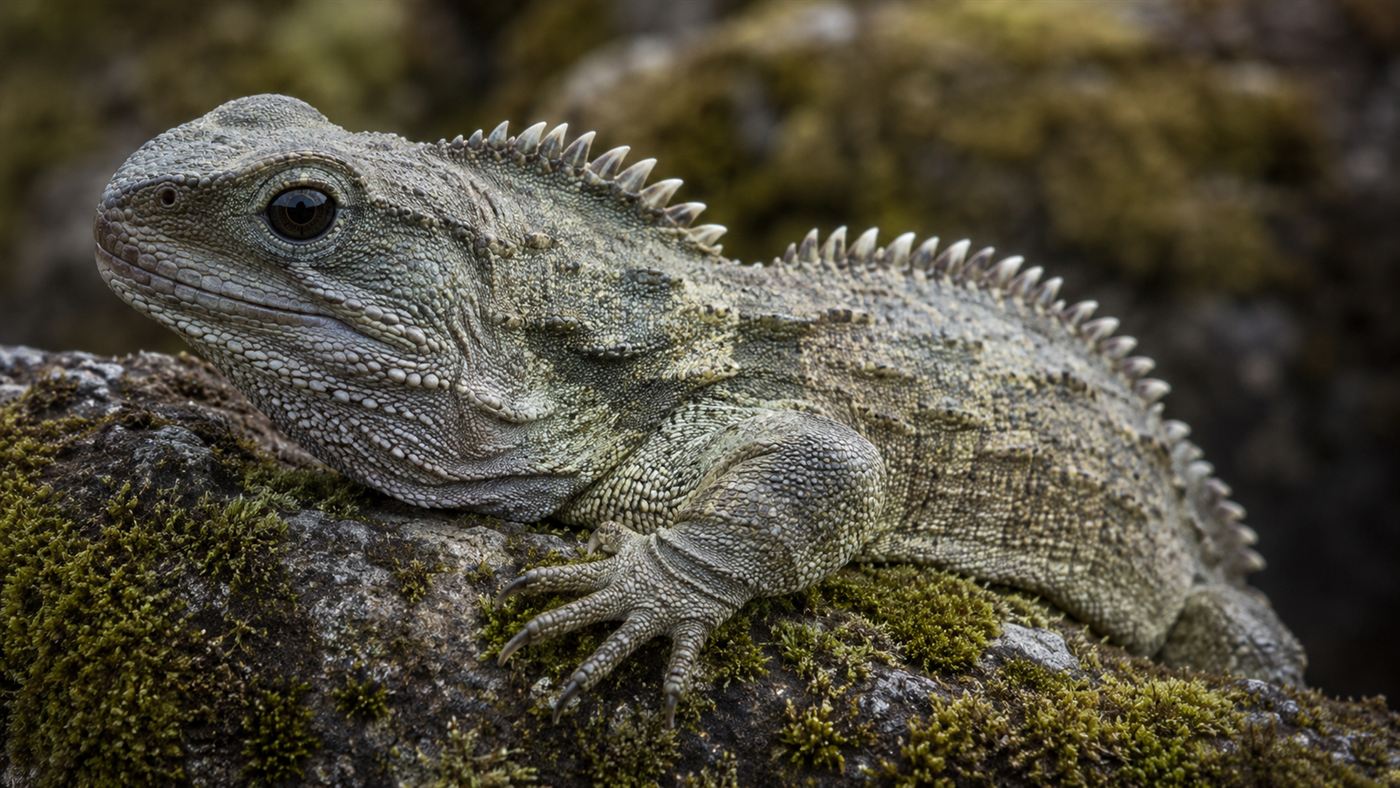
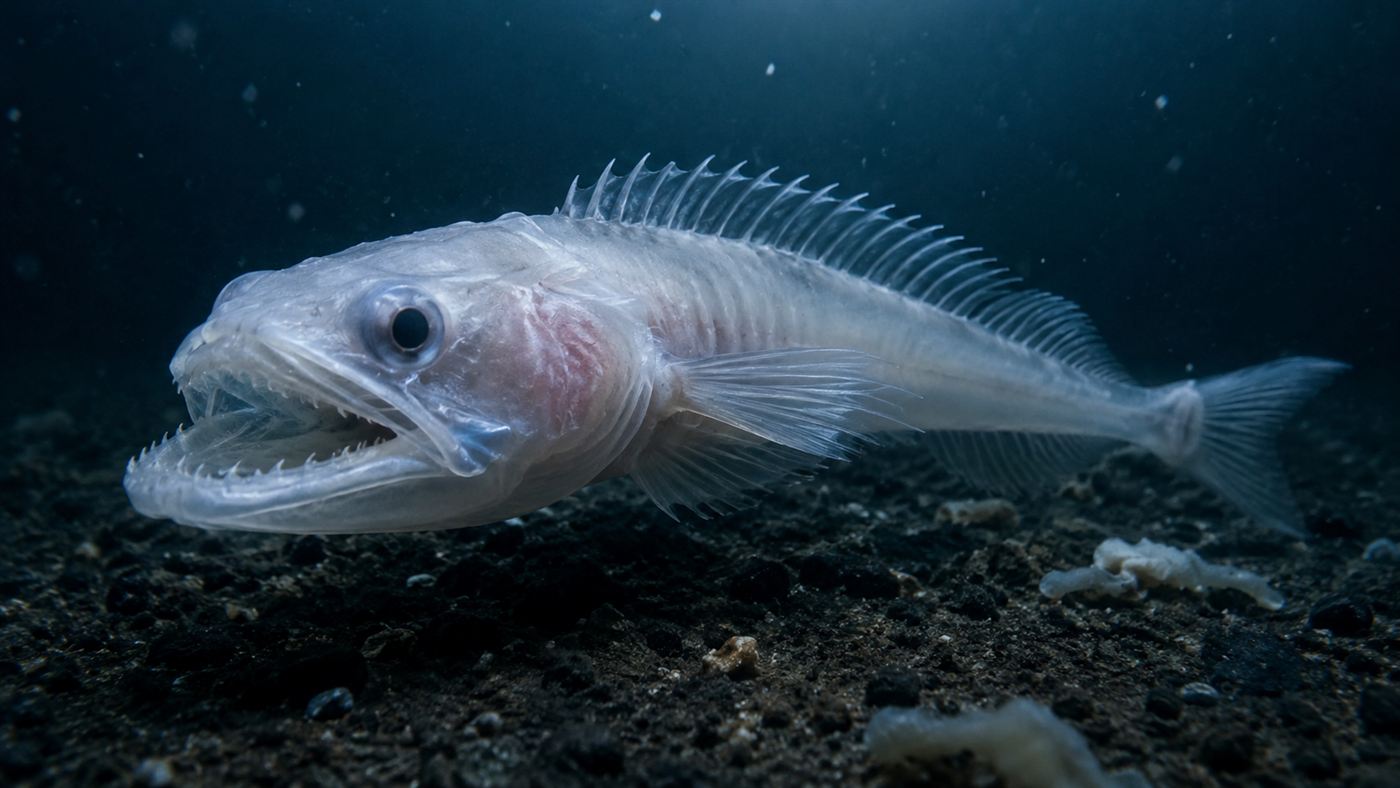
That extreme patience is the whole strategy. Growing a centimeter a year and maturing at around 150 buys a metabolism turned almost all the way down in the cold, and a life measured in centuries. It makes the celebrated ages of a tuatara or the deep chill tricks of an Antarctic icefish look modest, and it puts the Greenland shark in a rare club of animals that seem to cheat time.
Toxic flesh and drunk sled dogs
Being ancient is not even the strangest thing about this animal. Its flesh is poisonous when fresh, loaded with a compound called TMAO that helps its body cope with cold and pressure but breaks down into toxins when eaten. Sled dogs fed raw Greenland shark have been seen to stagger as if drunk, and people react badly too.
So how is it a traditional food in Iceland? By taming the poison with time and patience, fittingly. The meat is buried and pressed for weeks, then hung to dry for months, until it becomes hakarl, a pungent fermented delicacy that famously reduces first-time tasters to watering eyes. It is a reminder that this shark, native to the Arctic Ocean, has been woven into human life at the edge of the ice for a very long time.
The shark that barely sees
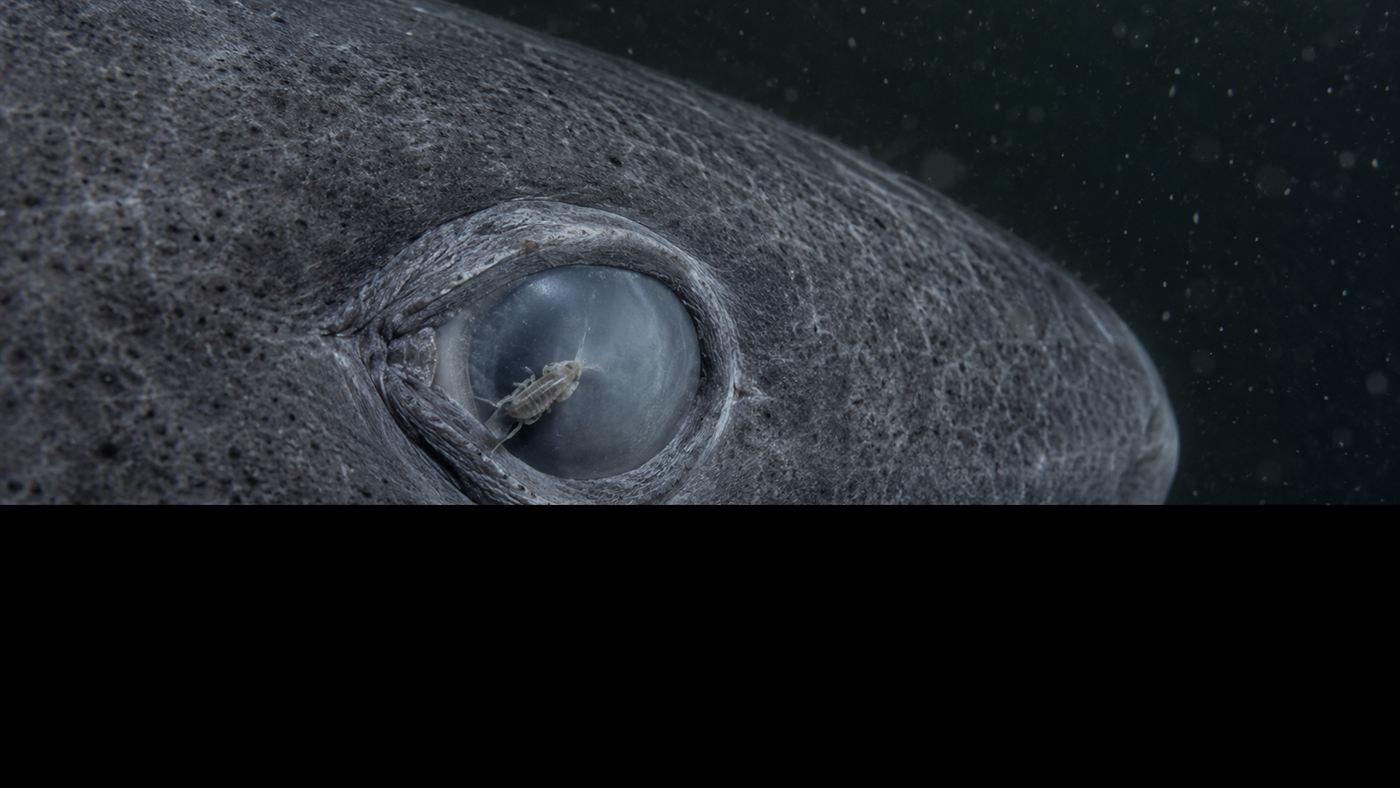
Here is the final twist. Most Greenland sharks are nearly blind, and by their own bad luck. A parasitic copepod called Ommatokoita elongata latches onto the cornea of the eye and dangles there for life, clouding the shark's vision. Picture the longest-living vertebrate on Earth swimming through the dark with a crustacean hanging off each eye.
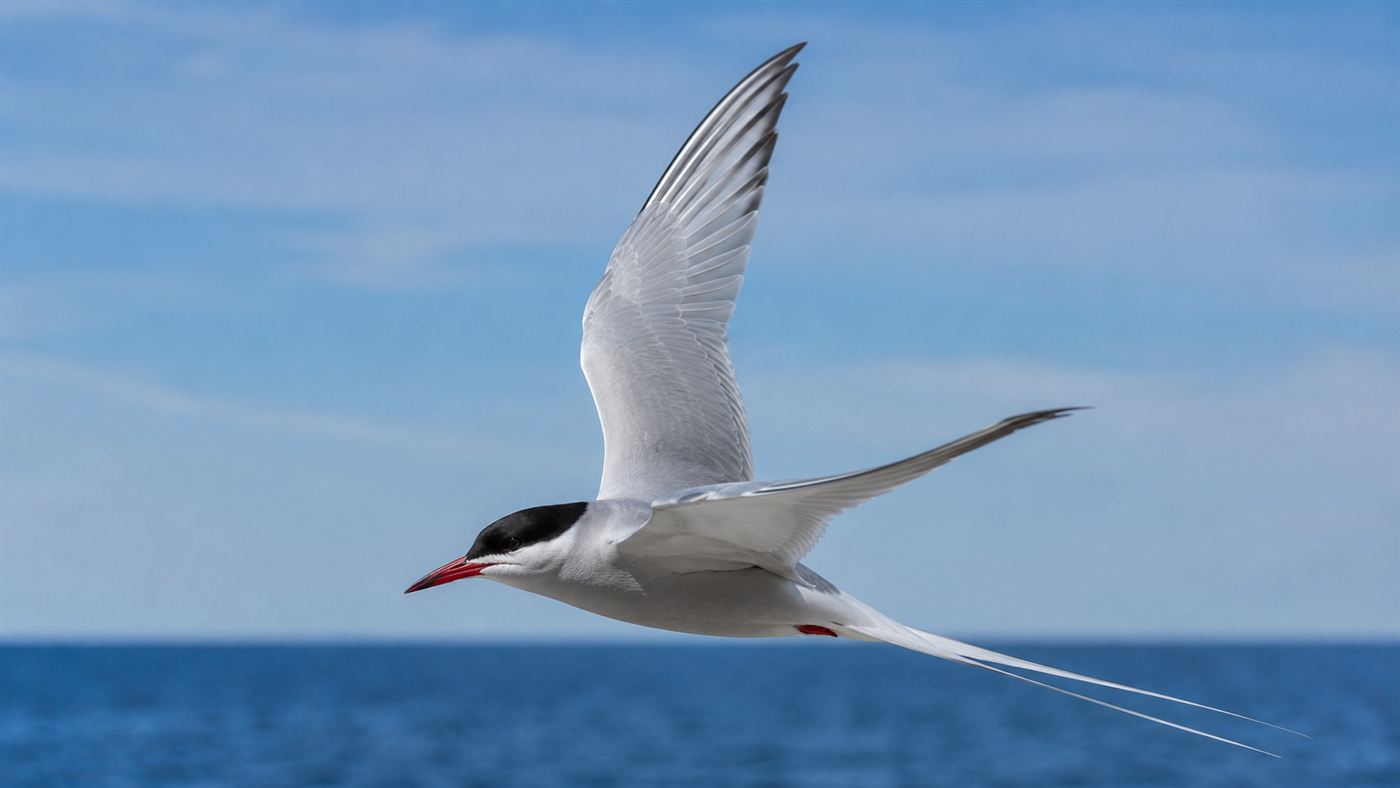
It barely matters. Down in the lightless deep where Somniosus microcephalus spends most of its time, eyes are close to useless anyway, and the shark leans on smell and on sensing tiny movements in the water. A recent effort to sequence the Greenland shark's genome is now hunting for the genetic tricks behind its centuries-long life, in the hope that a half-blind, slow, toxic fish might teach us something about how aging works. Its senses are a world apart from the star-reading dung beetle or the magnetic compass of migrating birds, but they are tuned perfectly to the dark.
The honest catch
The eye-catching numbers come with real caveats. Radiocarbon dating of eye lenses is an estimate, not a birth certificate, and the margins are wide, which is why careful scientists say "at least 272 years" rather than a tidy single figure. The often-quoted 400 is the middle of a broad range, and the true maximum could be higher or lower. The honest version is still astonishing, but it is a range, not a stopwatch.
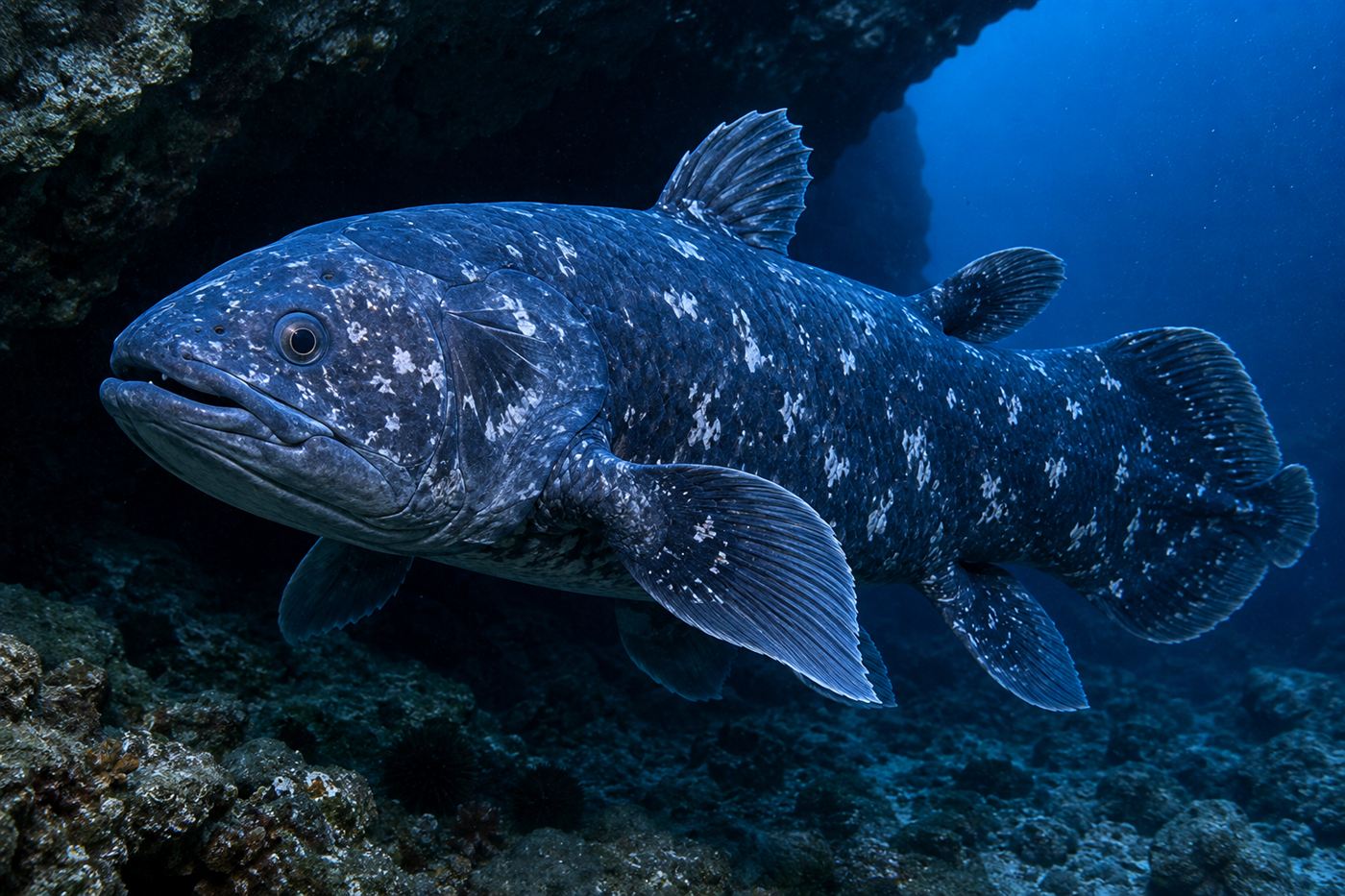
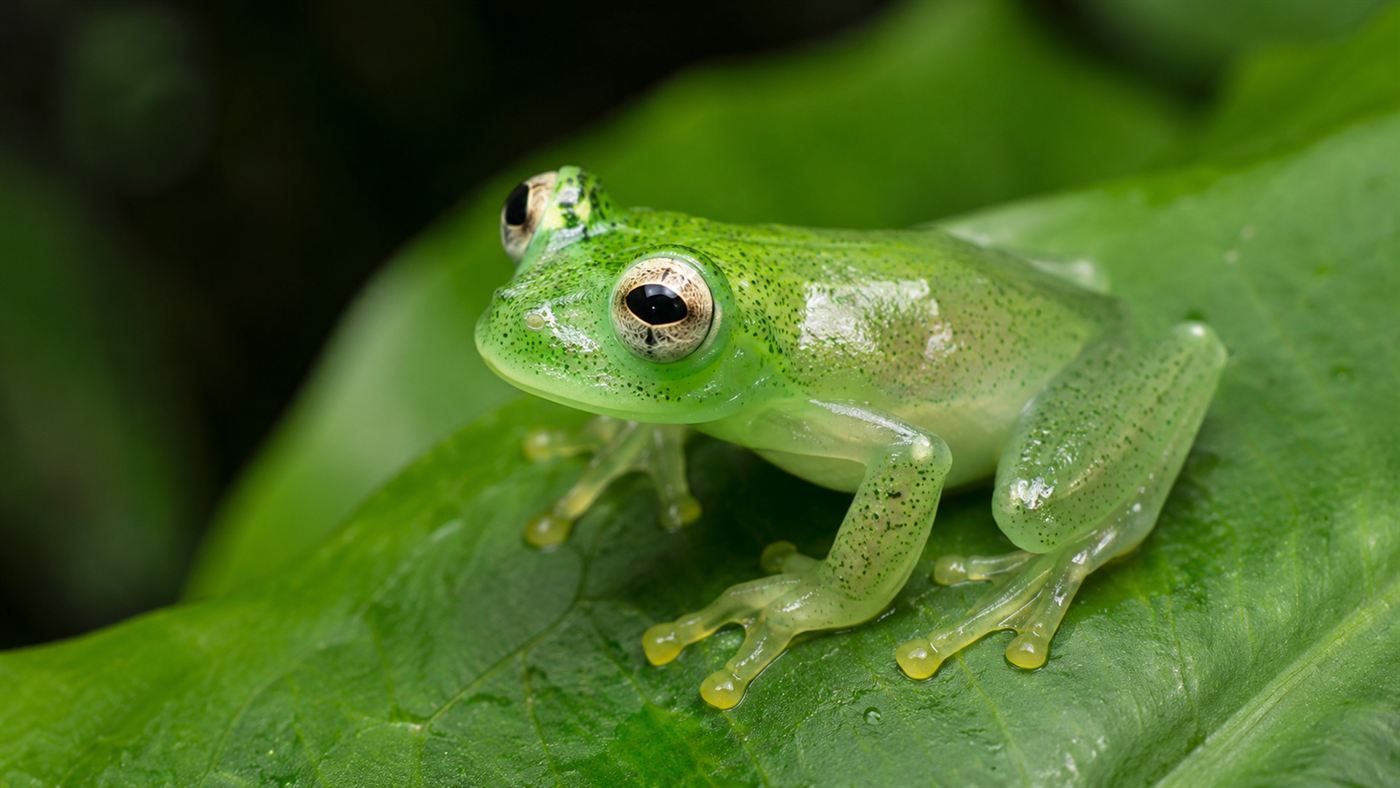
There is a darker catch too. An animal that does not breed until 150 has almost no way to bounce back if too many are killed, and Greenland sharks are still caught, often accidentally, in deep-water fisheries. A creature that survived four centuries in the Arctic Ocean can be undone in a single haul of a net, and its slow clock, the very thing that makes it a marvel, is also what makes it fragile. It shares that vulnerability with other long-lived survivors like the rediscovered coelacanth and the see-through glass frog.
An animal alive today may have been born four centuries ago, and we only learned it by reading the chemistry frozen in its eye. If a Greenland shark born in the 1600s could talk, what do you think it would most want to tell us about the ocean it has watched change? Tell us in the comments.
Related reading: explore more from our Energy & the Wild desk, where the natural world keeps breaking our sense of what is possible.