Hot oil would have melted the Arctic ground and sunk the pipe, so engineers cooled the permafrost with thousands of heat pipes and let the line zigzag through earthquakes
Running a pipeline across Alaska sounds simple until you realise the oil comes out of the ground hot, and the ground it has to cross is frozen solid and must stay that way. Get it wrong and the pipe melts its own foundations and sinks. The Trans-Alaska Pipeline is what it looks like when engineers solve that paradox, and a few others, all at once.
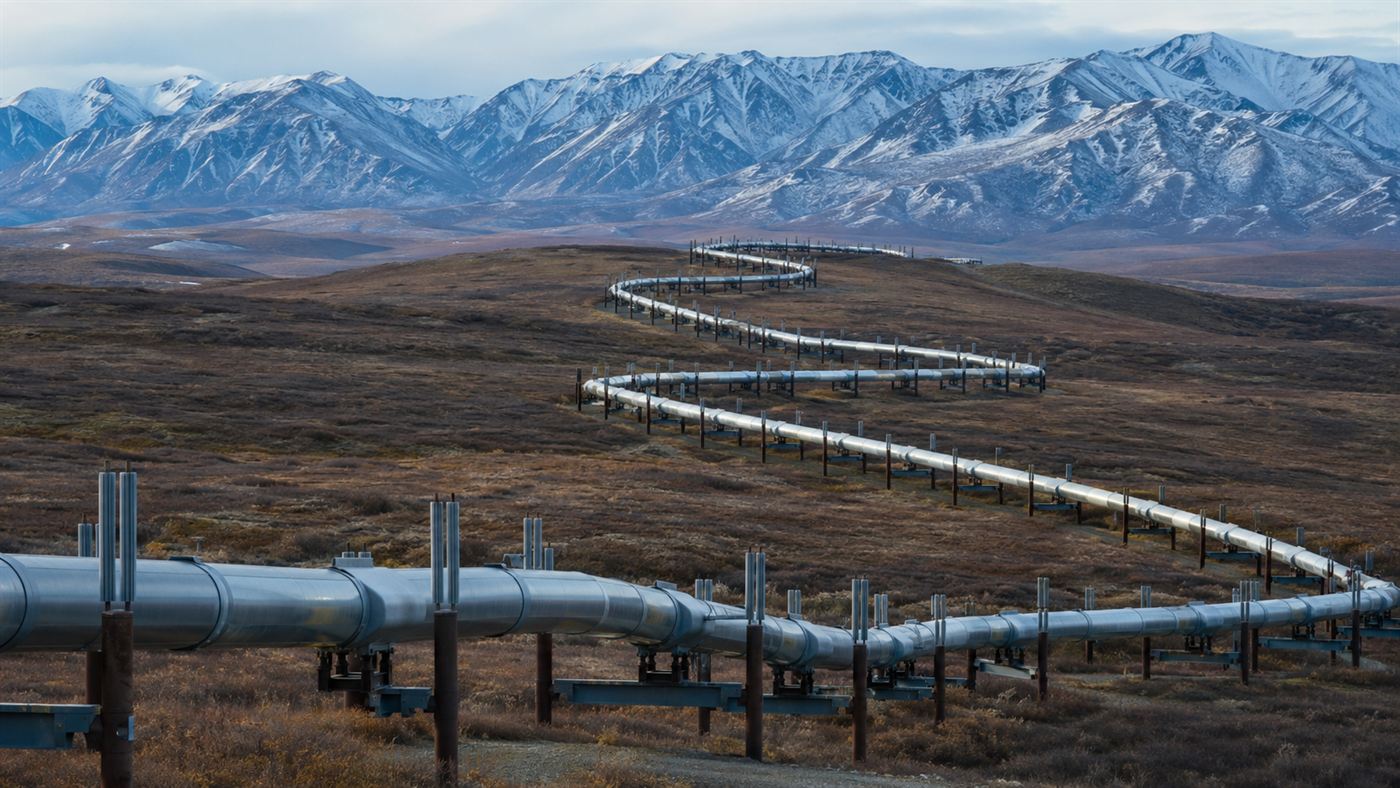
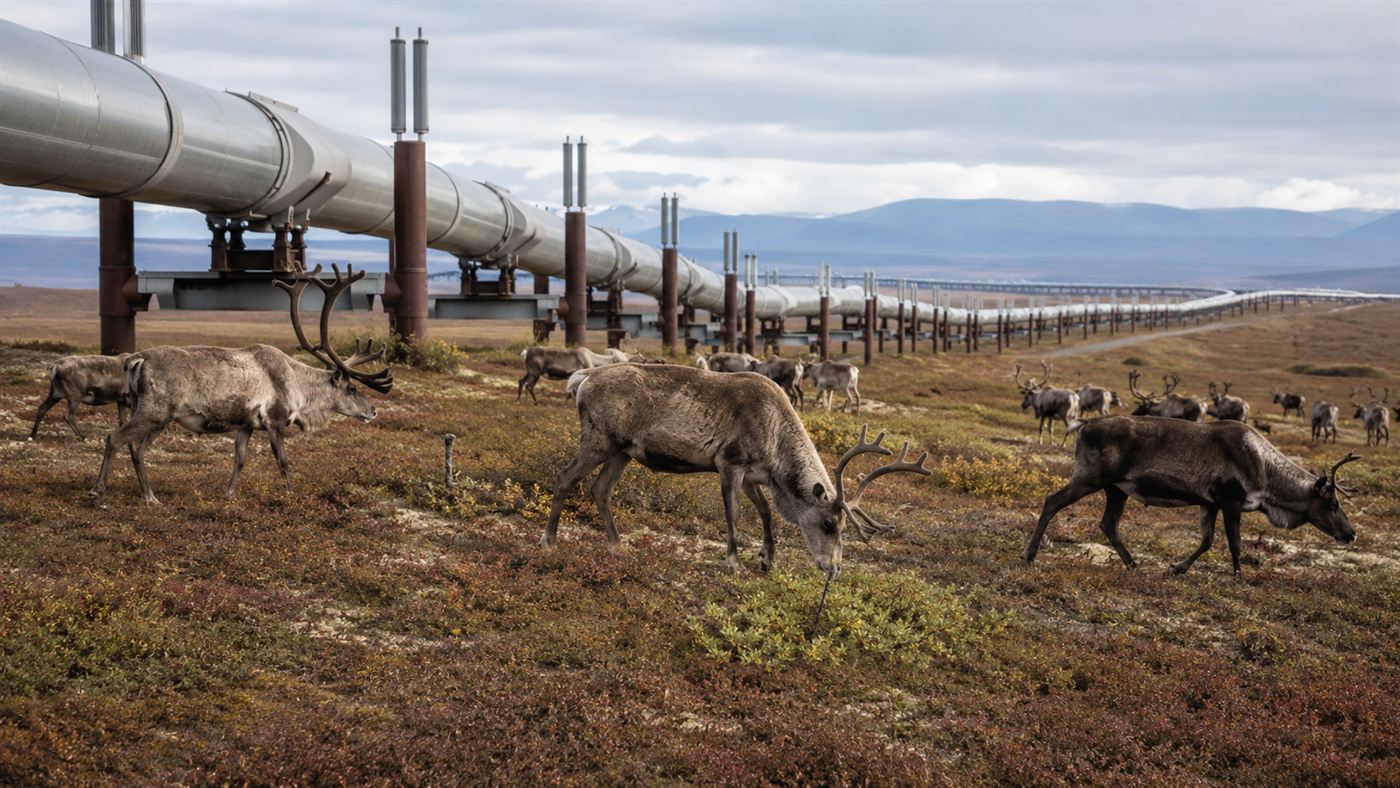
The Trans-Alaska Pipeline crosses the tundra raised on supports and bent into a deliberate zigzag. Illustration: Watts & Wild.
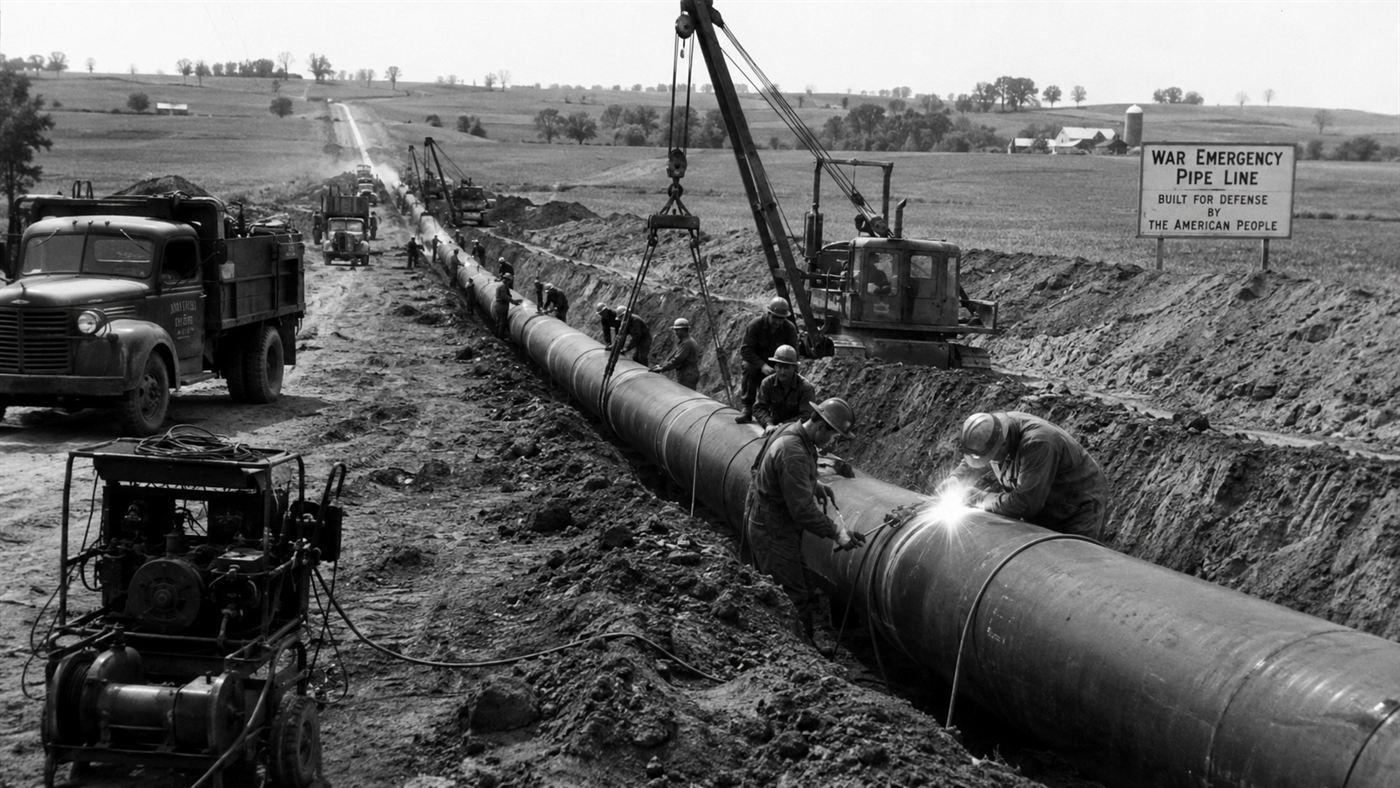
The line runs 800 miles, about 1,300 kilometres, from the oil fields of Prudhoe Bay on Alaska's North Slope down to the port of Valdez, where tankers load up. It was thrown up in a hurry in the mid-1970s, after a giant oil discovery and an oil crisis made America desperate for its own crude. But the route was an engineer's nightmare: three mountain ranges, hundreds of rivers, active earthquake faults, and above all, vast stretches of permafrost.
Permafrost is ground that has been frozen for thousands of years, and it behaves itself only while it stays frozen. Bury a pipe full of warm oil in it and the heat thaws the soil into soft mud, which then slumps, taking the pipeline down with it. So for roughly half its length, the designers refused to bury the pipe at all and lifted it into the air instead.
How the Trans-Alaska Pipeline keeps the ground frozen
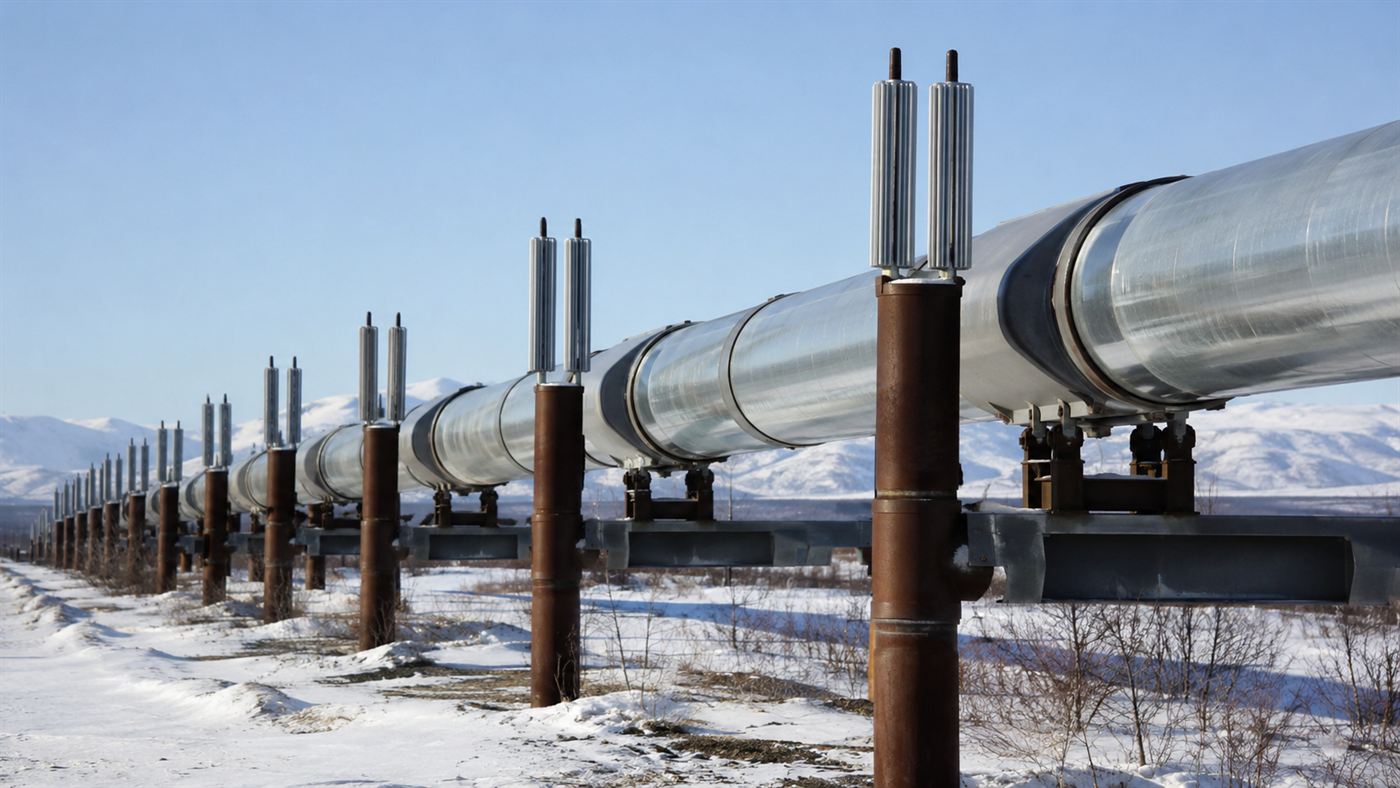
Raising the pipe solved one problem and created another: the supports themselves are driven into the permafrost, and heat creeping down them could still thaw the ground. The fix is wonderfully clever. As the US Geological Survey describes, many of the vertical supports are fitted with heat pipes, sealed tubes that passively carry warmth up out of the ground and shed it into the cold air through finned radiators on top. Tens of thousands of these quiet devices work day and night, with no power and no moving parts, to keep the frozen earth frozen.
You can see them along the line: the pairs of aluminium fins sitting atop the support legs are not decoration, they are refrigerators running on physics alone. The colder the air, the harder they work, which is exactly what you want in an Arctic winter.
Built to dance in an earthquake
The other genius is the shape. Look closely and the pipeline does not run straight; it weaves in a long, deliberate zigzag. That is not a mistake or a detour. The hot oil makes the steel expand and contract, and the zigzag lets the pipe absorb all that movement by flexing sideways rather than buckling. The same trick was scaled up where the line crosses the Denali Fault, with the pipe set on special sliding rails so it could move with the ground.
That foresight paid off spectacularly. As the record of the 2002 Denali earthquake shows, a magnitude 7.9 shock struck directly beneath the pipeline, and instead of snapping, the pipe slid several feet sideways on its supports and rode the quake out. Not a single drop of oil was spilled, a result the original engineers had quietly designed for decades earlier.
The honest catch
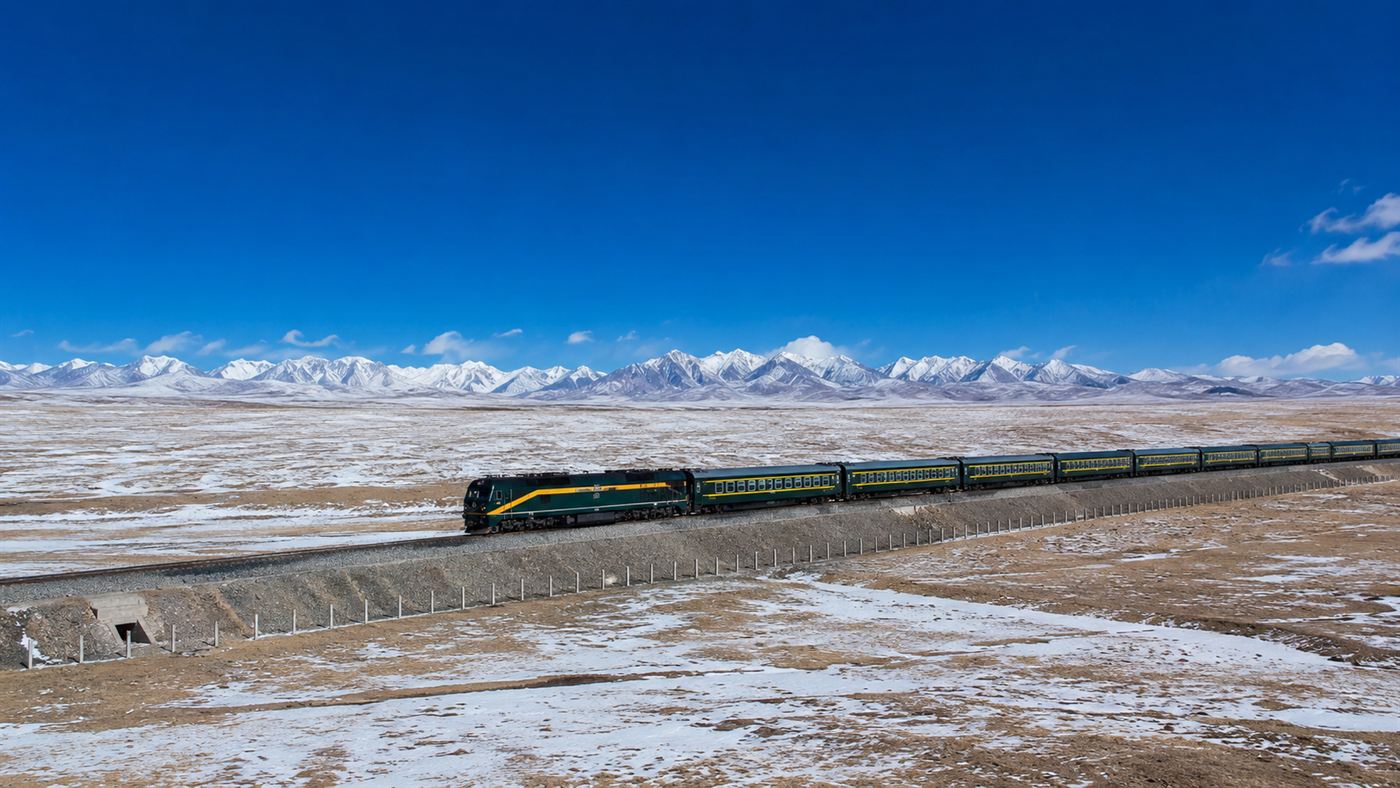
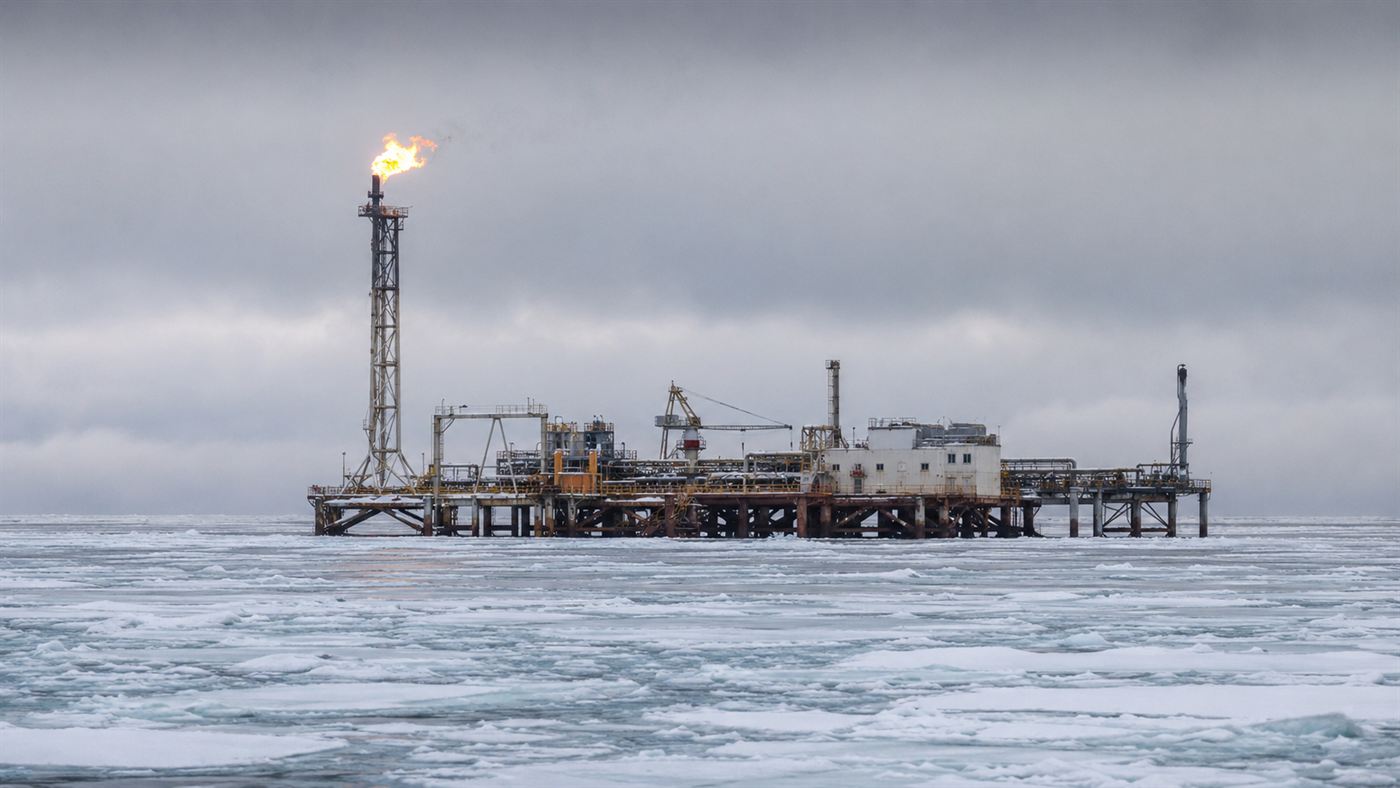
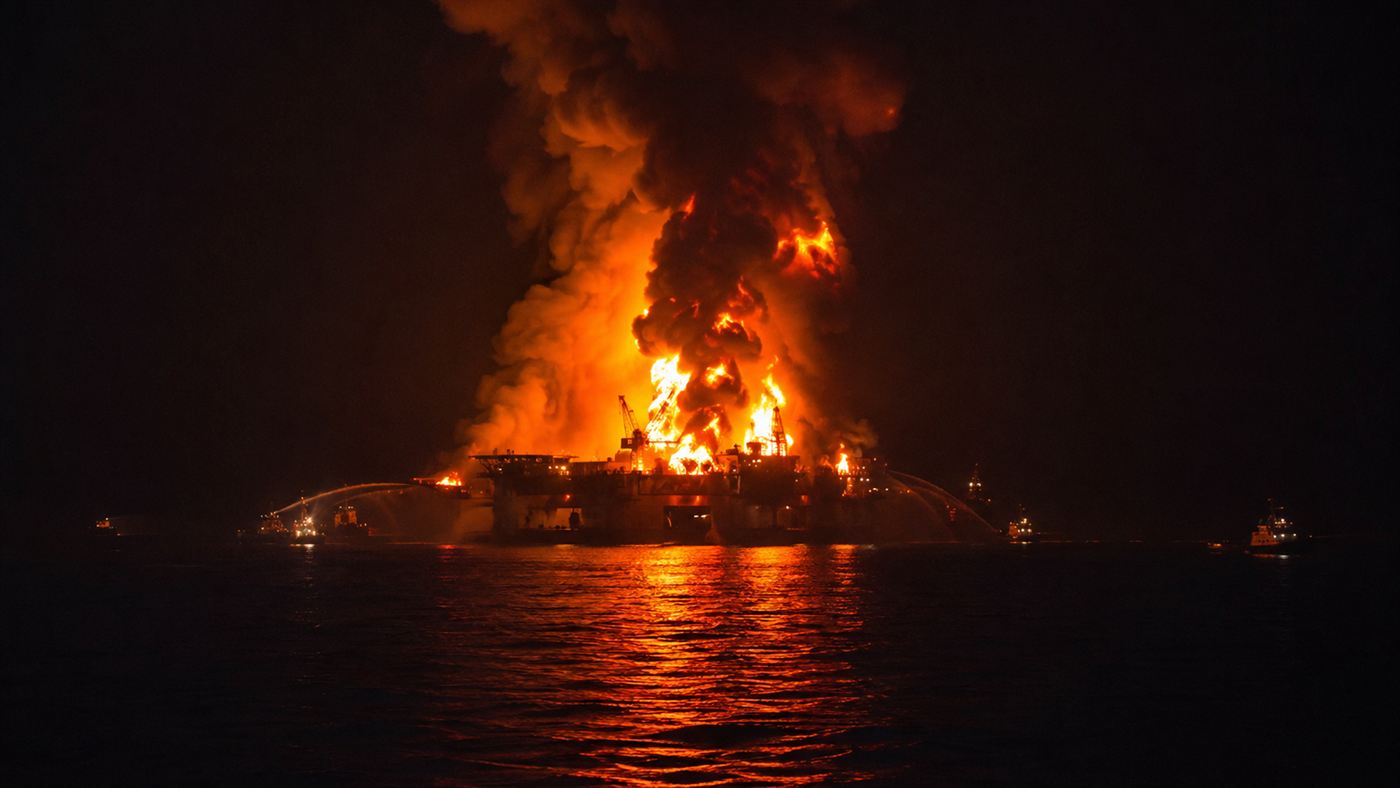
It is worth being clear-eyed about what this marvel is for. The Trans-Alaska Pipeline is a triumph of cold-climate engineering, but it exists to move fossil fuel, and the cleverness of the hardware does not change that. Raising the line did leave gaps for caribou and moose to pass under, and the herds have largely coped, which is a genuine plus. But the pipeline's own story carries a dark chapter: the oil it delivers to Valdez is loaded onto tankers there, and in 1989 one of them, the Exxon Valdez, ran aground just outside the port and caused one of the worst oil spills in history. The pipe held; the system around it did not. So the Trans-Alaska Pipeline is best understood as two things at once: some of the most ingenious infrastructure ever built for a hostile climate, and a reminder that brilliant engineering can still serve a fragile and risky business. It belongs beside other feats of building on frozen, shifting ground, from the Qinghai-Tibet Railway that also fights to keep permafrost frozen to the Kashagan oilfield in the icy Caspian.
Engineers in the 1970s built a pipe that cools the ground beneath it and dances through earthquakes, and half a century later it is still standing. Is the Trans-Alaska Pipeline a monument to human ingenuity, a relic of the oil age, or both at once? Tell us what you think in the comments.
Related reading: the Qinghai-Tibet Railway, which crosses the roof of the world on ground that must be kept frozen.