Engineers spent more than $50 billion taming the world's most dangerous oilfield, then watched its own poison gas crack the pipelines apart within weeks
The Kashagan oil field holds one of the richest pools of crude found in half a century, buried under a shallow sea that freezes solid every winter. To reach it, engineers built islands of steel and rock in open water. The reward was so hard to claim, and so expensive, that the industry started calling the project by a darker name: Cash All Gone.
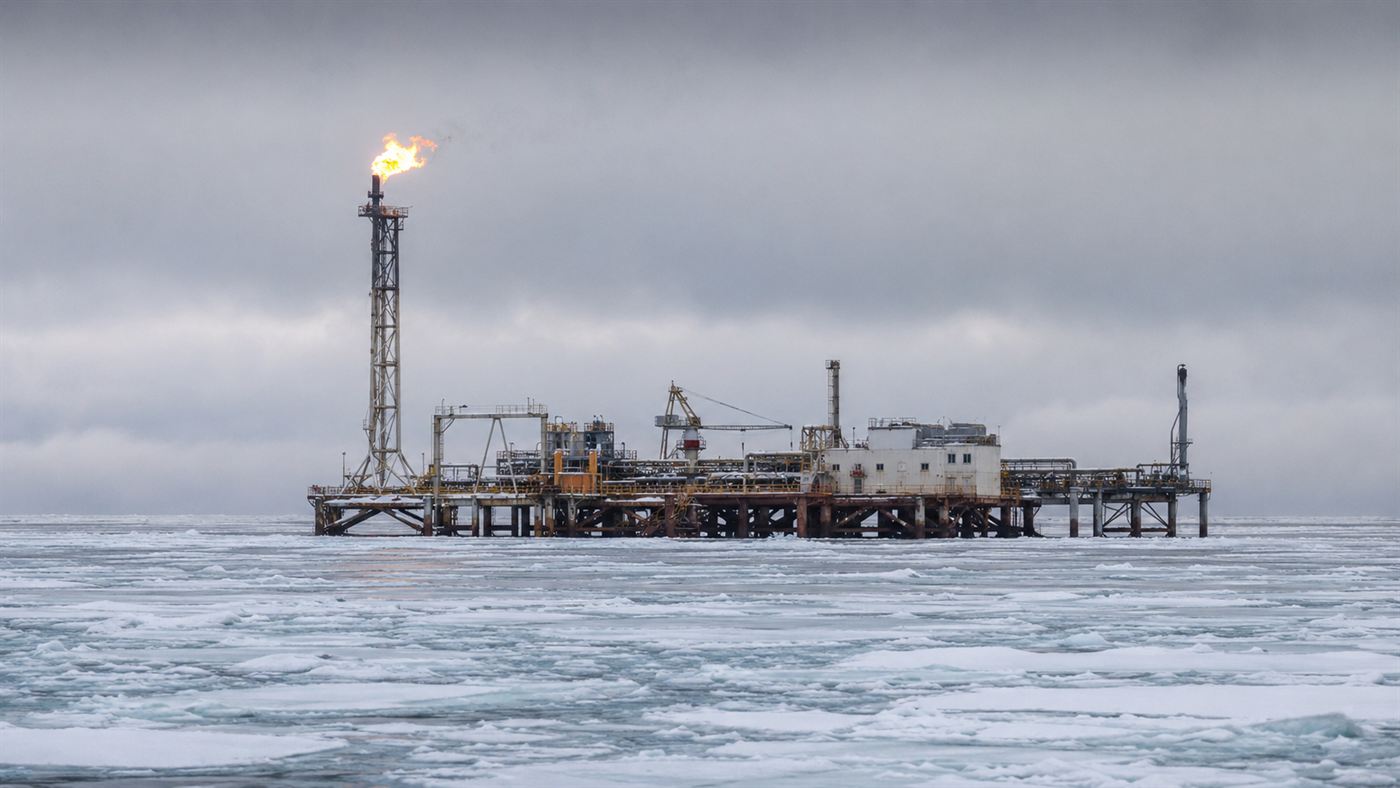
To reach Kashagan's oil, crews built artificial islands that could survive drifting winter ice. Illustration: Watts & Wild.
When geologists confirmed the find in the northern Caspian in 2000, it looked like the prize of a generation. The Kashagan oil field, off the Kazakh city of Atyrau, was the largest oil discovery anywhere in more than thirty years, holding an estimated 38 billion barrels of oil in place and around 13 billion that might actually be pumped out. On paper, it was a fortune waiting in the seabed.
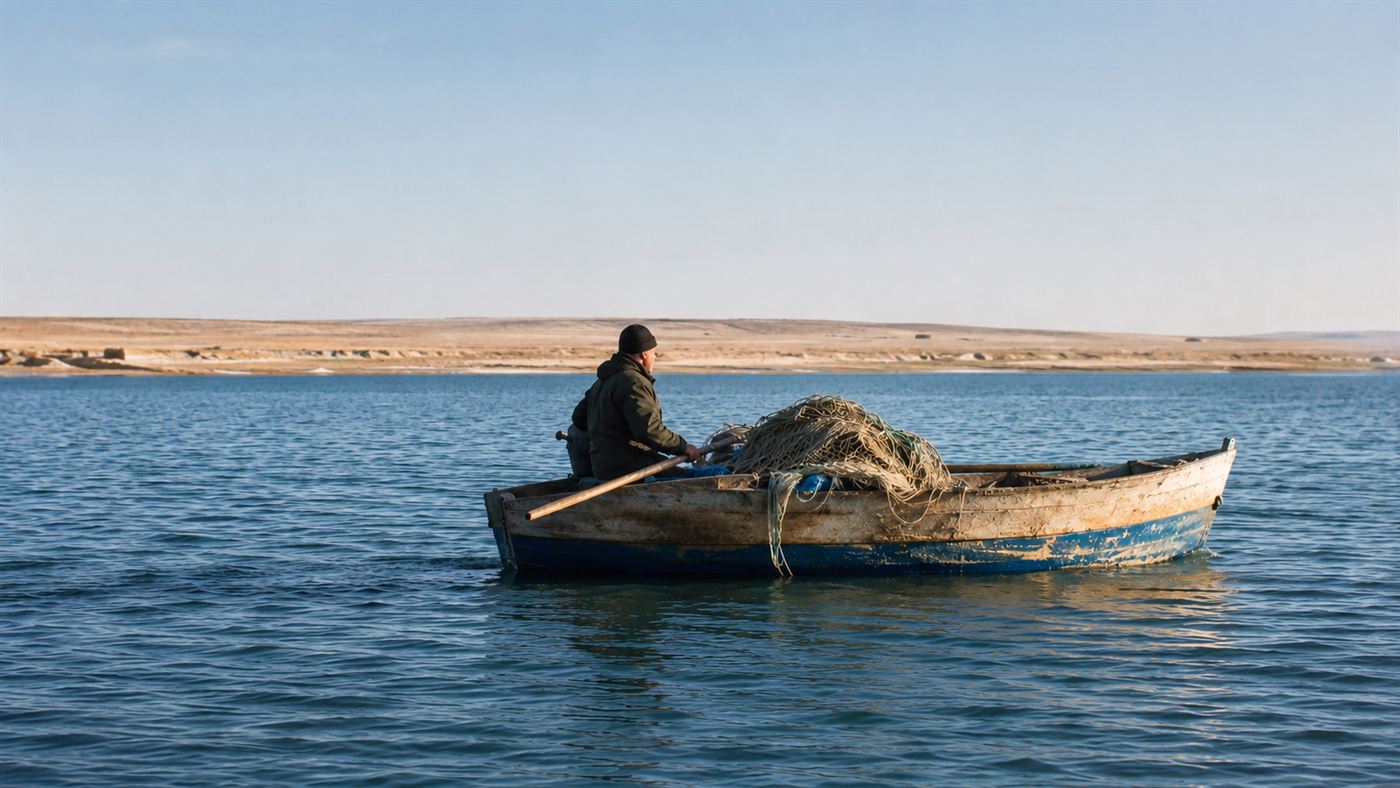
The trouble is that nature buried this treasure behind almost every defence it has. As Offshore Technology has documented, the reservoir sits beneath water only three to nine metres deep that freezes over for months, in a place where temperatures swing from minus 35 to plus 40 degrees Celsius. You cannot run a normal offshore rig in water that shallow and that icy, so the consortium did something unusual: it built artificial islands.
Why the Kashagan oil field is so brutally hard
The centrepiece is a man-made platform known simply as Island D, ringed by rock and sheet piling to take the punishment of pack ice that drifts and grinds against anything in its path. Drifting ice can shear steel, so the islands had to be engineering fortresses before a single barrel could move. Twelve wells crowd onto that island, feeding a network of pipelines that carry the oil and gas to be processed on shore.
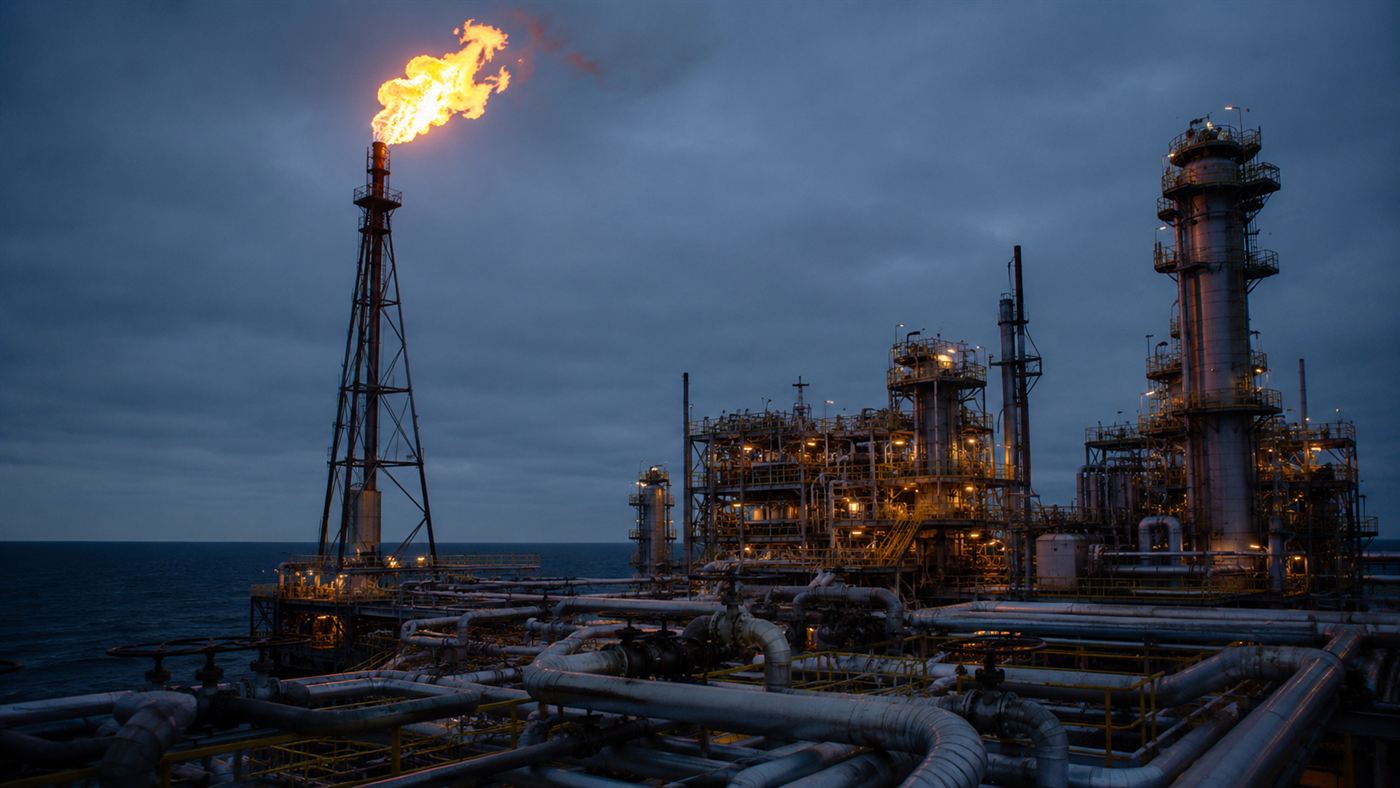
Then comes the part that nearly broke the whole venture. The crude here is mixed with sour gas at one of the highest concentrations on Earth: about 19% hydrogen sulphide, a gas that can kill a person in a single breath at high enough levels. It comes up under enormous pressure, close to 770 bar, hundreds of times the pressure in a car tyre. Handling it safely means every valve, weld and length of pipe has to resist a substance that is both deadly to breathe and savagely corrosive to steel.
First oil, then disaster in weeks
After more than a decade of delays and ballooning budgets, Kashagan finally delivered first oil in September 2013. The celebration lasted barely a fortnight. Within weeks the pipelines linking the islands to the shore started leaking gas, and the field was shut straight back down.
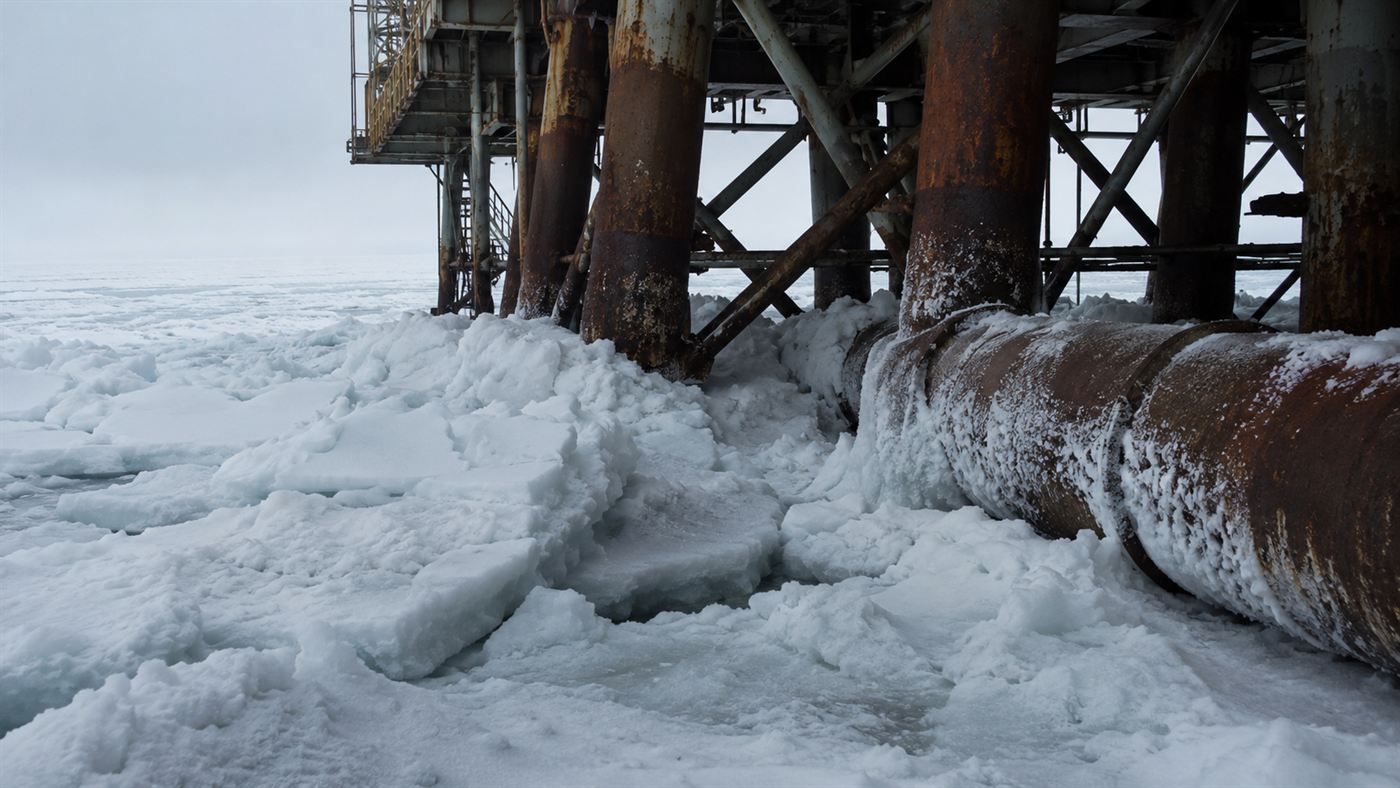
The diagnosis was almost poetic in its cruelty. As Petro Online reported, the failure was sulphide stress cracking, a form of corrosion driven by the field's own hydrogen sulphide eating into pipe metal that could not take it. The field had been poisoned by the very thing it was built to produce. Roughly 90 kilometres of pipeline had to be torn out and replaced with corrosion-resistant alloy, and the project did not restart in earnest until October 2016, three years late.
How a single oilfield became Cash All Gone
By the time the oil was flowing properly, the bill had become legendary. Most accounts put the development cost at well over $50 billion, and one widely cited CNN Money estimate ran as high as $116 billion by 2012, which would make Kashagan the most expensive energy project on the planet. The overruns were so brutal that oil traders rechristened the field Cash All Gone.
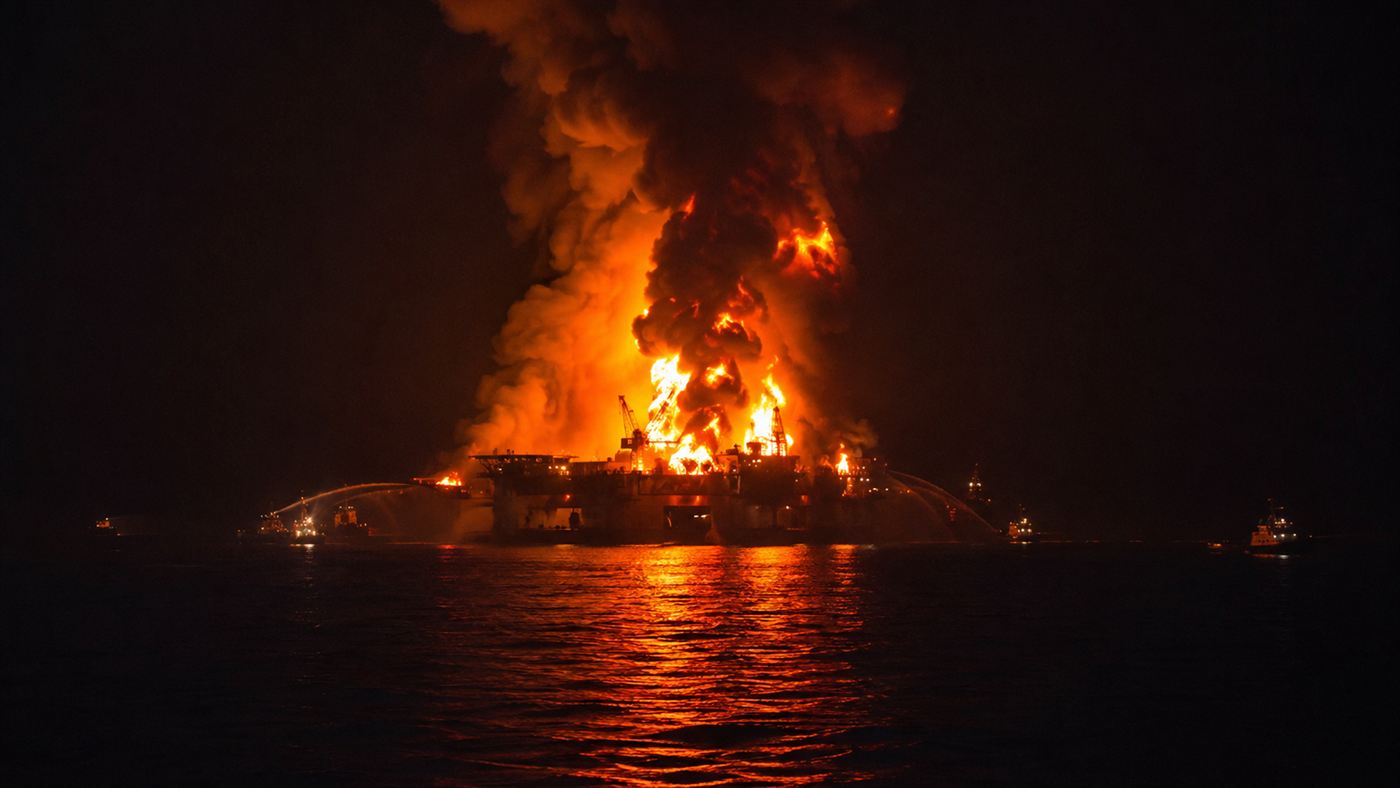
The cost was shared across a who's who of the oil world. The operating consortium, NCOC, brings together Eni, Shell, ExxonMobil, TotalEnergies, the Chinese giant CNPC, Japan's Inpex and the Kazakh state firm KazMunayGas. Even with that much money and expertise pooled together, the field humbled every one of them. The story rhymes with other hubris-meets-nature disasters offshore, from the 87 days the Deepwater Horizon well gushed oil into the Gulf of Mexico to the night a single pump turned the Piper Alpha rig into an inferno.
The honest catch
It would be easy to file Kashagan under pure failure, but that is not quite right. The field is now genuinely producing, climbing past 400,000 barrels a day by 2019 and becoming a real pillar of Kazakhstan's economy. The eye-watering $116 billion figure is disputed and folds in costs that other estimates leave out, while the cheaper $50 billion number covers only the first phase. Cash All Gone is gallows humour, not an audit.
What is not disputed is the lesson. The northern Caspian is a fragile, protected sea, home to the Caspian seal and the sturgeon that produce the world's prized caviar, which forced strict limits on what could be dumped overboard and made the engineering harder still. Kashagan is what happens when the richest prize sits in the worst possible place. You can win it, but the sea, the ice and the gas set the price, and they do not negotiate.
Kashagan is the clearest proof that some oil is so hard to reach that the field can cost more to build than it will ever comfortably pay back. Was a treasure this dangerous and this expensive ever really worth chasing? Tell us what you think in the comments.
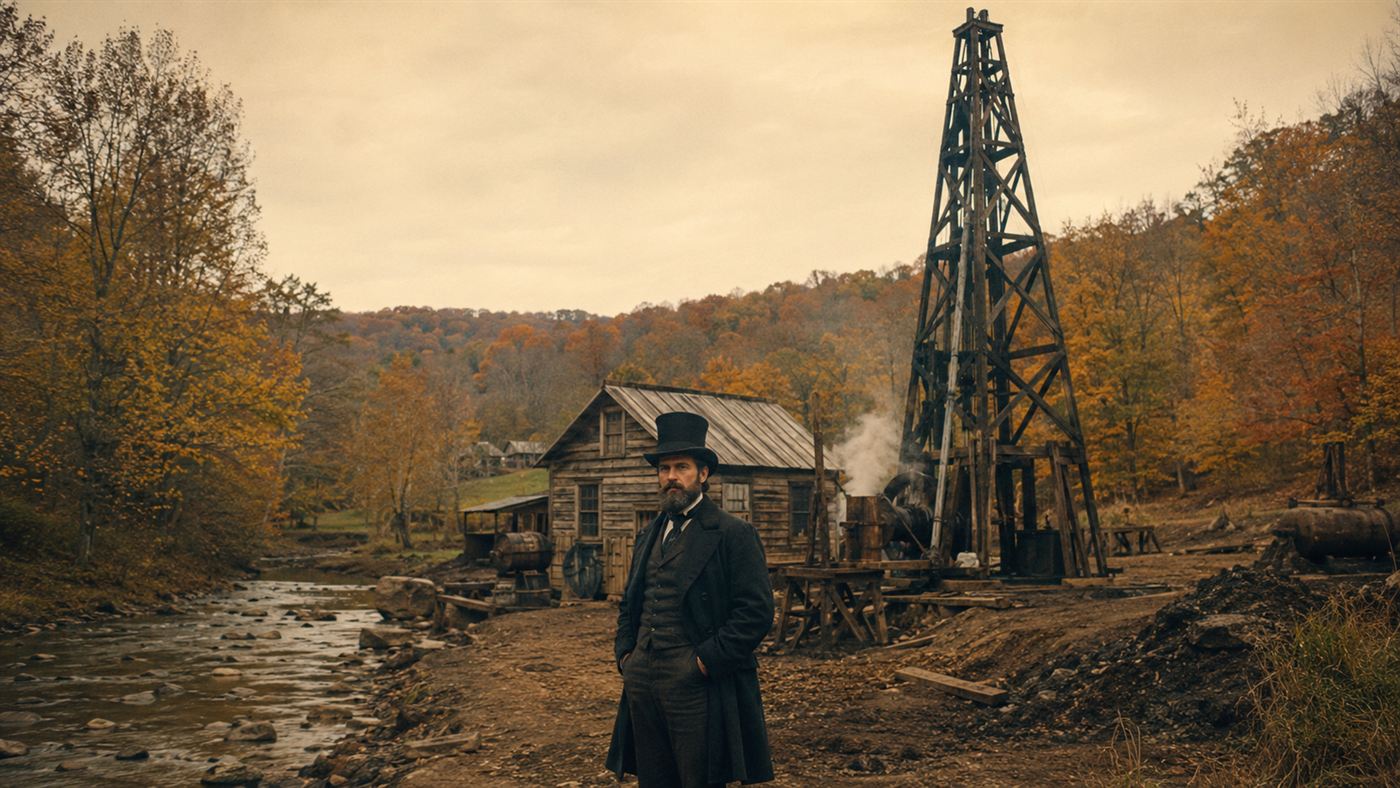
Related reading: the story of Edwin Drake, the man who drilled the world's first oil well and still died poor.