U-boats were sinking America's oil tankers, so the country buried a 1,250-mile pipeline to beat them
In the first months of 1942, German submarines were lurking off the beaches of the eastern United States, picking off oil tankers one by one as they steamed up from the Gulf. The oil that fed the war was being sent to the bottom of the sea. America's answer was not a better warship. It was a steel pipe buried across half a continent, where no torpedo could ever reach it.
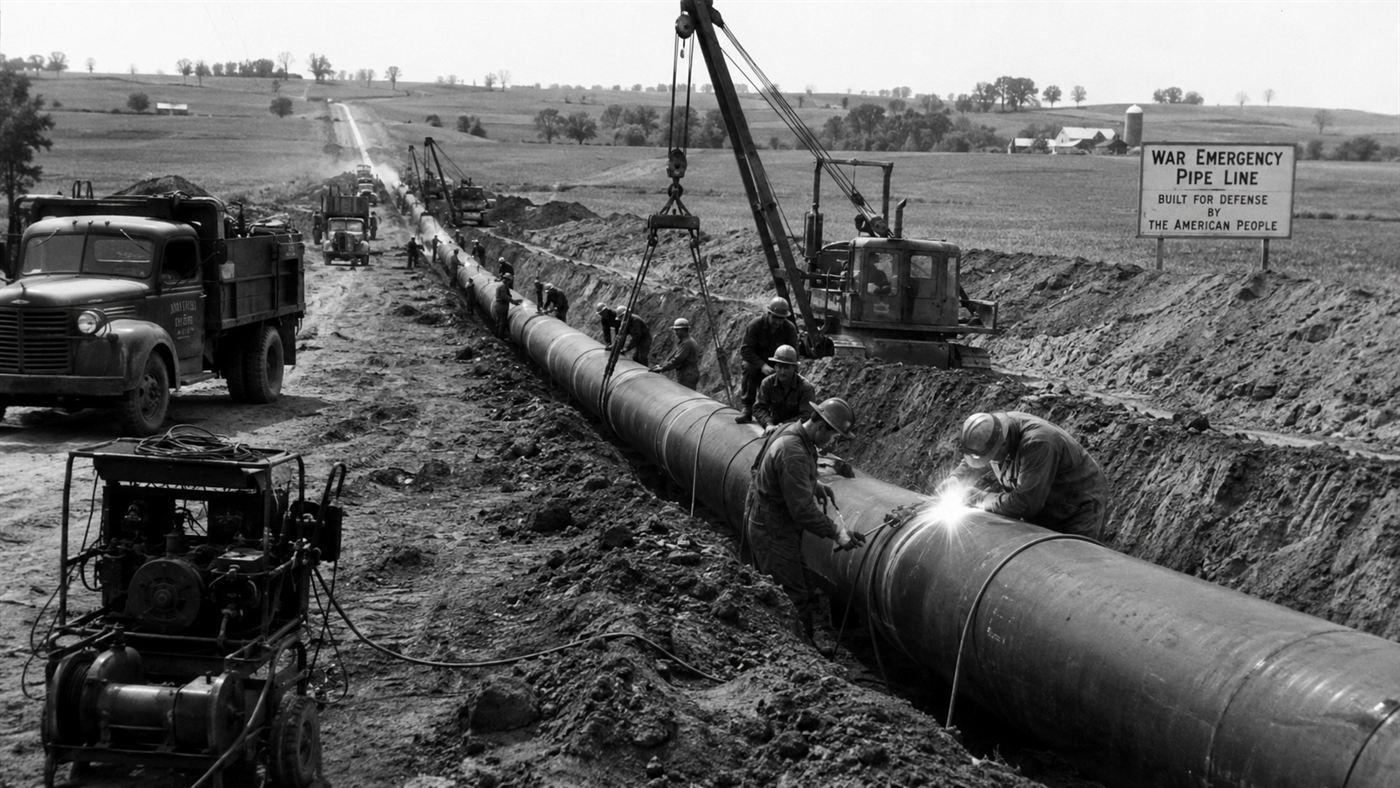
Crews laid the Big Inch across more than a thousand miles of country in a frantic wartime sprint. Illustration: Watts & Wild.
The pipeline they built was officially the War Emergency Pipeline, but the men who laid it gave it a better name. The main 24-inch crude oil line they called the Big Inch, and the slimmer 20-inch line that ran beside it carrying refined fuel became, with a grin, the Little Big Inch. Together they ran roughly 1,250 miles from the oilfields of Texas to the refineries and tank farms of the Northeast.
It was one of the most ambitious pieces of energy infrastructure anyone had ever attempted, and it was thrown up at terrifying speed under the pressure of a war that was, at that moment, not going well at sea.
The slaughter off the beaches
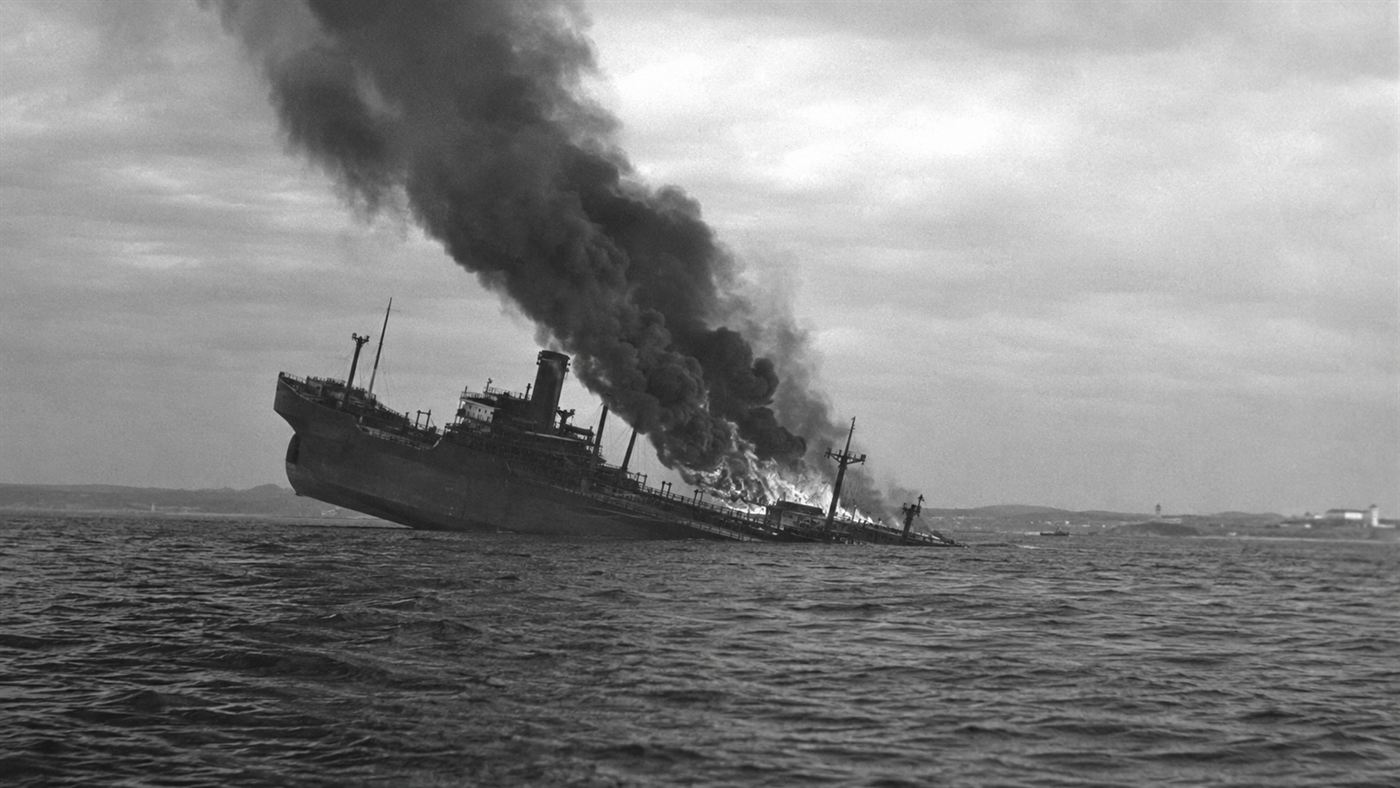
When the United States entered the war at the end of 1941, German U-boats turned to the American coast in an operation their crews remembered as a happy time. Most of the oil keeping the industrial Northeast running came up by tanker from the Gulf of Mexico, hugging the Atlantic shore, and those tankers were nearly defenceless. In the first four months of 1942 alone, U-boats sank more than sixty oil tankers off the eastern seaboard.
It was a turkey shoot. Coastal towns were slow to dim their lights, so the tankers were thrown into perfect silhouette against the glow, easy targets for a submarine waiting offshore. Burning ships became a regular sight from American beaches, and with every sinking the Northeast crept closer to running short of the fuel that powered factories, homes and the war itself.
Moving oil where torpedoes could not reach
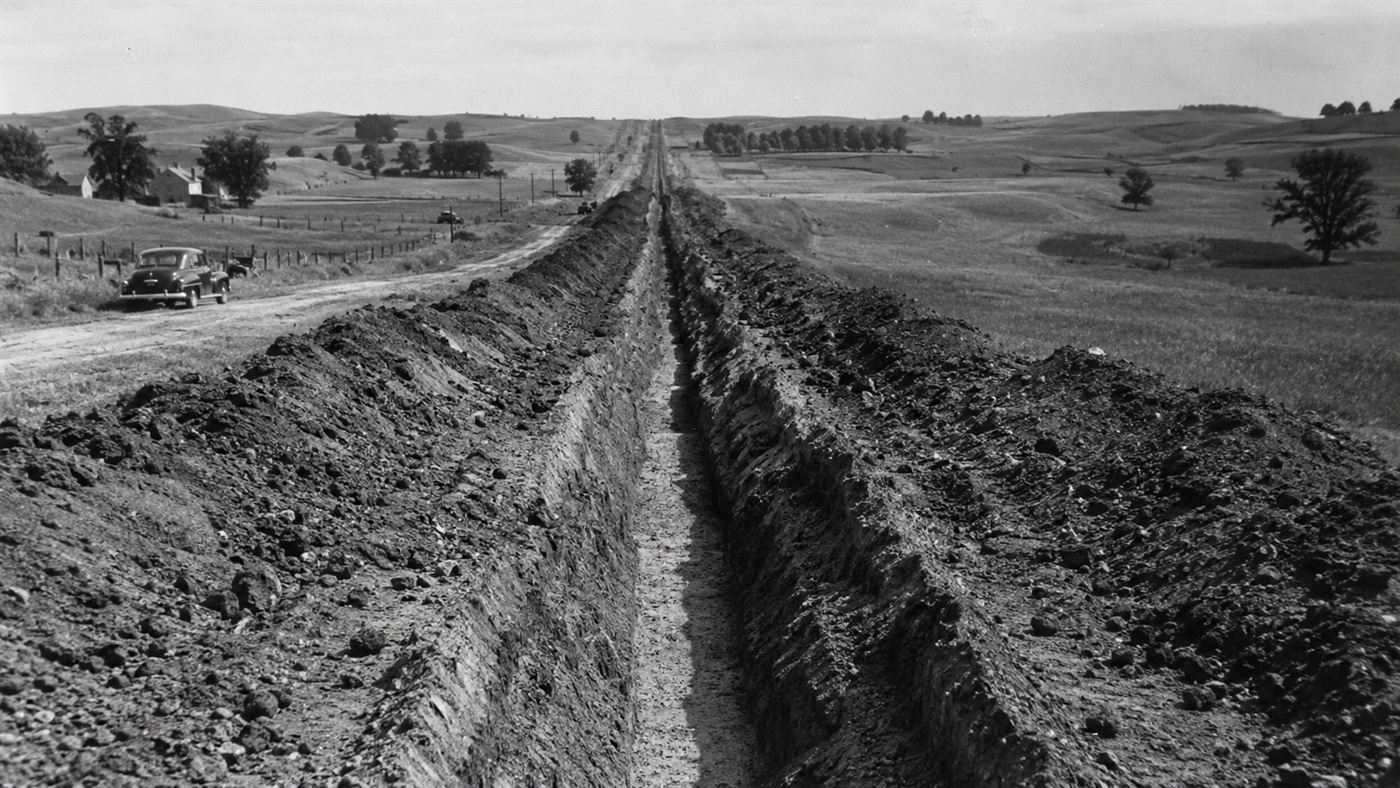
The fix was almost stubbornly simple. If oil could not safely travel by sea, it would travel by land instead, through a pipeline running far inland, utterly beyond the reach of any submarine. The catch was that nothing on this scale had ever been built. Long-distance pipelines existed, but not at this diameter, this length, and certainly not on this timetable.
The Big Inch began pumping crude from Texas, and the oil crossed ten states on its way north, climbing over hills and under rivers the whole way. Once the oil left the Gulf and entered the pipe, the U-boats simply had nothing left to shoot at. The most modern weapon of the war, the submarine, had been quietly outflanked by a trench full of welded steel.
Built in under a year
What makes the story remarkable is the pace. Steel was rationed, skilled men were being drafted, and yet crews pushed the line across the country in a relentless sprint. The final weld on the Big Inch was made in July 1943, only about 350 days after construction had begun, and the first crude oil reached the East Coast that August. The Little Big Inch followed, delivering refined fuel by early 1944.
At full flow the two lines carried a huge share of the oil the Northeast needed, taking the pressure off the battered tanker fleet and helping keep both American industry and the supply line to Britain alive. It was, in the end, as much a weapon as any gun, just one made of pipe and pumps rather than steel and shells.
How the Big Inch won a second life
When the war ended, the danger at sea vanished and the tankers came back, leaving these enormous pipelines suddenly without a job. For a while they sat nearly idle, an awkward, expensive leftover of the emergency. Then they were sold off, and their new owners had an idea that would outlast the war by generations. Instead of oil, the Big Inch and Little Big Inch were converted to carry natural gas from Texas to the energy-hungry Northeast.
That conversion helped create one of the great interstate gas systems in the United States, and the same buried steel laid down in a panic in 1943 still moves energy north today. A pipeline built to win a war quietly became part of how millions of people heat their homes.
The honest catch
It is a great story, and it deserves a little restraint. The Inch lines did not defeat the U-boats; that job was done by convoys, blackouts, aircraft, radar and code-breaking, the slow grind that eventually drove the submarines back. What the pipelines won was the supply battle, not the sea battle. They made sure that even while ships were being lost, the oil still got through.
It is also, plainly, a fossil-fuel story, and the gas network it spawned is part of an energy system the world is now trying to move beyond. But as a piece of engineering under pressure, it still impresses. Faced with a deadly problem at sea, a country reached inland, buried its lifeline where the enemy could not follow, and did it in a year. Sometimes the boldest answer is also the simplest.
A country losing tankers to submarines simply moved its oil where no torpedo could follow, then turned the wartime pipe into a gas line that still runs today. Is the Big Inch a wartime triumph of engineering, or the awkward ancestor of an energy system we now want to leave behind? Tell us what you think in the comments.
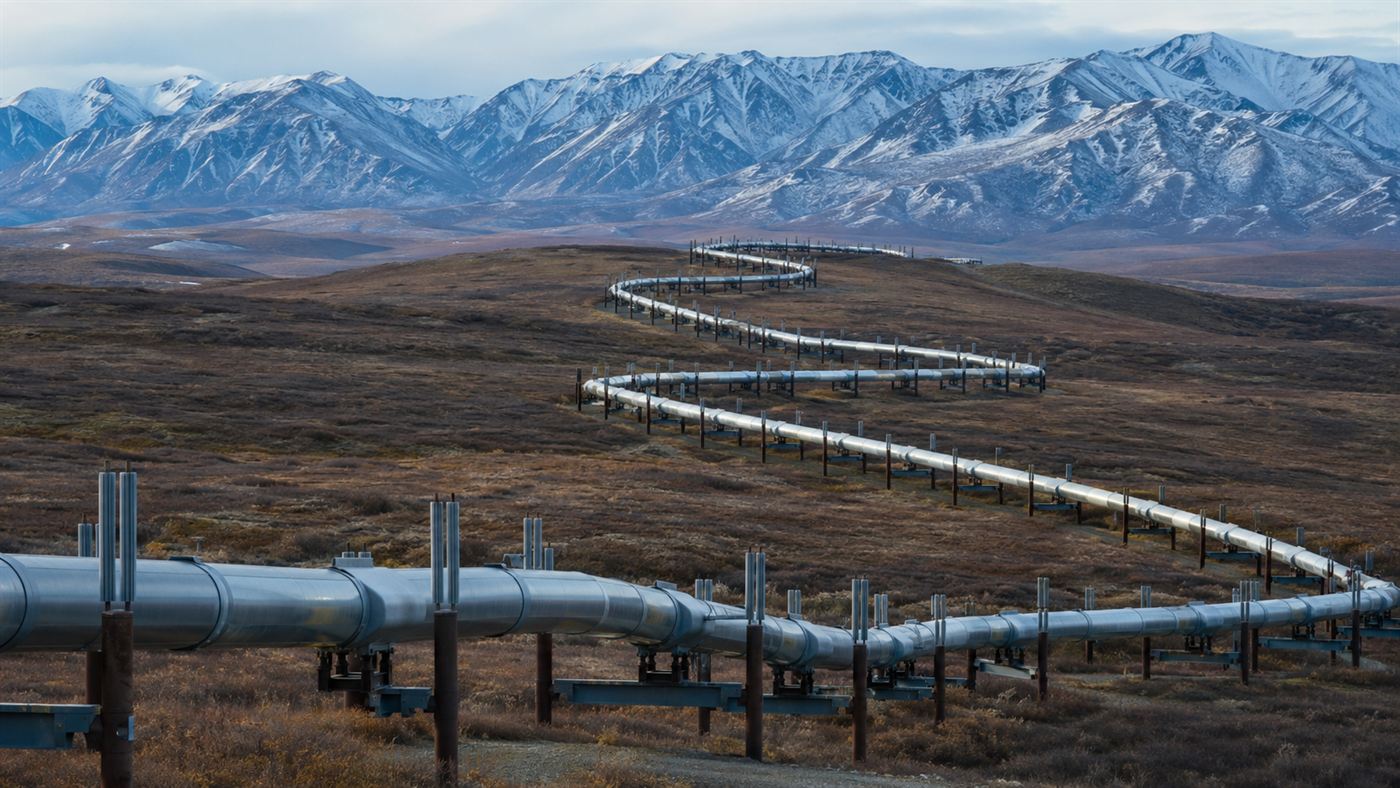
Related reading: the Trans-Alaska Pipeline, built to carry hot oil across frozen ground and survive earthquakes.
See also: the Ghost Army, the secret WWII unit that fought the Nazis with inflatable tanks and recorded sound.