Hunters shot the northern elephant seal down to perhaps 20 survivors on a single Mexican island by 1892, and from that tiny remnant the giant has clawed back to more than 200,000
The northern elephant seal is a two-ton giant of the Pacific coast, and just over a century ago it was all but gone. Hunted for the oil in its blubber, it was written off as extinct in the 1890s. That it now packs California's beaches by the tens of thousands is one of the great comeback stories in nature, and it hides a strange, uneasy twist.
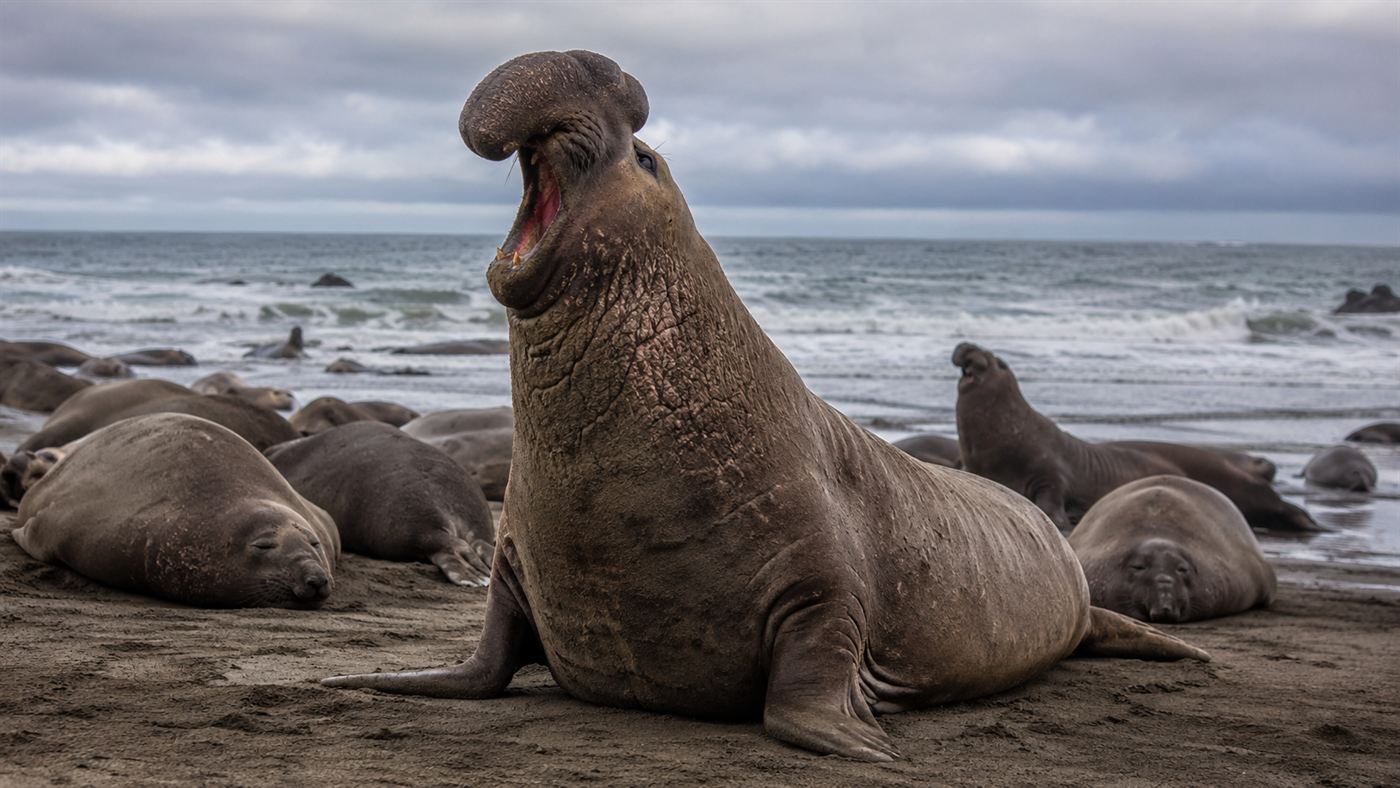
A bull northern elephant seal can weigh more than two tons. A century ago the whole species fit on one beach. Illustration: Watts & Wild.
The northern elephant seal is hard to overstate in person. A dominant male can stretch 13 feet and weigh more than two tons, with a floppy, trunk-like snout that gives the animal its name and a bellowing roar you can hear far down the beach. Out at sea they are astonishing athletes, diving to depths beyond 1,500 meters and holding their breath for up to two hours as they hunt in the dark. And all of them, every single one, come from a genetic near-miss.
Because for a stretch in the late 1800s, this booming animal very nearly ceased to exist. The story of how it came back is inspiring, and the story of what it carries with it is a caution that even a triumphant recovery can leave permanent scars.
The short version: Commercial sealers hunted the northern elephant seal for its blubber oil until it was considered extinct by the 1890s. Perhaps 20 animals survived on Guadalupe Island off Mexico. Protected by Mexico and later the US, the species exploded back to over 200,000, but that crash through so few animals left it with dangerously low genetic diversity.
Hunted to the last twenty
In the 1800s, elephant seals were floating oil reserves. Their thick blubber could be rendered down like a whale's, and through the middle of the century commercial sealers hunted them relentlessly up and down the Pacific coast. As The Nature Conservancy has recounted, the slaughter was so complete that by the 1890s the species was believed to be extinct, another animal hunted off the face of the earth for a commodity.
It was not quite gone. A last handful clung on in one of the most remote places available to them, the wind-scoured beaches of Guadalupe Island off Baja California. The low point, around 1892, may have been as few as 20 animals, a number small enough to fit on a single stretch of sand. That desperate remnant is the ancestral stock of the entire modern species. When you see thousands of them today, you are looking at the descendants of those twenty.
How a handful became 200,000
The recovery began with a decision to simply stop killing them. Mexico gave the seals legal protection in 1922, when the Guadalupe population had crept back to a few hundred, and the United States later added its own protections, culminating in the Marine Mammal Protection Act of 1972. Freed from hunting, the animals did the rest themselves, and they did it fast.
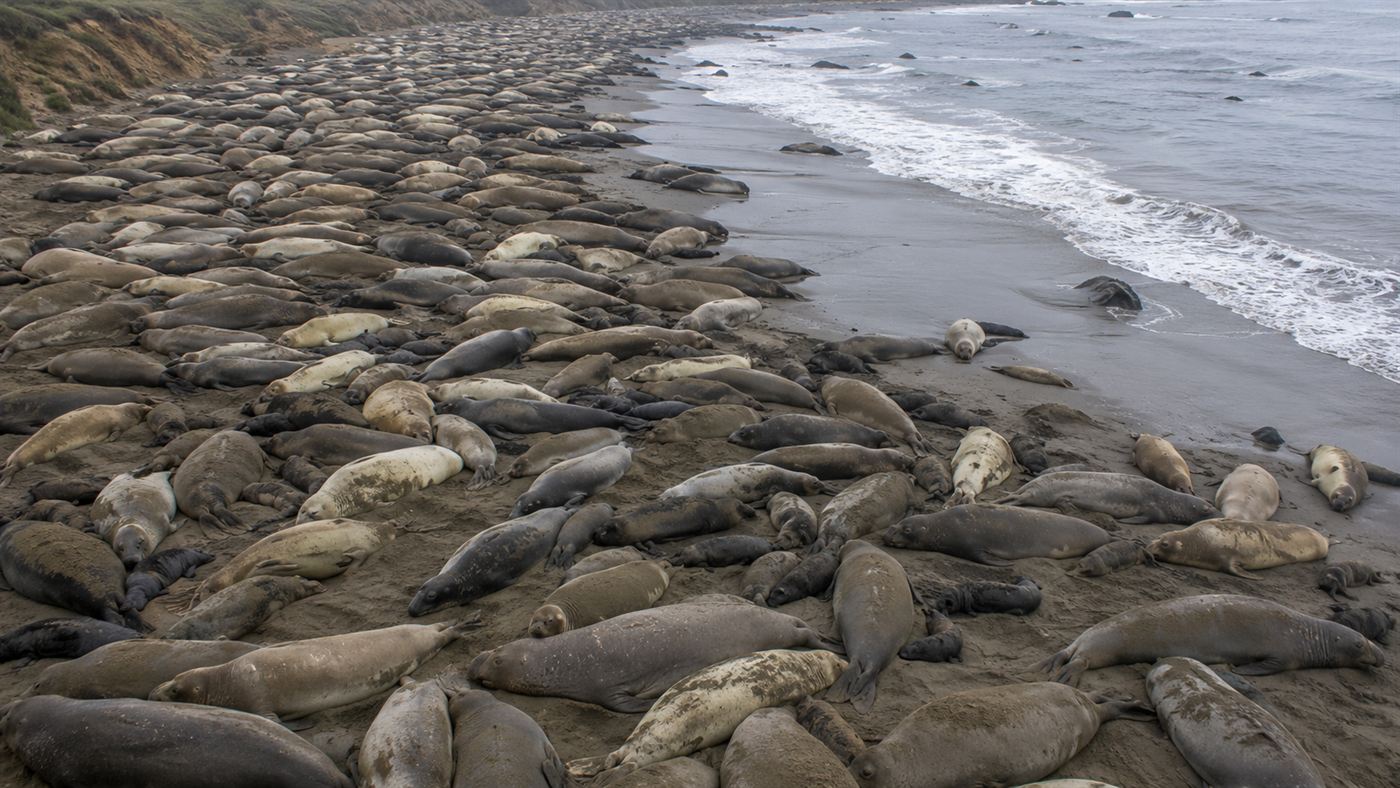
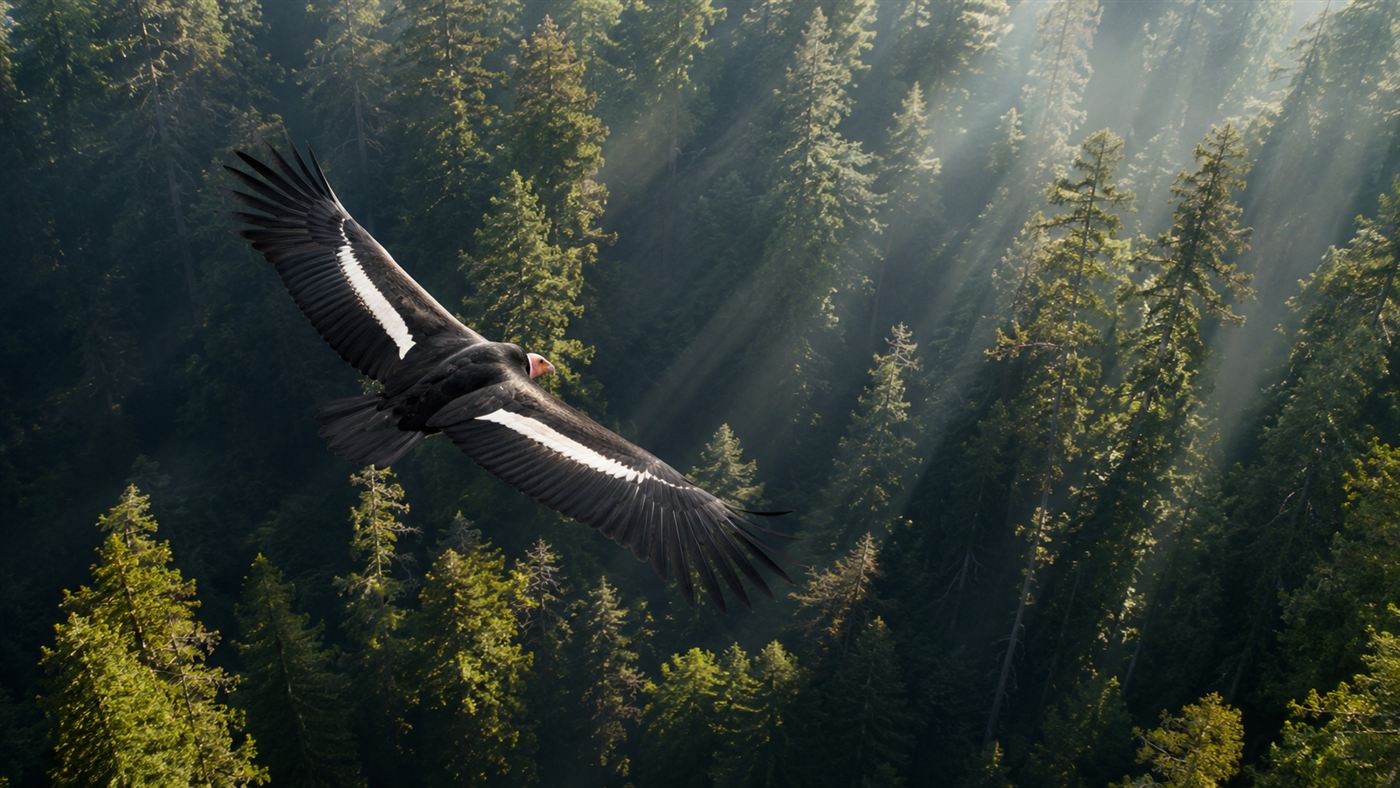
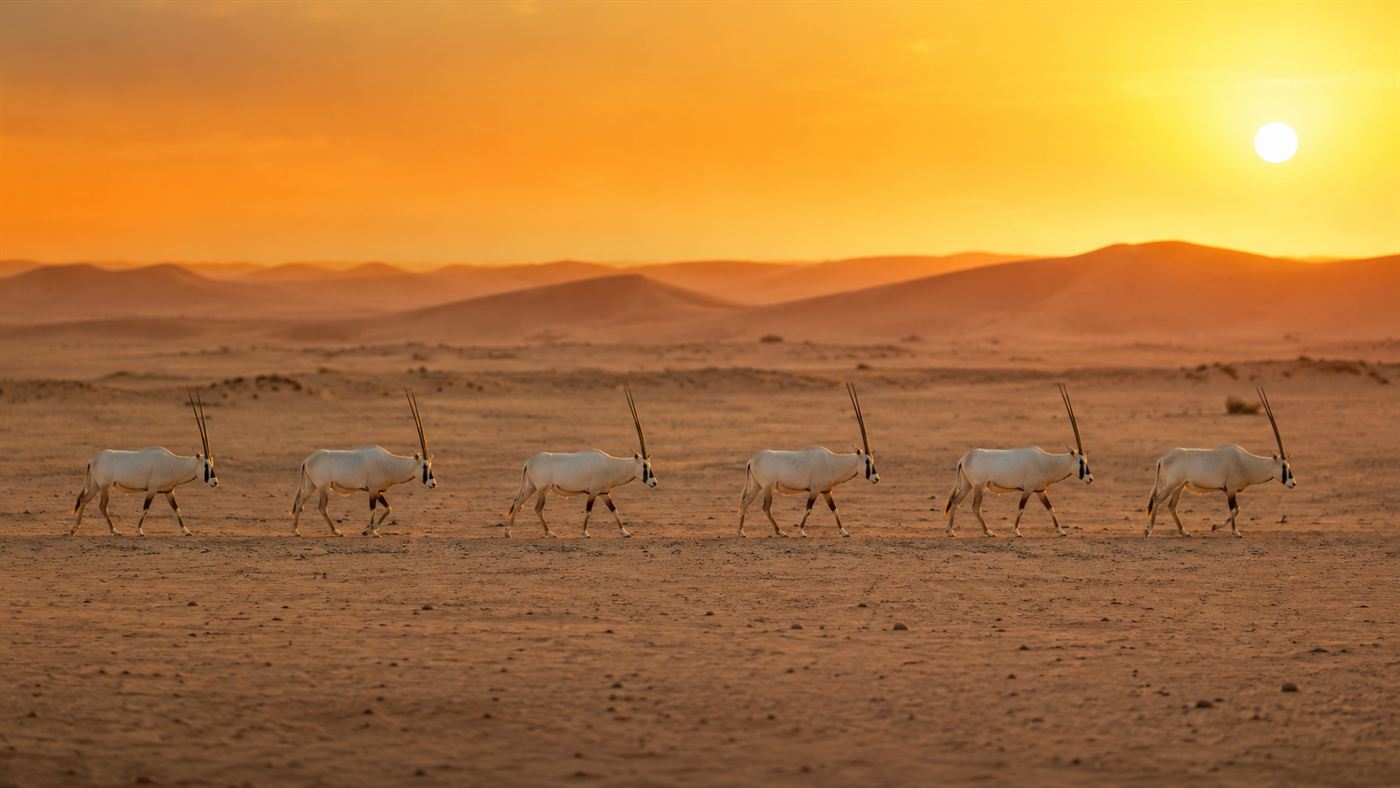
What followed was more than half a century of near-exponential growth and steady expansion up the coast. The seals recolonized old haunts and founded new colonies along the California coast, at places like Ano Nuevo, Point Reyes, and Piedras Blancas, where they had not bred in living memory. Today the global population tops 200,000 and is still climbing. As a raw conservation success, it is almost unmatched, sitting alongside comebacks like the Arabian oryx and the California condor.
Why so few animals is still a problem
Here is the twist that makes this more than a feel-good story. When a species is squeezed down to a couple of dozen individuals, it does not just lose numbers, it loses variety, and no amount of later breeding can put that variety back. Every seal today was dealt from the same tiny, reshuffled genetic deck, an event biologists call a genetic bottleneck. The population recovered, but its diversity did not.
As Scientific American has put it, the northern elephant seal is a case of an increasing population with decreasing biodiversity, and recent genomic studies have measured just how little variation remains. The worry is practical, not abstract. A population where every individual is genetically similar can be uniquely vulnerable to a new disease, a novel pollutant, or a fast-changing climate, because if one animal is susceptible, they may all be. Two hundred thousand nearly identical seals is not as safe as the number suggests.
How the northern elephant seal lives now
Watch a colony through a year and you see why they bounced back so hard. Each winter the bulls haul out and fight for stretches of beach, the winners guarding harems of females who give birth and nurse pups in dense, noisy rookeries. The animals fast for weeks on land, living off their blubber, then vanish back out to sea for months of deep-diving to refuel, before returning to molt. It is a brutal, efficient cycle tuned for rapid population growth.
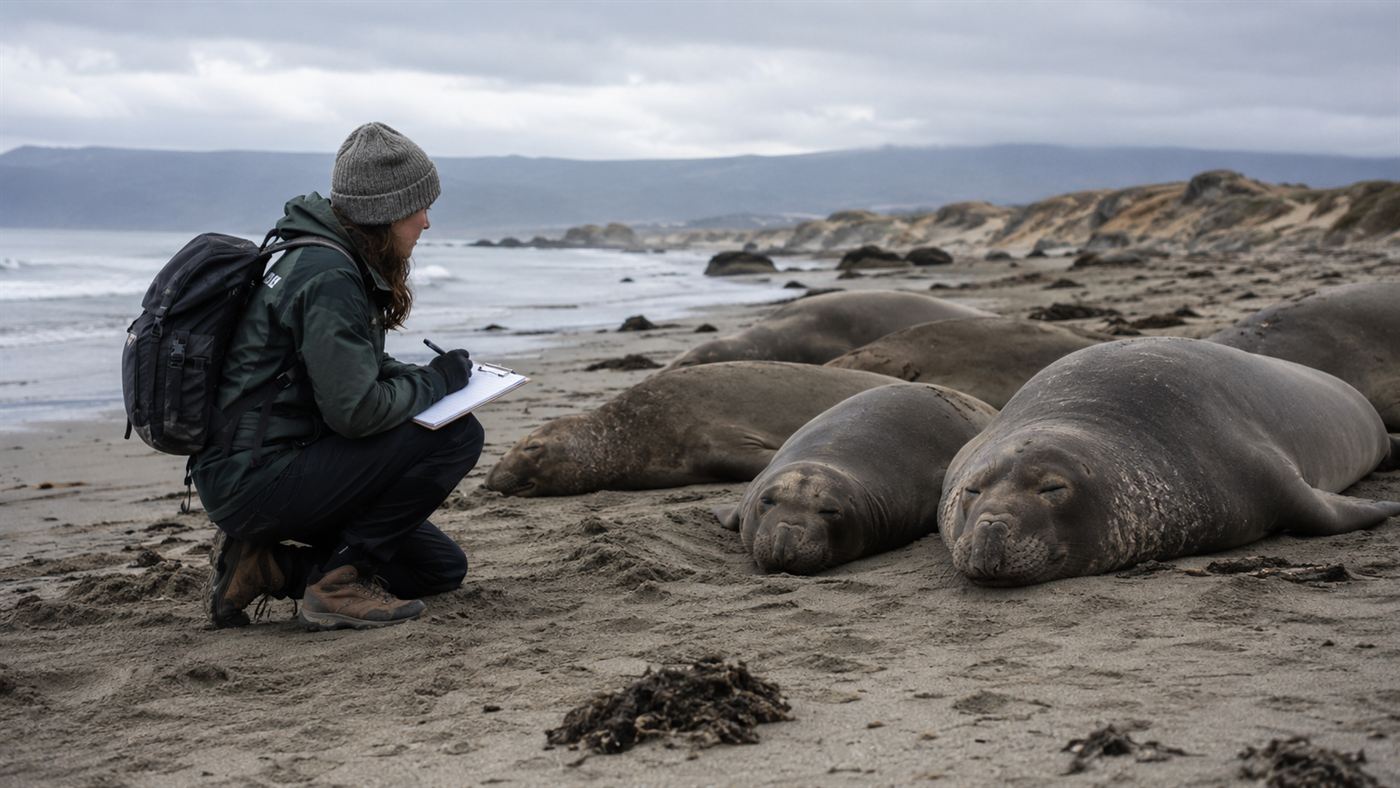
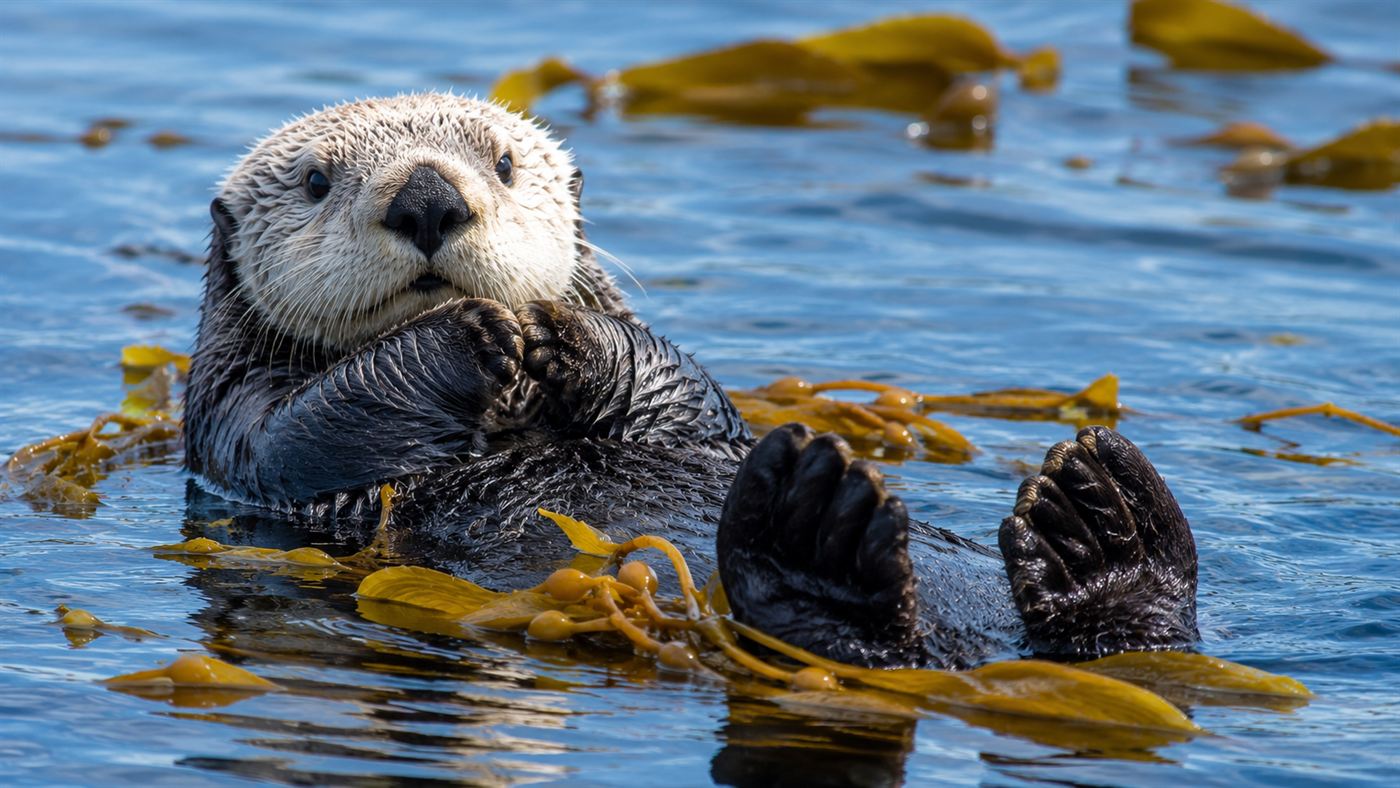
It has also made them one of the most studied marine mammals on earth. At Ano Nuevo, researchers from the University of California, Santa Cruz have followed individual seals for decades, tagging them and tracking their epic ocean journeys, and turning a former ghost of a species into a living laboratory. For once, a great northern elephant seal colony is something people can drive out and watch from a dune, a wildlife spectacle hiding in plain sight, much like the recovering sea otters of the same coast.
The honest catch
It would be a mistake to let the genetic worry sour the achievement, and an equal mistake to ignore it. The recovery is real and worth celebrating; a species that was written off as extinct now numbers in the hundreds of thousands purely because people stopped killing it and then left it alone. That is about as clear a lesson in what conservation can do as nature offers.
But the shallow gene pool is a genuine liability sitting quietly under all those numbers, and it is not something we can fix. It is the permanent fingerprint of how close we came to losing the animal entirely. The northern elephant seal is a warning wrapped in a success: a booming, thriving species that is nonetheless walking on a genetic tightrope of our making, one bad epidemic away from proving that a big population and a resilient one are not the same thing.
A giant hunted down to a couple of dozen animals came roaring back to more than 200,000, yet carries the genetic scar of that crash forever. Does the northern elephant seal's comeback make you more hopeful about saving endangered species, or more worried about the ones we push to the very edge? Tell us what you think in the comments.
Related reading: The red wolf, declared extinct in the wild, is clinging on in one Carolina refuge.
More from Watts & Wild
More in Energy & the Wild →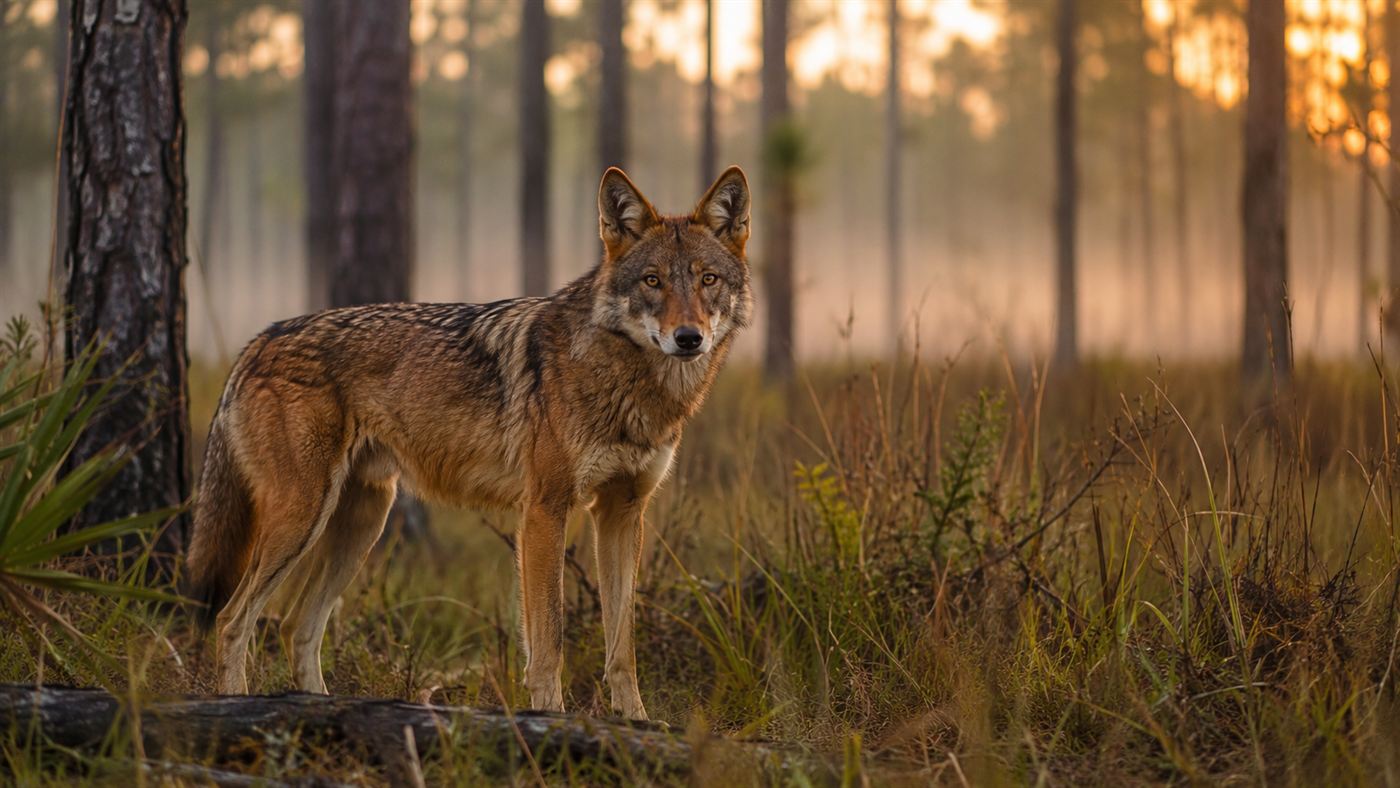

Bruno writes about energy history, industrial disasters, and the people who shaped the technologies we take for granted. He is based in Brazil.