A frozen Himalayan lake is full of hundreds of ancient skeletons, and DNA only deepened the mystery of how they got there
High in the Indian Himalayas, at the edge of a small glacial pool, the ice melts back each summer to reveal something out of a nightmare: human bones, hundreds of them, scattered across the shore. Roopkund Lake has been called Skeleton Lake for good reason, and just when scientists thought they had explained it, a DNA study made the puzzle far stranger.
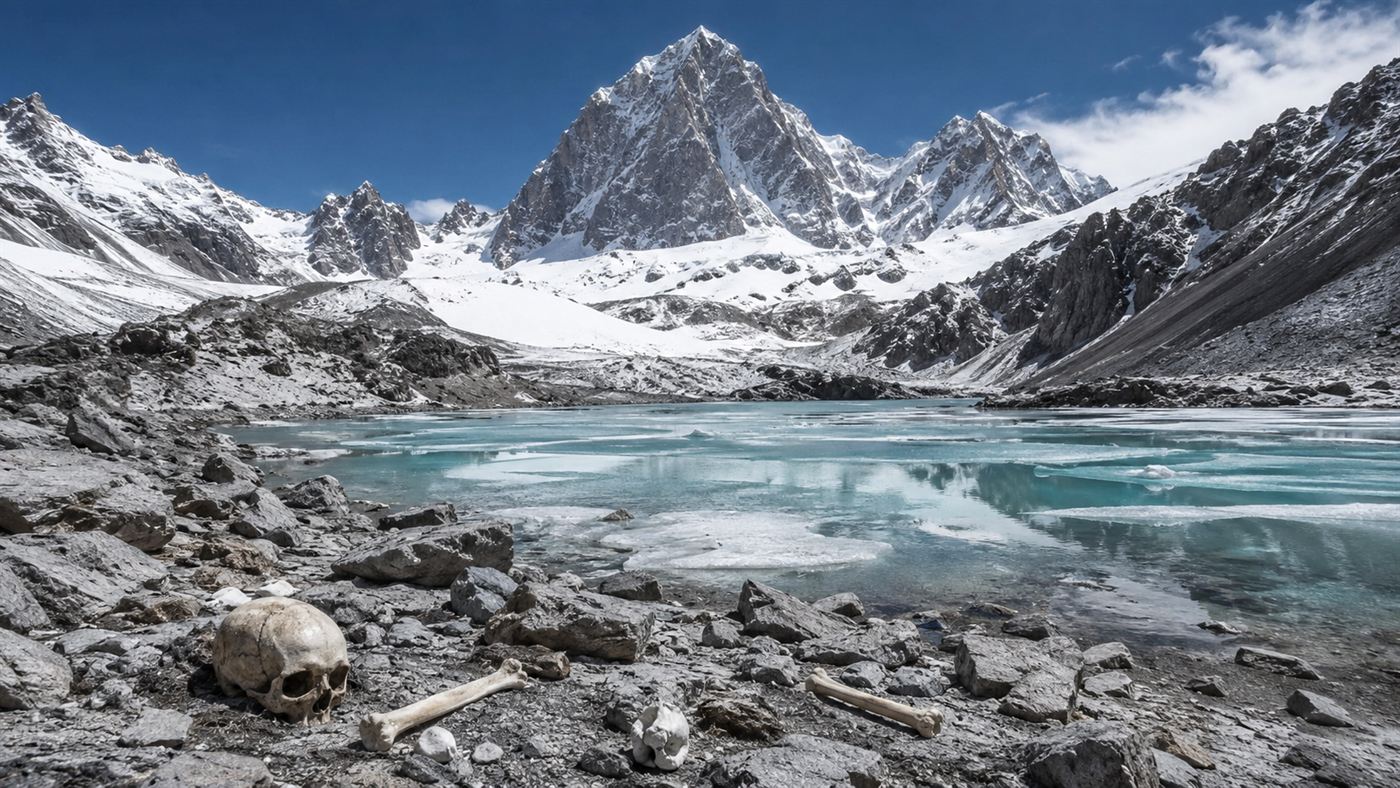
Roopkund Lake, high in the Himalayas, where hundreds of skeletons emerge from the ice. Illustration: Watts & Wild.
The lake sits more than 5,000 metres up in the mountains of northern India, a shallow basin below the towering peak of Trisul. It is a brutal place, frozen most of the year, far from any village, with no shelter on the bare slopes around it. And yet strewn across its banks and lying in its shallow water are the remains of several hundred people, some so well preserved by the cold that scraps of flesh and hair still cling to the bone.
A British forest ranger stumbled on the grisly scene in 1942 and, with a war on, briefly feared he had found dead enemy soldiers. He had not. The bones were old, and for decades nobody could say who these people were, what they were doing at such a forbidding spot, or how so many of them came to die there together.
The storm that seemed to solve Roopkund Lake
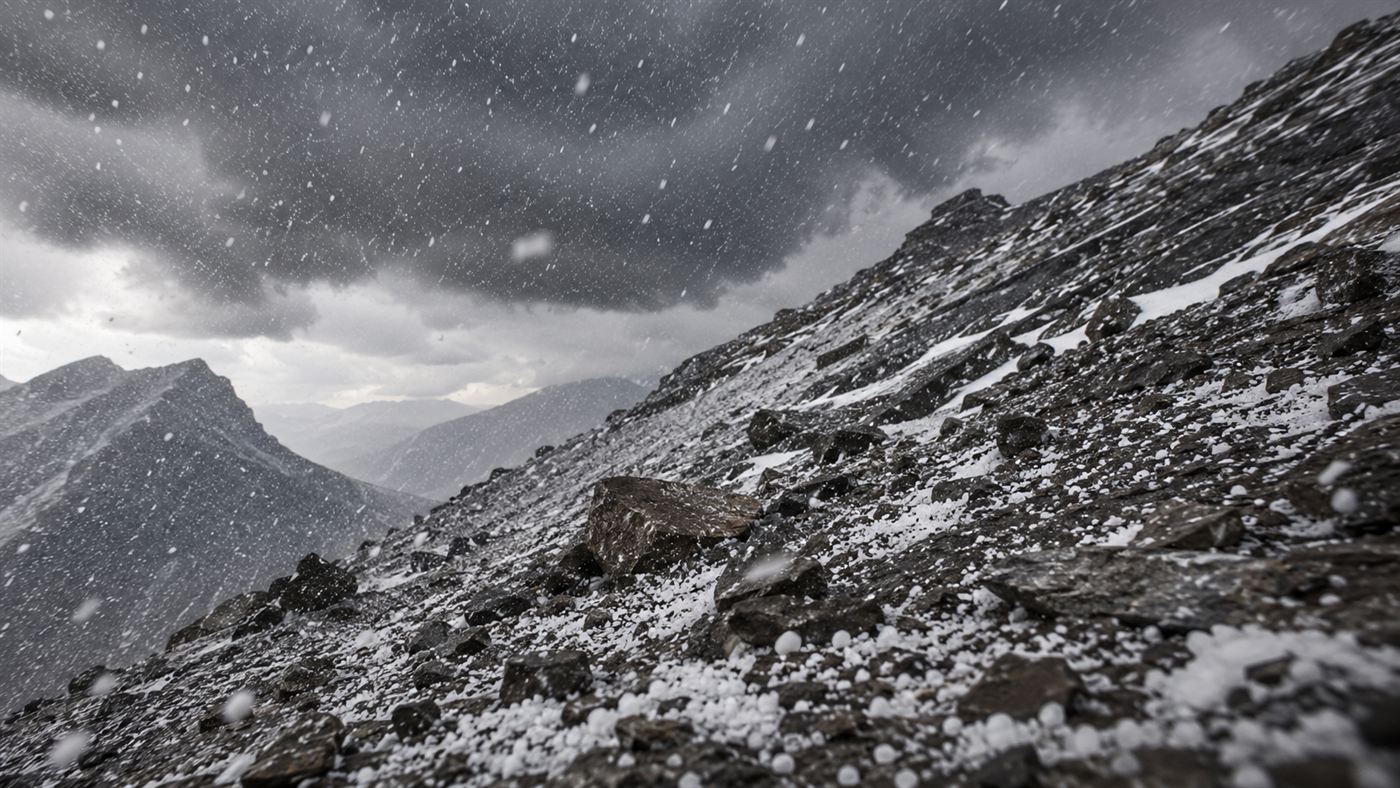
For a long time the most convincing answer was a sudden, freak storm. When researchers examined the skulls, many of them showed short, deep cracks and compression injuries on the top of the head and the shoulders, as if the victims had been struck hard from directly above. Out on an exposed mountainside with nowhere to hide, there is one obvious thing that falls from the sky hard enough to do that: hail.
The theory goes that a party of travellers, perhaps pilgrims, was caught in the open around the ninth century by a storm of enormous hailstones, some the size of cricket balls, and battered to death where they stood. A local folk song even tells of a goddess enraged by intruders who pelted them with a rain of iron. For years that looked like the solved mystery of Skeleton Lake.
How DNA reopened the case
Then, in 2019, scientists did something the hailstorm story never accounted for: they read the DNA. As the study published in Nature Communications reported, the bones did not all belong to a single doomed party at all. They came from at least three distinct genetic groups, and, astonishingly, the people had died not in one event but across roughly a thousand years.
One set of skeletons, people of South Asian ancestry, dated to around 800 AD, which fits the hailstorm idea neatly. As National Geographic reported, another group of fourteen individuals carried ancestry typical of the eastern Mediterranean, the kind of DNA you would expect in people from Greece or Crete, and they had died around 1800 AD, a full millennium later. Quite suddenly, the tidy answer had a gaping hole in it.
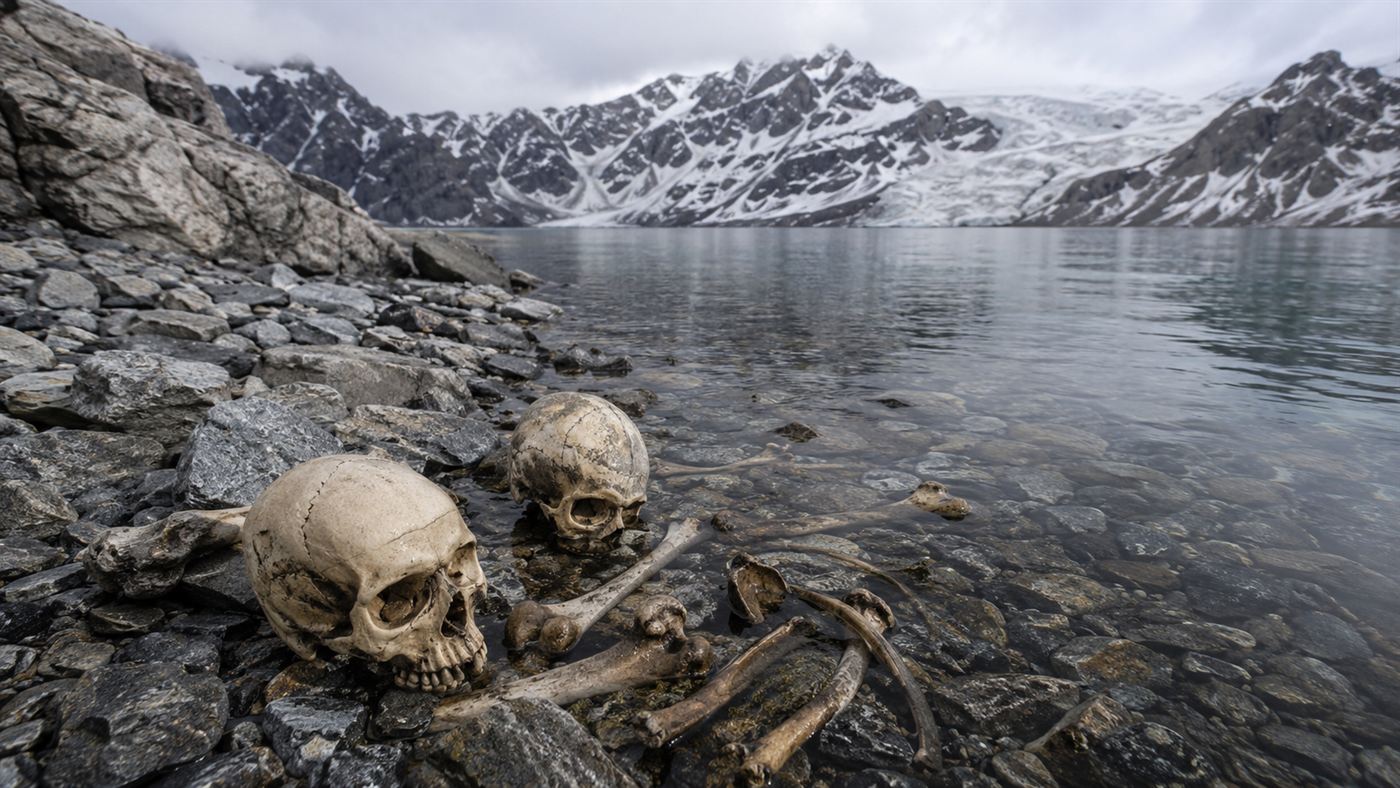
Why is Roopkund Lake called Skeleton Lake?
Simply because of what you see when the ice retreats: the bones of hundreds of people lying in and around a single small mountain pool. It is one of the eeriest sights in the natural world, a remote lake that doubles as an open-air graveyard, and the nicknames Skeleton Lake and Mystery Lake have stuck to it ever since the first visitors recoiled at the scene.
The honest catch
So what actually happened at Roopkund Lake? The truthful answer is that we still do not fully know. The hailstorm is a strong explanation for the older, ninth-century group, whose injuries really do match, but it cannot account for people who died there a thousand years later. The deepest puzzle of all is that second group: nobody can explain why a band of people with Mediterranean ancestry was dying at a freezing, isolated Himalayan lake around 1800, with no historical record of who they were or what drew them. The romantic old idea that they were lost soldiers of Alexander the Great does not survive contact with the dates or the geography. What the DNA gave us was not a solution but a better mystery, the realisation that this lonely lake has been collecting the dead, for reasons we cannot fully read, for far longer than anyone guessed. Not every mountain mystery resists science, though: decades on, researchers think they have finally explained the deaths of nine hikers at Russia's Dyatlov Pass.
Hundreds of dead from a thousand years apart, in one lake at the roof of the world, and we still cannot fully say why. Does the DNA twist at Roopkund Lake make the mystery more thrilling for you, or more frustrating? Tell us what you think in the comments.
Related reading: Another riddle the evidence never quite closed, the ship found drifting with no one aboard.