Engineers wanted to flood an Egyptian desert below sea level with the Mediterranean to make power forever, and one plan called for digging the canal with 213 nuclear bombs
Deep in Egypt's Western Desert lies an enormous natural pit, a stretch of nothing the size of a small country that sits 133 metres below the surface of the sea. For a hundred years, engineers have looked at it and had the same audacious thought: let the Mediterranean pour in, and the falling water could power a nation. One version of the plan was so bold it involved hundreds of hydrogen bombs.
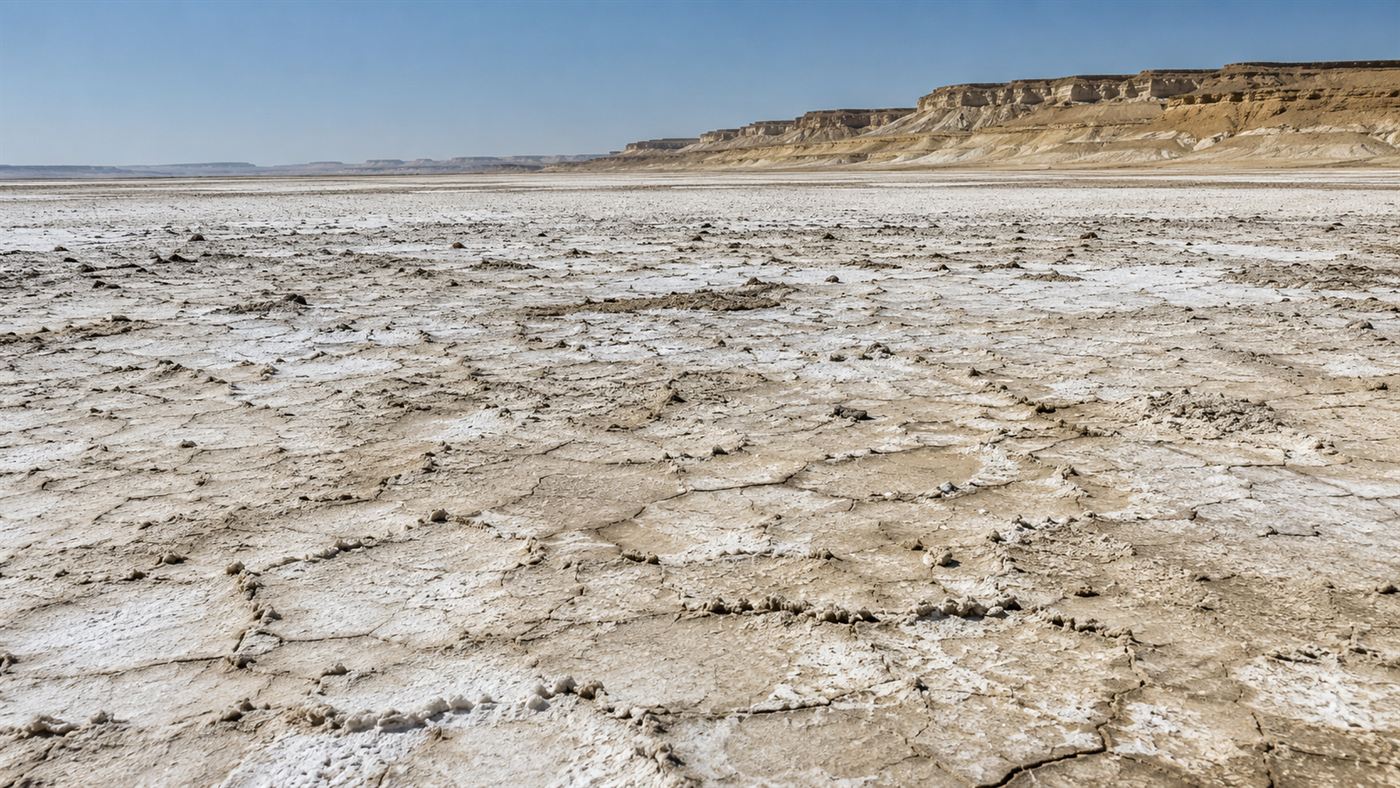
The Qattara Depression: a desert basin that drops 133 metres below the sea. Illustration: Watts & Wild.
The Qattara Depression Project is one of the great might-have-beens of engineering, a scheme repeatedly dreamed up, seriously studied, and never built, because it sits right on the knife-edge between visionary and insane. It is the story of a piece of geography so unusual that it seems to be begging to be turned into a power station, and of the very good reasons humanity has so far declined the invitation.
It starts with the hole in the ground itself.
What is the Qattara Depression Project?
The Qattara Depression is a vast basin in the Sahara, west of the Nile, covering roughly the area of a small country. Its floor is not at sea level but far below it, dipping to about 133 metres beneath the Mediterranean, which lies only a few dozen kilometres to the north. In other words, there is a colossal empty bowl in the desert sitting lower than the nearby sea, with just a strip of land holding the water out.
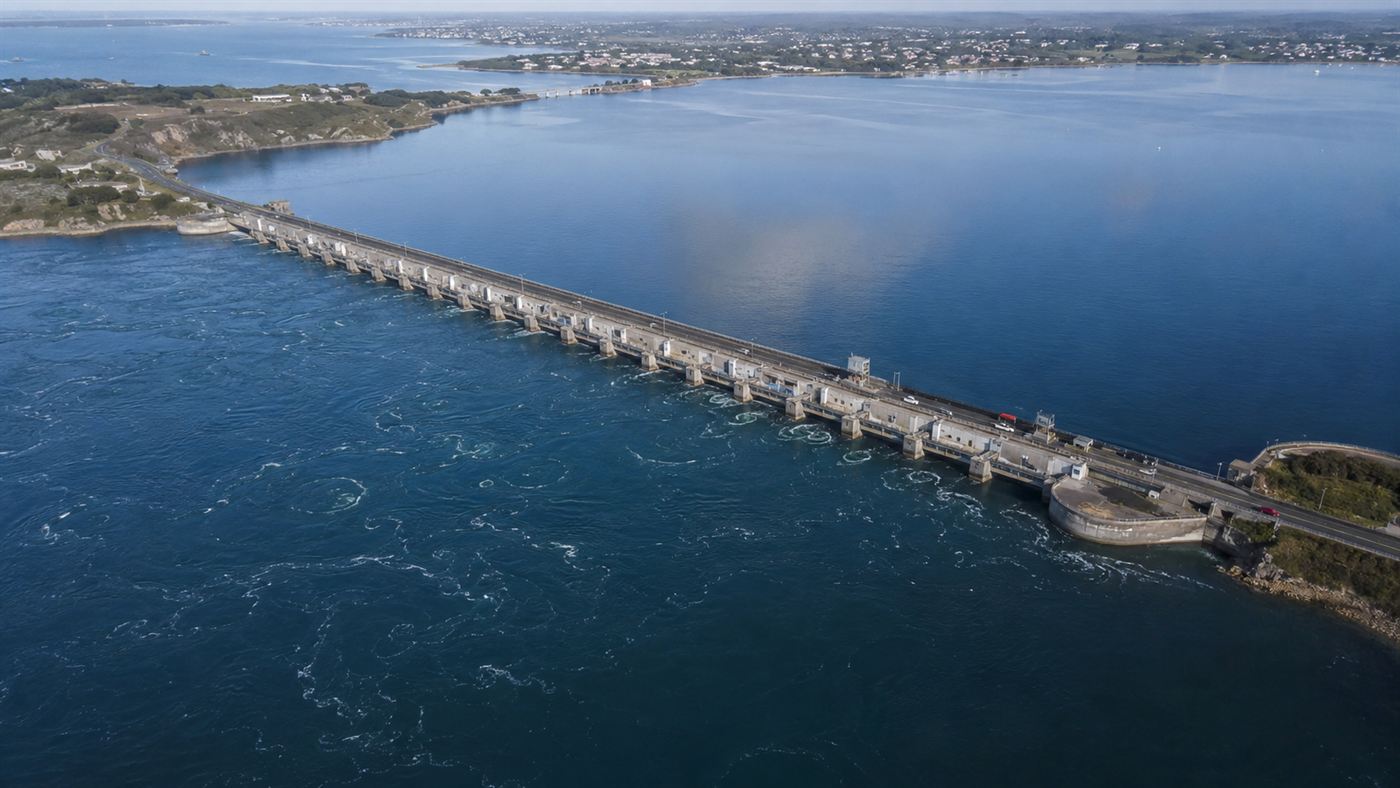
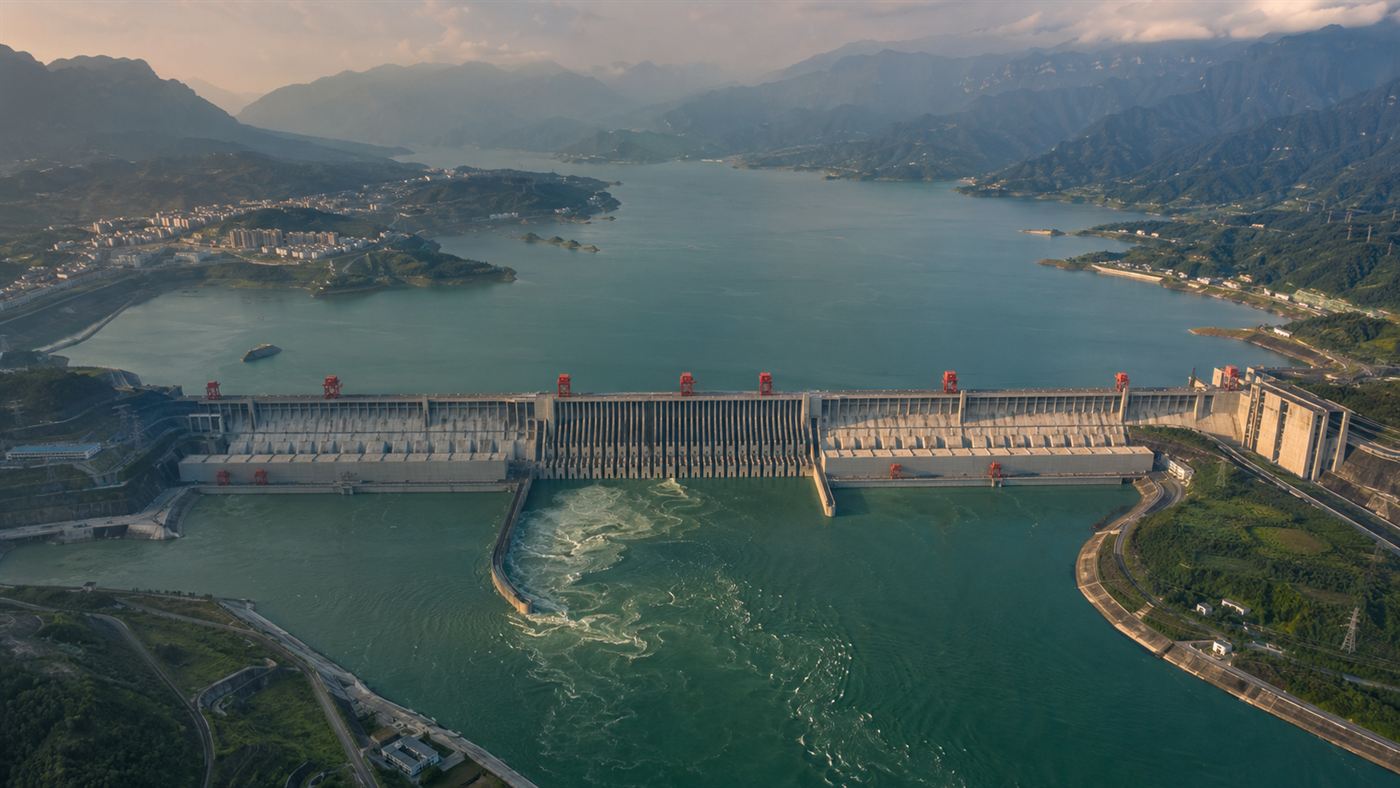
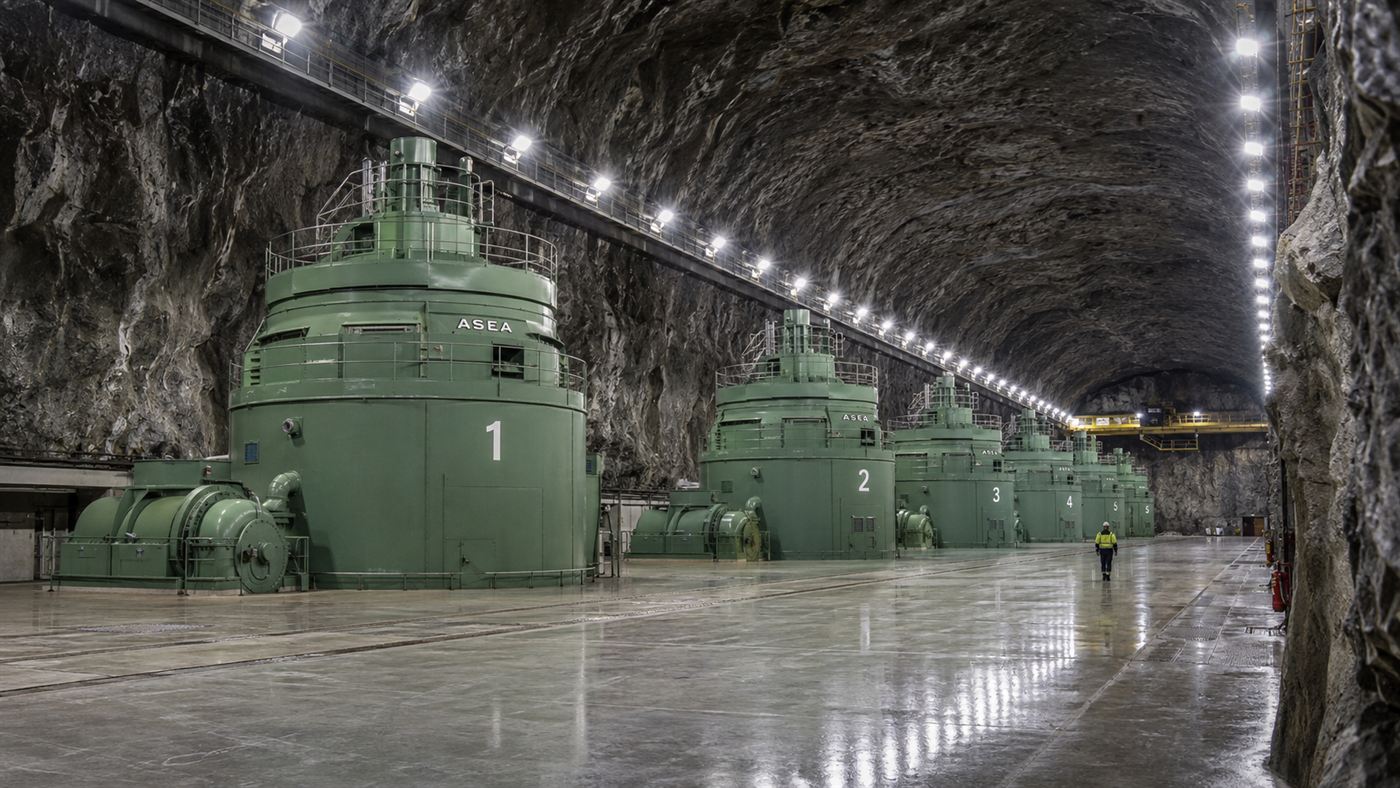
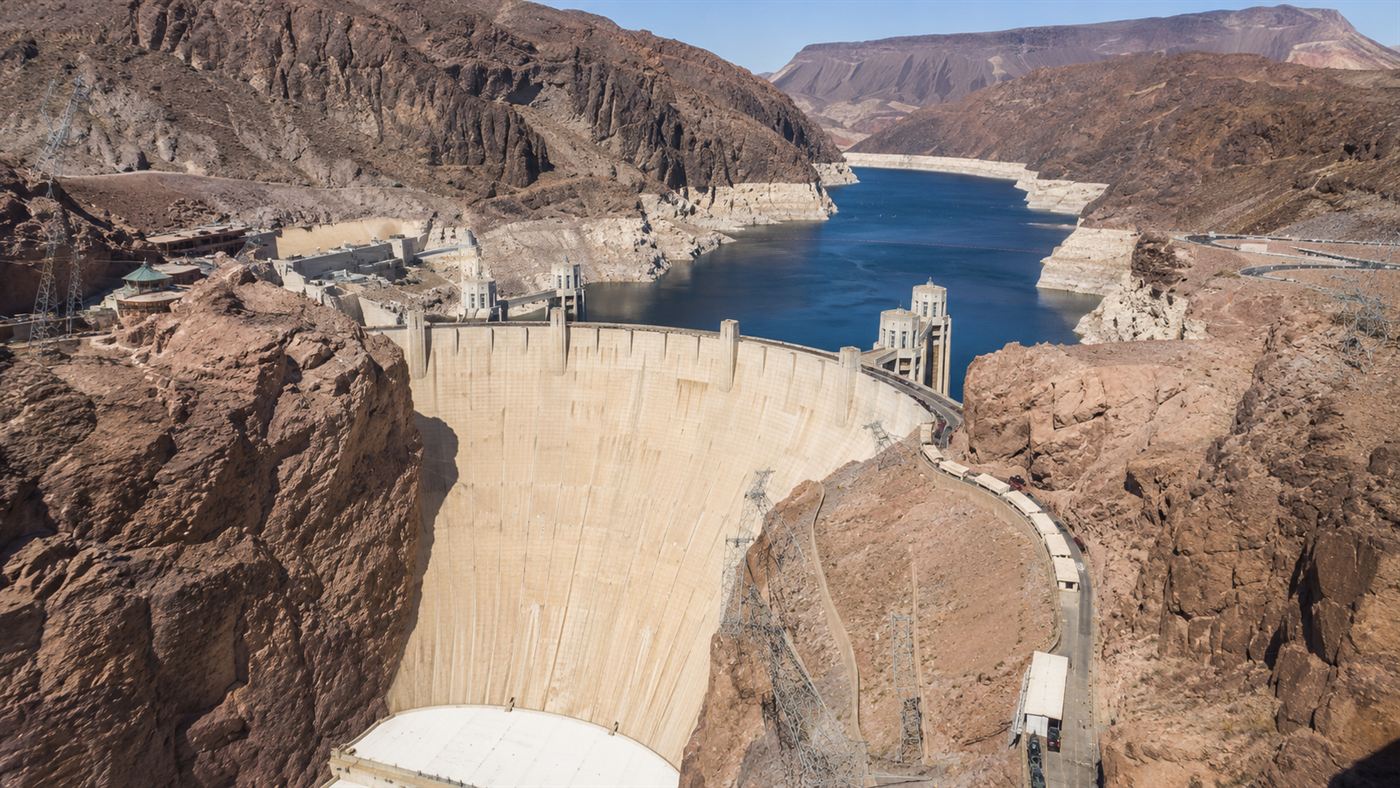
The idea is almost childishly simple, and that is its seduction. Cut a canal or tunnel from the Mediterranean to the depression, and seawater will come rushing downhill into the basin, and you can put hydroelectric turbines in its path to harvest the energy of that fall, just like a dam. Because the desert sun would constantly evaporate the water arriving in the basin, the sea would keep flowing in to replace it, in theory generating power for as long as the sun keeps shining.
A waterfall in the desert that never stops
This is the genuinely clever heart of the scheme. A normal hydroelectric dam needs a river to keep refilling its reservoir. The Qattara plan needs no river at all. The "fuel" is the height difference between the sea and the basin floor, and the engine that keeps it running is evaporation.
As long as the relentless desert heat boils away the incoming seawater, the basin can never fill up and level off, so the inflow, and the power, never has to stop. It is one of the few power-station concepts ever proposed that is, in principle, perpetual, a man-made waterfall in the middle of the Sahara that runs on sunshine and gravity. On paper, it looked like a gift from geography.
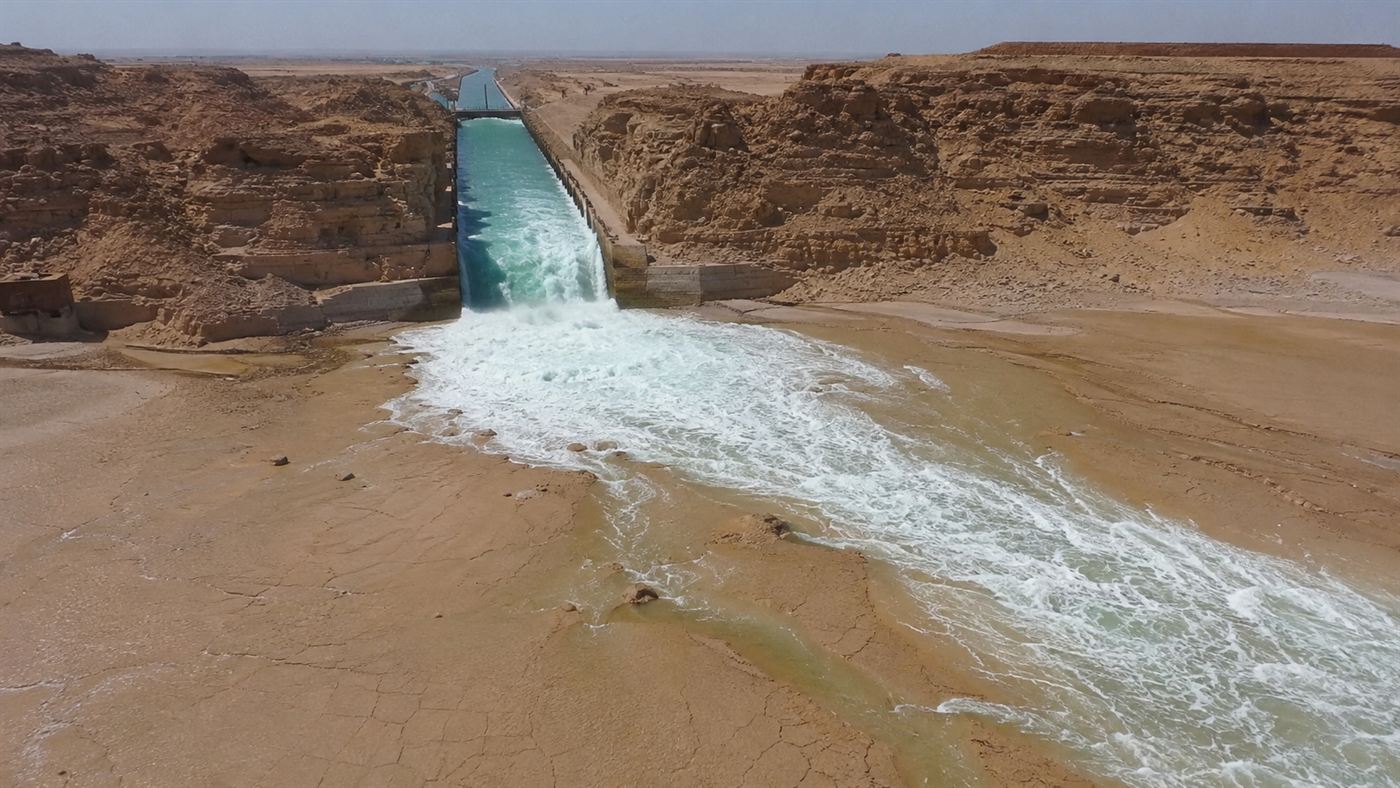
The plan to dig a canal with 213 nuclear bombs
So why has it never happened? The killer has always been the canal. To carry enough seawater to make serious power, you need to move a staggering volume of earth and rock to cut a channel up to 80 kilometres long from the coast, and conventional digging on that scale turned out to be ruinously expensive.
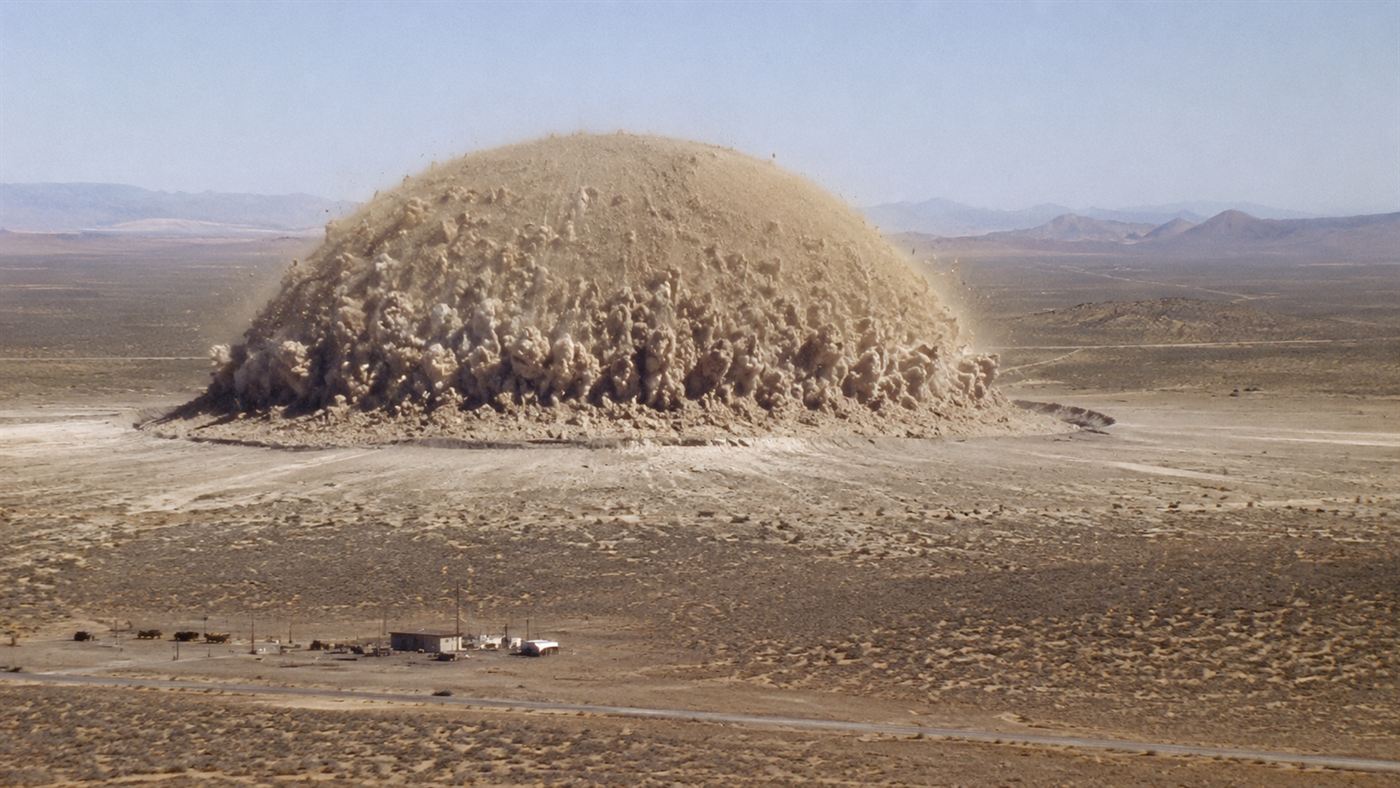
In the 1970s, a study reached for the era's most jaw-dropping solution. This was the age of "peaceful nuclear explosions," when some scientists genuinely believed atom bombs could be used as giant earth-movers. The proposal was to dig the Qattara canal by detonating 213 nuclear devices in boreholes, each one yielding around 1.5 megatons, more than a hundred times the power of the bomb dropped on Hiroshima. The blasts would blow the canal out of the desert in a series of titanic explosions. It is one of the most extraordinary engineering proposals ever seriously put on paper, and understandably, the Egyptian government balked at the idea of carpet-bombing its own desert with hydrogen bombs.
Why was it never built?
Strip away the nuclear drama and the project still faces hard problems. The power it would generate, while real, is modest compared with the gigantic cost of the canal and the turbines, especially now that cheap solar and wind can be built far faster. The basin is not empty of life or people either; flooding it would drown desert ecosystems and the lands of the Bedouin who live around its oases.
And the "perpetual" lake comes with a sting. Because evaporation removes pure water but leaves the salt behind, the new inland sea would grow steadily, relentlessly saltier over time, eventually becoming a dead, hyper-saline lake with serious and hard-to-reverse environmental effects. Every fresh feasibility study, and Egypt has commissioned several over the decades, runs into the same wall: a beautiful idea, undone by cost, salt and consequences.
The honest catch
It is worth being clear that the Qattara scheme is not a crackpot fantasy; it is a serious concept that real engineers have studied for over a century, and a version of it could probably be built today. The point is that "could" and "should" are very different words. The project has survived this long not because it is practical, but because the underlying geography is so tantalising that engineers keep coming back to it, unable to quite let the dream go.
The nuclear-excavation chapter in particular deserves to be remembered with a shudder rather than nostalgia. For a brief, strange period in the twentieth century, blowing canals and harbours out of the earth with nuclear weapons was treated as a reasonable engineering option, and Qattara was one of its grandest proposals. That we ultimately said no is one of the quiet good decisions of the atomic age.
Why the Qattara Depression Project still matters
The scheme keeps resurfacing, with Egypt announcing fresh feasibility studies as recently as the 2020s, because the basic temptation never goes away. As long as there is a giant hole in the desert sitting below the level of the sea, someone will always wonder whether it could be made to pay.
And that is what makes it such a perfect Watts & Wild story. The Qattara Depression Project is a monument to the engineer's instinct to look at a strange feature of the natural world and ask "what if we just released all that energy", and to the hard-won wisdom of knowing when the answer should be "best not". The hole is still there, still below the sea, still waiting. So far, sense has won.
A perpetual power station made by flooding a desert, dug out with hundreds of nuclear bombs, was a serious plan. When geography hands us a temptation this big, is it braver to build it, or to walk away? Tell us what you think in the comments.
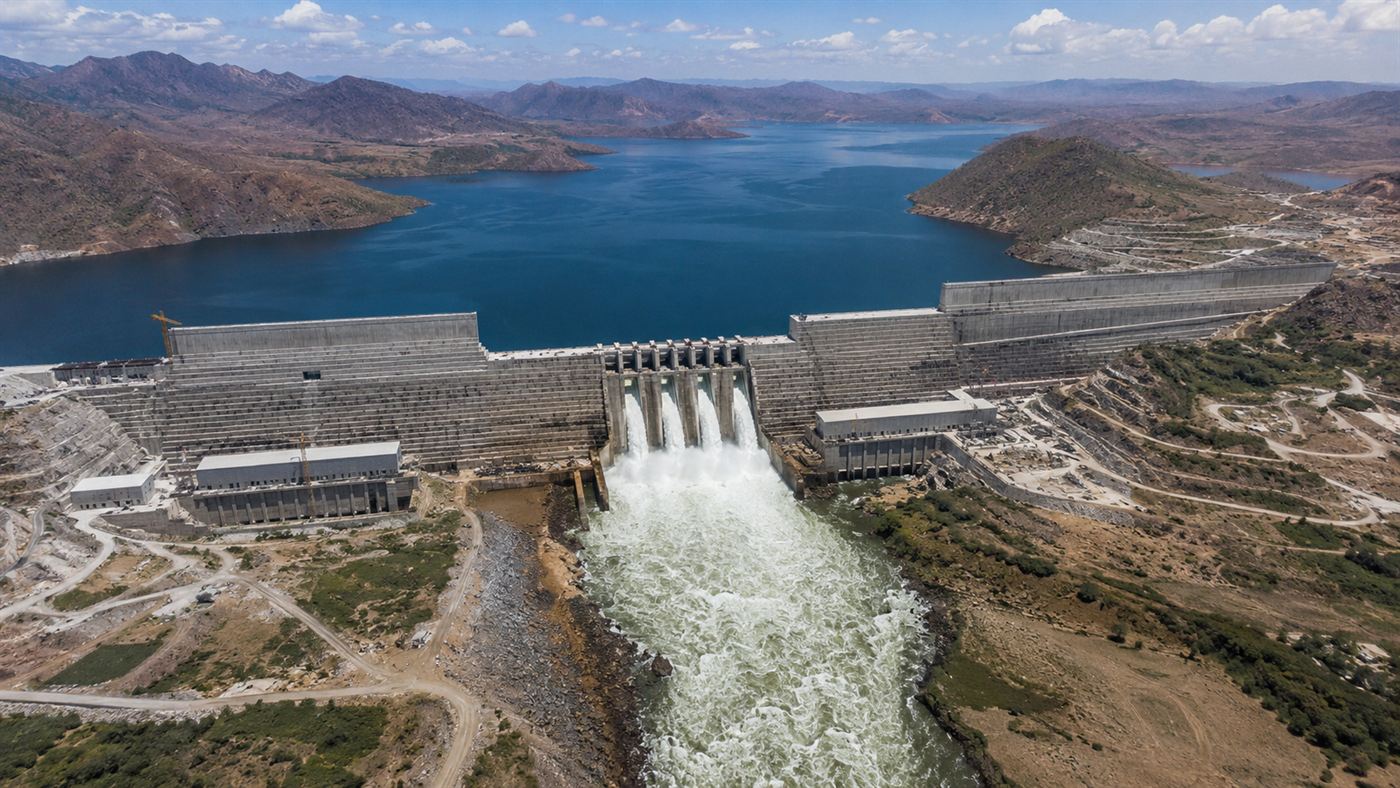
Related reading: A dam that actually got built, Ethiopia's GERD, shows how even a finished mega-hydro project can become a decades-long source of conflict.