In 1967 the US set off a nuclear bomb underground to frack gas, and it worked too well to use
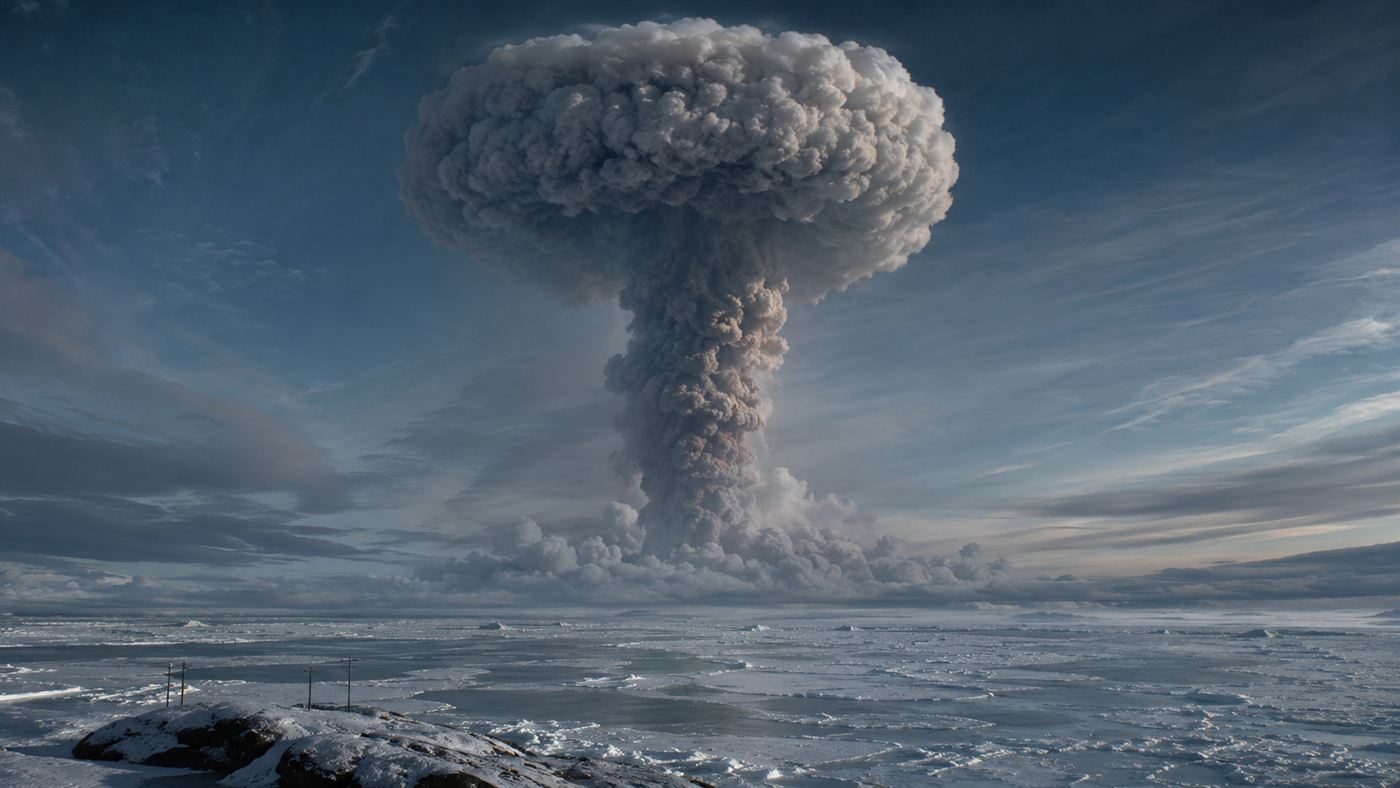
On a December morning in the forests of northern New Mexico, government scientists lowered a nuclear bomb nearly a mile into the earth and set it off on purpose. There was no mushroom cloud and no enemy. The target was rock, and the goal was natural gas. The bomb did exactly what they hoped, and that turned out to be the problem.
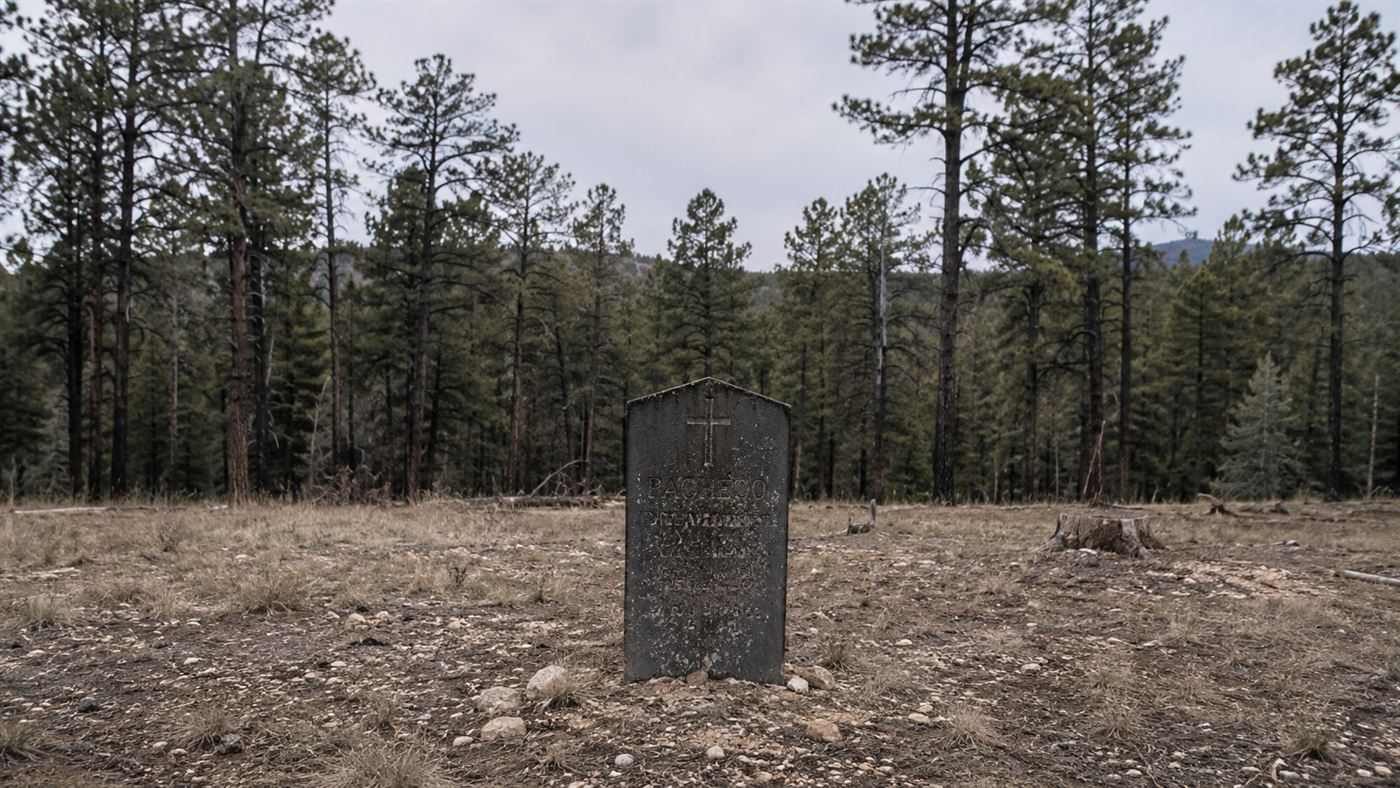
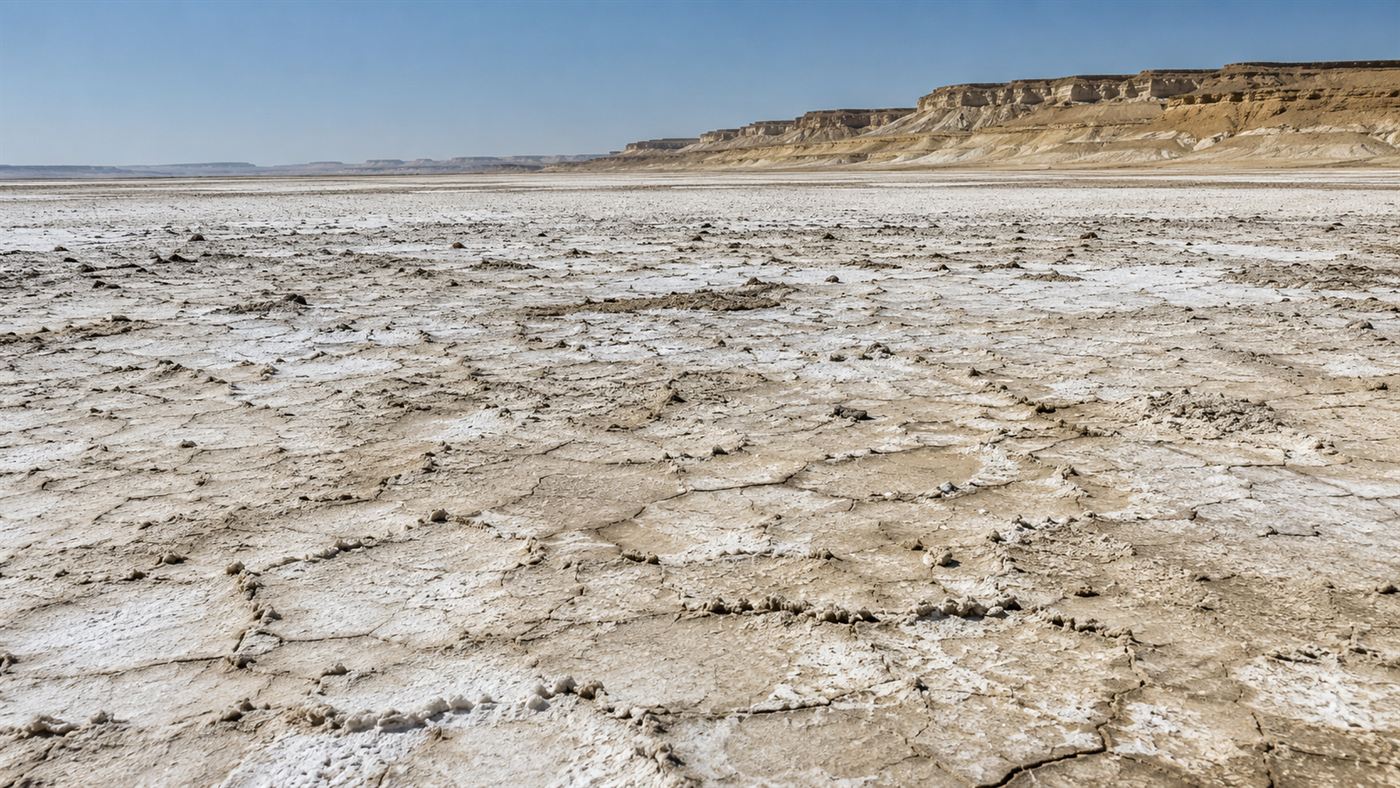
A quiet marker in the Carson National Forest is all that shows at the surface of the Project Gasbuggy site. Illustration: Watts & Wild.
Project Gasbuggy was the United States trying to turn the most destructive weapon ever built into a mining tool. On December 10, 1967, the Atomic Energy Commission and the El Paso Natural Gas Company detonated a 29-kiloton nuclear device, roughly twice the power of the Hiroshima bomb, at a depth of 4,227 feet in the gas fields east of Farmington.
The thinking was simple, and on paper almost elegant. Much of America's natural gas is trapped in rock too tight to flow freely, so engineers were forever looking for ways to shatter that rock and let the gas escape. What could shatter rock better than an atomic bomb?
The dream of the friendly bomb
Gasbuggy was one piece of a much stranger program called Operation Plowshare, a Cold War effort to find peaceful uses for nuclear explosions. The name came from the Bible, beating swords into plowshares, and the physicist Edward Teller was its loudest champion. Planners seriously proposed using nuclear bombs to dig harbors, carve canals, and blast highway cuts through mountains.
It sounds insane now, but in the optimism of the early atomic age it felt like progress. If the bomb could end a war, surely it could also build things. Gas stimulation was one of the few Plowshare ideas that made it all the way from a chalkboard to a real detonation, and for a few years it looked like it might actually pay off.
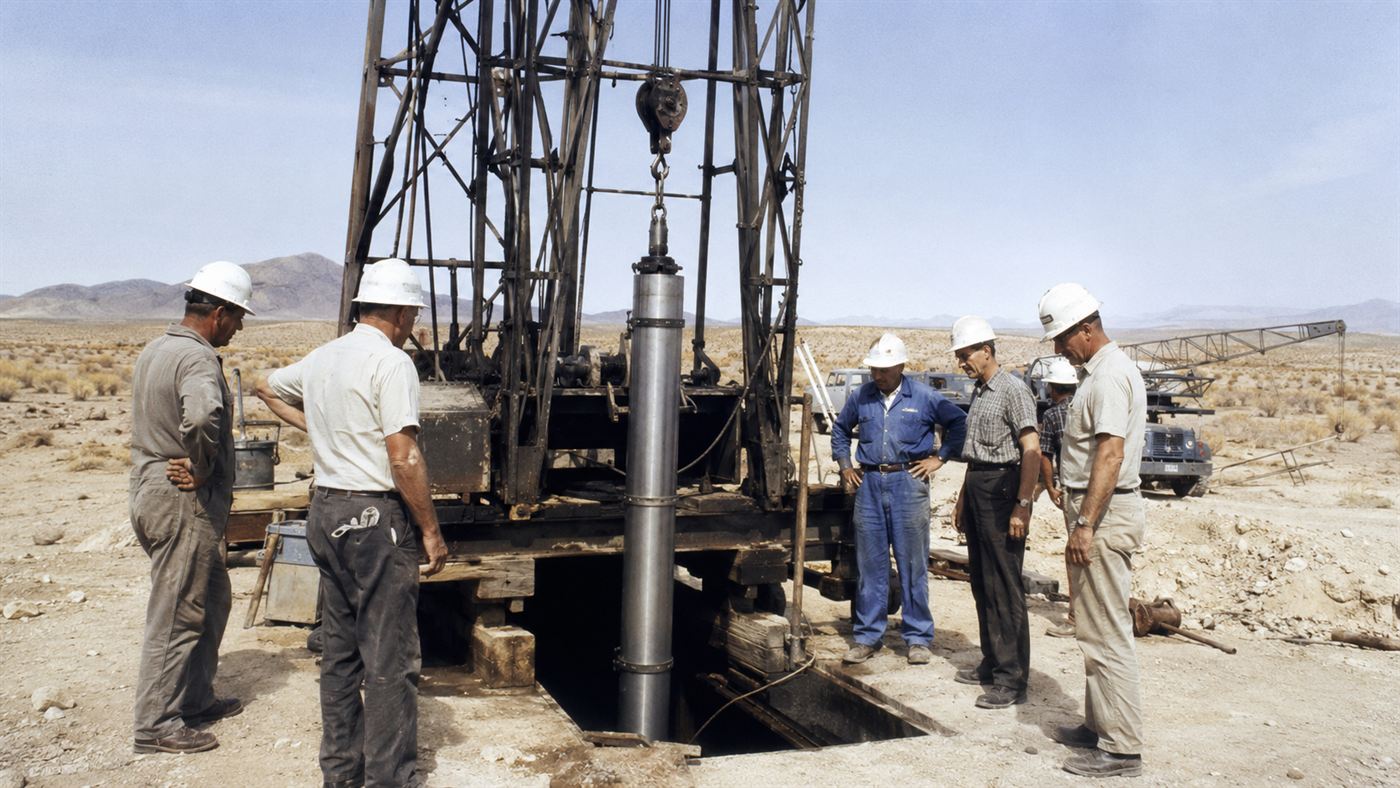
What Project Gasbuggy actually did
When the bomb went off, it vaporised the rock around it and left a glowing cavity that collapsed into a tall chimney of rubble, about 335 feet high and 160 feet across. That broken rock was exactly the point: it opened countless new cracks for trapped gas to seep through. The shattered zone released around 295 million cubic feet of natural gas, far more than an ordinary well in that rock would ever give up.
By the narrow measure the engineers had set themselves, it was a success. The blast had fractured the formation and the gas had come. For a moment it seemed the atomic age might quietly reinvent the gas industry from below, one buried bomb at a time.
The gas came out radioactive
Then they tested the gas, and the dream fell apart. Even though the device had been designed to leave behind as little radiation as possible, the gas that flowed from the cavity was laced with tritium, a radioactive form of hydrogen, along with other contamination. You cannot pipe radioactive gas into people's homes to cook dinner and heat water, and no amount of clever engineering changed that basic fact.
The whole economic case had rested on selling that gas, and now the gas was unsellable. The flare from the test well was eventually lit and the contaminated gas simply burned off. A reservoir of fuel had been unlocked and, in the same instant, rendered useless to anyone.
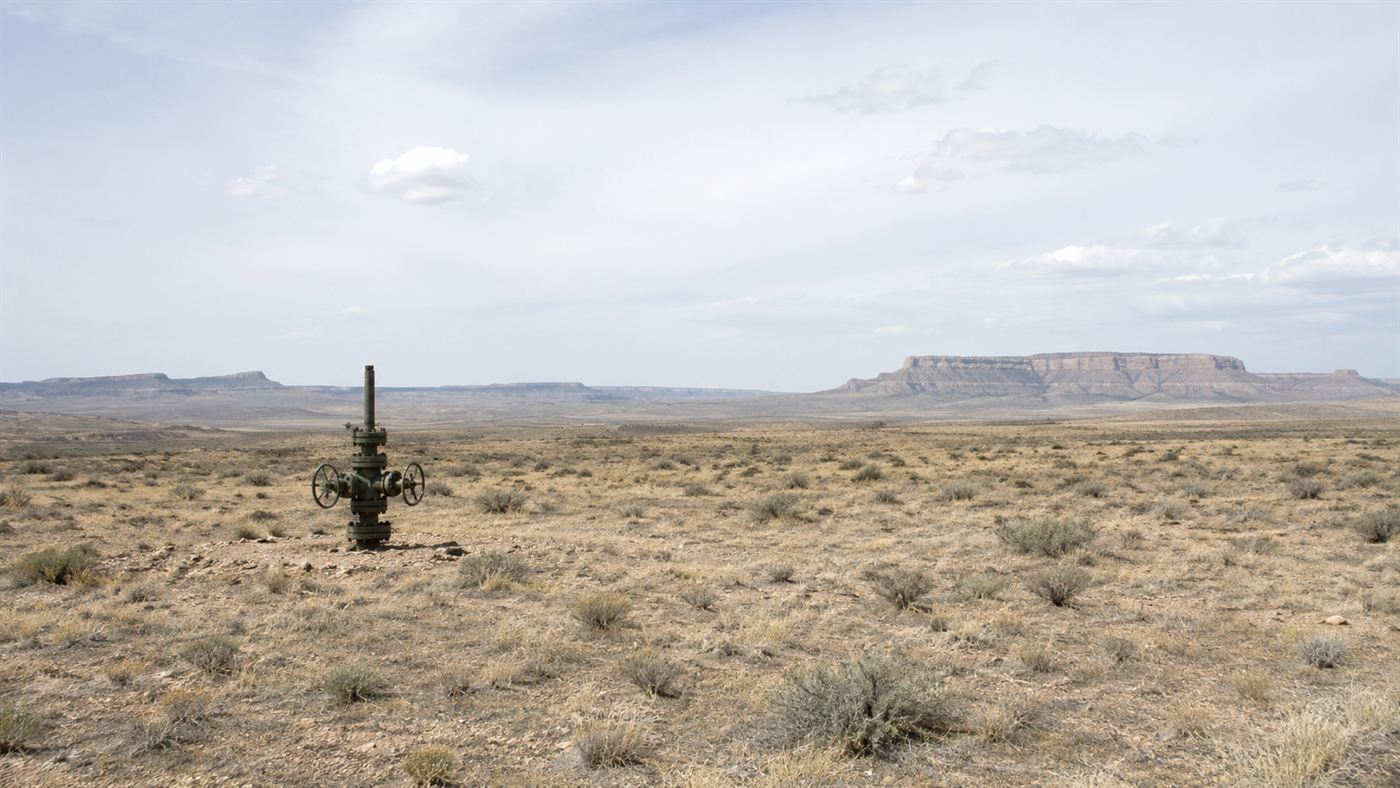
Three nukes and a dead idea
Remarkably, Gasbuggy was not the end. The same logic was tried twice more, with bigger bombs. Project Rulison set off a 40-kiloton device in Colorado in 1969, and Project Rio Blanco fired three devices at once in 1973. Every test produced the same poisoned result: gas that flowed, and gas that no one could safely burn in a kitchen.
By then the public had turned sharply against the idea of nuclear blasts going off near their towns and water. The economics never worked, the radioactivity never went away, and the political will evaporated. Plowshare was quietly wound down in the 1970s, having proved its gas idea was technically possible and practically hopeless.
The honest catch
It is easy to laugh at Gasbuggy as pure Cold War madness, but the engineers were not fools. The blast really did fracture the rock and free the gas, and the science behind it was sound. The fatal flaw was not the cracking, it was the contamination, a problem no clever bomb design ever solved. The bomb could open the door to the gas, but it could not make that gas clean enough to use.
There is a final irony buried in the story. The thing Plowshare was reaching for, cracking tight rock to release trapped gas, did eventually arrive, just without the nuclear part. Modern hydraulic fracturing, pumping water, sand and chemicals at high pressure, unlocked exactly those formations a couple of decades later. The goal was real. The method was monstrous.
Did Project Gasbuggy actually work?
In the lab sense, yes. The detonation shattered the gas-bearing rock and released hundreds of millions of cubic feet of natural gas, proving the basic concept of nuclear stimulation. In every sense that mattered, no. The gas was radioactive, it could not be sold, the cost was enormous, and the test ultimately helped kill the very program it was meant to prove.
Is the Project Gasbuggy site still radioactive?
The surface today is a quiet clearing in the Carson National Forest with a stone marker and a warning, but underground the story is not over. Radioactive material still sits in the old blast cavity, so the government continues to monitor the site and forbids any drilling or digging into it. The land above can be walked on, but the rock below remains sealed off, a small no-go zone left over from a very strange idea.
A nation set off a bomb twice the size of Hiroshima to mine gas, succeeded, and walked away because the prize glowed. Was Gasbuggy a bold experiment ahead of its time, or a warning the atomic age refused to hear? Tell us what you think in the comments.
Related reading: the plan to blast a sea into the Sahara with 213 nuclear bombs to make power forever. See also the wider Project Plowshare program that tried to dig canals and harbors with nuclear bombs.