France built the world's first tidal power station in 1966, running a city on the pull of the moon, and then almost no one ever copied it
Decades before anyone talked about a clean energy transition, France quietly switched on something remarkable: a power station that runs on the tides. The barrage at La Rance, in Brittany, turned the rise and fall of the sea into electricity in 1966, and it is still humming away today. The strangest part is how few places ever built another one.
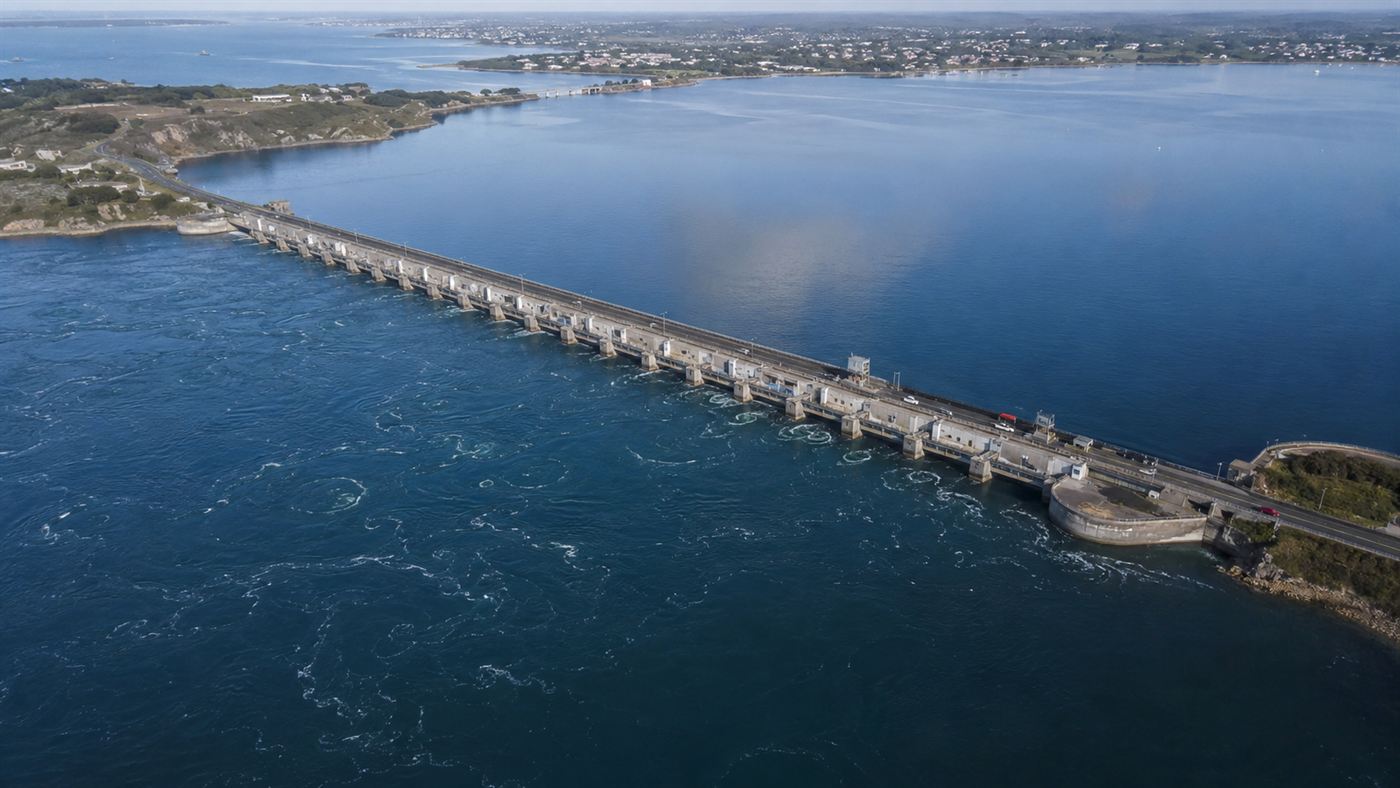
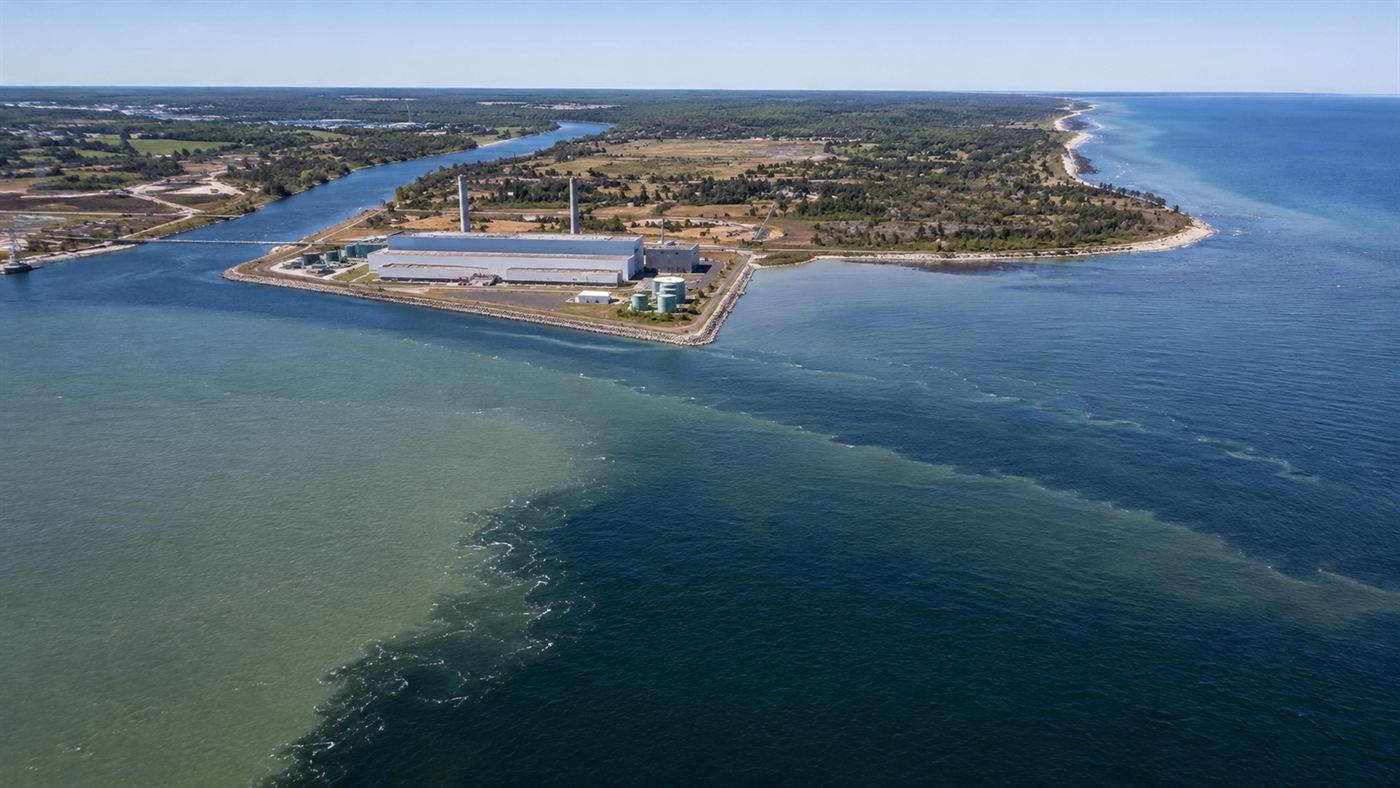
The La Rance barrage spans the estuary, generating power as the tide floods and ebbs. Illustration: Watts & Wild.
The idea of harnessing the tides is ancient; medieval villages ran tide mills to grind grain. But turning that gentle, twice-daily heave of the ocean into grid electricity on a serious scale is a far harder problem, and for most of the twentieth century it remained a dream. France was the first country to actually do it, and at a spot almost perfectly designed by nature for the job.
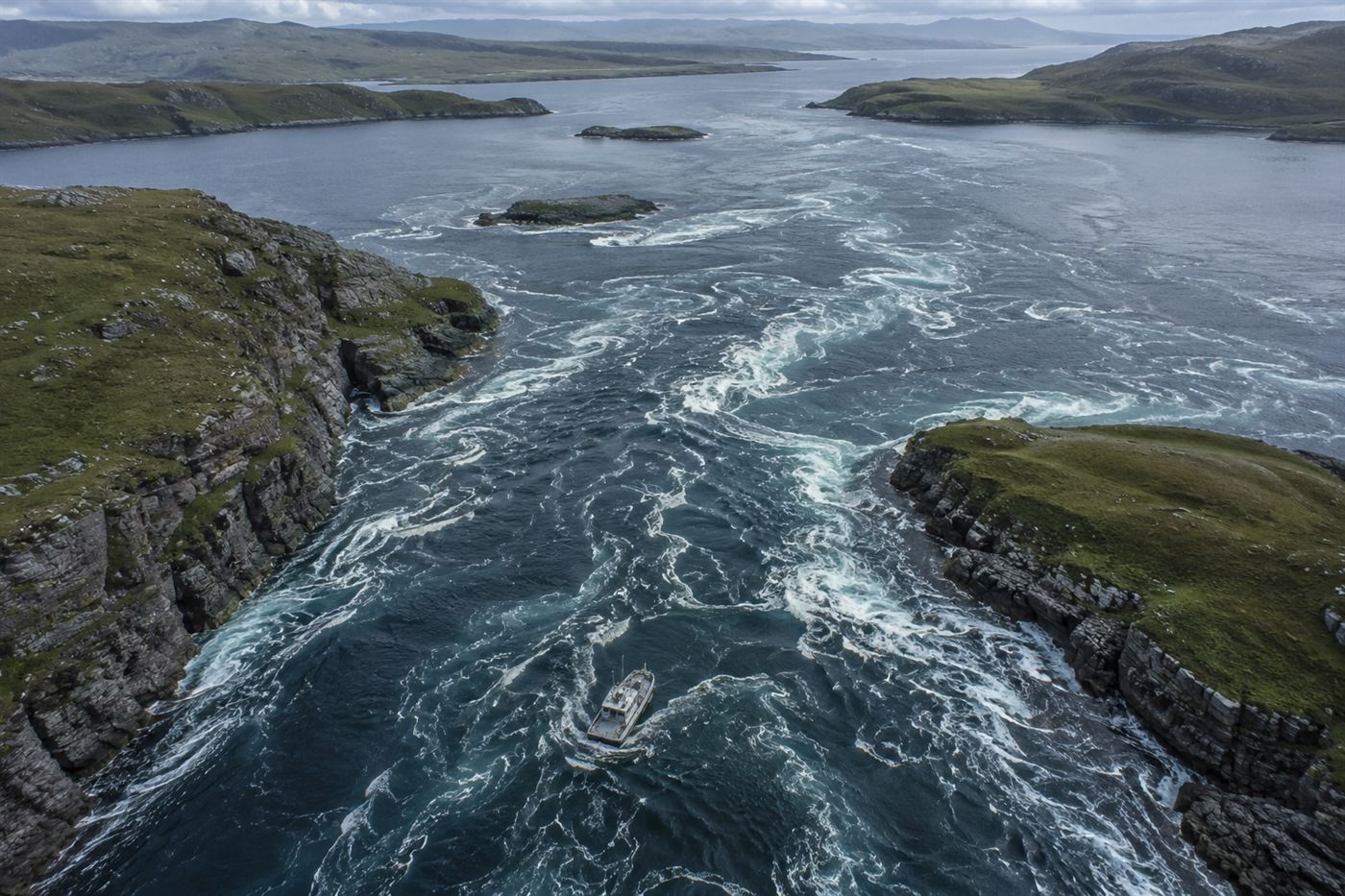
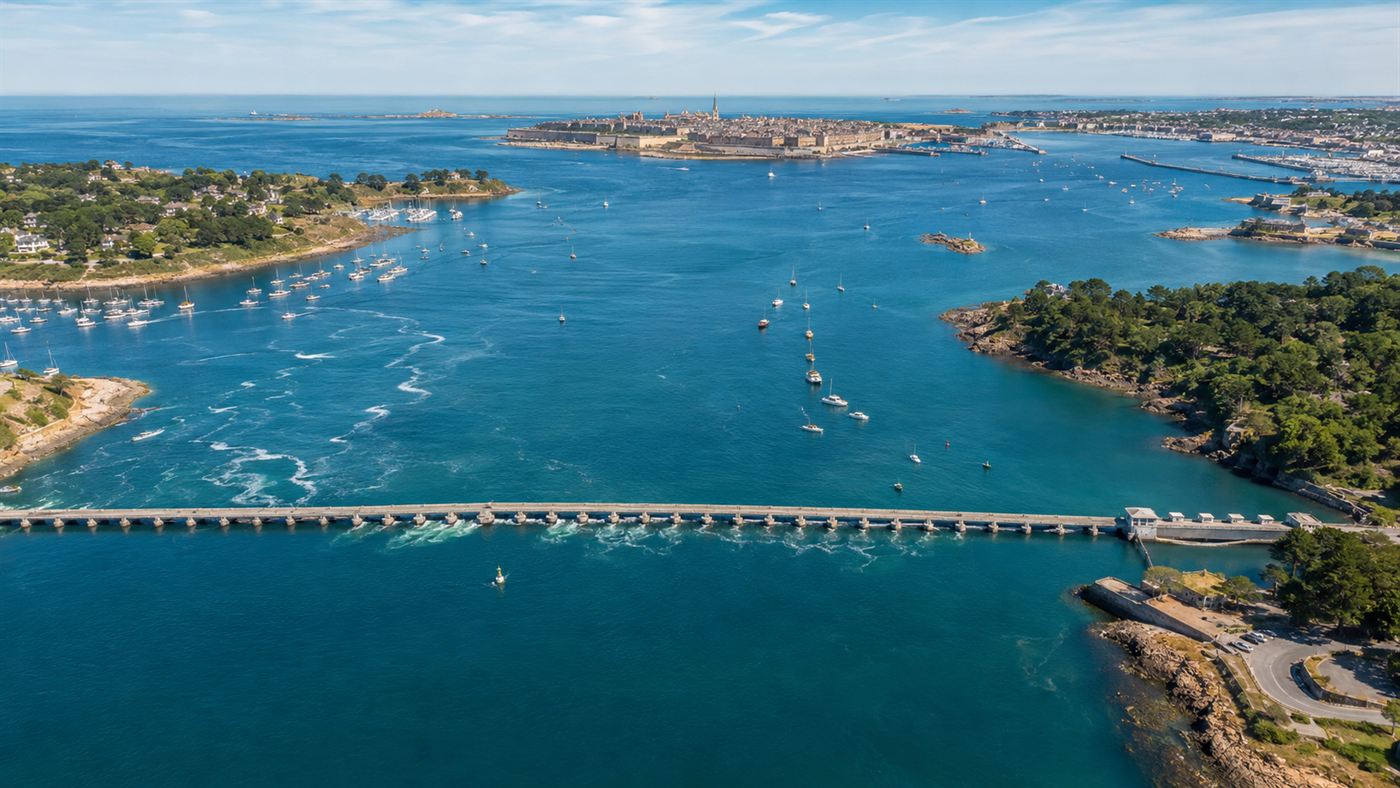
That spot was the estuary of the Rance river, near the walled town of Saint-Malo on the northern coast of Brittany. As Wikipedia records, this stretch of coast has one of the largest tidal ranges in the world, the sea rising and falling by as much as 13 metres between low and high water. That enormous swing of water, funnelled through a narrow estuary, was exactly the raw power that engineers needed.
How La Rance turns the tide into power
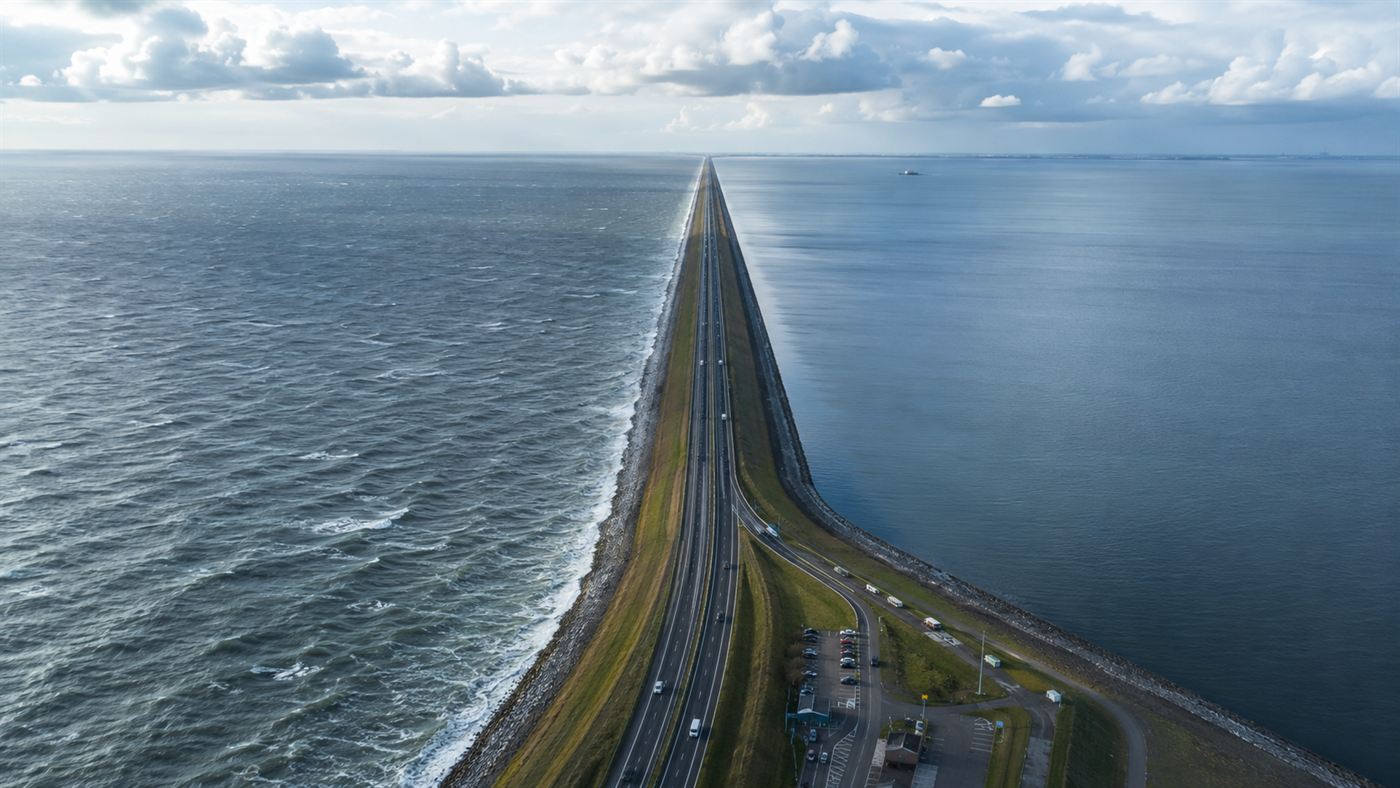
The principle behind La Rance is elegantly simple. Engineers threw a barrage, essentially a long dam with gates and turbines, right across the mouth of the estuary. As the tide comes in, water is allowed to flood through into the basin behind the barrage; at high tide the gates close, holding the water back like a giant bath that has been filled by the sea.
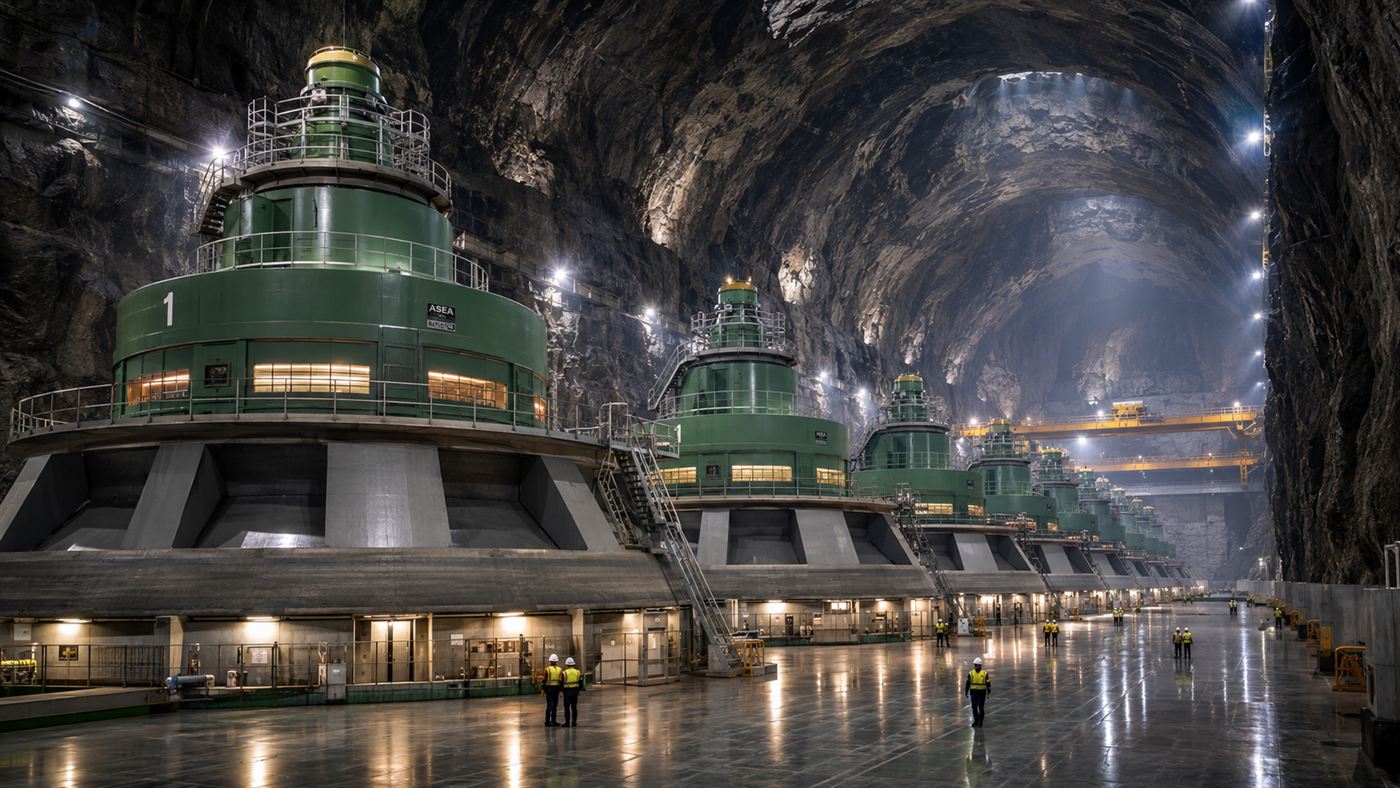
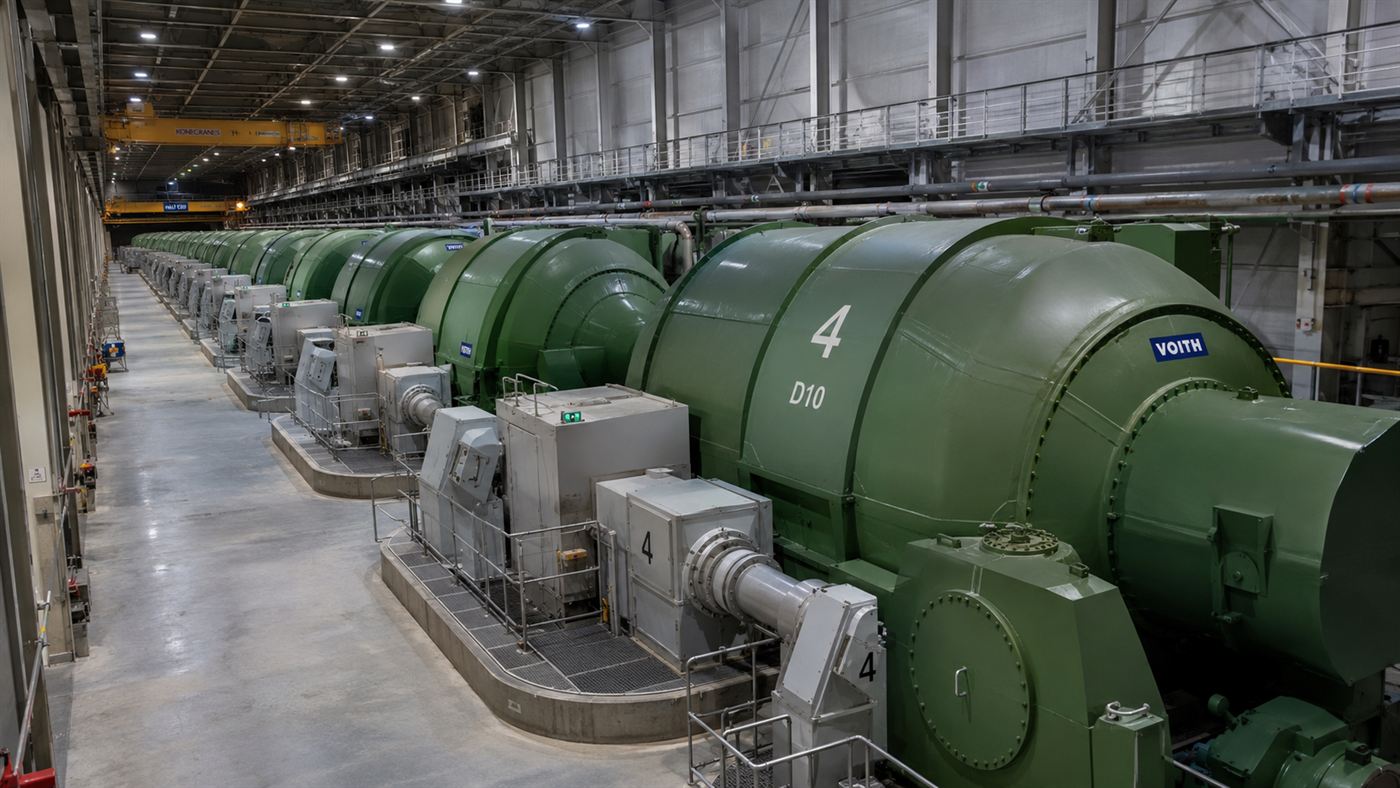
Then, as the sea outside drops with the falling tide, the trapped water is released back out through 24 turbines built into the tidal barrage, spinning them to generate electricity. Cleverly, the same turbines can also run in reverse and generate as the tide floods back in, squeezing power out of both directions of the tides. As Britannica explains in its overview of tidal power, the whole plant produces a peak of 240 megawatts, enough for a fair-sized town.
A power source you can set your clock by
What makes tidal power so appealing is its sheer reliability. Solar power vanishes at night and wind drops when the air goes still, but the tides are driven by the moon and the sun, and they are utterly predictable, mapped out in tables years in advance. The operators of La Rance know precisely when the water will rise and fall decades from now, which is something no solar or wind farm can ever say.
And the plant has proved astonishingly durable. Opened in 1966, it has been generating clean electricity for around sixty years, its turbines overhauled but its basic structure still sound. As operator EDF notes, it long held the title of the largest tidal power station on Earth, only overtaken in 2011 by a plant in South Korea, and it remains one of the great proofs that the ocean can be a steady, lasting power source.
The honest catch
If tidal power is so reliable, the obvious question is why the world is not ringed with barrages like La Rance. The answer is a tangle of hard limits. The plant only works because of that rare marriage of a giant tidal range and a conveniently narrow estuary, and very few places on Earth offer both. A tidal barrage is also enormously expensive to build up front, even if it runs cheaply for decades afterwards.
There is a serious ecological cost too. Throwing a barrage across an estuary changes it forever, altering the flow, trapping sediment, and disrupting the fish, birds and other life that depend on the natural rhythm of the tides. La Rance reshaped its estuary's ecosystem, and the environmental objections to damming a living estuary have helped stop many proposed tidal schemes elsewhere, including long-debated plans in Britain. Clean does not always mean harmless.
Why a 60-year-old barrage still matters
For all those caveats, La Rance is a quiet landmark in the history of clean energy. It showed, more than half a century ago, that you really can run a chunk of a national grid on nothing but the gravitational pull of the moon, year after year, without burning anything. In an age obsessed with the newest battery or the latest solar panel, there is something humbling about a power station from the 1960s still doing exactly that.
Its rarity is its own lesson. Engineers have increasingly turned away from giant estuary barrages toward gentler ideas like underwater tidal power turbines that work more like wind farms beneath the waves, hoping to capture the same dependable energy without walling off an estuary. Whatever comes next, it will be building on the stubborn old barrage in Brittany that proved the tides could keep the lights on.
France proved 60 years ago that you can run a grid on the moon's pull, and almost nobody followed. Is a barrage that reshapes a whole estuary a price worth paying for perfectly predictable clean power? Tell us in the comments.
Related reading: The underwater turbines harvesting the tides off Scotland without damming anything. See also how Franklin Roosevelt's Passamaquoddy tidal project tried and failed to do the same in 1930s Maine.