A railroad tycoon built a model town where he owned his workers' homes, shops and church, until he cut their pay but not their rent and touched off a strike that shut down the nation's railroads
Just south of Chicago in the 1880s, one of America's richest men built what he called the perfect town: clean brick homes, parks, a library, a theater, all for the people who made his famous railcars. There was only one catch. He owned every last brick of it, and he owned the people's paychecks too.
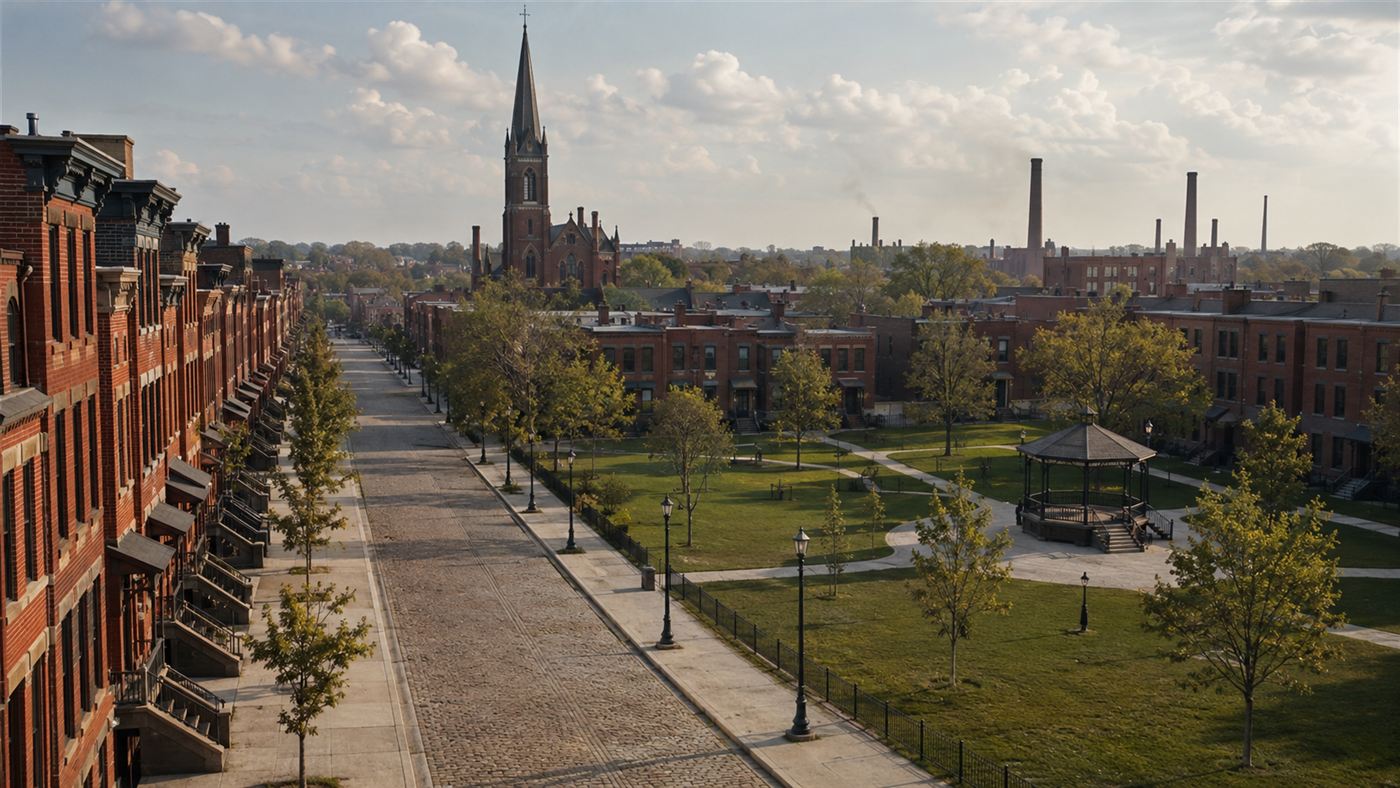
The model town of Pullman was praised worldwide, and owned entirely by one man. Illustration: Watts & Wild.
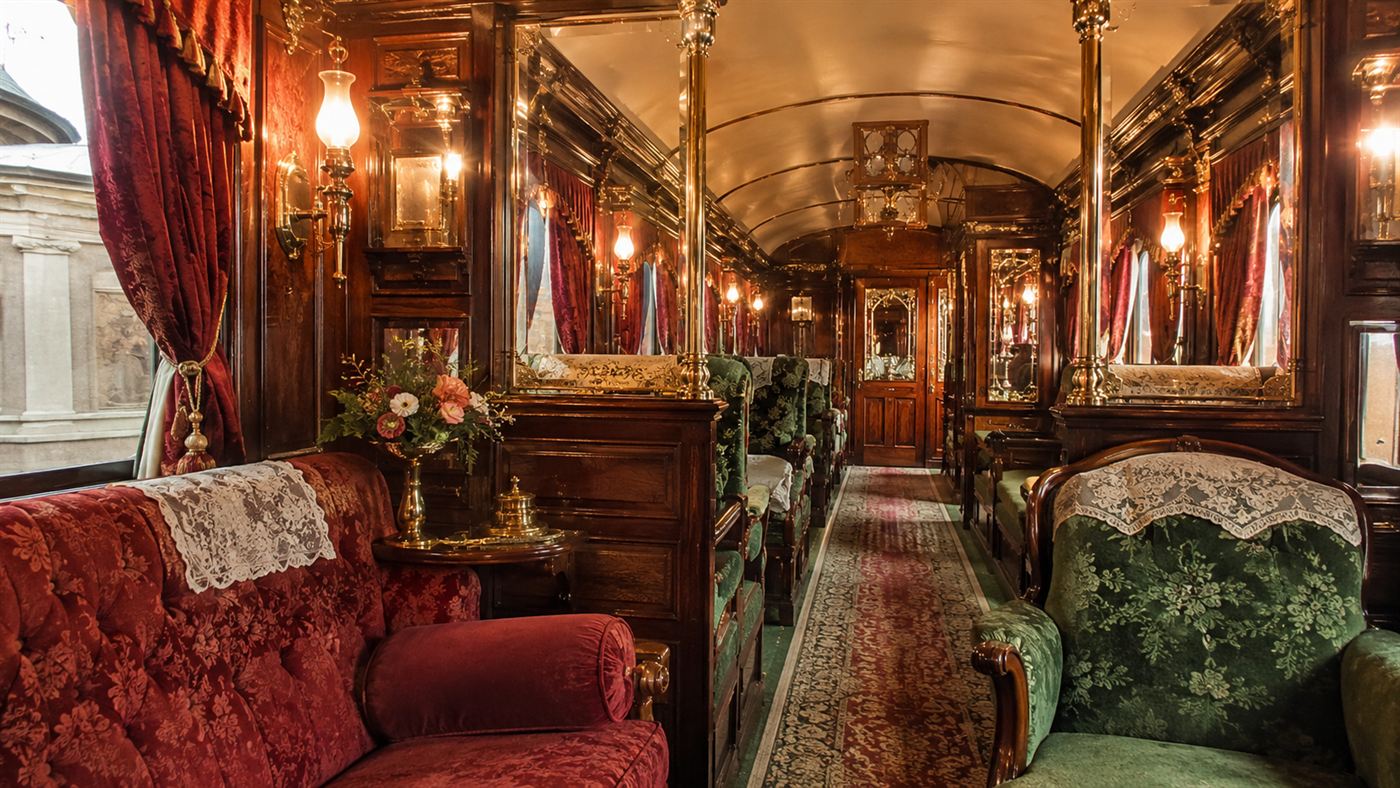
George Pullman had made a fortune building the Pullman Palace Car, the luxurious sleeping carriage that turned overnight train travel from an ordeal into an experience. In 1880 he decided to build something bigger than a carriage: a whole town for his workers, on the prairie south of Chicago, named after himself.
It was genuinely impressive. The town of Pullman had solid brick housing, indoor plumbing, gas, a shopping arcade, a library, churches and green space, far better than the slums most industrial workers endured. Visitors came from around the world to admire it. What they often missed was that it was a business, and that its residents were tenants who could be evicted at their landlord's word.
The short version: George Pullman built a model company town where he controlled the homes, the rents and the wages. When the depression of 1893 pushed him to cut pay by about a quarter while keeping rents the same, his workers revolted, and the Pullman Strike of 1894 grew into a national railroad shutdown that ended with federal troops in the streets.
The town that one man owned
Pullman's vision was not pure charity. He believed a clean, sober, well-ordered environment would produce loyal, productive workers and steady profits, and he built the town to make that happen down to the smallest detail. There were no saloons for ordinary residents, no independent newspapers, and no elected local government. Company inspectors could enter homes, and the rent was simply deducted from each paycheck.
For a while it worked, and Pullman was praised as an enlightened capitalist. But the arrangement left workers with no real independence. They earned Pullman's money, handed much of it straight back as Pullman's rent, prayed in Pullman's church and read in Pullman's library. When times were good, that felt like security. When times turned, it felt like a trap.
When the wages were cut but the rent was not
The trap sprang shut in the depression that followed the financial panic of 1893. Orders for luxury railcars dried up, and Pullman responded by laying off workers and slashing the wages of those who remained by roughly a quarter. It was a brutal move, but not an unusual one for the era.
What made it unbearable was the one thing he refused to touch: the rent. Because housing costs were fixed and deducted before workers ever saw their pay, many families were left with just a few dollars a week, or nothing at all, after the company took its cut. Men were working full weeks and taking home almost nothing. The model town had become a debtors' prison with flower beds.
How the Pullman Strike shut down the country
In May 1894 the Pullman workers walked out and the Pullman Strike began. On its own, a strike at one railcar factory might have stayed local, but the workers had joined the American Railway Union, led by a charismatic organizer named Eugene Debs. The union voted to back them with a boycott, refusing to handle any train that carried a Pullman car.
The effect was staggering. Rail traffic seized up across the western half of the country, tangling commerce in more than two dozen states. A dispute over rent in one Illinois town had, within weeks, become one of the largest labor actions in American history. The pressure on the railroads and the government became impossible to ignore.
Why did the government send in the army?
The railroads and the federal government struck back hard. Because Pullman cars often traveled with mail, officials argued the boycott was obstructing the United States mail, which gave them legal cover to act. A federal court issued an injunction against the strikers, and President Grover Cleveland sent in federal troops in early July, over the furious objection of the Illinois governor.
Then it turned bloody. Clashes between soldiers, marshals and crowds left at least a dozen people dead in Chicago alone, with more killed elsewhere, and railcars and property went up in flames. The Pullman Strike was broken within weeks, and Eugene Debs was jailed for defying the court, a stint behind bars that helped turn him into the country's most famous socialist.
The strange birth of Labor Day
Here is the twist most people never learn. Even as his government was crushing the strike, President Cleveland was worried about the political fury of American workers. Just days before the troops finished the job, Congress rushed through a bill making Labor Day a national holiday, and Cleveland signed it, a peace offering to the very movement his soldiers were beating in the streets.
The town itself did not survive the scandal either. In 1898 the Illinois Supreme Court ruled that owning a town was beyond the company's legal charter and ordered Pullman to sell off its houses. The great company town experiment in corporate paternalism was over, and George Pullman, who died the year before, was so despised that his family buried him under concrete and steel to keep his grave safe.
The honest catch
It would be too easy to paint Pullman as a simple villain. By the standards of the Gilded Age his town really did offer better housing and conditions than most workers could dream of, and he seems to have believed he was doing good. The problem was not cruelty so much as control: he could not see that dignity means little when one man holds your job, your home and your church all at once.
That is the lasting lesson of the affair, and why the site is now a national monument. The Pullman Strike helped Americans decide that some power is too great to leave in a single private hand, and that workers needed rights that did not depend on the goodwill of a benevolent boss. It took a shattered utopia to make that case impossible to ignore.
A billionaire's dream of a perfect town ended in federal troops, funeral processions and a national holiday born of guilt. Would you live in a beautiful town if the price was that your employer owned your home, your store and your church? Tell us in the comments.
Related reading: the Triangle Shirtwaist fire, another disaster that forced America to rethink how it treated its workers. See also how the men who built the transcontinental railroad were written out of its story. See also Milton Hershey, who built a far kinder company town around his chocolate factory.