The chocolate king Milton Hershey had no children, so he quietly signed his entire fortune over to a school for orphans and told almost no one for years
He failed again and again before a single sweet idea made him one of the richest men in America. Then, with no son or daughter to leave it to, he did something almost unheard of. He handed nearly all of it to a school for parentless boys, and kept the gift so quiet that the world only found out by accident.
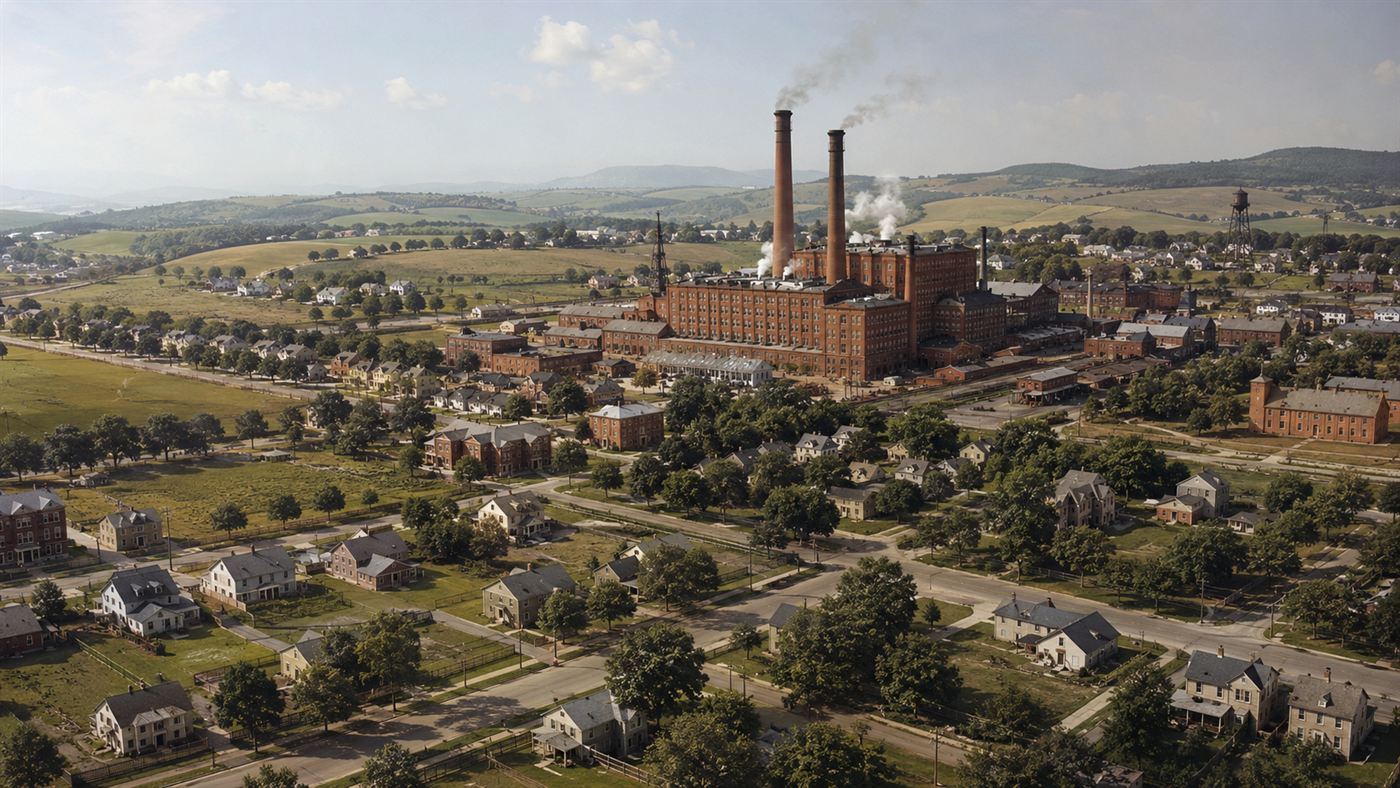
Hershey built an entire town around his chocolate factory in rural Pennsylvania. Illustration: Watts & Wild.
Before he was famous, Milton Hershey was mostly known for going broke. He left school after the fourth grade, was let go from a printing job, and started one candy business after another in Philadelphia, New York and Chicago, watching most of them fail. By his thirties he had a reputation as a decent man with bad luck.
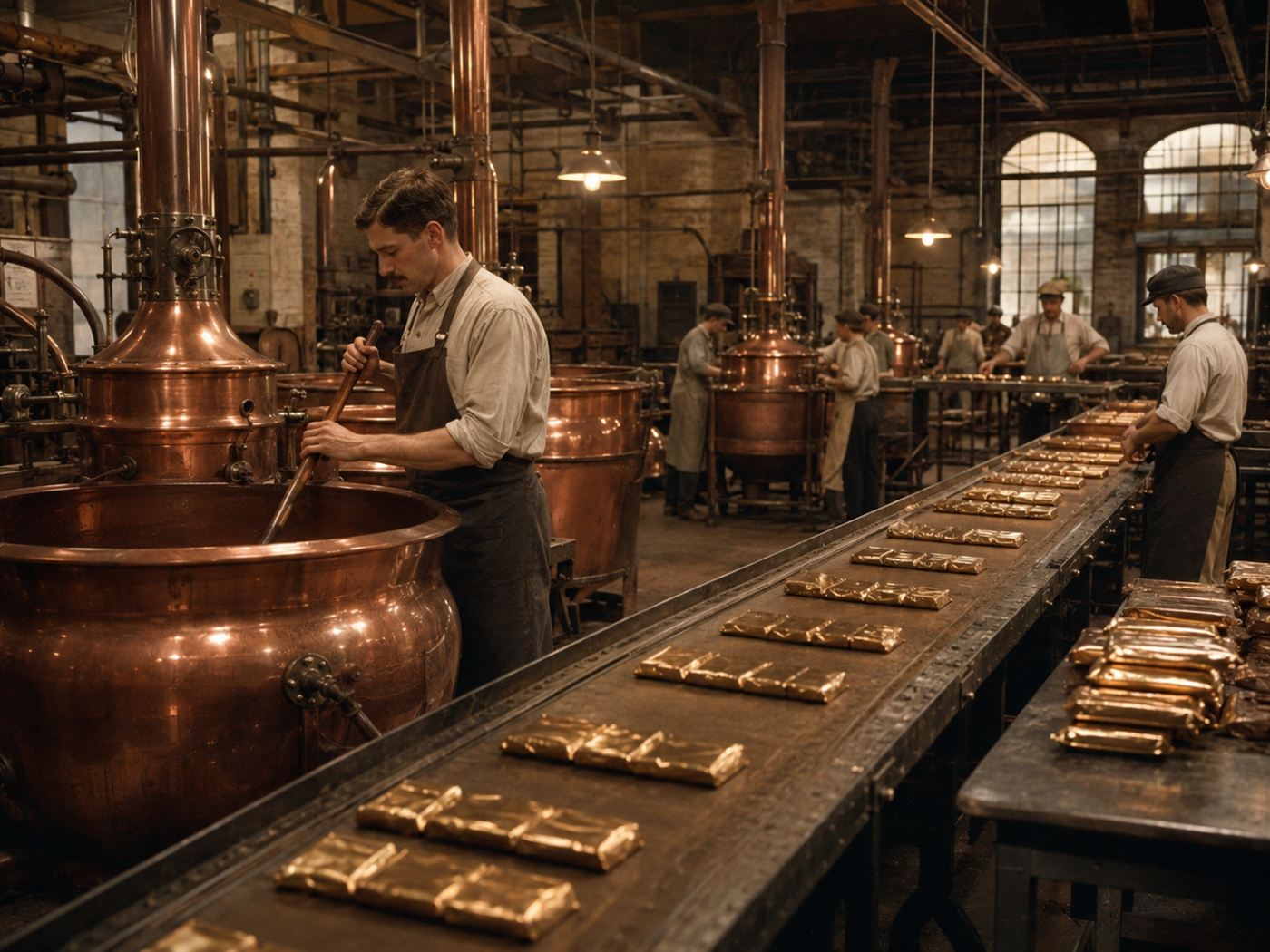
What finally worked was caramel, and then something far bigger. Hershey became convinced that milk chocolate, at the time an expensive European luxury, could be made cheaply enough for ordinary Americans to eat every day. He sold his caramel company and bet everything on cracking that secret, and it made him a fortune.
The short version of the rest is remarkable. Milton Hershey used that fortune to build a whole town, and then, having no heirs of his own, gave almost all of it away to children who had nothing, in a quiet act that still shapes an American company more than a century later.
The man who kept failing
Milton Hershey's early life reads like a string of closed doors. His formal education ended young, his family moved constantly, and his first candy ventures collapsed one after another, leaving him in debt and doubted by relatives who had lent him money. Most people would have given up on sweets entirely.
Instead he kept learning from each collapse, and his caramel business in Lancaster finally caught on, partly because he used fresh milk that made the candy better. That success gave him the money and the confidence for his real gamble, and in 1900 he sold the caramel company for a then-enormous sum to chase chocolate.
A town built on milk chocolate
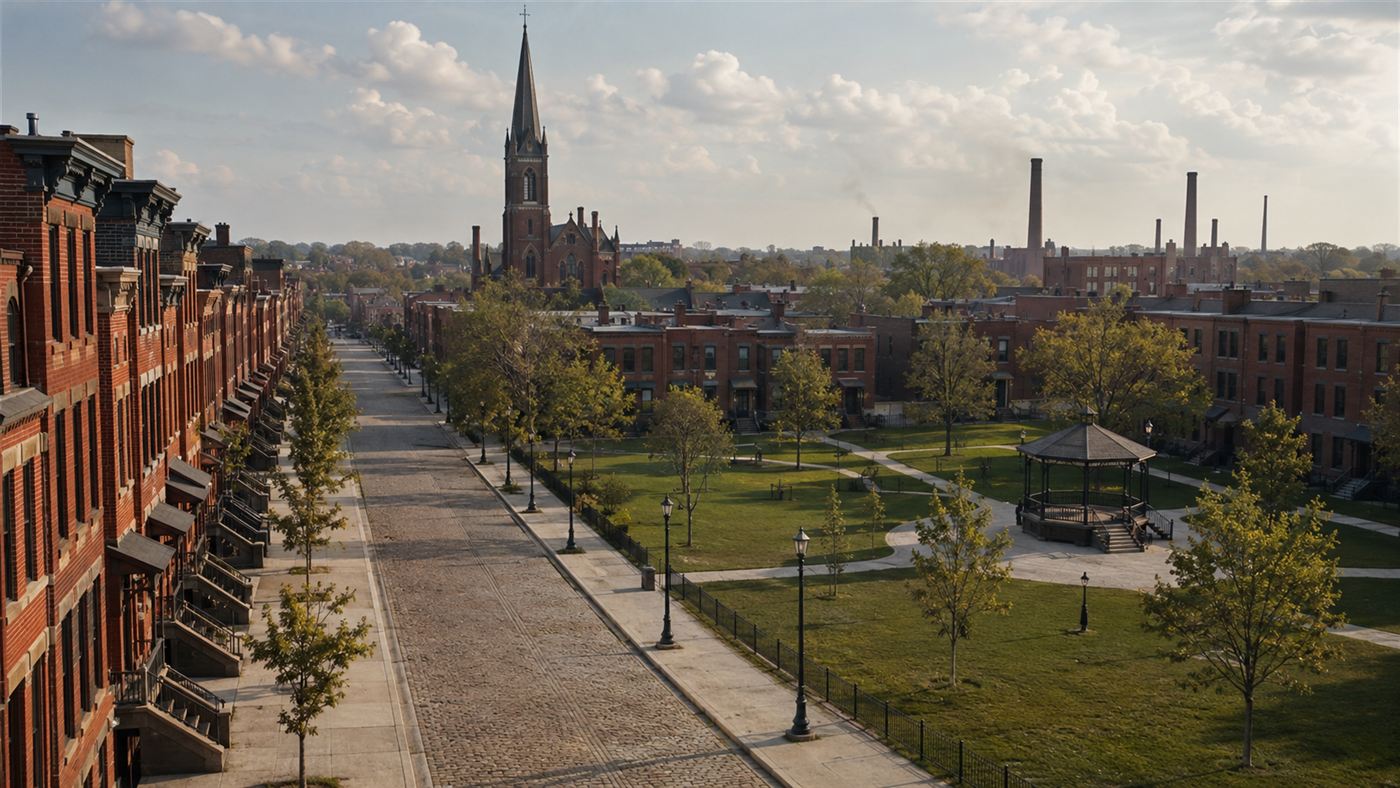
Rather than build his new factory in a city, Milton Hershey put it in the Pennsylvania farm country where he had grown up, close to the dairy herds he needed for fresh milk. Around that factory he laid out an entire community, with homes people could actually own, tree-lined streets, schools, a park, a trolley line and later an amusement park and sports arena.
It was a company town, but a notably generous one for its day, built on the idea that workers who lived well would work well. Through the worst of the Great Depression, Hershey kept launching construction projects, a grand hotel, a community building, an arena, specifically so that the townspeople would stay employed while the rest of the country suffered the Great Depression.
Why Milton Hershey gave it all away
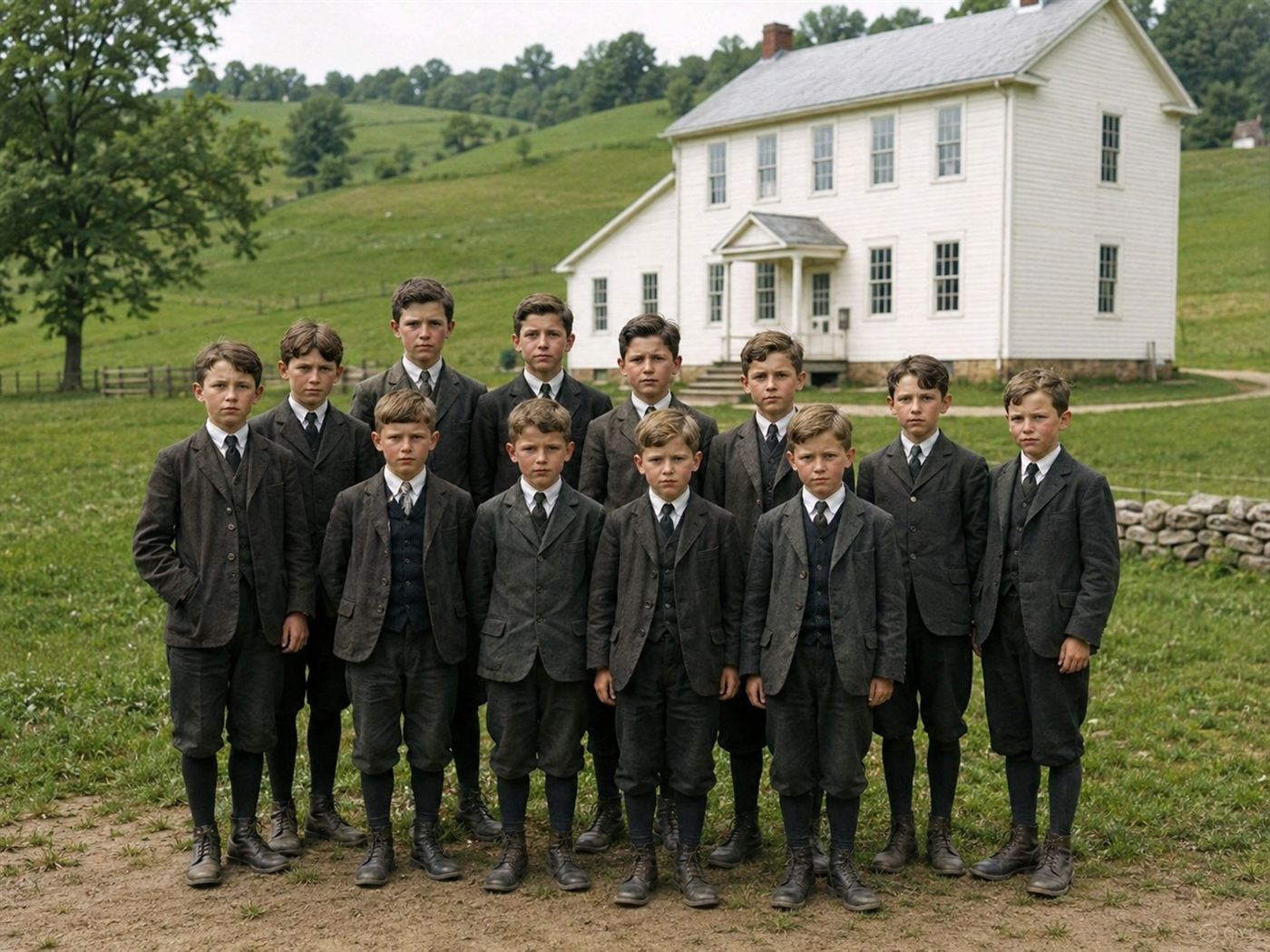
The great sadness of Hershey's life was that he and his wife Catherine Hershey could not have children. Rather than let that grief harden him, the couple decided in 1909 to open a school for orphan boys, taking in a handful of parentless children and raising them on a working farm near the factory.
After Catherine Hershey died in 1915, Milton went much further. In 1918 he quietly transferred the bulk of his personal wealth, the majority of his company's stock, worth around 60 million dollars at the time, into a trust for that school. He asked for no ceremony and made no announcement, and the astonishing gift only became public knowledge some years later, almost by chance.
Who really inherited the Hershey fortune?
The answer is thousands of children who would otherwise have had nothing. The little farm school grew into what is now a large institution that houses, feeds and educates disadvantaged young people for free, and it is funded by one of the wealthiest charitable trusts in the country.
Because that trust holds the controlling shares, the school effectively owns the chocolate company. Every time someone buys a Hershey bar, a slice of the profit still flows toward the education of needy children, exactly as the childless founder arranged more than a hundred years ago. It is one of the strangest and most durable inheritances in American business.
The honest catch
The story is genuinely moving, but it deserves a few honest footnotes. The school for much of its history admitted only white orphan boys, and it broadened who it served only slowly and under pressure over later decades. The enormous trust has also drawn scrutiny and legal fights over how its billions are governed and spent.
It is fair, too, to note that the model town and the generosity were good for business as well as for people, buying loyalty, stability and a spotless brand. None of that erases the core of it, though. A man who kept failing built something huge and then gave it to strangers' children, and that decision still quietly runs a chocolate empire today.
A man who failed at business for years ended up giving nearly everything he built to children who were not his own, and the world only noticed later. Would you rather be remembered for the fortune you made or the way you gave it away? Tell us what you think in the comments.
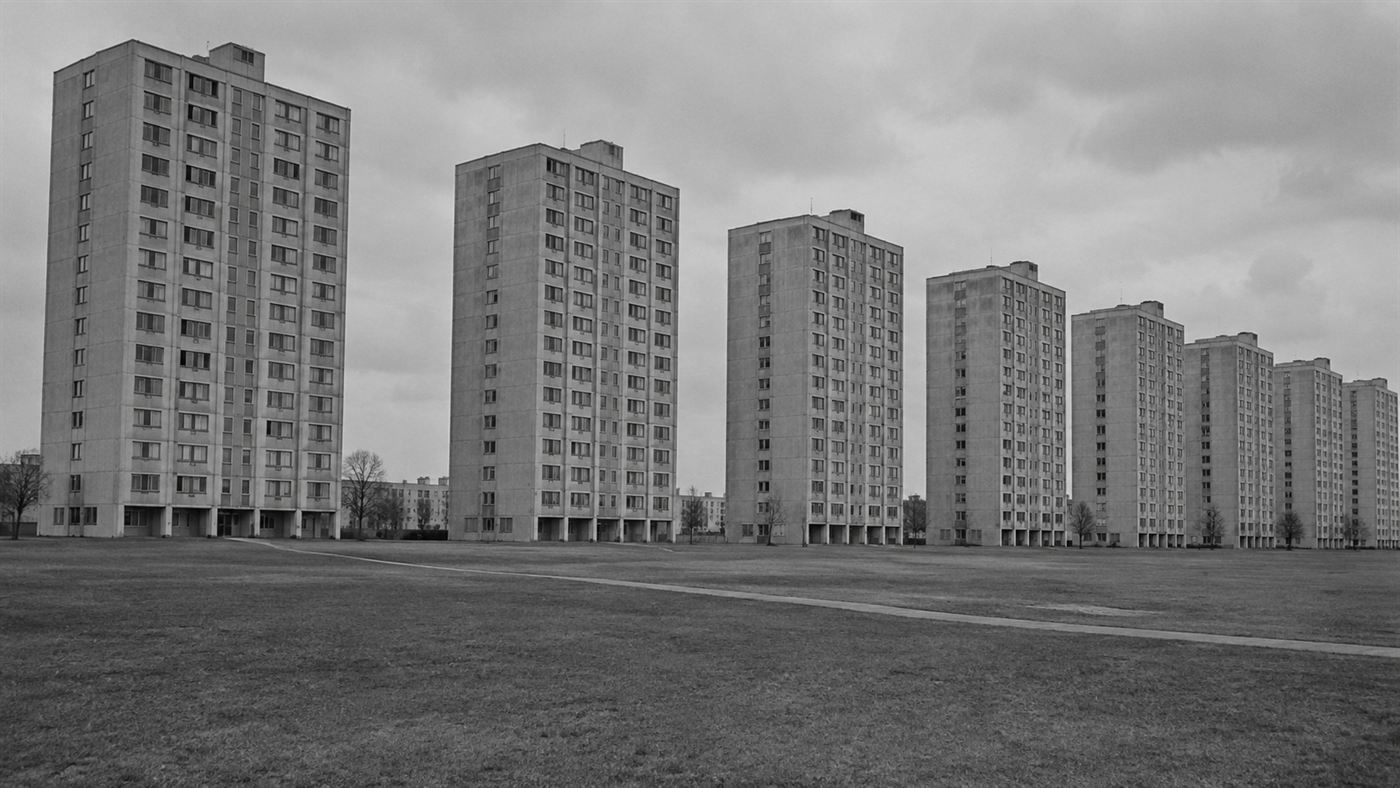
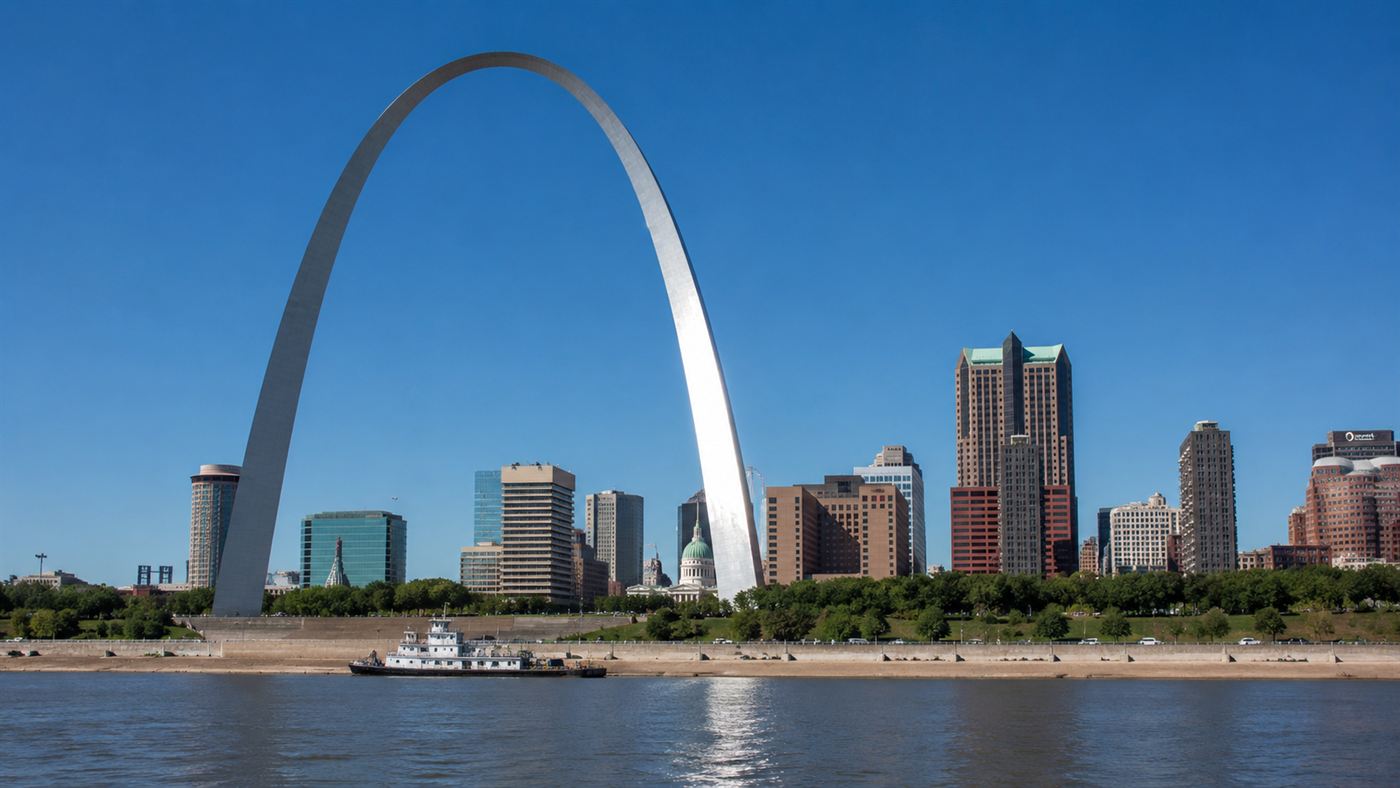
Related reading: the company town whose owner tried to control every part of his workers' lives. See also the Gateway Arch that became St Louis's great monument, and Pruitt-Igoe, a very different attempt to house the poor.