Fresh Kills on Staten Island was the largest garbage dump on Earth, a mound of trash visible from space, and New York is turning it into a park nearly three times the size of Central Park
For half a century, this was where New York City's garbage went to become a mountain. It grew tall enough to be seen from orbit. Now it is being reborn as rolling green hills and marshes, one of the biggest new parks in America.
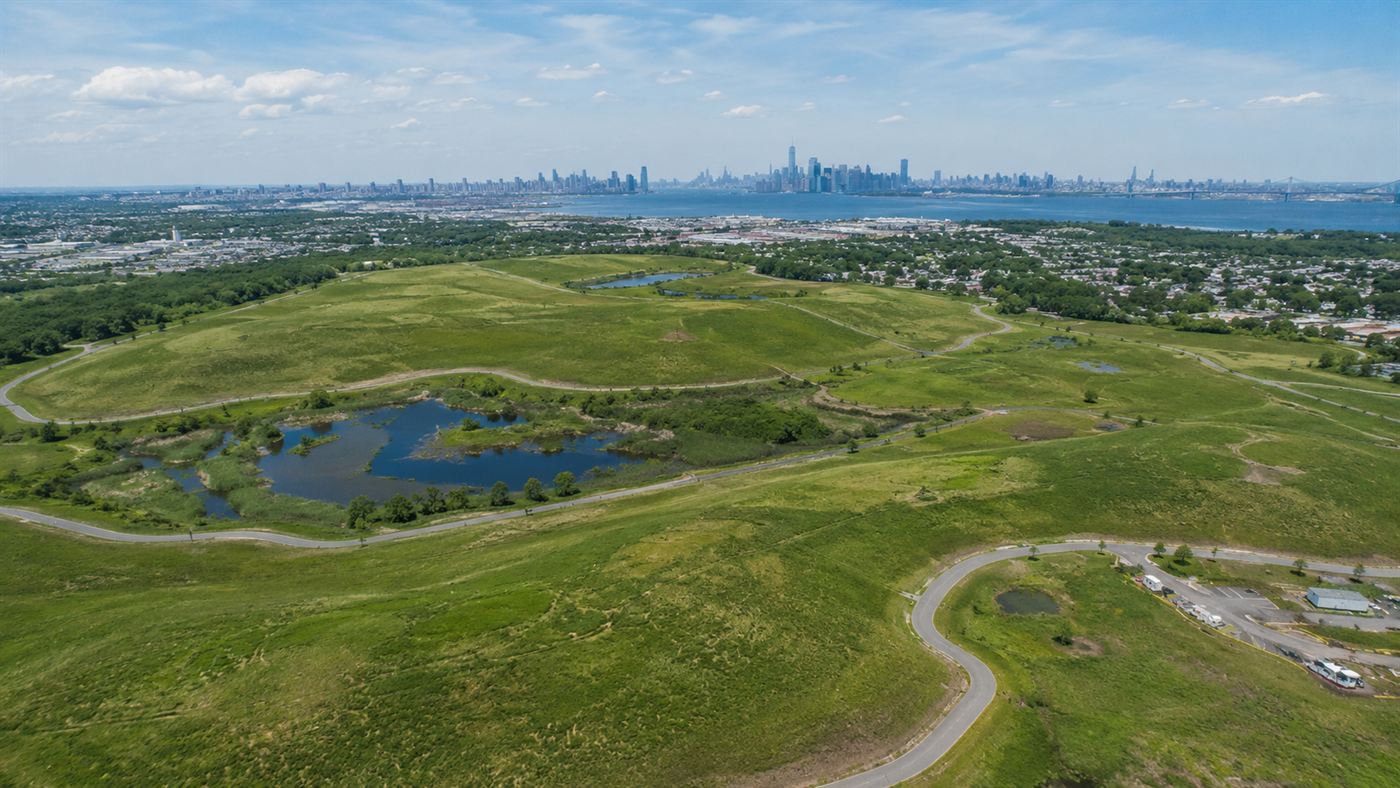
The former Fresh Kills landfill on Staten Island is now rolling green mounds. Illustration: Watts & Wild.
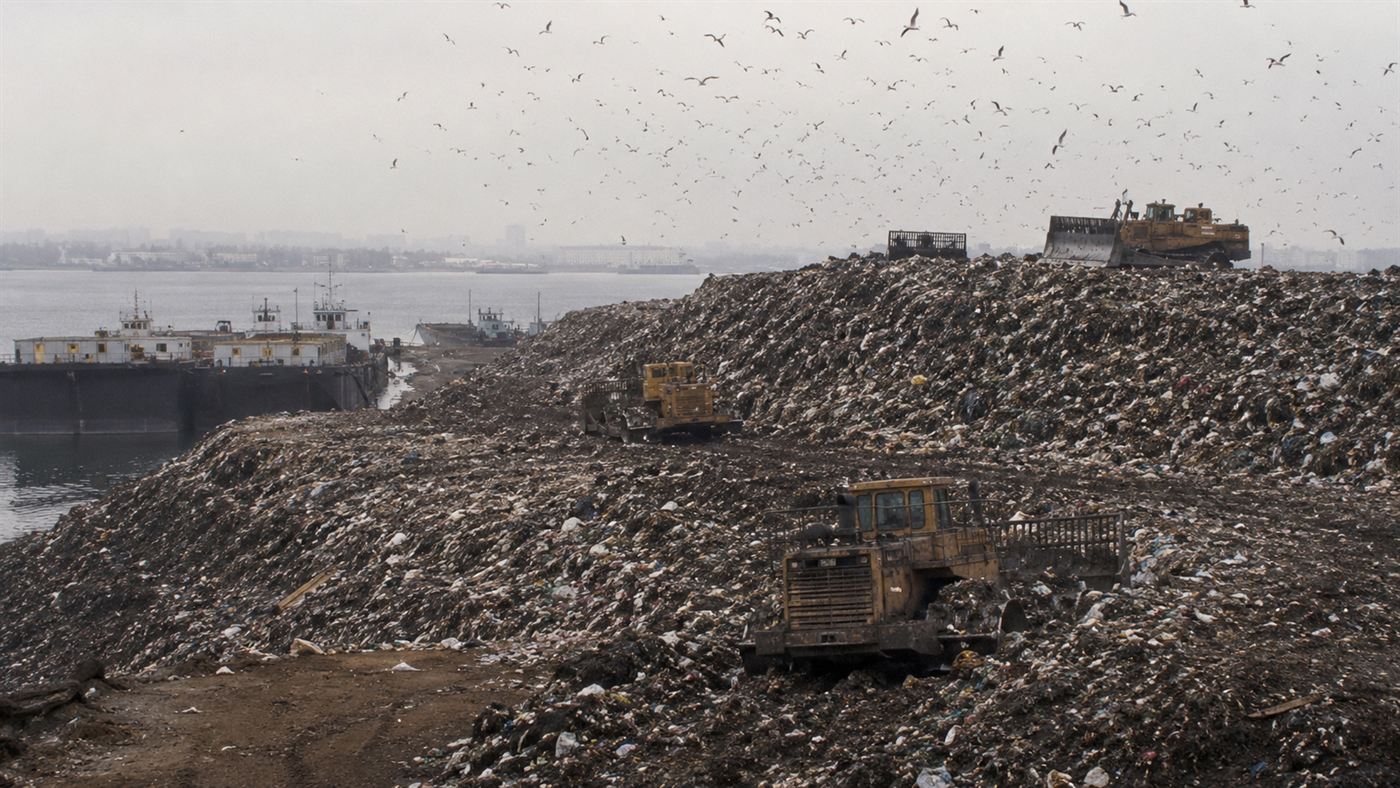
If you stand on one of the green hills at Fresh Kills today, with tall grass rippling in the wind and hawks hunting overhead, it is almost impossible to believe what is under your feet. For 53 years this ground on the western edge of Staten Island was the destination for New York City's trash, and it swelled into what was, for decades, the largest landfill on the planet. Beneath the meadows lie tens of millions of tons of the city's discarded life.
Now it is becoming something else entirely. As New York City Parks describes, the site is being transformed into Freshkills Park, a landscape of reclaimed mounds, wetlands and trails that will dwarf most city parks in America. The reinvention of Fresh Kills is one of the strangest and most ambitious pieces of land-recycling ever attempted.
The short version: Fresh Kills on Staten Island opened in 1948 and became the world's largest landfill, holding around 150 million tons of New York's garbage before it closed in 2001. After briefly serving as the sorting ground for 9/11 debris, its capped mounds are now being turned into Freshkills Park, a green space nearly three times the size of Central Park.
How big was the Fresh Kills landfill?
The numbers are almost hard to picture. The site sprawls across about 2,200 acres, and its four garbage mounds rose as high as 225 feet, tall enough that they reshaped the skyline of Staten Island. All told, it holds something like 150 million tons of waste, and at its peak in 1986 it was swallowing roughly 29,000 tons of trash every single day, barged and trucked in from across the city.
That scale earned it a grim distinction. People often claimed the mound was so massive it could be seen from space, and it was frequently described as one of the largest human-made objects on Earth by sheer volume. For generations of New Yorkers, whatever they threw away did not really disappear; it came here, to Staten Island, and joined the mountain.
The 9/11 chapter
Fresh Kills had actually stopped taking household garbage in early 2001, but that same year it was reopened for a heartbreaking purpose. After the September 11 attacks, about 1.4 million tons of debris from the World Trade Center were brought here, and investigators ran a painstaking 9/11 recovery operation on the mounds.
For ten months, around the clock, workers sifted the material by hand and machine, some of it pushed through quarter-inch screens, searching for human remains and personal effects to return to families. The 9/11 recovery here is a solemn history that sits uneasily beside the site's future as a park, and it is why part of Fresh Kills is set aside for a memorial. The place that had been the city's afterthought became, for a time, sacred ground.
Turning a landfill into a park
Closing a dump does not make the trash go away, so the transformation is a huge feat of engineering, not just landscaping. Each of the four mounds has been sealed under an engineered cap, layers of soil, plastic liner and drainage that keep rain out and the waste locked in, and then covered with clean soil and planted with grassland and trees. The design comes from James Corner Field Operations, the same firm behind Manhattan's High Line.
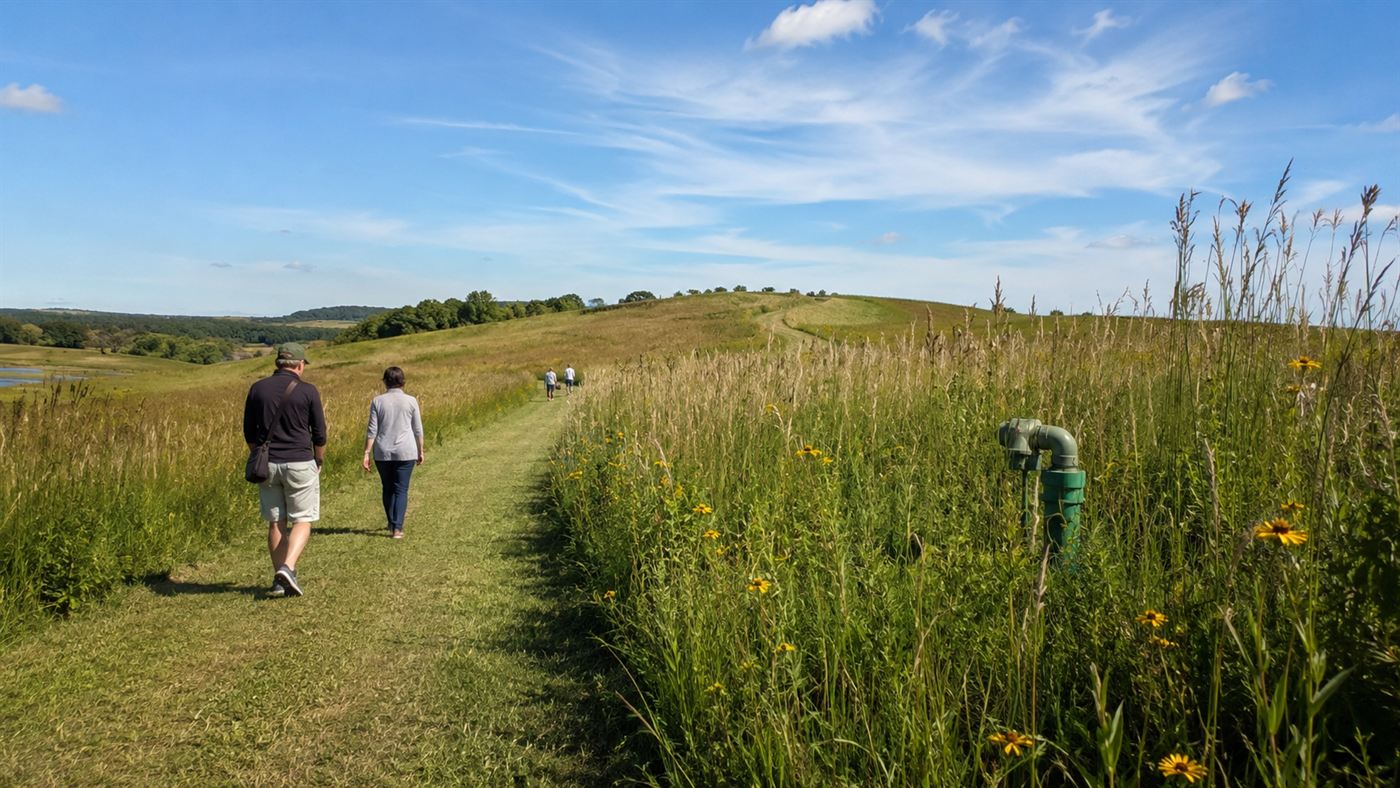
Underneath, the buried garbage is still slowly rotting and giving off gas, so the site is threaded with a landfill gas collection system: a web of wells and pipes that pull the methane out from below. Rather than just flaring it off, much of that gas is captured and used for energy, heating thousands of homes. The result is a working piece of infrastructure disguised as a nature preserve, quietly managing the mountain it sits on.
A park nearly three times Central Park
When it is finished, the payoff will be enormous. At roughly 2,200 acres, Freshkills Park will be almost three times the size of Central Park and the largest new park built in New York City since the great parks of the 1800s. Grasslands have returned, ospreys and other wildlife have moved in, and the wetlands around the mounds have come back to life.
It is arriving slowly, in pieces. Construction began in 2008 and is planned to unfold in phases over about three decades, with sections opening as they are ready; the first major piece, North Park, opened to the public in 2023. Little by little, a place that symbolized everything wrong with a throwaway city is becoming a symbol of what it can reclaim.
The honest catch
It is a genuinely hopeful story, but the trash has not vanished, and it never will. It is capped, planted, and monitored, which is a very different thing from gone. The mounds will need their liners, drains, and landfill gas wells maintained essentially forever, and the leachate, the polluted liquid that seeps through buried waste, has to be collected and treated indefinitely. Freshkills Park is less a cure than a very good, very permanent bandage.
There is a bigger lesson underneath the meadows, too. Fresh Kills exists because a huge city spent decades treating disposal as someone else's problem, concentrated on one unlucky borough, and the beautiful park now rising there does not undo the mountain, it just makes peace with it. The real fix is to bury less in the first place, and no amount of clever capping changes that. Fresh Kills is a triumph of making the best of a mess we should try much harder not to make again.
The biggest pile of garbage humans ever made is turning into a green space bigger than almost any park in the country, with its methane quietly heating homes. Is reclaiming a landfill into parkland a genuine environmental win, or just a beautiful way to hide the problem? Tell us what you think in the comments.
Related reading: how the toxic neighborhood of Love Canal gave America its Superfund law, and how Hanford became the country's biggest cleanup.