Germany built a giant bridge so boats could sail straight over a river
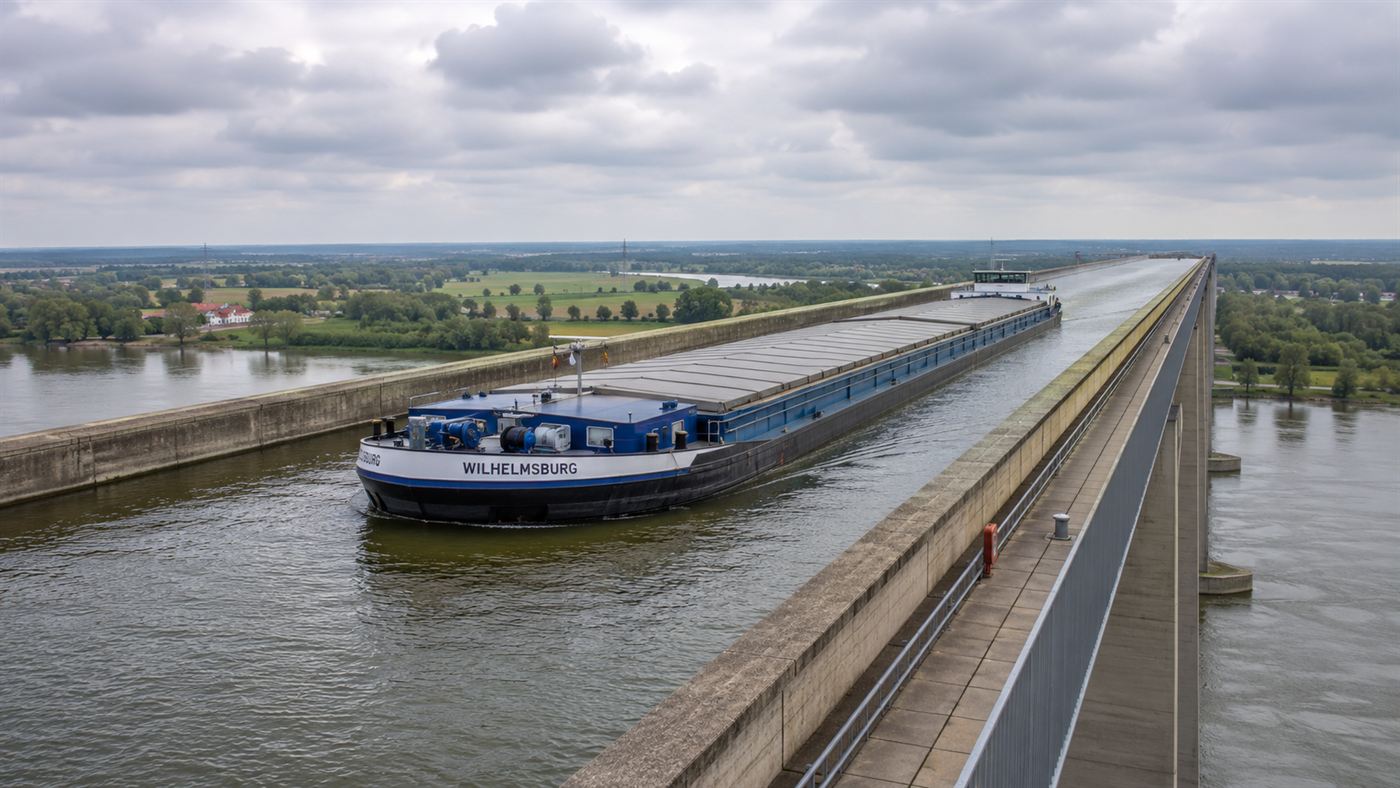
Just outside Magdeburg, barges glide through the air above the River Elbe. The Magdeburg Water Bridge carries an entire canal, water and boats and all, clean over the river below, ending a detour that had frustrated German shipping for most of a century.
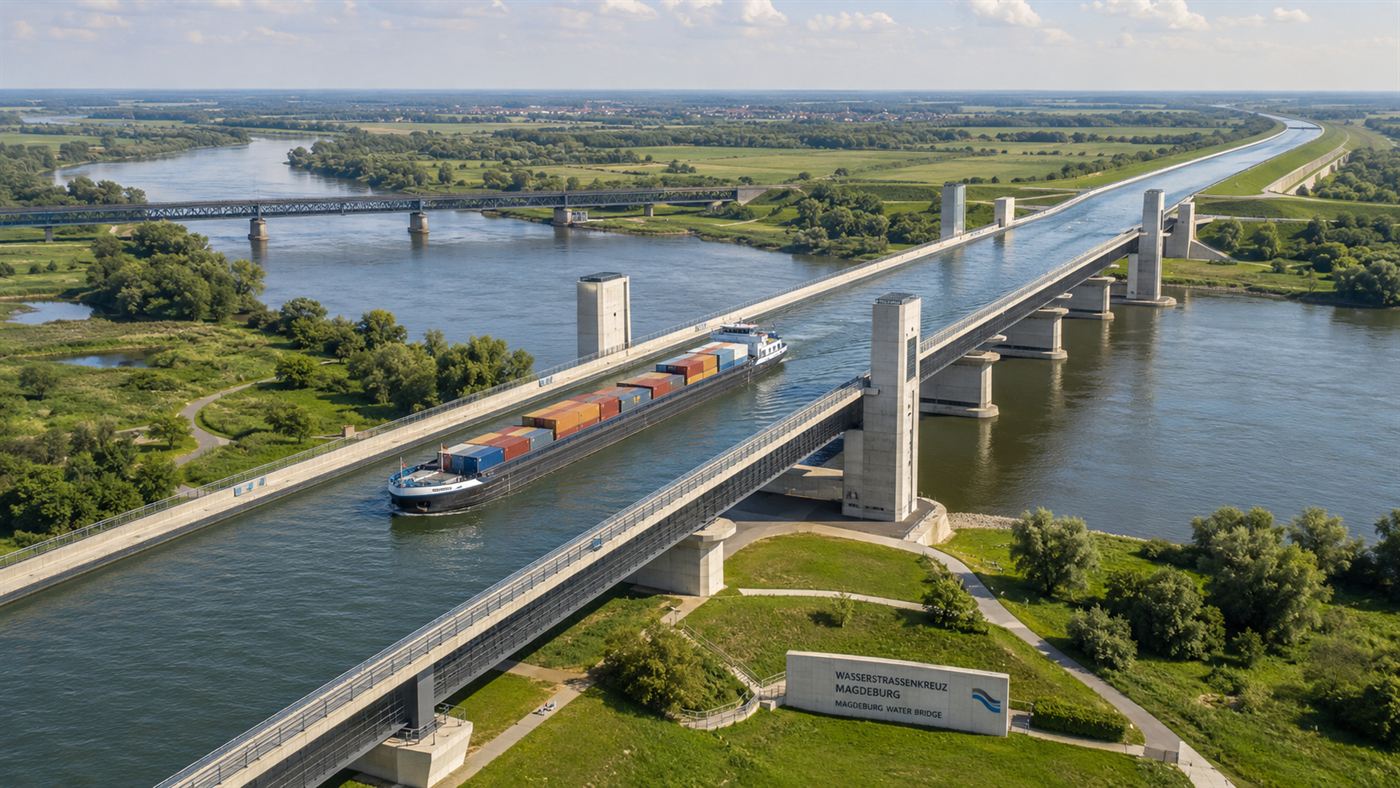
A whole canal, complete with barges, crosses the Elbe on the water bridge. Illustration: Watts & Wild.
From the riverbank it looks like a glitch in the world, a boat sailing calmly through the air with a river flowing underneath it.
There is no trick, just one of the most quietly audacious pieces of engineering in Europe.
What is the Magdeburg Water Bridge? The Magdeburg Water Bridge is a navigable aqueduct in Germany that carries a canal, and the barges sailing along it, over the top of the River Elbe. Opened in 2003, it lets boats cross the river without descending into it, and it is one of the longest structures of its kind.
The Magdeburg Water Bridge carries a canal
The Magdeburg Water Bridge stretches roughly 918 metres across the floodplain and the river near the city of Magdeburg.
It joins two great waterways, the Mittelland Canal on one side and the Elbe-Havel Canal on the other.
Between them runs the River Elbe, and the bridge simply lifts the canal up and carries it across as an aqueduct, a long concrete trough held high in the air.
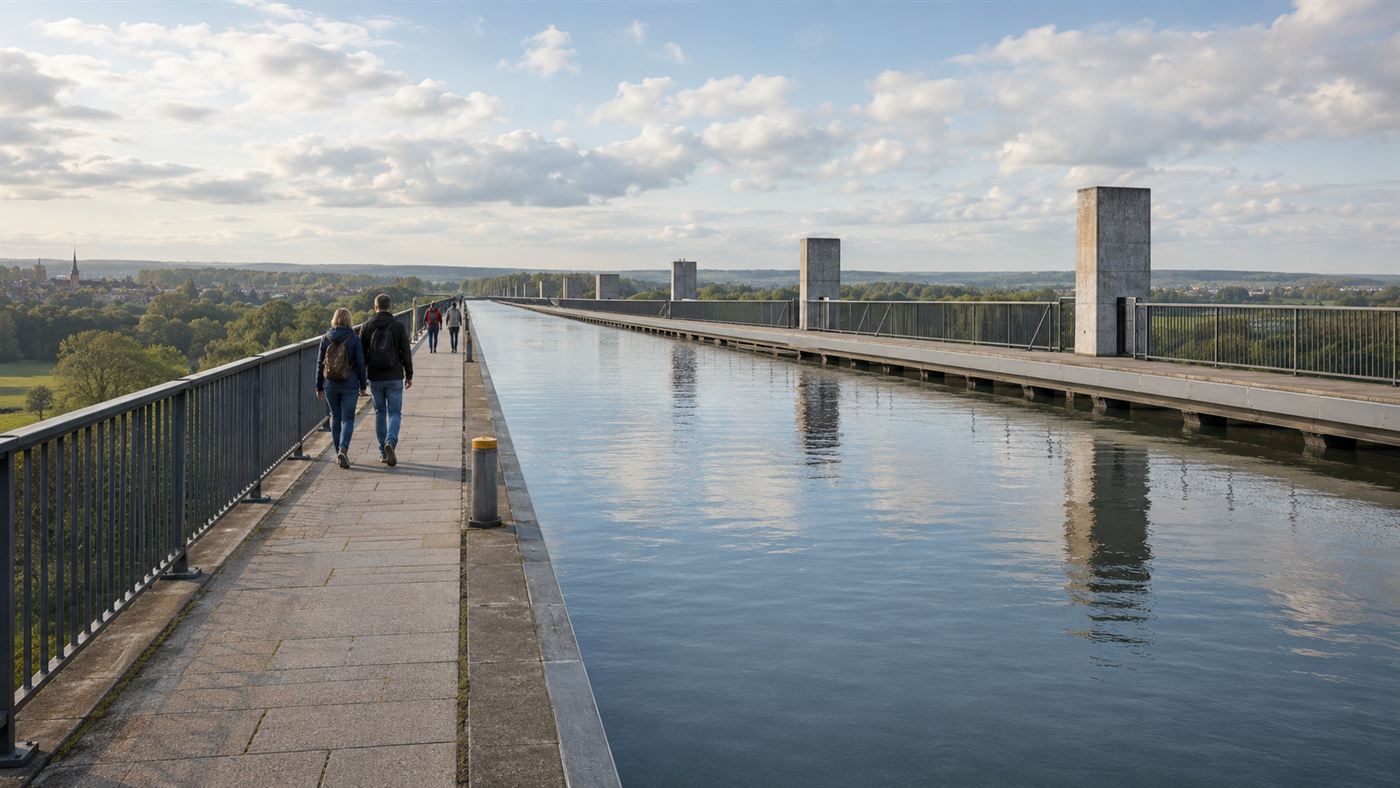
Barges motor along the channel several metres above the water, with walkways for pedestrians running down each side.
Stand on those walkways and you can watch a cargo boat pass at eye level while the river drifts by far below.
Why boats needed a bridge
The bridge solved a problem that had nagged at German shipping for decades.
Until it opened, barges using the canal had to lock down into the Elbe itself to get across.
The river was often too shallow for fully loaded boats, so they had to wait for the right water levels or travel half empty.
That meant delays, detours and a lot of wasted fuel for traffic between the industrial heart of Germany and Berlin.
Lifting the canal over the river on a single aqueduct swept all of that away.
A century in the making
The idea was far from new when the bridge finally appeared.
Engineers had proposed a crossing here back in the early twentieth century, and work even began before the Second World War.
The war stopped it, and the long division of Germany kept the canals on either side stranded apart for decades.
Only after reunification did the project restart, and after about six years of building it opened in 2003.
What looks like a sleek modern marvel was in truth a hundred-year-old wish finally granted.
The clever physics
The most common question is how the bridge can possibly hold all those heavy boats.
The lovely answer is that the boats add no extra weight at all.
A floating boat pushes aside exactly its own weight in water, so as a barge enters the trough it displaces the same mass of water it carries.
The bridge therefore holds the same load whether it is crowded with barges or completely empty.
Engineers only ever had to design it for the weight of the water, which is a quietly beautiful piece of accounting.
The honest catch
It is worth keeping the wonder in proportion.
For all the drama of boats in the sky, this is an aqueduct, an idea the Romans were already using thousands of years ago.
Britain has built canal aqueducts over its rivers for two centuries, so Magdeburg scaled up an old trick rather than inventing a new one.
The various claims that it is the longest of its kind depend on exactly what you measure, so they deserve a pinch of salt.
Stripped of the hype it is still a marvel, just a practical one, built to move freight rather than to amaze tourists.
The Magdeburg Water Bridge is a reminder that the boldest engineering often hides behind the most ordinary purpose.
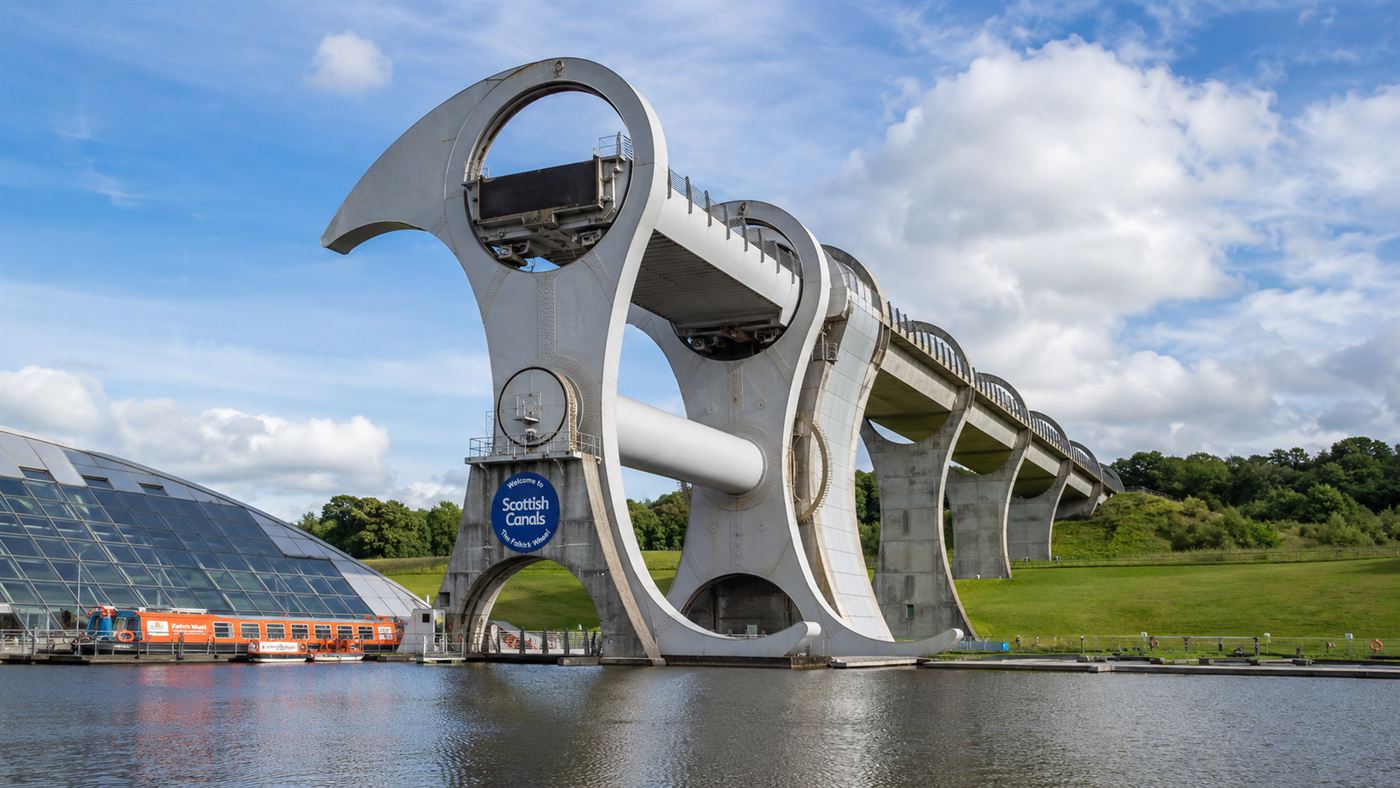
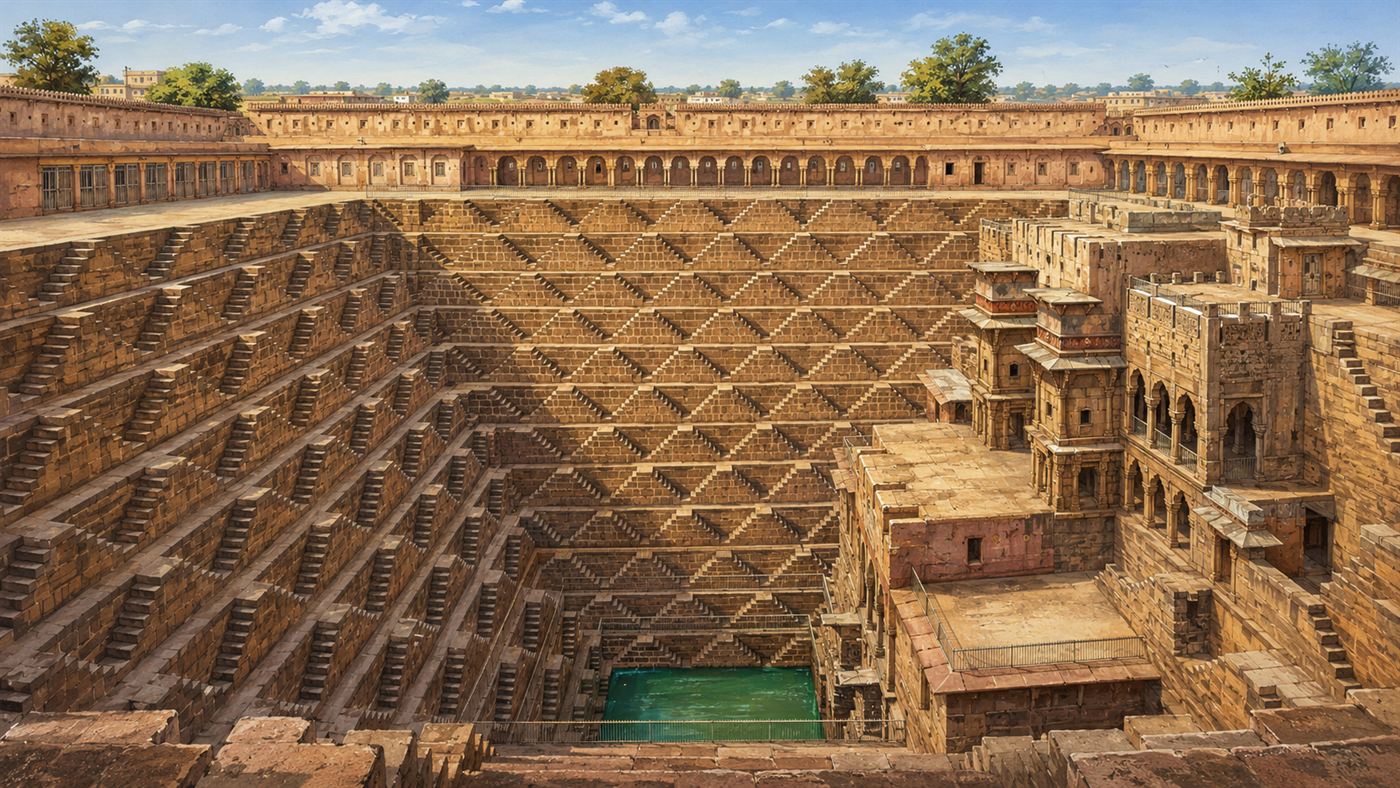
It belongs with the other waterworks where people reshaped rivers and canals to bend them to our will, from the rotating wheel that lifts boats between Scottish canals to the Indian stepwell that dives underground to reach water.
If German engineers spent a hundred years dreaming of carrying a canal over a river, what slow, stubborn projects being planned today will quietly amaze the travellers of the next century, and would you walk across a bridge with boats sailing past your shoulder? Tell us in the comments.