Someone hijacked two Chicago TV stations in 1987, then vanished without a trace
One November night, viewers in Chicago watched their evening television flicker, buzz, and give way to a grinning figure in a strange plastic mask, babbling nonsense before the picture snapped back. It happened twice in one evening, on two different channels. Then it stopped, and no one ever found out who did it. The Max Headroom hijacking is one of the eeriest unsolved mysteries in broadcasting.
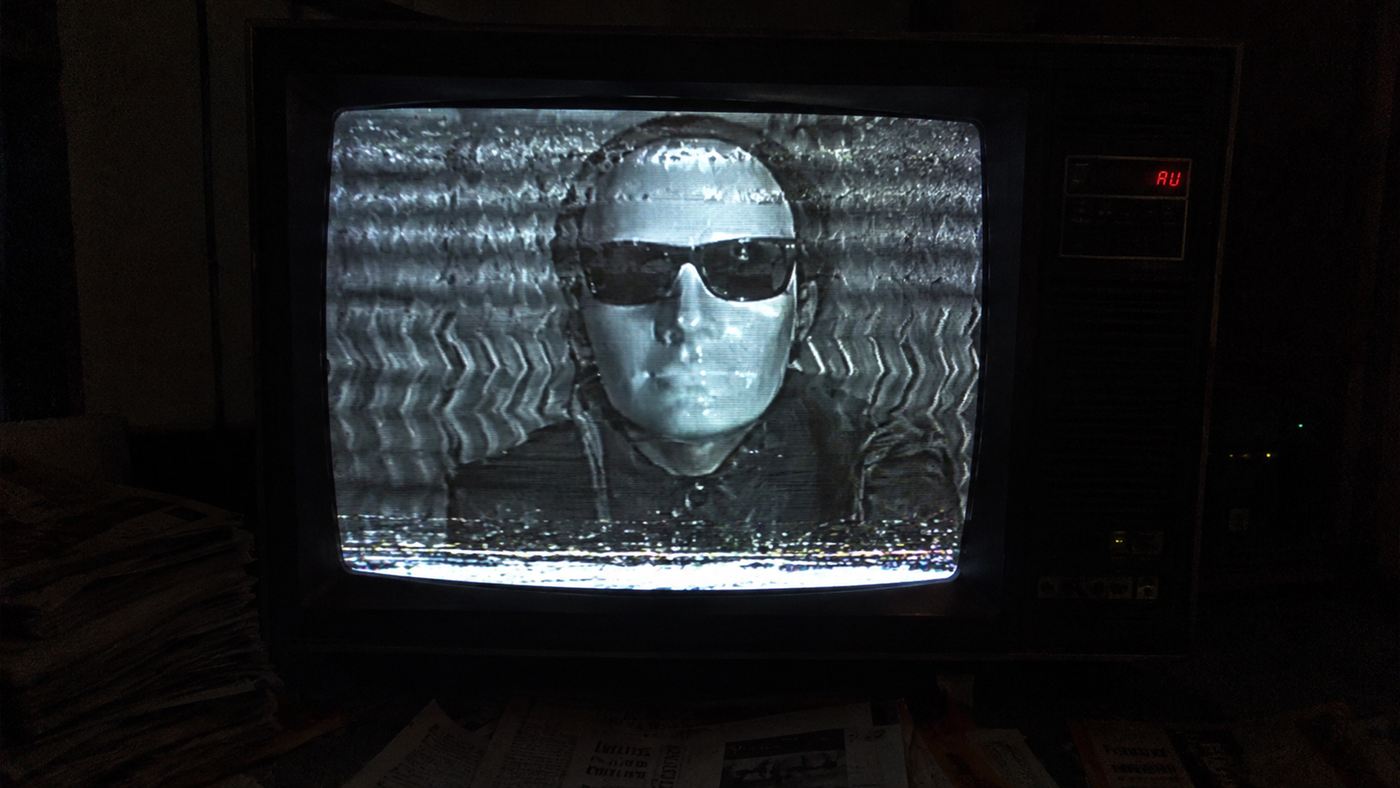
For a few seconds, a masked stranger replaced the evening's programmes in thousands of homes. Illustration: Watts & Wild.
We like to think the airwaves are tightly controlled, that what reaches our screens is locked down by the people who run the stations. The Max Headroom incident proved, in the most unsettling way, that a determined outsider could shove the broadcasters aside and speak straight into people's living rooms.
And the strangest part is not how it was done, but that the person who did it was never found.
What the Max Headroom hijack looked like
It began during a sports segment on a major Chicago station's evening news. For about half a minute, the Max Headroom figure, a person in a shiny mask bobbing in front of a wavy background, replaced the broadcast, with no clear audio beyond a harsh electronic buzz, before engineers wrestled the signal back.
Roughly two hours later it happened again, this time on a public television station in the middle of an old science-fiction show. On that channel the intrusion lasted longer, well over a minute, and came with garbled, distorted speech and a string of bizarre, disjointed antics. To the families watching at home it was baffling and slightly menacing, a private joke beamed at them by someone they could not see, for reasons they could not guess.
How they pulled it off
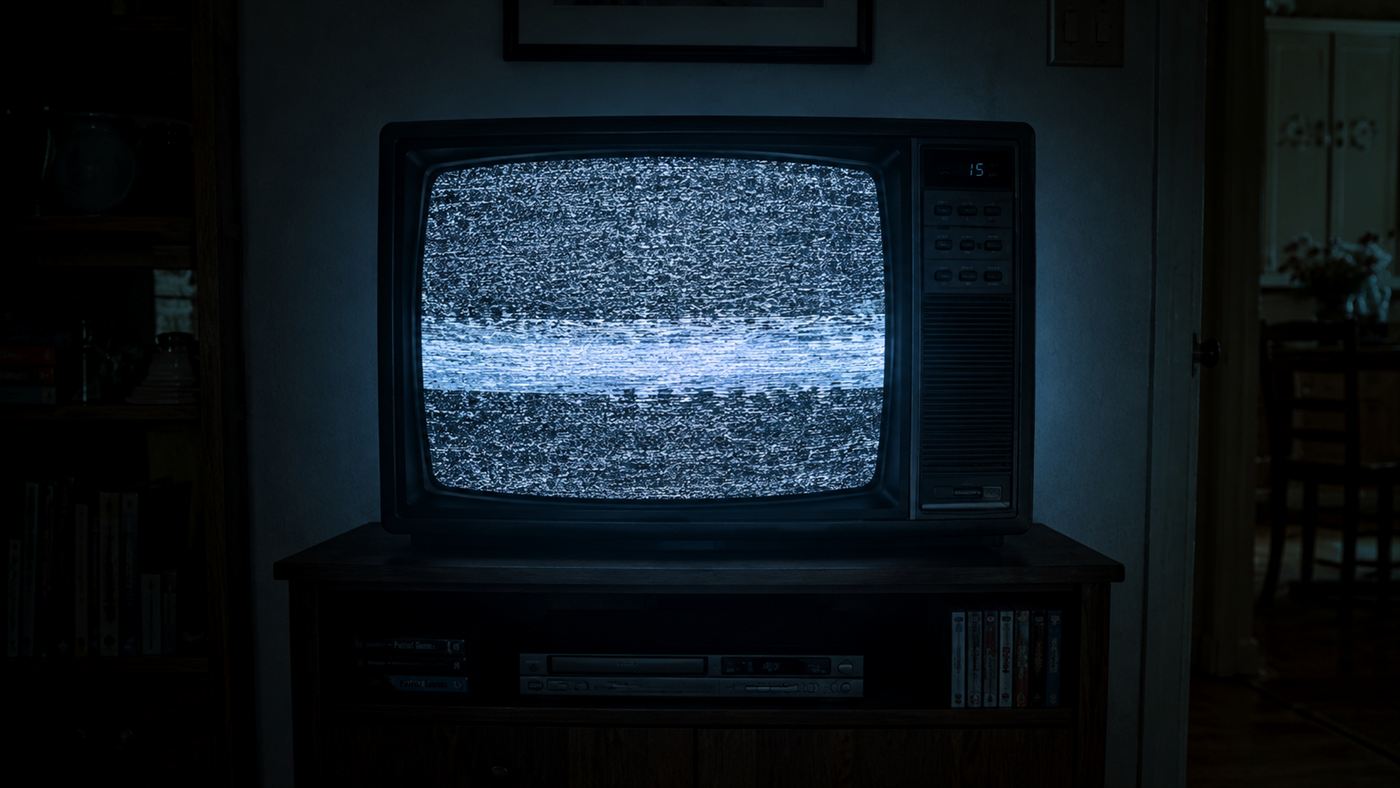
Hijacking a television station is far harder than it sounds, which is what makes the case so impressive. The intruders overpowered the link between each studio and its transmitter, beaming a stronger signal up to the broadcast tower so that the equipment locked onto their feed instead of the station's own.
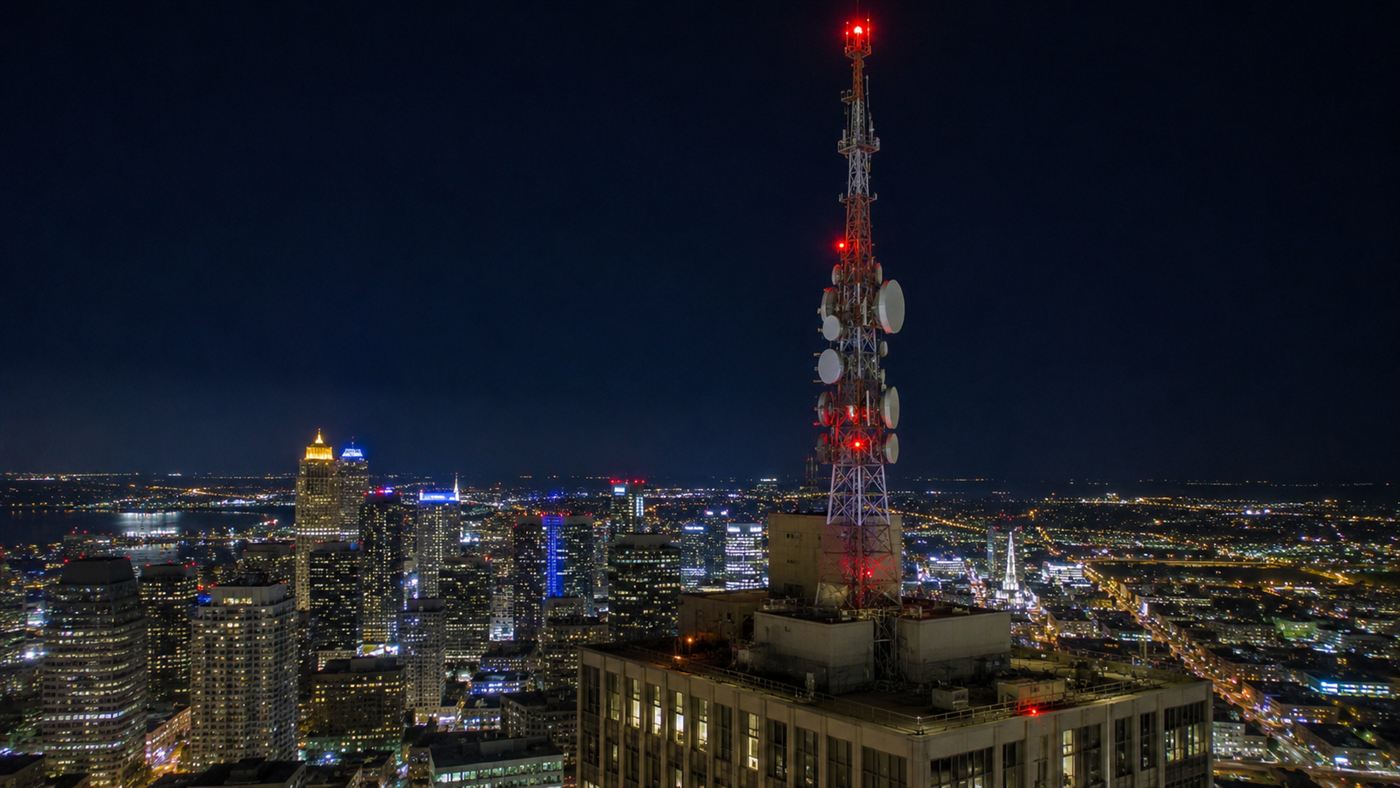
That trick takes real expertise and a surprising amount of transmitting power, plus a clear line of sight to the towers perched atop Chicago's tallest buildings. Whoever was behind it understood broadcast engineering intimately and had access to serious equipment. This was not a kid with a camcorder; it was someone who knew exactly how the city's television signals flowed, and how to elbow into them.
The hunt that found no one
The stunt was a serious federal crime, and the authorities treated it as one. The broadcasters, the communications regulator and the FBI all looked into it, and tampering with the public airwaves like this could have meant heavy fines and prison. Yet despite the official investigation and decades of amateur detective work since, no one has ever been identified as the Max Headroom hijacker.
Theories have circulated for years. Some suspect a disgruntled broadcast engineer with insider knowledge of the equipment; others point to Chicago's underground community of hackers and radio hobbyists. The masked figure's odd references and in-jokes have been picked apart endlessly for clues. But every lead has led nowhere, and the people who briefly seized the city's televisions have kept their secret for almost forty years.
What was the Max Headroom incident?
In plain terms, it was a prank pulled off at a frightening level of skill. The Max Headroom hijack was a hostile takeover of the airwaves, harmless in content but deeply alarming in what it revealed about how exposed broadcast television really was.
It has endured because it sits at a strange crossroads of the silly and the sinister. The clip itself is juvenile and absurd, yet the act behind it, walking into thousands of homes uninvited and then disappearing completely, has the cold logic of a perfect crime that simply happened to be played for laughs.
Was the Max Headroom hijacker ever caught?
No, and at this distance it is unlikely they ever will be. The hijacker remains anonymous, one of the very few people to commandeer a television broadcast and get away with it entirely.
One honest note keeps it in proportion. For all its creepiness, the intrusion hurt no one and broke no story; it was mischief, not menace. What makes it linger is the simple, nagging fact that it worked, that a stranger reached millions of eyes for a few seconds and then melted back into the city without ever being named.
A masked stranger seized the airwaves of a major city for a few seconds and was never seen again. Was the Max Headroom hijack a harmless prank, or a warning about how easily our screens can be taken over? Tell us what you think in the comments.
Related reading: numbers stations, the eerie shortwave broadcasts of coded voices that no government will explain, or the War of the Worlds broadcast, the Martian invasion radio play whose famous panic was mostly a myth.