Hollywood's most glamorous star spent her nights inventing the radio trick that powers WiFi
She was marketed as the most beautiful woman in the world, a film star whose face filled cinemas across the globe. What almost no one knew was that, after the cameras stopped, she went home and invented things. One of Hedy Lamarr's inventions quietly helped lay the foundations of the wireless world we all live in today.
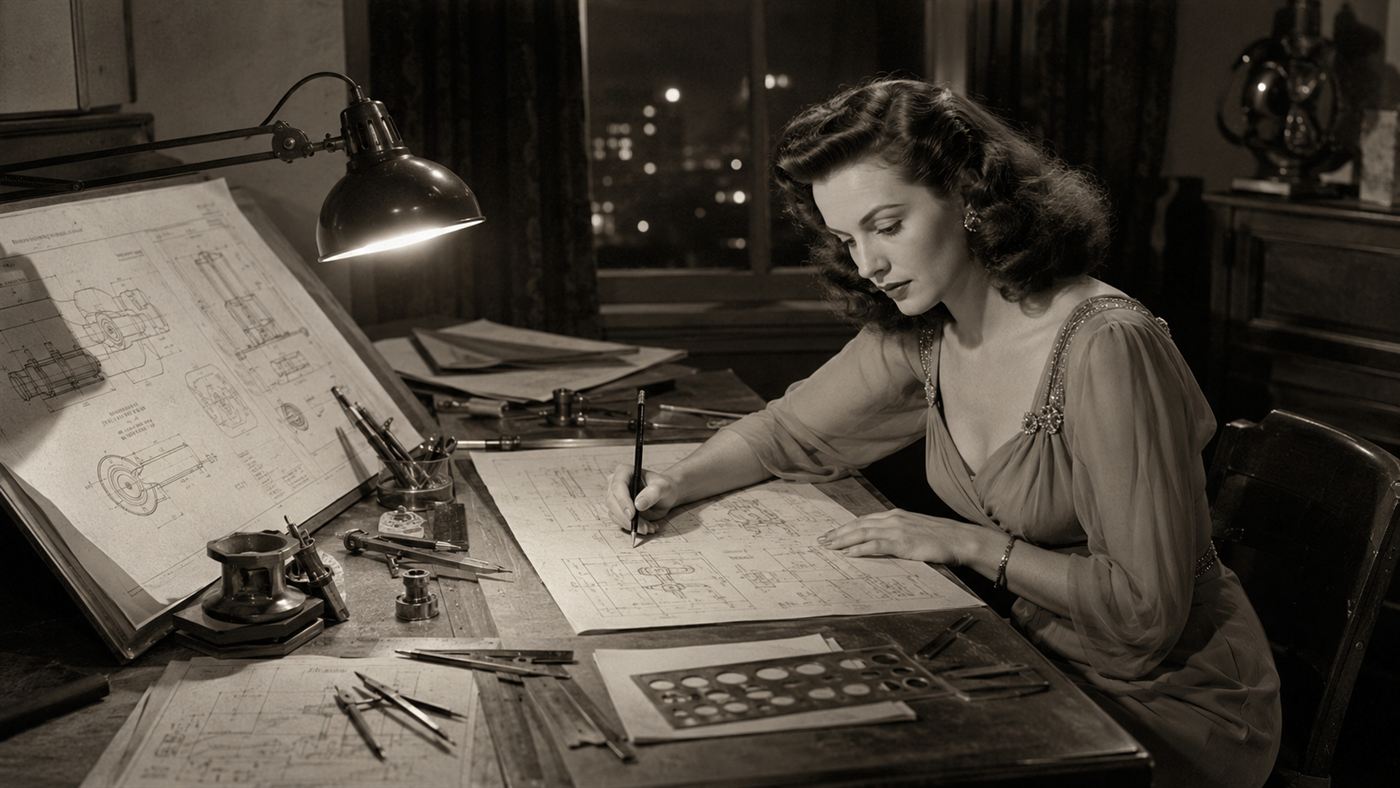
By day a Hollywood icon, by night an inventor sketching out a way to outwit the enemy. Illustration: Watts & Wild.
It is one of the great mismatches between how the world saw a person and what they were actually capable of. Hedy Lamarr was treated as a pretty face and little more, yet she had the mind of an engineer, and during the Second World War she helped solve a problem that had stumped the military. The idea she patented was so far ahead of its time that the world took half a century to catch up.
Her story is a lesson in how easily talent gets overlooked when it arrives in an unexpected package.
The most beautiful woman in the world
Born in Austria, Lamarr became a Hollywood sensation in the 1930s and 1940s, starring in lavish films and carrying a studio nickname that reduced her entirely to her looks. Behind that glamour was a restless, curious person who had always tinkered, taken machines apart, and thought about how things worked.
Inventing was her real passion and her escape. While other stars relaxed between films, Lamarr kept a drafting table at home and filled her evenings with ideas, from improvements for aircraft to a tablet that fizzed into a soft drink. The world saw a starlet; in private she was a problem-solver waiting for a problem worth solving.
How Hedy Lamarr invented frequency hopping
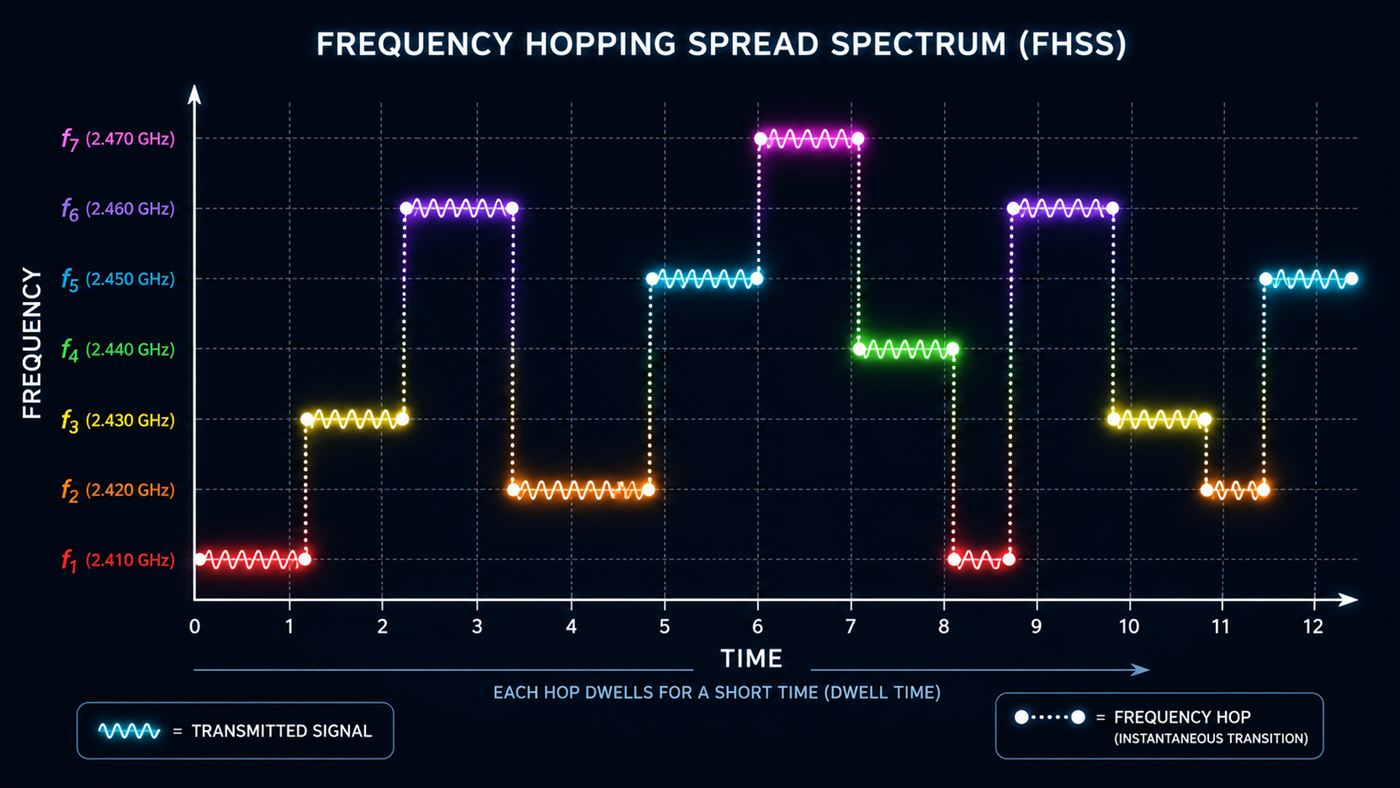
The problem arrived with the war. Radio-guided torpedoes could be steered to their targets, but the enemy could jam the single radio frequency they used and send them off course. Working with the avant-garde composer George Antheil, Lamarr came up with an elegant answer. Instead of broadcasting on one fixed frequency, the transmitter and receiver would jump together between many frequencies in a secret, rapidly changing pattern, so there was no single channel for an enemy to block.
The clever part was keeping both ends perfectly in step as they hopped. The solution came from Antheil's world of music: the same kind of paper roll that drives a self-playing piano could be used to synchronise the frequency changes, hopping across dozens of frequencies like fingers across piano keys. In 1942 the pair were granted a patent for their "Secret Communication System," a genuinely original idea built by an actress and a composer.
An idea the Navy ignored
For all its brilliance, the invention went nowhere at the time. The US Navy filed the patent away and did not use it during the war, partly because the idea was ahead of the electronics available to build it, and partly, it seems, because it was hard to take a Hollywood actress seriously as an inventor.
The patent quietly expired, and Lamarr never earned a cent from it. She went back to her film career, and for decades her contribution was forgotten, a footnote buried under publicity photos. It looked like one of those bright ideas that arrive too early and simply vanish, with no one the wiser.
From torpedoes to your phone
Except it did not vanish. Years later, engineers rediscovered the principle of hopping across many frequencies and realised how powerful it was, not just for dodging jammers but for letting many devices share the airwaves without drowning each other out. That family of techniques, known as spread spectrum, became a foundation of modern wireless communication, woven into the WiFi, Bluetooth and GPS that billions of people now use every day.
So the radio trick a film star sketched out to sink enemy ships ended up, generations later, connecting your phone to your headphones and your laptop to the internet. Few inventions have travelled such a strange road, from a wartime torpedo to the quiet hum of the wireless signals all around you right now.

Did Hedy Lamarr really invent WiFi?
Here honesty matters, because the headline can run ahead of the facts. Lamarr did not invent WiFi, which came along much later and was built by many hands over many years. What she and Antheil did was patent frequency hopping, one of the key ancestors of the spread-spectrum methods that WiFi and other wireless systems are built on.
Her specific player-piano mechanism was never used in your router. But the underlying insight, that a signal which constantly changes frequency is both harder to jam and easier to share, runs straight through to the technology in your pocket. That is a real and remarkable legacy, and it does not need exaggeration to be impressive.
Why didn't Hedy Lamarr get credit?
The sad answer is that almost no one was willing to see her as anything but a beautiful face. For most of her life Lamarr's invention was ignored or unknown, and she grew bitter at being remembered only for her looks while her real achievement went uncelebrated. Recognition came slowly and late, and much of it after she had died.
In 2014 she was finally inducted into the National Inventors Hall of Fame, and her name is now rightly attached to the prehistory of modern wireless. Her story has become a kind of parable about hidden talent, a reminder that the next great idea might come from exactly the person the world has decided not to take seriously.
A film star the world reduced to her face turned out to have quietly helped invent the wireless age. How many other brilliant minds have we missed simply because they did not look the way we expected a genius to look? Tell us what you think in the comments.
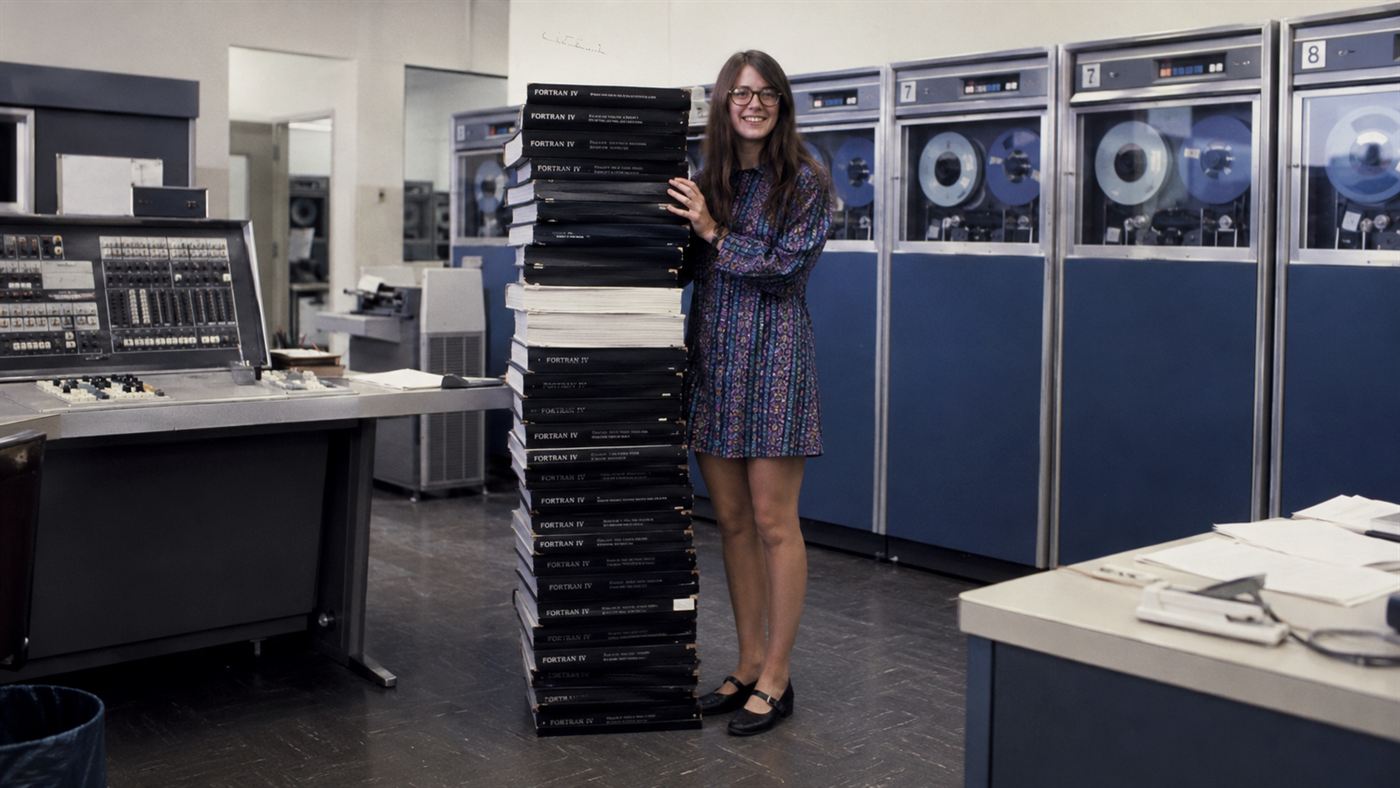
Related reading: Margaret Hamilton, another woman whose code helped land Apollo 11 and was long overlooked.