Every year the Arctic tern flies from the top of the world to the bottom and back, the longest migration of any animal, chasing summer from pole to pole
It weighs about as much as a small apple, yet it travels farther than any other creature alive. The Arctic tern spends its life in almost perpetual summer, flying between the two ends of the Earth on wings that never seem to tire.
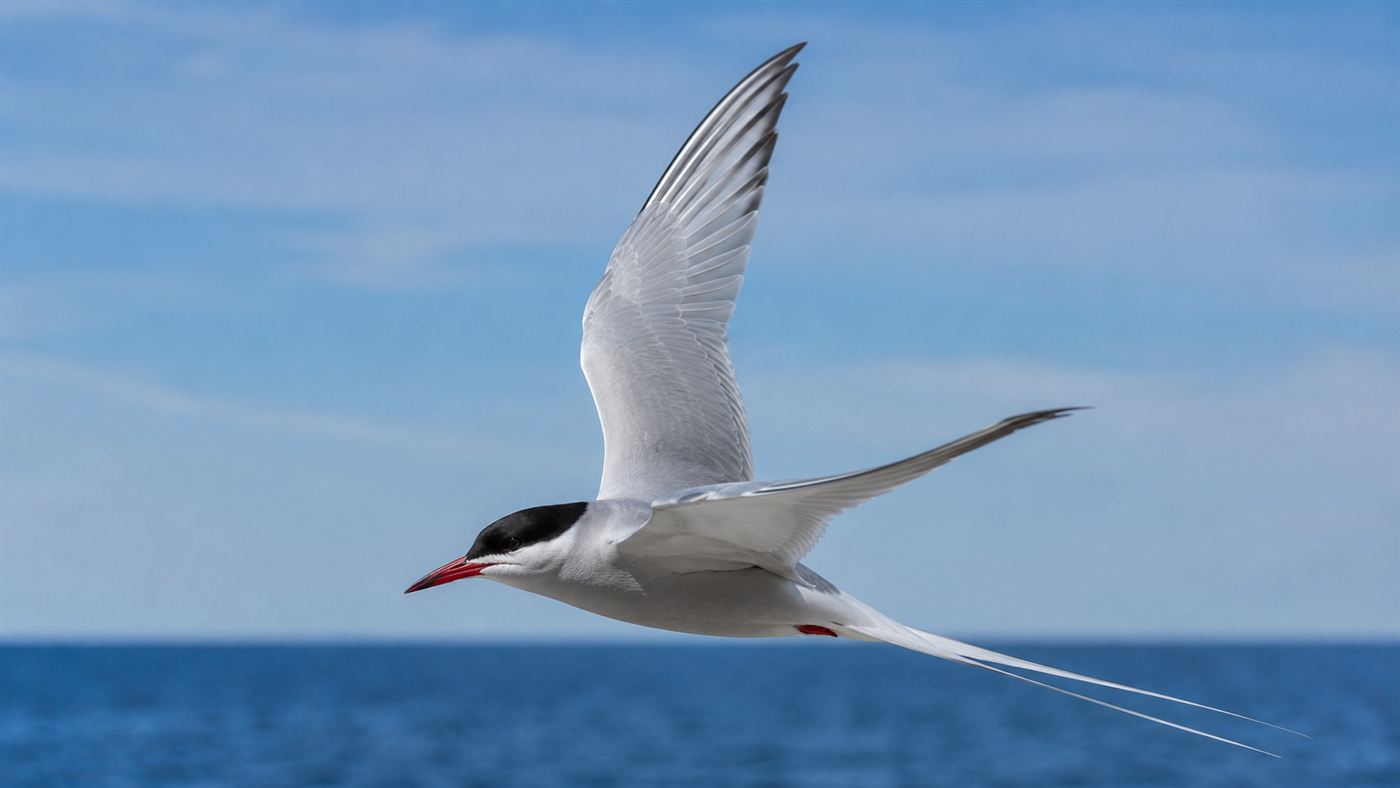
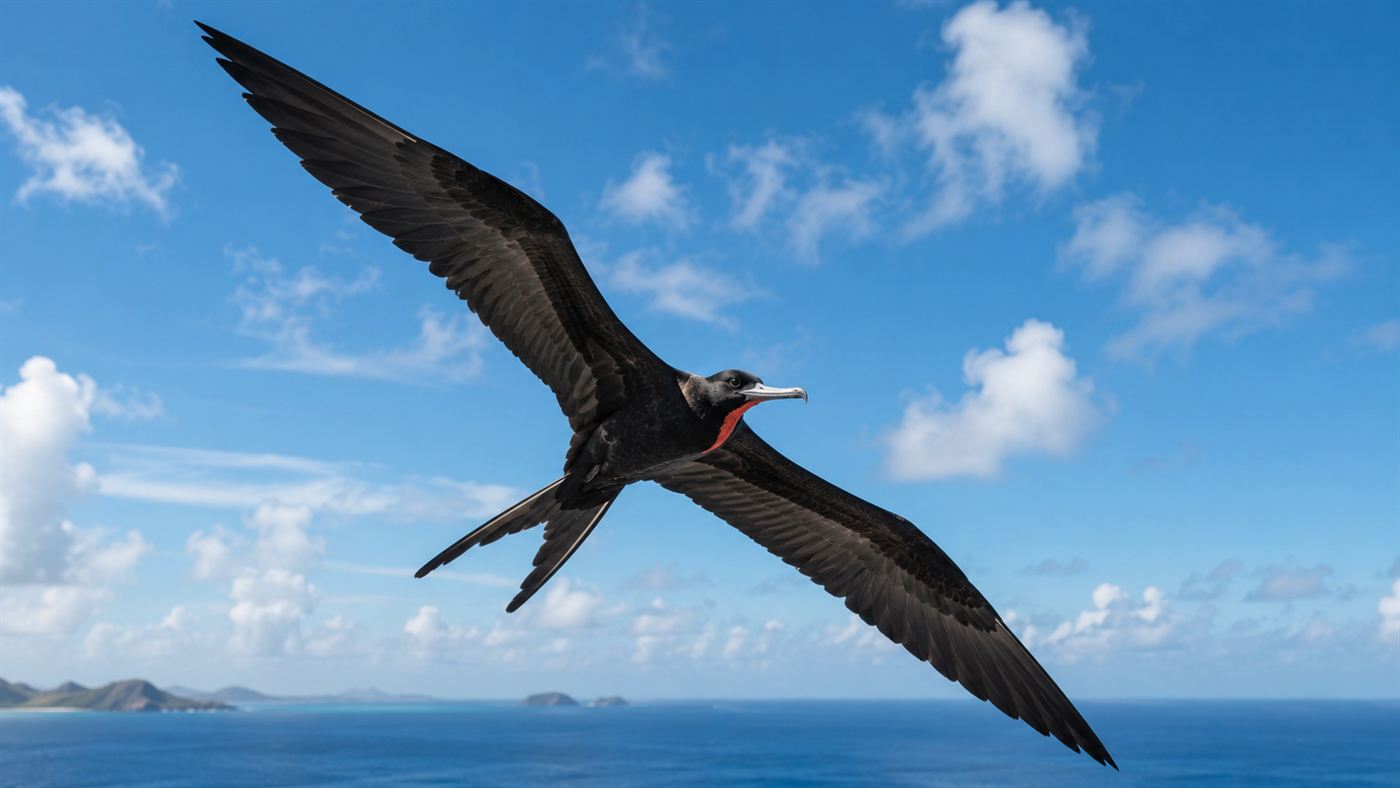
A featherweight seabird that flies the length of the planet twice a year. Illustration: Watts & Wild.
When we think of great travelers in the animal world, we tend to picture something large and powerful, a whale crossing oceans or a wildebeest thundering across the plains. The real champion is far humbler. It is a small, elegant white seabird you could hold in one hand, and its yearly journey dwarfs them all.
The Arctic tern makes the longest migration of any animal on the planet, a round trip between the Arctic and the Antarctic that it repeats, astonishingly, every single year of its long life. It is a feat of endurance so extreme that for a long time no one could quite prove it, until tiny modern trackers finally revealed just how far this little bird goes.
The short version: The Arctic tern breeds in the Arctic summer, then flies all the way to Antarctic waters for the southern summer and back again, a round trip averaging around 70,000 km a year. A 2010 tracking study confirmed it as the longest migration of any animal. By living through two summers, it sees more daylight than any other creature, and over a lifetime it may fly the distance to the Moon and back three times.
A featherweight globetrotter
The Arctic tern is a small seabird, weighing only around a hundred grams, with a neat black cap, a blood-red bill and long, streaming tail feathers. It breeds across the far north, in the Arctic and sub-Arctic, during the brief northern summer, nesting on open ground and fiercely dive-bombing anything, including humans, that comes too near its chicks.
But it is what the tern does when the northern summer fades that sets it apart. Rather than settle in for winter like most birds, it launches into an epic journey south, all the way to the food-rich waters around Antarctica, arriving in time for the southern summer. Then, months later, it turns around and does the whole thing in reverse. Its entire year is a pendulum swing between the top and bottom of the world.
The longest journey on Earth
For most of history, the sheer scale of that journey was guessed at rather than known, because you cannot exactly follow a bird across the planet. That changed with technology small enough to ride on a tern. As reported when the results were published, a 2010 study fitted Arctic terns with tiny geolocators weighing just 1.4 grams and confirmed the longest animal migration ever recorded.
The tracked birds flew an average of around 70,900 km round trip each year, and some covered more than 81,000 km. Crucially, they did not fly in a straight line. They followed great looping, zigzag routes that rode the prevailing winds and traced the richest feeding grounds, which is exactly why the distance is so staggering. The tern does not take the short way. It takes the way that keeps it fed, and pays for it in miles.
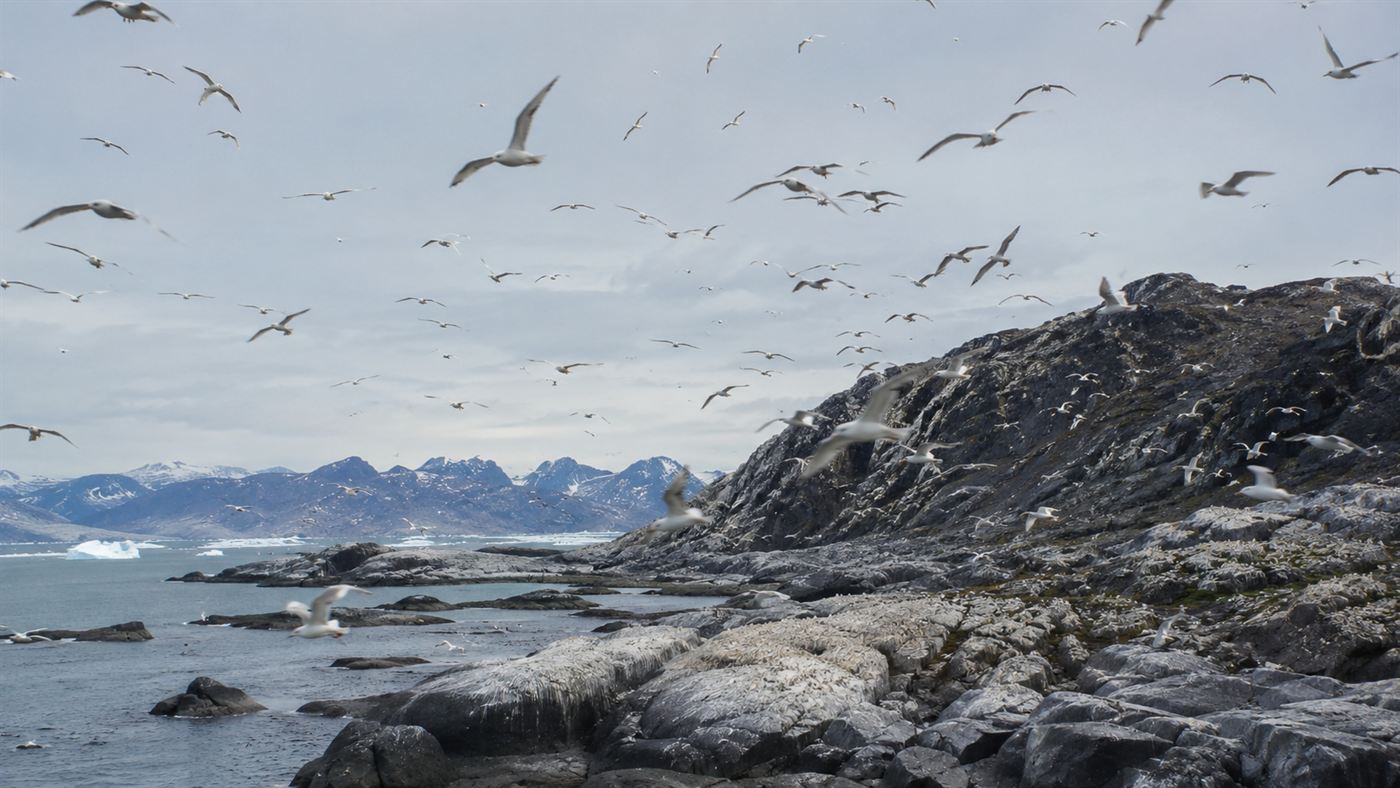
How far the Arctic tern really flies
Stretch that yearly journey across a whole lifetime and the numbers become almost unbelievable. Arctic terns can live for around thirty years, and a bird that repeats this migration year after year racks up an extraordinary total. Estimates suggest the Arctic tern may fly more than 2.4 million km in its life, which is roughly the equivalent of three round trips between the Earth and the Moon.
Think about what that means for a creature you could cup in your hands. This small bird, over its decades of life, covers a distance we usually reserve for spacecraft. It does it not in one heroic dash but patiently, a journey at a time, wingbeat after wingbeat, following the sun from one hemisphere to the other and back. Few facts in nature so quietly humble our sense of what a small animal can do.
Two summers, endless light
There is a beautiful side effect to all this travel. Because the Arctic tern is in the Arctic for the northern summer and in the Antarctic for the southern one, it lives its life bathed in an unusual amount of sunshine. At both ends of its journey it lands in a polar summer, where the sun barely dips below the horizon and daylight can stretch around the clock.
As a result, the Arctic tern experiences more daylight over the course of a year than any other animal on Earth. It is, in a poetic sense, a creature of the light, forever fleeing the coming winter darkness and following the sun to the far side of the world. For a small seabird, it lives a life remarkably free of long nights.
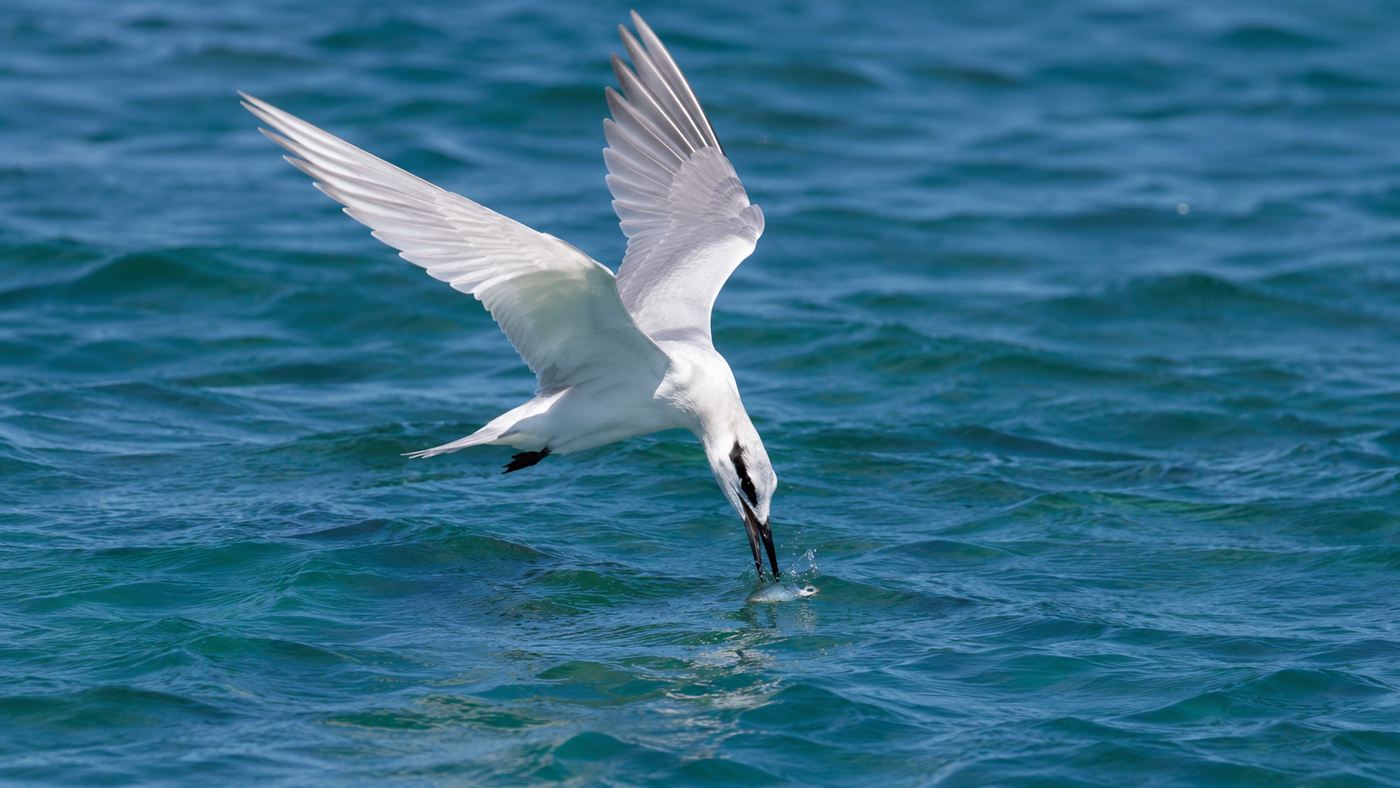
A tiny bird at the mercy of a warming sea
For all its endurance, the Arctic tern's whole way of life rests on a delicate foundation, the small fish it eats. It depends heavily on sandeels and similar prey, which it snatches from near the ocean surface, and those fish in turn depend on the tiny plankton that a healthy, cool sea produces in abundance.
As researchers at the University of Exeter have studied, warming oceans are reshaping this food web, reducing the plankton that sandeels rely on and shifting where and when prey is available. When the fish falter, the terns struggle to feed their chicks, and breeding success suffers. The greatest traveler in the animal kingdom, capable of crossing the entire planet, can still be undone by changes in the thin layer of sea it skims for dinner.
The honest catch
The Arctic tern is such a wonderful story that it is worth keeping the facts precise. The lovely line about it seeing two summers and more daylight than any animal is true, but it does not live in endless daylight, since it spends long stretches of the year migrating through the darker latitudes in between. The famous distance figures, too, come from a small tracking study of a handful of birds in 2010, and individual routes vary a great deal. The huge totals come largely from the terns' looping, indirect paths, not a straight flight from pole to pole.
The headline that it flies to the Moon and back three times in a lifetime is a charming estimate, built from average distances and a long assumed lifespan, rather than a figure measured for any single bird. And while the species is not currently endangered, that is not the same as safe. Local populations are declining in places, and the slow squeeze on its food supply from a warming ocean is a real and growing worry. The Arctic tern remains one of the most awe-inspiring animals alive, a featherweight that laps the planet chasing the light, and it deserves both our wonder and our care.
A bird you could hold in one hand flies the length of the world and back every year, chasing the sun. Does knowing how far the Arctic tern travels on so little change how you see the small creatures around you? Tell us what you think in the comments.
Related reading: the bar-tailed godwit, which flies for days without stopping to eat or sleep. See also the humpback whale that swam a record 15,000 km between Australia and Brazil.
More from Watts & Wild
More in Energy & the Wild →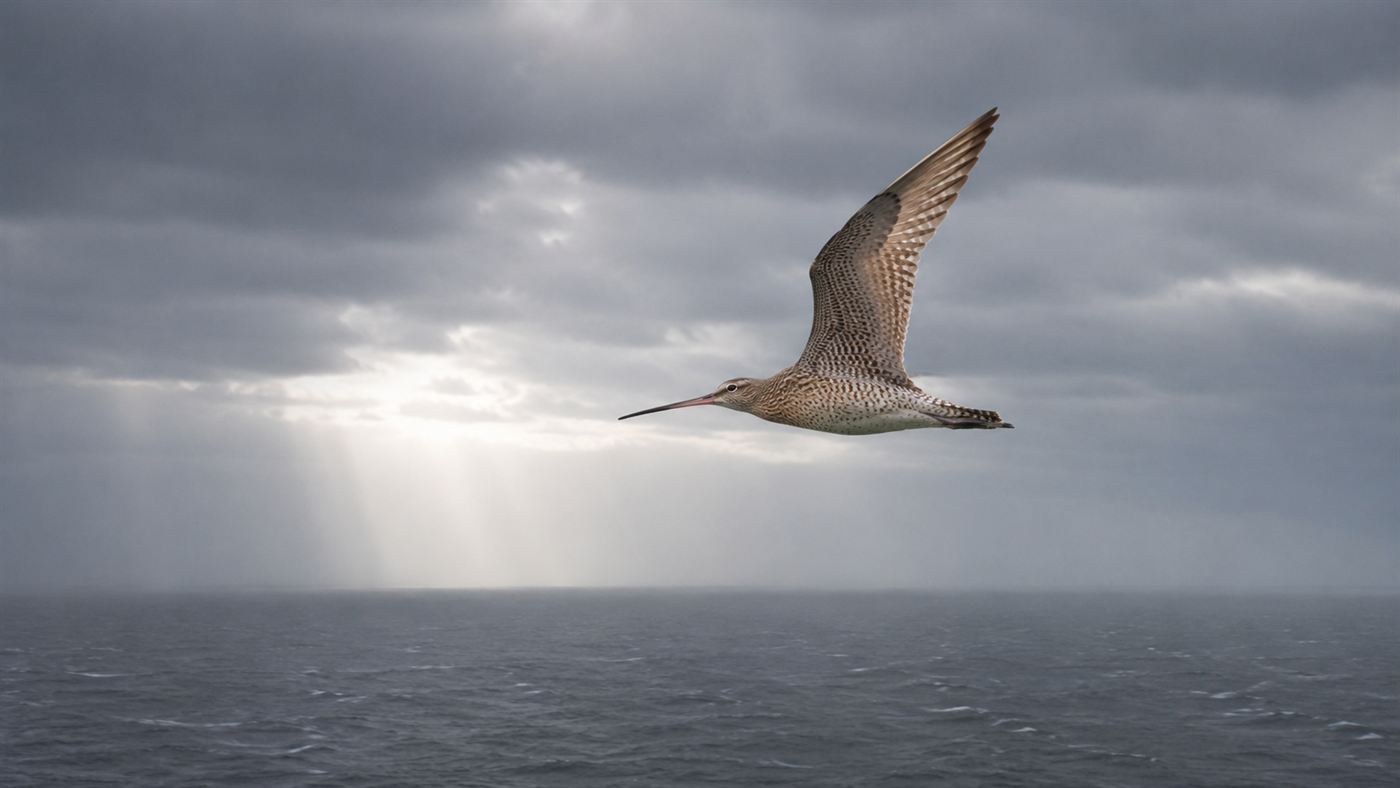


Maria writes about wildlife, ecology, and the strange places where nature and human history collide. She is based in Brazil.