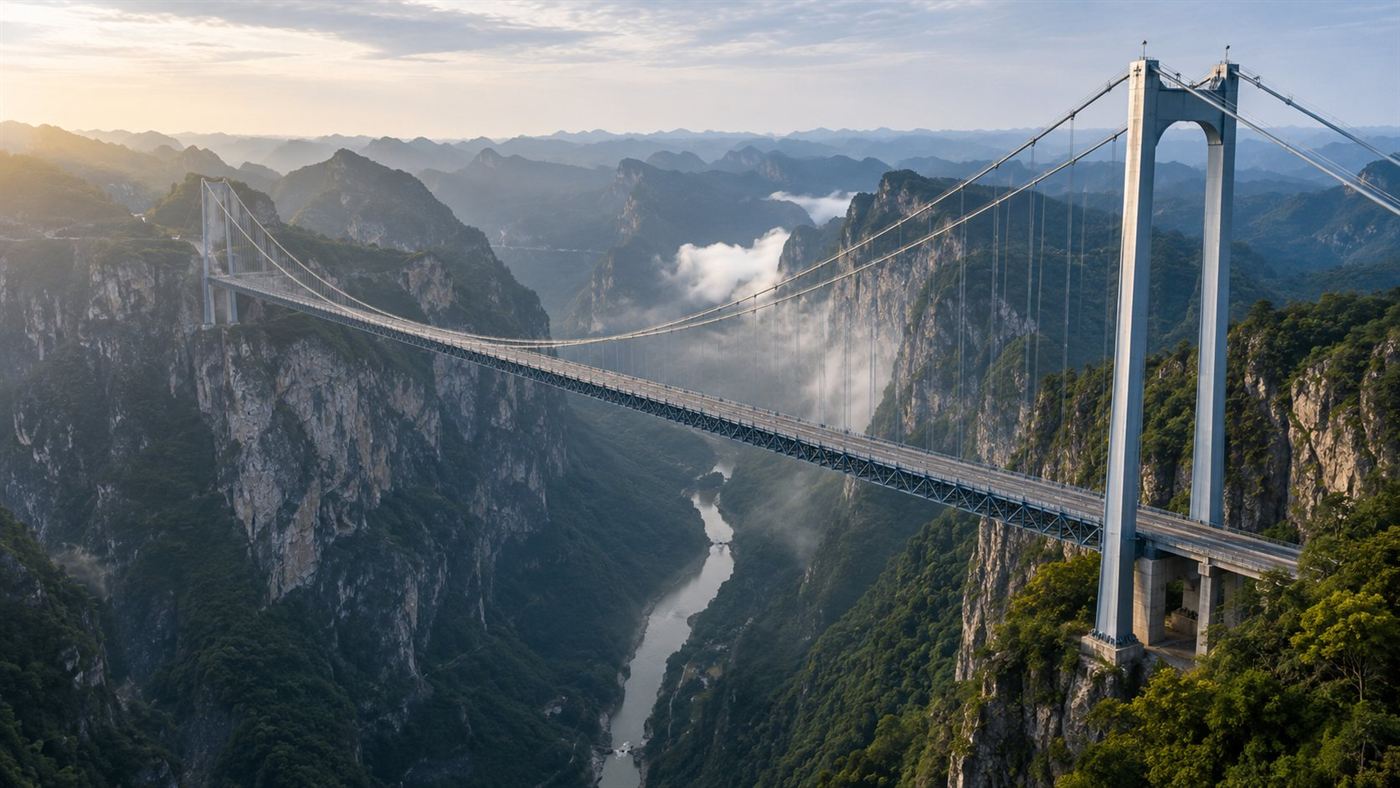
China has begun building a 137 billion dollar megadam in the Himalayas that will generate three times the power of the Three Gorges, and two countries downstream are worried
On a violent bend of the Yarlung Tsangpo in Tibet, China has started the largest construction project on Earth. It will out-power the Three Gorges three times over, cost around 137 billion dollars, and control a river that hundreds of millions of people downstream in India and Bangladesh depend on.
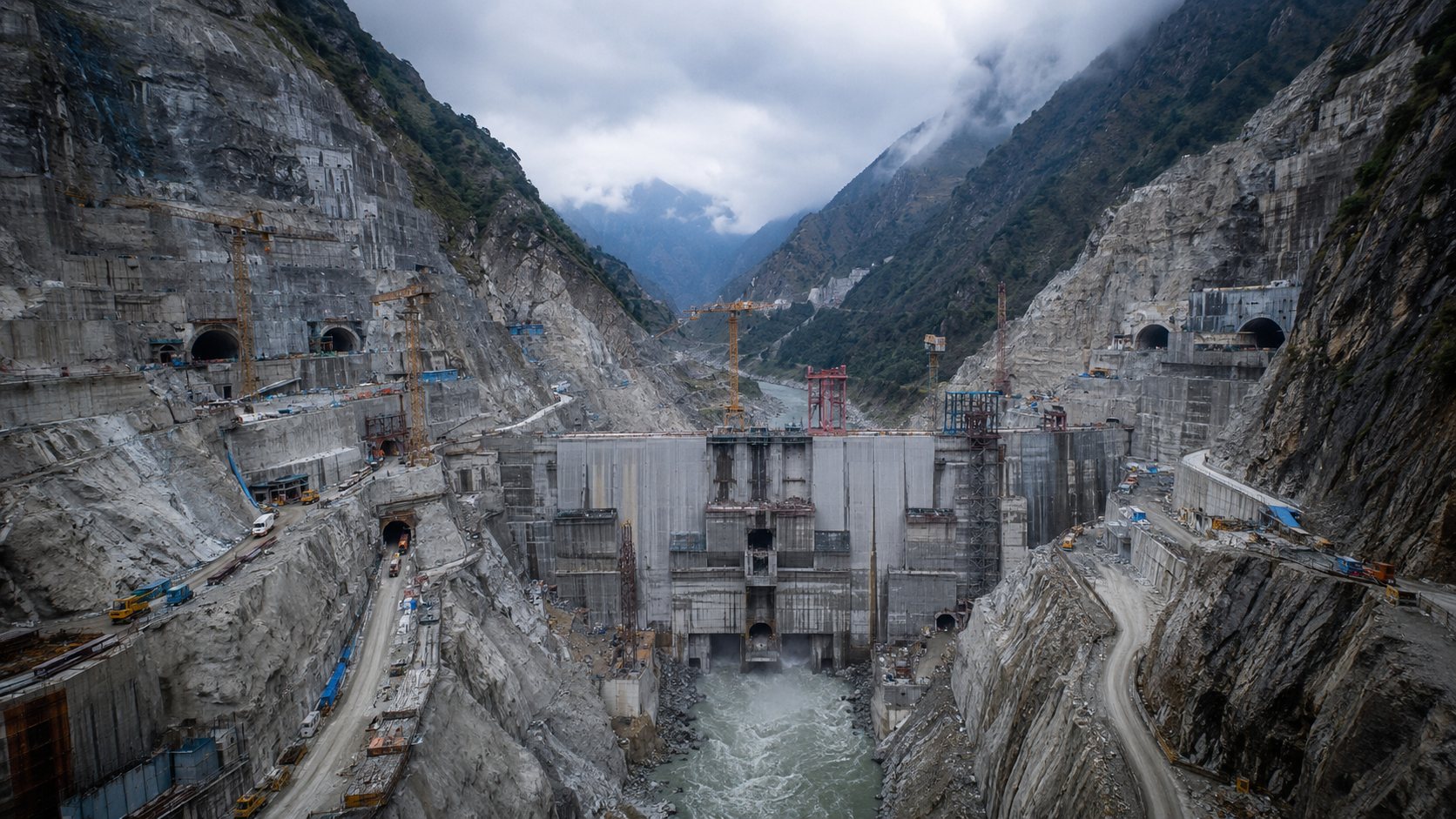
The Medog project is being carved into one of the steepest gorges on the planet. Illustration: Watts & Wild.
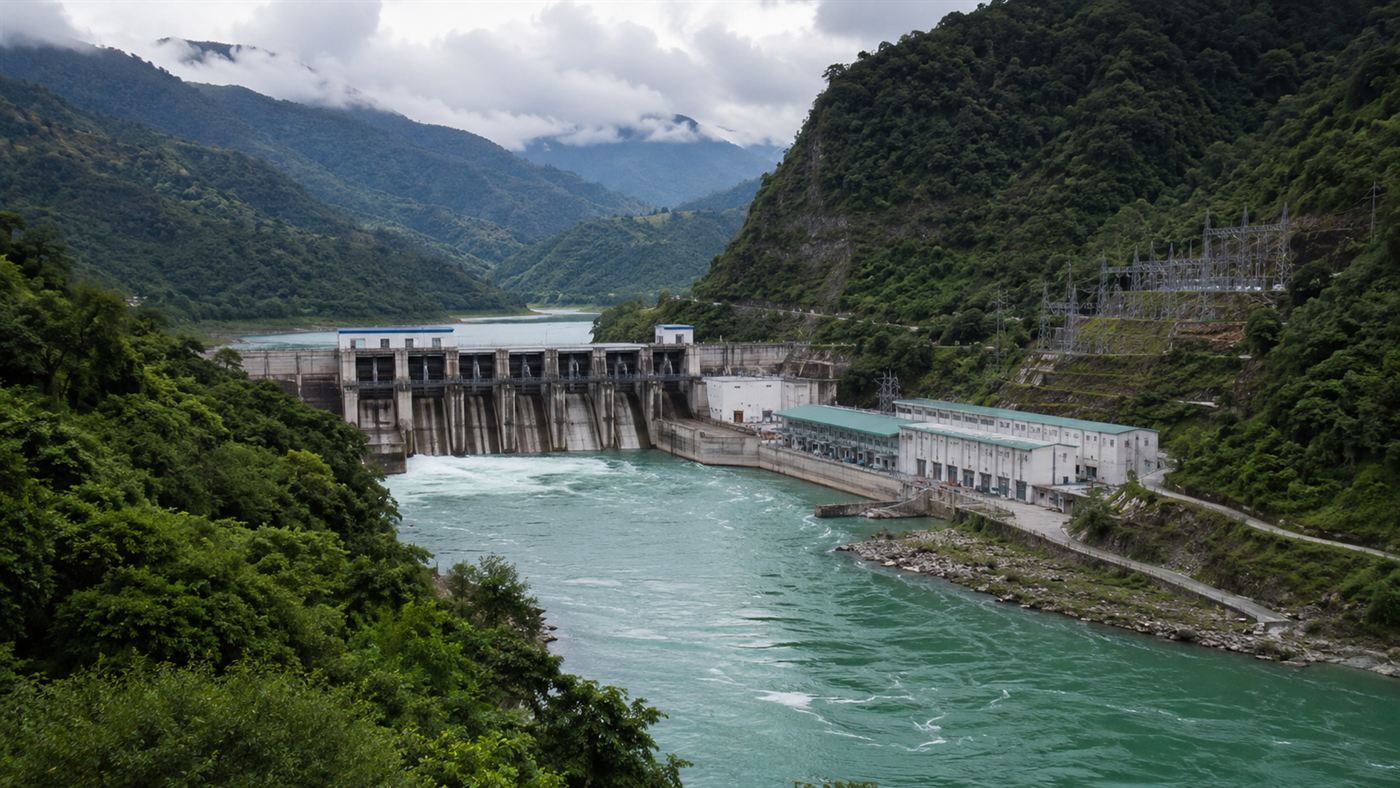
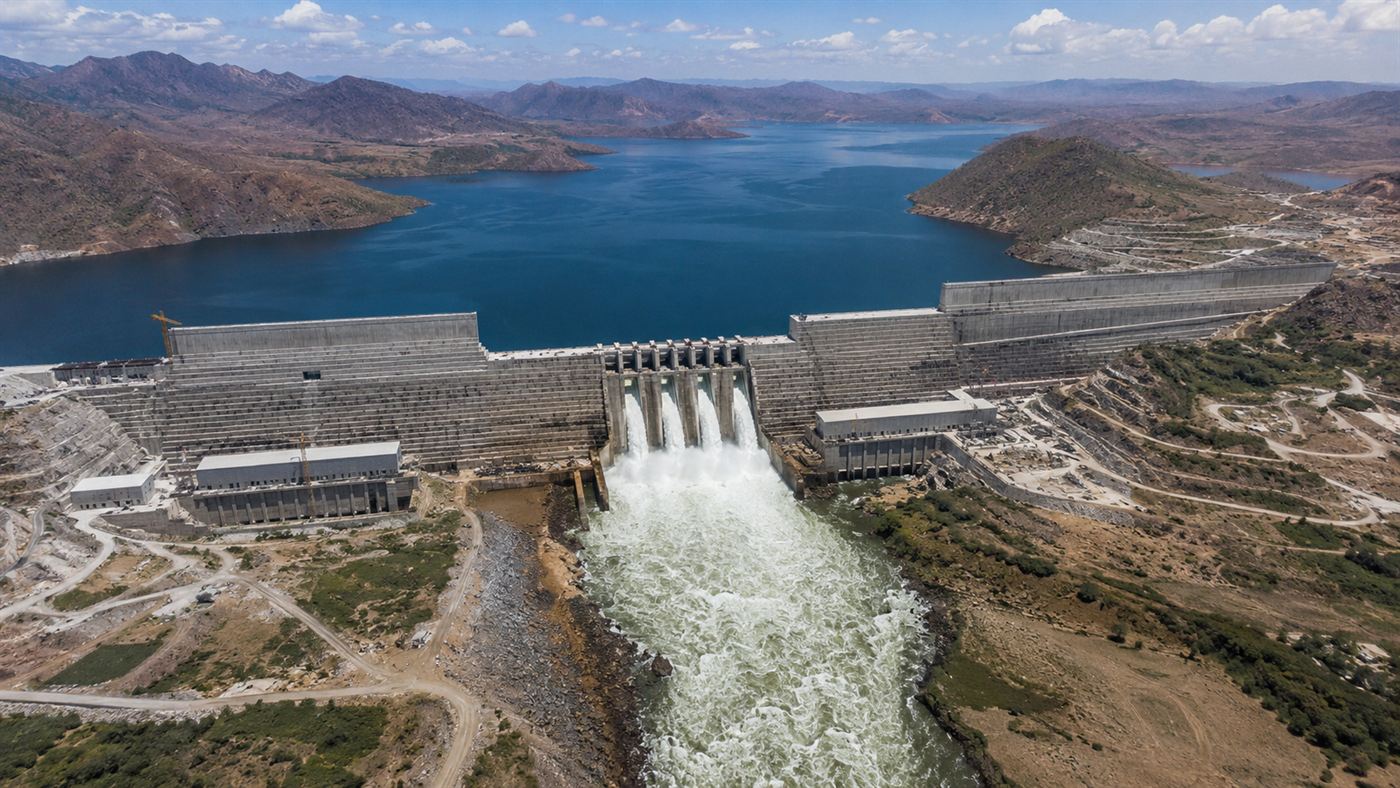
Deep in the mountains of southeastern Tibet, in a place most people have never heard of, China has begun building the most powerful machine for making electricity that the world has ever attempted. The China Himalayas megadam, approved by the Chinese government as the Medog hydropower project in December 2024, broke ground on July 19, 2025, on the lower stretch of the Yarlung Tsangpo River.
The numbers are hard to take in. As reported by CNN, the complex is designed to generate around 300 billion kilowatt-hours of electricity a year, which is roughly three times the output of the Three Gorges Dam, today's record holder. The price tag is just as staggering, with the South China Morning Post putting the investment above one trillion yuan, about 137 billion US dollars, more than four times what the Three Gorges cost to build.
Three Three Gorges in one
To understand the scale, start with the record it is about to break. The Three Gorges Dam produces on the order of 95 billion kilowatt-hours in an average year, and for two decades it has been the largest power plant of any kind on the planet. Medog is built to produce three times that, from a single project, with an installed capacity in the range of 60 gigawatts.
That is not one dam in the familiar sense. The plan describes a chain of five cascade power stations built along the same stretch of river, each capturing part of the drop. Together they would form less a wall across a valley than a staircase of turbines built into a mountain.
Why this canyon, and not anywhere else
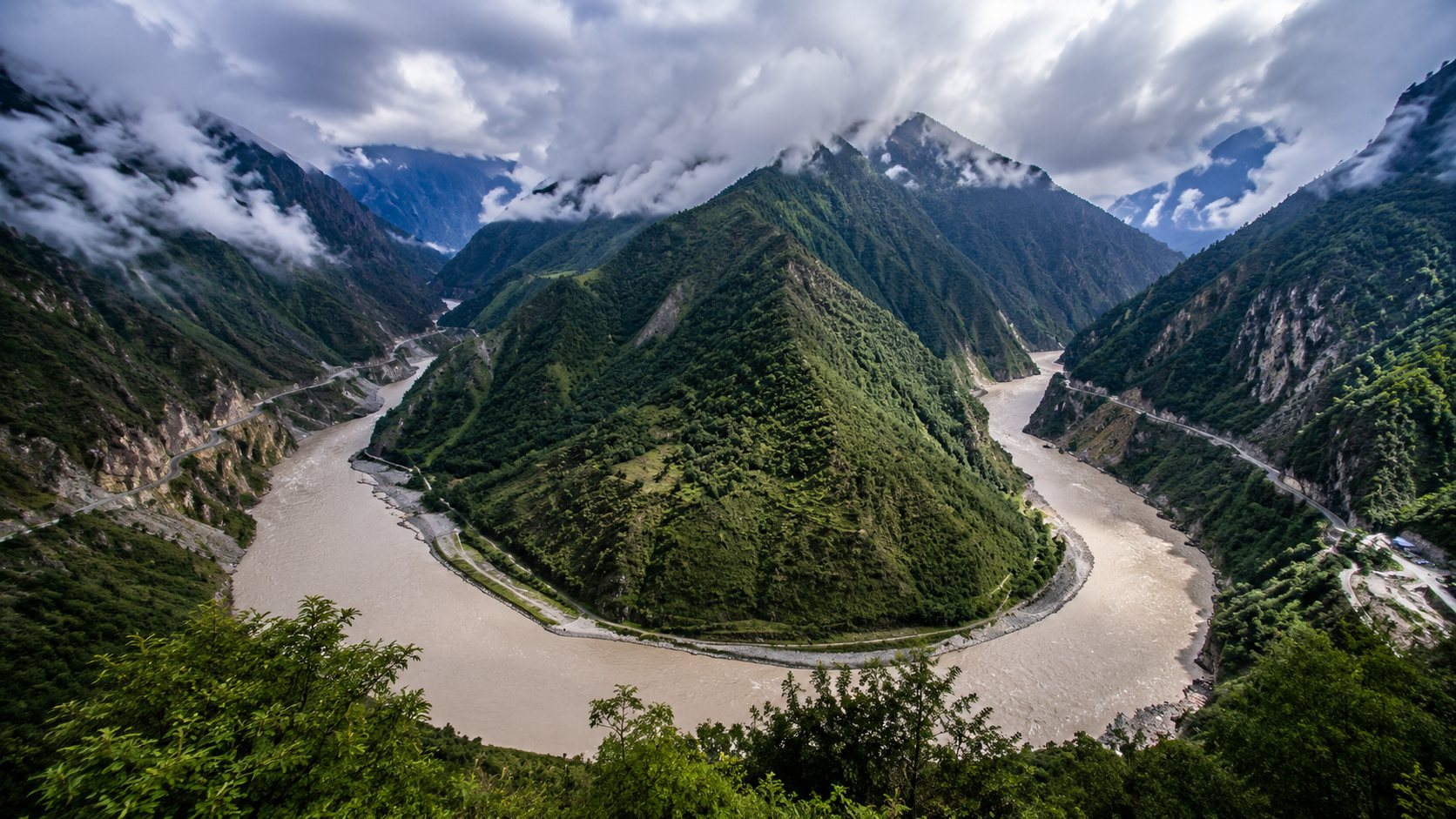
The reason China chose this exact spot is geography that looks almost designed for it. At a feature known as the Great Bend, the Yarlung Tsangpo swings around the Namcha Barwa mountain in a giant horseshoe and plunges roughly two thousand metres in a remarkably short distance. That vertical drop is what makes electricity, and there is more of it concentrated here than almost anywhere on Earth.
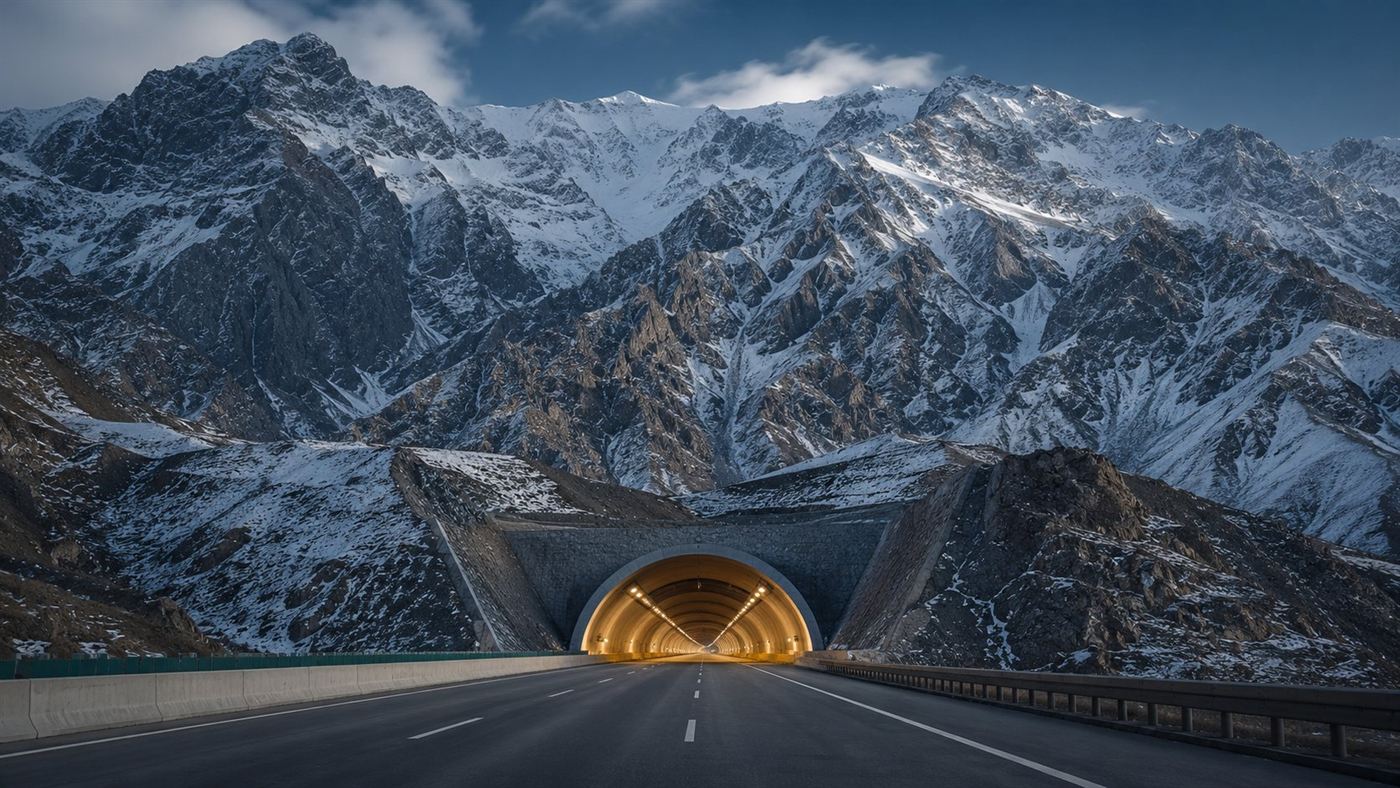
Engineers plan to use it by driving tunnels straight through the mountain to short-cut the bend, sending the water down a steep, controlled path into the turbines. It is the kind of terrain that makes the project possible and brutally hard at the same time, a remote, earthquake-prone corner of the Himalayas with thin air and almost no roads.
The 137 billion dollar bet
A project this size is also a statement about money and time. The estimated one trillion yuan commitment makes Medog one of the most expensive single pieces of infrastructure ever started anywhere, and China is treating it as a national priority rather than a normal power plant. As The Diplomat has laid out, the dam is meant to anchor clean power supply, regional development in Tibet, and Beijing's longer climate goals all at once.
The timeline is long by any standard. With ground broken in 2025, the first electricity is not expected until around 2033, which means close to a decade of building in some of the most difficult conditions on the planet before the turbines spin.
The water two other countries are counting on
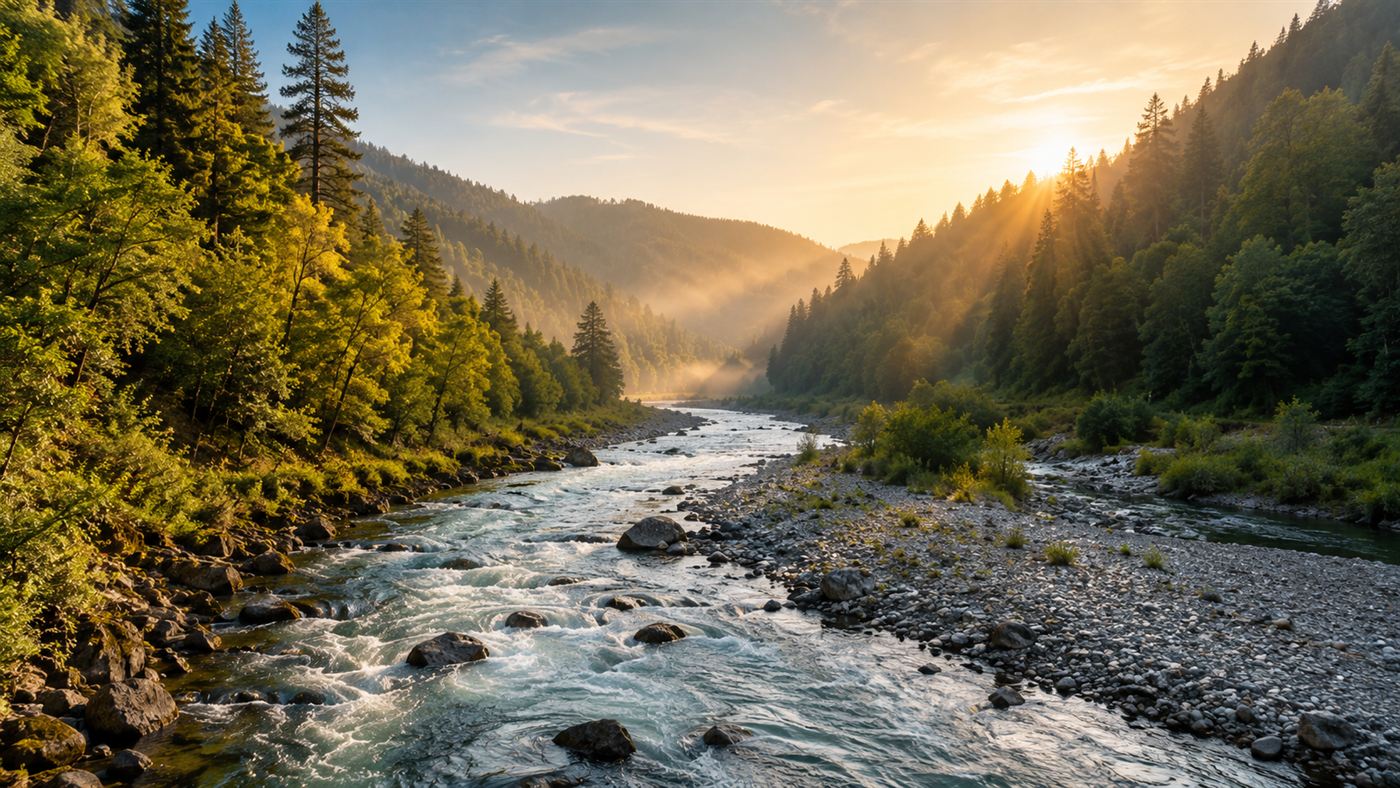
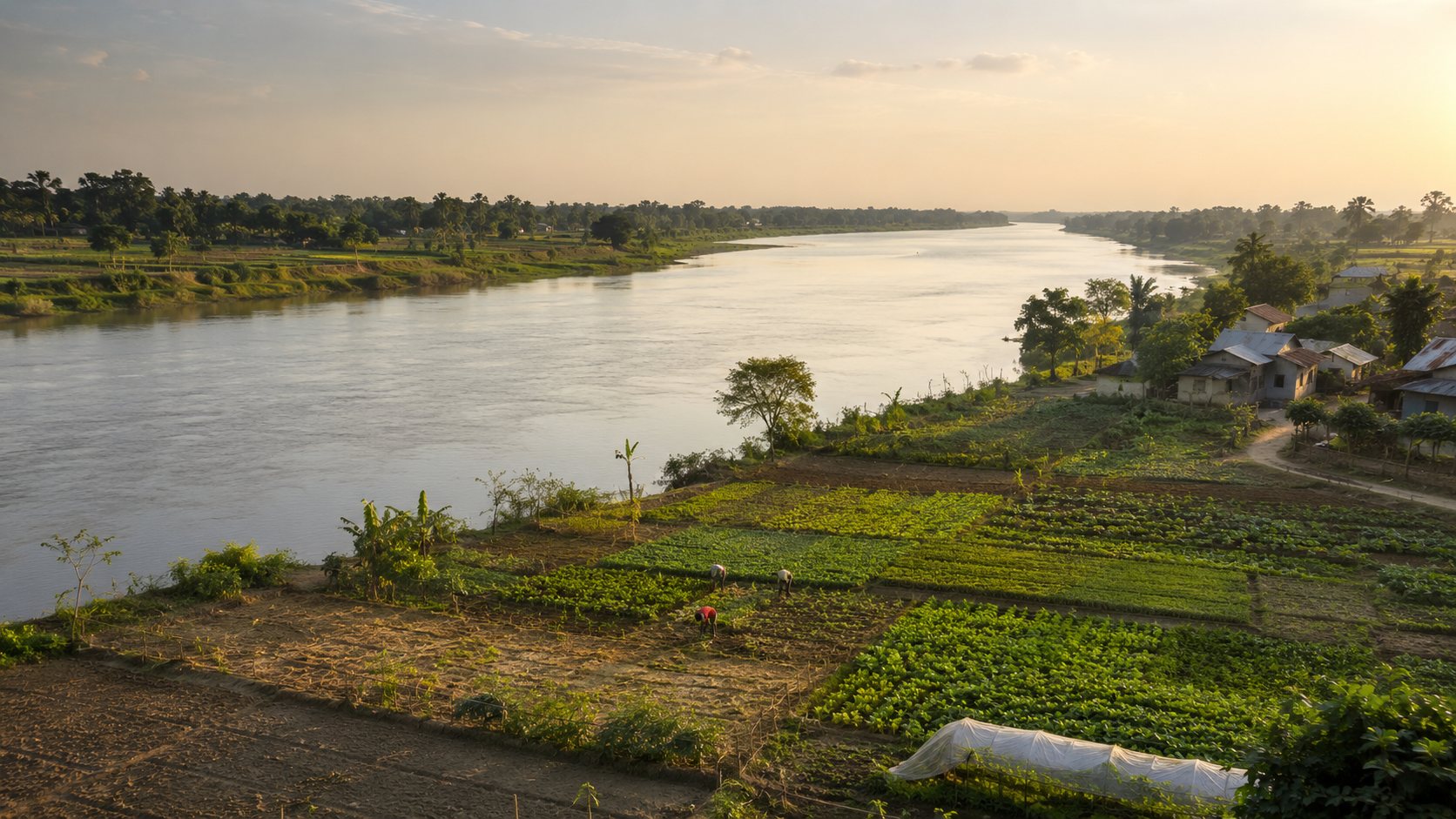
Here is the part that turns an engineering marvel into an international worry. The Yarlung Tsangpo does not stay in China. It crosses into India, where it becomes the Brahmaputra, and then into Bangladesh, where it is called the Jamuna, feeding farms and cities that hundreds of millions of people depend on.
That is why, as the South China Morning Post reported, India and Bangladesh have voiced real concern. Their fear is not mainly about the dam running dry, it is about control: whoever holds the upstream structure can influence how much water flows down and when, a powerful lever over a river that two neighbours rely on. China has said the project will not harm downstream supply, but the unease over having that switch sit in another country's hands is not going away.
The China Himalayas megadam at the edge of the possible
Even setting the politics aside, Medog is a test of how far dam building can be pushed. The region sits on active geological faults, the weather is extreme, and the whole effort has been wrapped in unusual secrecy, with much of what is known pieced together from satellite images. As Newsweek showed using satellite photos, the early earthworks are already visible from orbit, scars cut into the green walls of the gorge.
If it works, it will be the clearest proof yet that the limits on hydropower are no longer about engineering, but about geography, money and who lives downstream.
The honest catch
The numbers here are a promise, not a measurement. A dam this size sits in one of the most earthquake-prone canyons on Earth, and building at that scale in shaking ground carries a risk no brochure erases. Downstream, India and Bangladesh draw on the same water with no treaty guaranteeing how much reaches them, so the politics may prove harder than the concrete. Megadams also have a long record of arriving late, costing more than promised, and displacing people whose names never make the headline.
Medog is the kind of project that rewrites the record books and the maps at the same time. It promises a flood of clean electricity for China and hands it a quiet new influence over a river two other nations cannot live without. Should a country be allowed to build a dam this powerful on a river that flows into its neighbours? Tell us what you think in the comments.
Related reading: inside the world's largest solar farm, where 20,000 sheep keep the grass down.