For Africa's motorcycle-taxi riders the petrol pump ate the day's wages, so they are switching to electric bikes that swap a dead battery for a full one in under two minutes
The motorcycle taxi is how millions of Africans earn a living and how millions more get to work. Fuel was always the biggest bite out of the day. Now electric bikes that swap an empty battery for a charged one in about two minutes are flipping that math, and in 2025 the money behind them got serious.
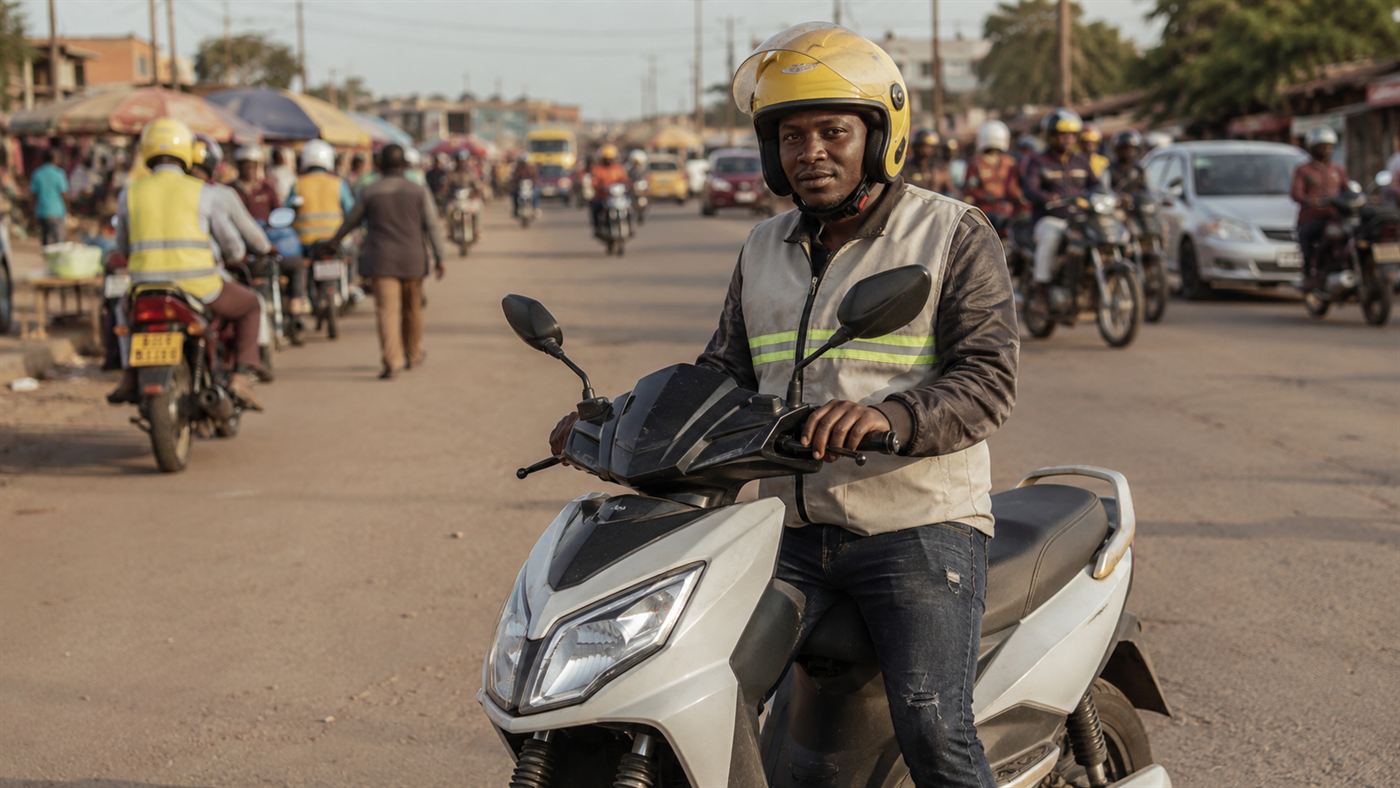
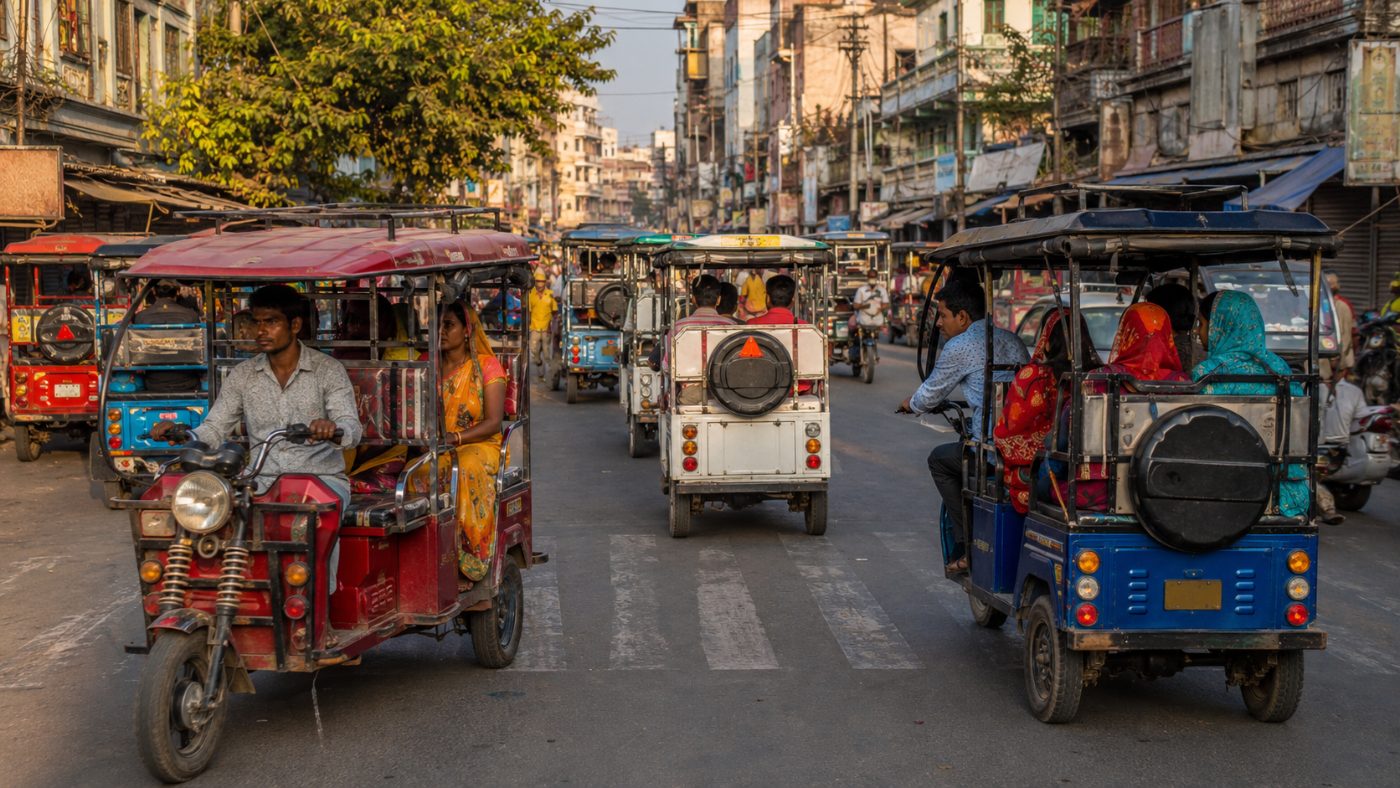
For a boda boda rider, the bike is the business, and fuel was always the costliest part of it. Illustration: Watts & Wild.
For the millions of riders who keep Africa's cities moving on the back of a motorcycle taxi, the arithmetic always ended the same way. Whatever they made in a day, the petrol pump took a brutal cut of it first. Fuel is the single largest running cost of the job, and when prices spike, it is the rider, not the passenger, who absorbs the hit. The electric motorcycle battery swap is now rewriting that equation, two minutes at a time.
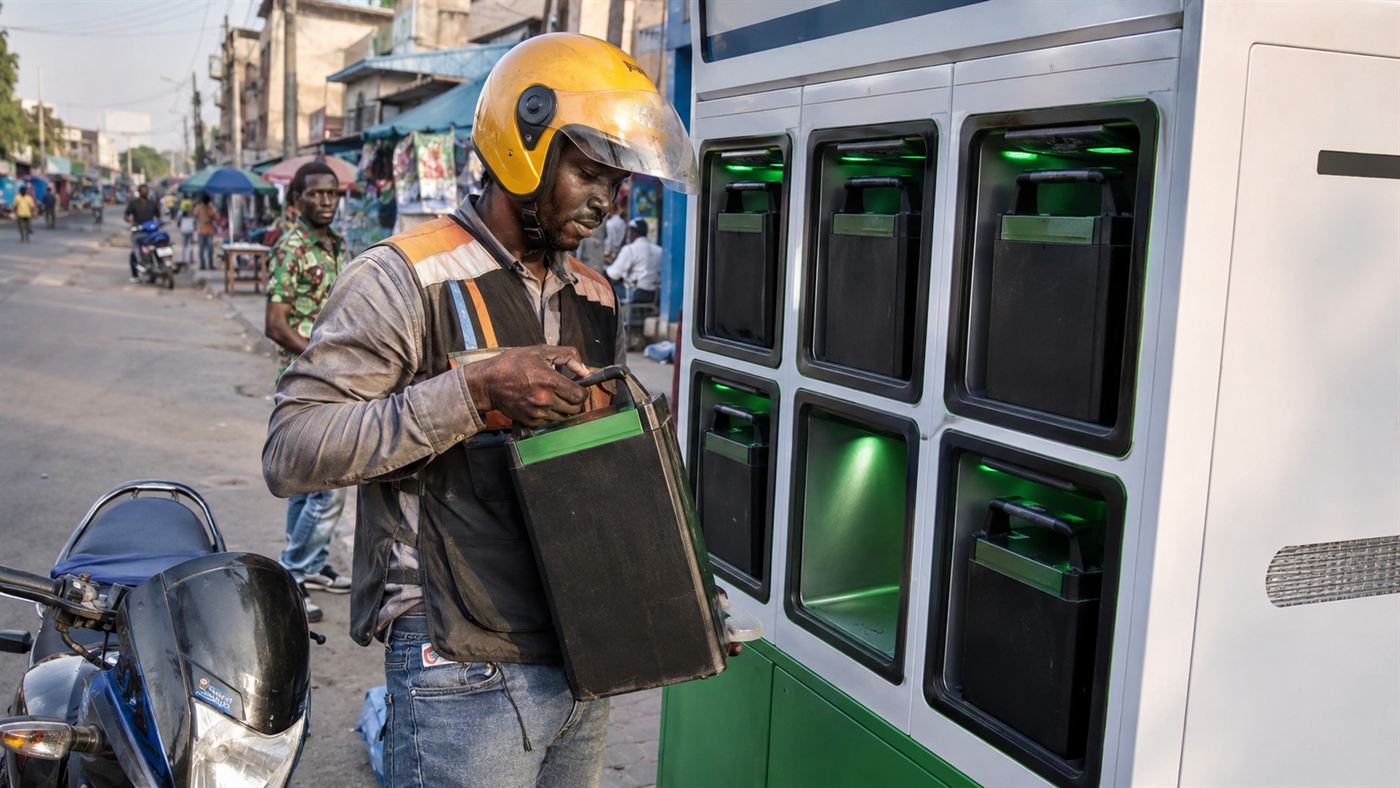
Across Rwanda, Kenya and a lengthening list of countries, boda boda riders are trading petrol bikes for electric ones that never plug in to charge at all. Instead, a rider pulls into a station, swaps a drained battery for a fully charged one in under two minutes, and rides straight back out. In 2025 the idea stopped looking like a pilot and started looking like an industry, as hundreds of millions of dollars poured into the companies building it. The model was proven at national scale a continent away, by Gogoro, whose green kiosks swap scooter batteries across Taiwan.
The bike that runs a city
To understand why this matters, you have to understand what the motorcycle taxi is in much of Africa. It is not a hobby or a luxury. It is the bus, the ambulance, the delivery van and, for the rider, the entire family income. In cities with thin public transport, the two-wheeler weaving through traffic is the thing that actually works.
That also makes the rider acutely exposed to the price of petrol. A bike that runs all day burns a lot of fuel, and a rider who fills the tank out of his own takings feels every currency wobble and every pump increase directly in his pocket. The job has a built-in leak, and for decades there was nothing anyone could do about it.
Why the electric motorcycle battery swap changes the math
Electric motorbikes are an obvious fix in theory and an awkward one in practice. A rider cannot afford to park a working bike for hours while it charges, and most do not have a garage with a socket to charge it in. Sitting still is the one thing a taxi cannot do.
Battery swapping sidesteps the whole problem. The battery is not part of the bike you own, it is a thing you rent and exchange. Ampersand, one of the biggest operators, says riders swap a depleted pack for a full one in under two minutes for around $1.60, and that it is already handling roughly 18,000 swaps and charges a day across Rwanda and Kenya. "Riders easily swap depleted batteries for fully charged ones at our battery swap stations, minimizing downtime," the company's chief technology officer, Alp Tilev, put it. In other words, it feels exactly like refuelling, just faster and cheaper.
What the rider actually keeps
The reason riders are switching is not the climate. It is the money. Ampersand puts its electric bikes at about 45 percent cheaper to run than petrol equivalents, saving a rider roughly $700 a year, and says drivers in Kigali can clear up to $23 a day, around a third more than they made on fuel. For an informal worker with no salary and no safety net, an extra few dollars a day is not a rounding error. It is school fees, rent, or a meal.
That is also why the founders frame this as a livelihoods story before an environmental one. "This partnership marks a major milestone for Ampersand as we continue to lead the charge in providing sustainable, cost effective, mass-market EV solutions," its chief executive, Josh Whale, said of a recent deal. Some governments are leaning in to widen access, with Rwanda running a rebate scheme to cut the down payment that low-income and women riders pay to get on an electric bike in the first place.
The money is now pouring in
For years this was a story about a few hundred bikes and a lot of optimism. 2025 changed the scale. In October, the operator Spiro raised $100 million in what was reported as the largest single investment ever made in African electric mobility, on the back of a fleet it counts in the tens of thousands of bikes and a swap network that has handled tens of millions of battery exchanges.
As Electrek reported around the same raise, battery swapping has become the defining bet of the African e-motorcycle race. Nairobi-based Roam is building bikes on home soil that were designed hand in hand with boda boda riders, and Ampersand has set targets of tens of thousands of bikes within a year and hundreds of thousands by 2030. The pilot phase is over. The question now is how fast the network can grow.
Why two wheels, not four
There is a bigger idea hiding inside this. The mental image of an electric future, a sleek car in a rich-country driveway, does not fit most of the world. In Africa, the vehicle that actually moves people and goods is the motorbike, and that is exactly where going electric pays off first.
A taxi bike covers huge distances every day, so the fuel savings stack up fast, and its small battery is cheap enough to swap. Electrify a million of those and you clean up the air in dense, traffic-choked cities, cut the noise, and put money back in the pockets of the people with the least of it, all without waiting for anyone to buy an expensive car. It is leapfrogging, the same move that skipped landlines and went straight to mobile phones.
The honest catch
None of this is a finished miracle, and the gaps are real. The swap stations only exist in a handful of cities so far, which means a rider a few towns over still has no electric option at all. The bikes can also cost more up front than a basic petrol model, and asking a low-income rider to take on that debt is a genuine risk if the savings do not arrive as promised.
There is a grid question too. A battery is only as clean as the electricity that charged it, and that depends entirely on each country's power mix. It is also worth remembering that the headline numbers, the swaps per day, the dollars saved, the fleet sizes, mostly come from the companies themselves and are still racing ahead of independent verification. The direction looks right and the rider economics are real, but this is an industry in its first hard sprint, not a victory lap.
The vehicle that moves most of Africa is the motorbike, and for the riders who depend on it, swapping petrol for a battery is starting to mean keeping a real slice of the day's pay. Is the electric future going to be won by cheap two-wheelers in the global south rather than expensive cars in the rich world? Tell us what you think in the comments.
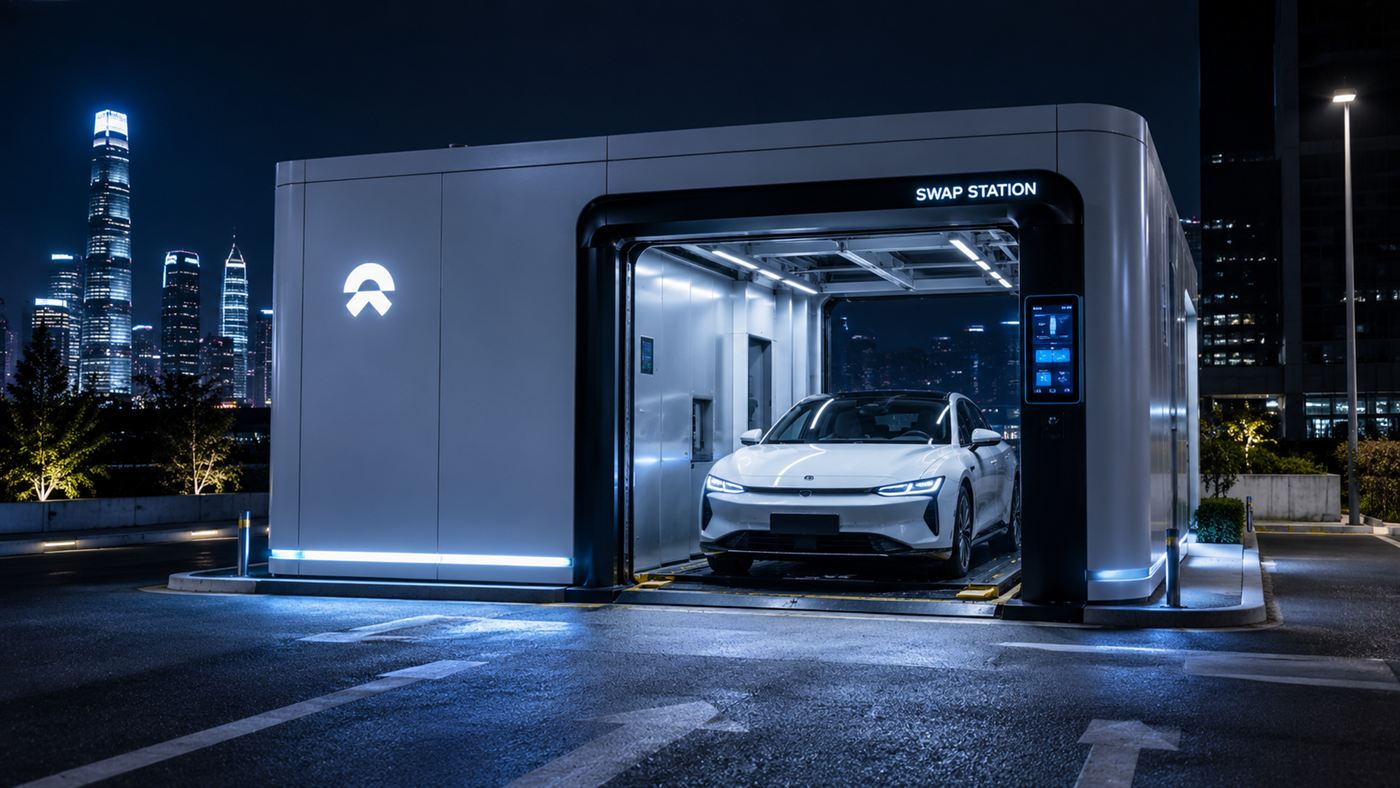
Related reading: NIO swaps a car's whole battery in three minutes instead of charging it, and has now done it more than 100 million times in China.