The KLM captain who killed 583 people at Tenerife in 1977 was also the airline's chief flight safety officer, and the other crew on his flight didn't dare question him
On March 27, 1977, two Boeing 747s collided in thick fog on the Los Rodeos runway in Tenerife. The Tenerife airport disaster killed 583 people and remains the deadliest accident in aviation history. The KLM captain who triggered it had just been featured in his airline's safety advertising.
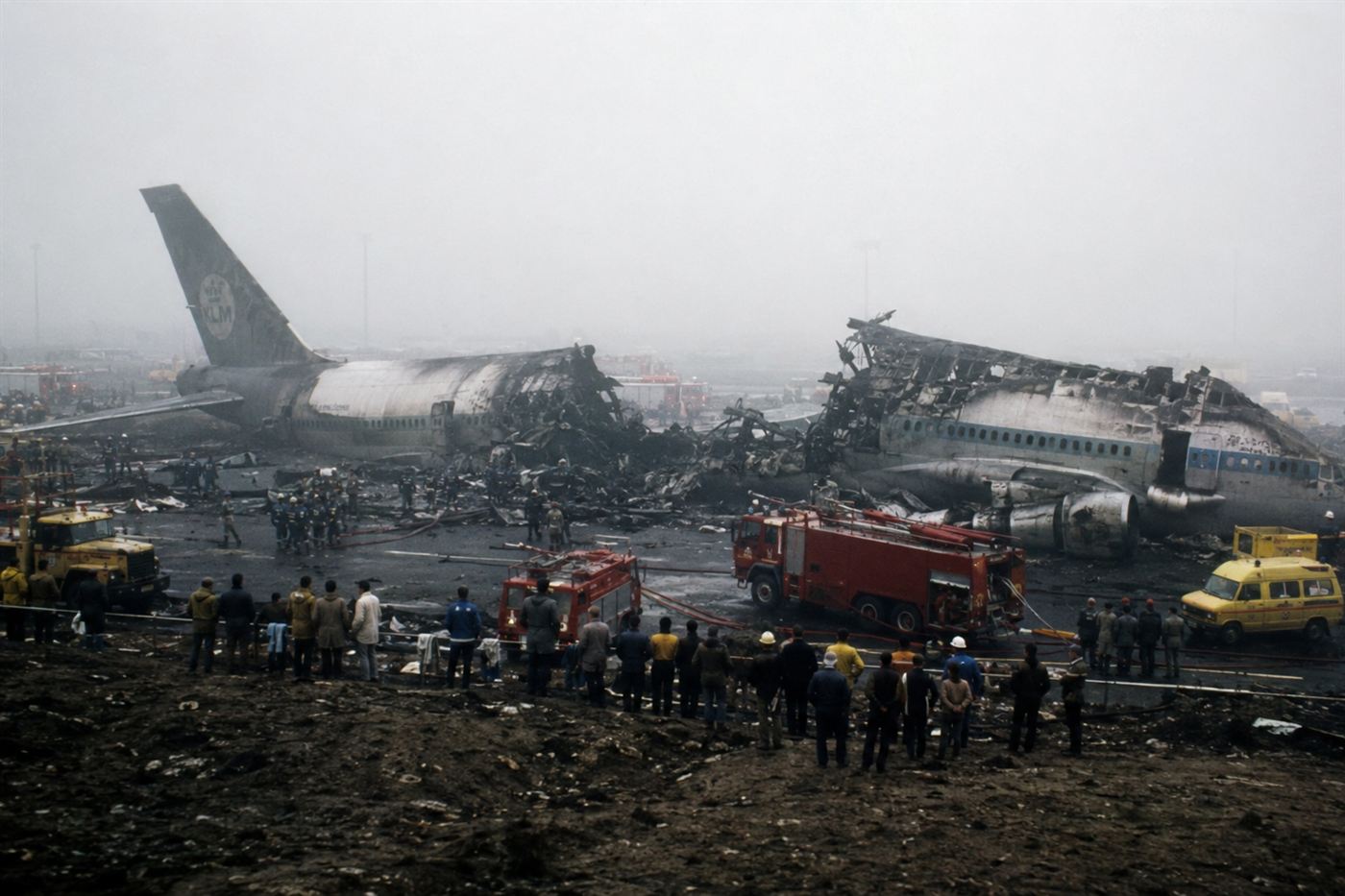
On March 27, 1977, a bomb exploded in a flower shop at Las Palmas airport in Gran Canaria, forcing the airport to close and diverting dozens of flights to Los Rodeos Airport in Tenerife. Among the diverted flights were two Boeing 747 jumbo jets: KLM Flight 4805, carrying 248 Dutch tourists on a charter from Amsterdam, and Pan Am Flight 1736, carrying 380 American passengers bound for Las Palmas. Both planes parked on the taxiways. Both waited for Las Palmas to reopen. Both filled the small regional airport until it had no room left to maneuver aircraft normally.
Three and a half hours later, the Tenerife airport disaster would kill 583 of those passengers and crew, making it the deadliest accident in the history of aviation. The chain of events that caused it involved a bomb threat, thick sea fog, an ambiguous radio call, and a 50-year-old KLM captain named Jacob van Zanten who was one of the most experienced and celebrated pilots in the world, and who had just appeared on the cover of KLM's in-flight magazine promoting the airline's commitment to safety.
A bomb, a long wait, and two planes stuck at Los Rodeos
Las Palmas reopened at around 2:30 pm.
The KLM crew wanted to leave immediately.
Captain Jacob van Zanten had been on duty since early morning and was worried about exceeding Dutch aviation regulations on crew working hours.
If they were delayed much longer, he calculated, they might not be allowed to fly the return leg from Las Palmas to Amsterdam, which would mean an expensive night in Gran Canaria for 248 passengers.
Van Zanten had also made a decision that added to the pressure: without notifying the tower, he had used the waiting time to have his 747 refueled on the taxiway, taking on a full load of fuel that would have allowed him to fly non-stop back to Amsterdam.
Refueling on an already congested taxiway was unusual.
It delayed the Pan Am aircraft, which was parked behind the KLM plane and could not move until the KLM refueling was complete.
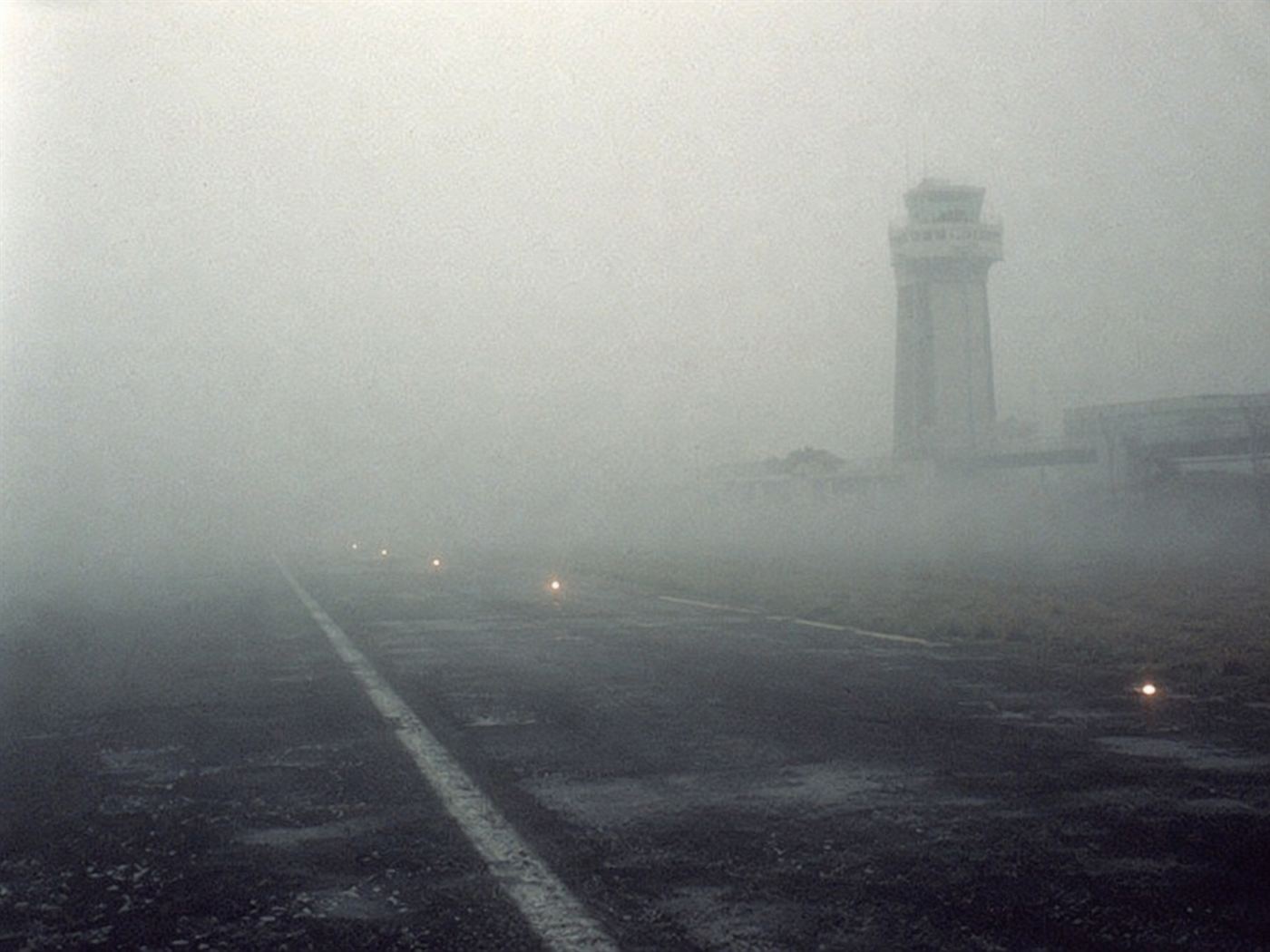
By the time both planes were ready to taxi, the thick sea fog that rolls in off the Atlantic in the late afternoon had arrived over Los Rodeos.
Visibility on the Los Rodeos runway had dropped to around 300 meters.
The airport had no ground radar.
The fog closes in over the Los Rodeos runway
Los Rodeos had only one runway.
To reach their takeoff position, both planes had to taxi the full length of the runway itself and then turn around at the end, because the airport's single taxiway was blocked with parked diverted aircraft.
The plan was for the KLM 747 to go first, taxi to the end of the runway, turn 180 degrees, and wait.
The Pan Am aircraft would follow behind, taxi most of the length of the runway, and exit onto the taxiway at exit C-3, well before the KLM plane.
Then KLM would be cleared for takeoff once the Pan Am aircraft was safely off the runway.
In clear conditions it would have been straightforward.
In 300-meter visibility, with no ground radar, the tower could not see either aircraft on the runway.
The KLM crew could not see the Pan Am plane ahead of them.
The Pan Am crew could not see the KLM plane behind them.
Communication between the aircraft and the tower was now the only way to know where anyone was.
KLM reached the end of the runway and completed its turn.
Van Zanten told the tower his aircraft was ready for takeoff.
The tower issued a route clearance, listing the headings and altitudes KLM should follow after leaving Tenerife, but it was not a takeoff clearance.
The difference between a route clearance and a takeoff clearance is fundamental in aviation.
At that moment, the Pan Am 747 was still on the Los Rodeos runway, looking for exit C-3.
Jacob van Zanten starts rolling
After receiving the route clearance, KLM's first officer Willem Schreuder read it back to the tower and ended with the words: "We are now at takeoff."
It was an unusual phrase.
In standard aviation phraseology of the time, "at takeoff" could mean "at the takeoff position" or "beginning takeoff."
The tower controller, hearing "We are now at takeoff," assumed the crew meant they were positioned and ready.
He responded: "OK, stand by for takeoff, I will call you."
At almost the exact same moment, the Pan Am crew, who had been listening on the radio, transmitted: "We're still taxiing down the runway."
Both transmissions overlapped.
On the KLM flight deck, the two radio signals mixed into a brief squeal of interference.
Neither message was clearly received.
Jacob van Zanten had already released the brakes.
The KLM 747 collision began because van Zanten started his takeoff roll during the few seconds when the radio was blocked by interfering transmissions from the tower and the Pan Am aircraft simultaneously.
The KLM flight engineer, a man named Willem Schreuder, asked: "Is he not clear, that Pan American?"
Van Zanten said: "Yes" and continued accelerating.
He had 3,900 meters of runway in front of him and the 1977 air crash was already irreversible.
At 260 kilometers per hour, van Zanten rotated the nose and the KLM 747 briefly lifted off the ground.
He pulled back hard, trying to climb over the Pan Am aircraft that had just appeared out of the fog 700 meters ahead.
The nose rose, but the main landing gear and the body of the KLM 747 collision tore across the top of the Pan Am aircraft, ripping off most of the upper fuselage.
The KLM plane traveled another 150 meters and came down on the runway, caught fire, and killed all 248 people on board within minutes.
On the Pan Am aircraft, 61 passengers and crew survived by jumping through holes in the fuselage before the fire reached the fuel tanks.
Captain Victor Grubbs of Pan Am, who had walked the runway looking for the correct exit and been frustrated that the taxiway markers were unclear, survived the crash but died of his injuries later.
All 335 other Pan Am passengers and crew perished.
What the Tenerife airport disaster changed about how pilots talk
The investigation by Spanish authorities, supported by the Dutch and American aviation agencies, identified a combination of causes: the fog, the congested airport, the non-standard phraseology, the radio interference, and the authority of Captain van Zanten.
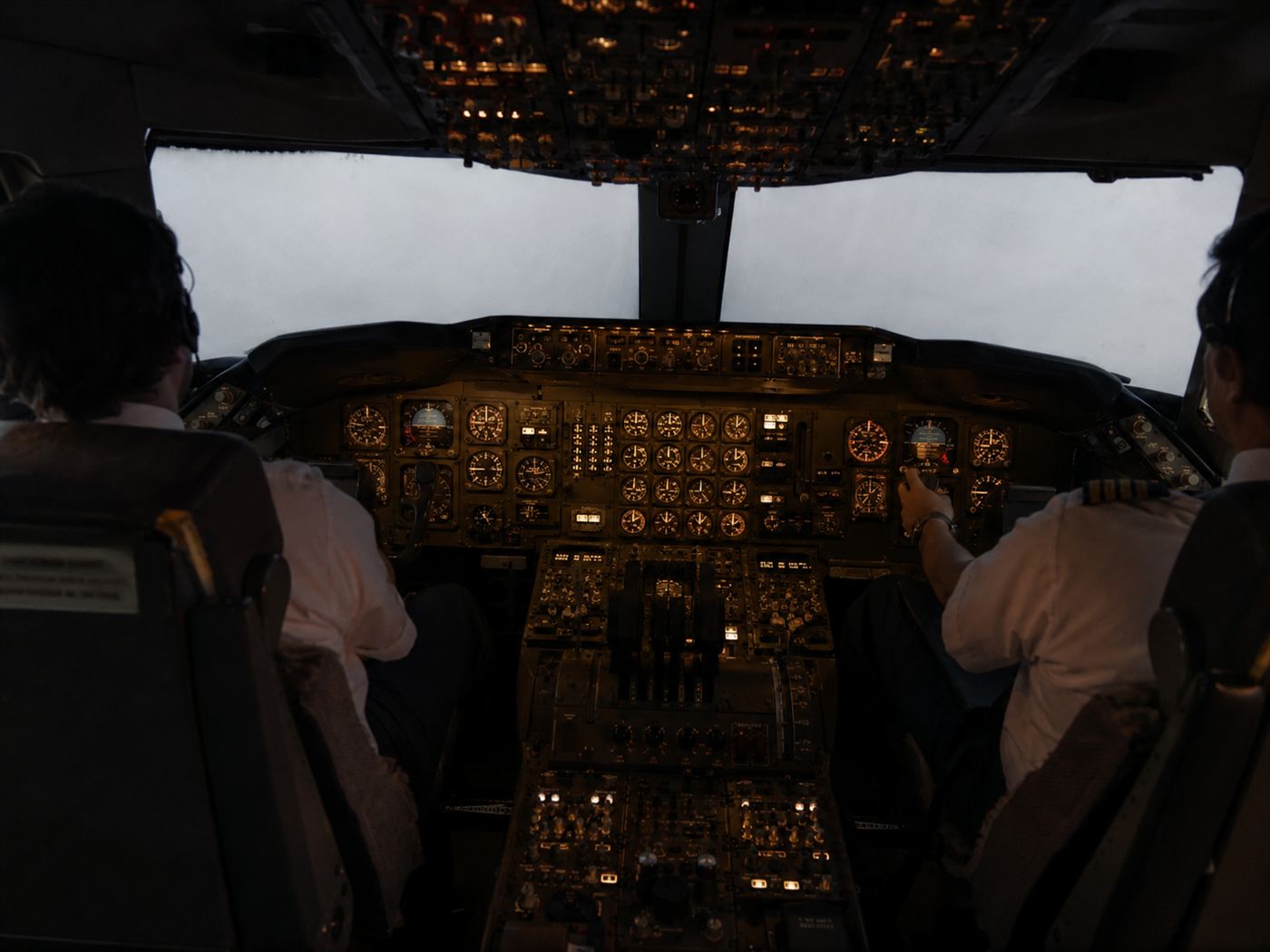
Investigators noted that van Zanten was KLM's chief flight instructor, the pilot who had trained most of his airline's captains, and a man so senior that his first officer and flight engineer hesitated to challenge him even when they had concerns.
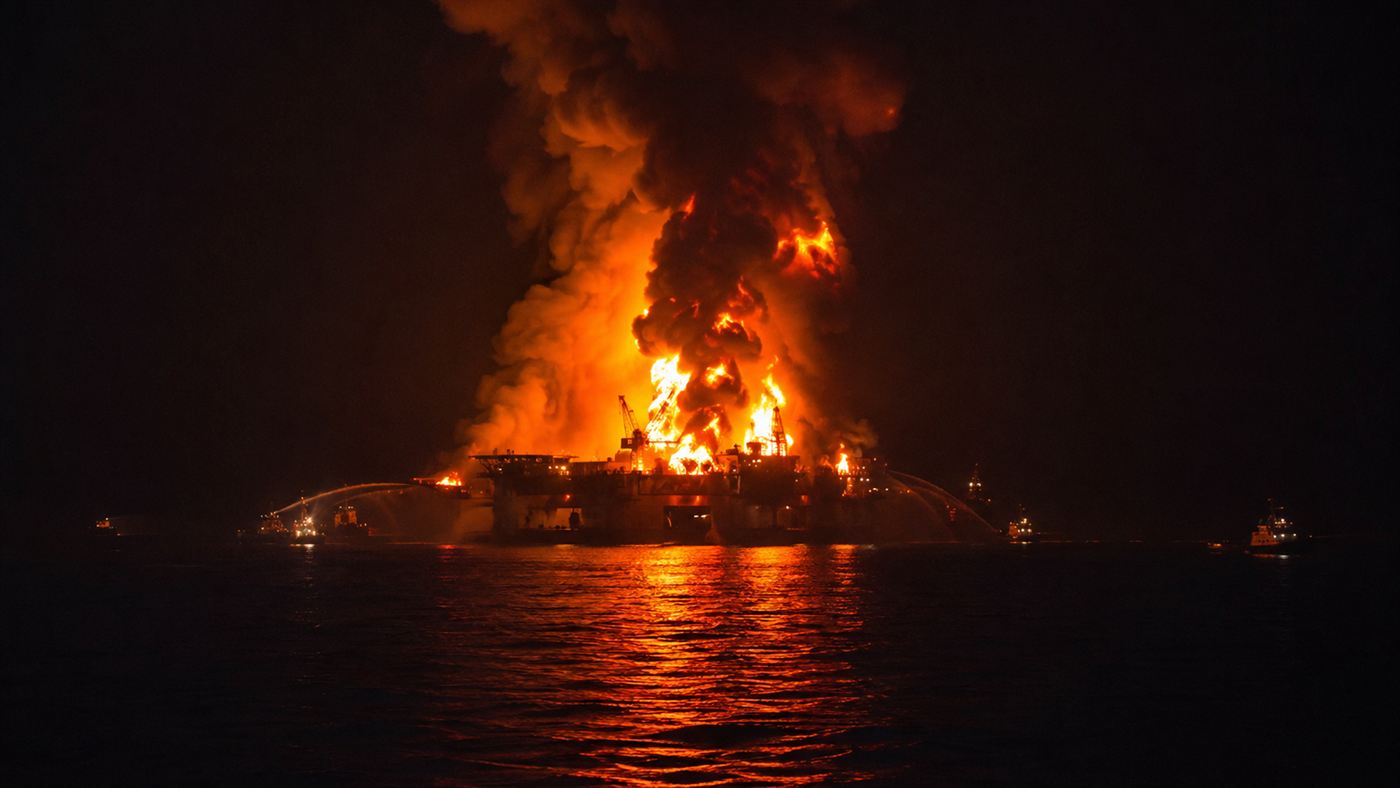
In the Deepwater Horizon blowout of 2010, investigators similarly found that technicians who had concerns about the well's pressure did not feel able to challenge the decisions being made by supervisors, and that this failure of communication contributed directly to the explosion.
The Tenerife airport disaster gave aviation a new vocabulary for this failure.
It was one of the events that created the discipline of aviation safety Crew Resource Management, or CRM, which is now mandatory training for every commercial pilot in the world.
CRM teaches crews that authority does not make a captain right, that any crew member has not just the right but the duty to speak up when they believe something is wrong, and that the captain's role is to listen as well as to decide.
The Tenerife airport disaster also directly led to the standardization of aviation phraseology across all countries.
After 1977, "we are now at takeoff" became impermissible.
The only permitted phrase to indicate beginning a takeoff roll is "rolling" or "we are rolling."
Clearances must be read back word for word, and controllers must confirm them.
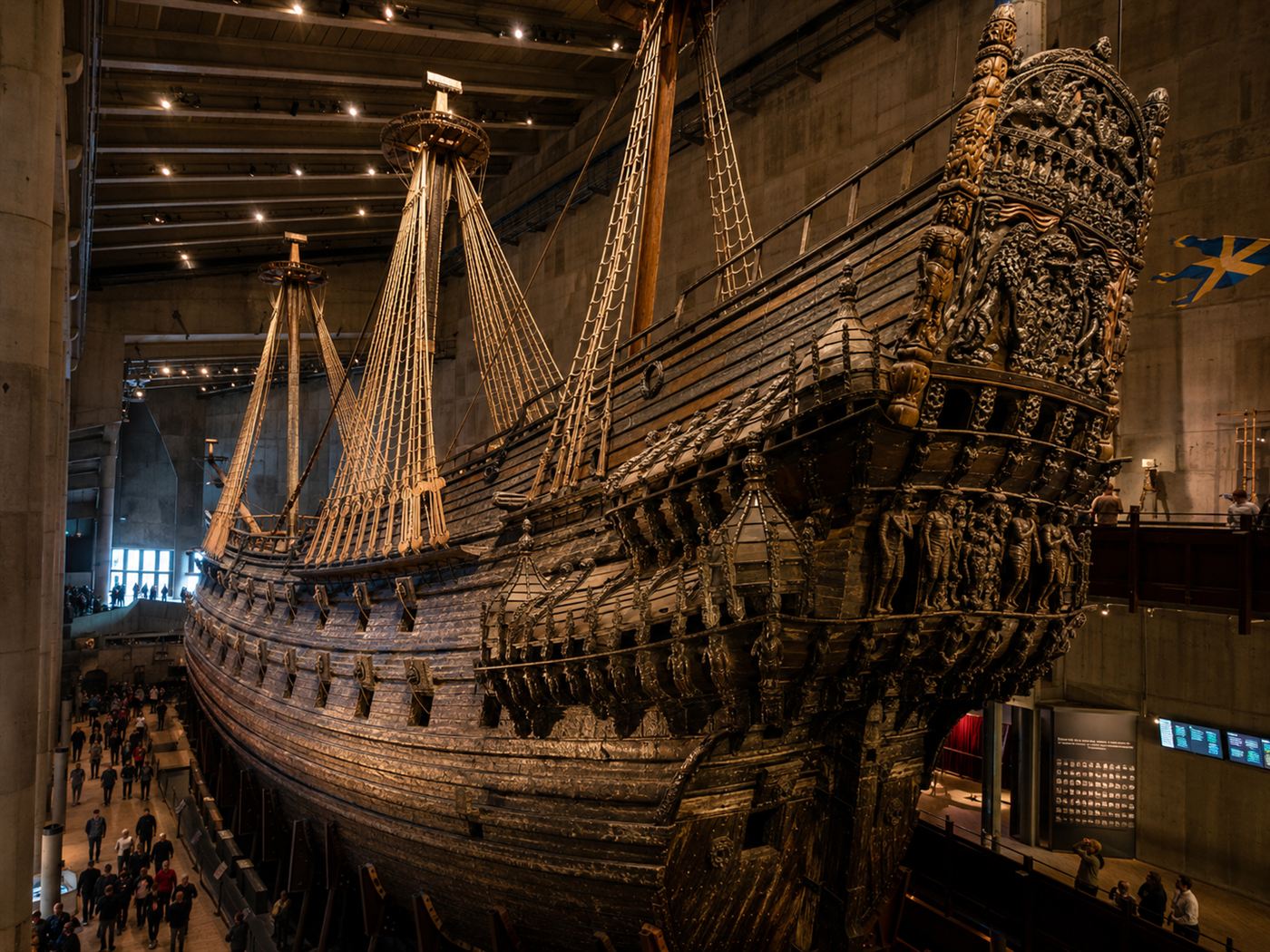
The Vasa warship sank in 1628 because no one dared tell King Gustav II Adolf that his ship would capsize if he added a second gun deck; the Tenerife airport disaster happened because no one dared tell Jacob van Zanten that he had not been cleared to go.
Both disasters rewrote the rules for who is allowed to say stop.
The honest catch
The Tenerife airport disaster is often described as a simple case of captain's authority killing 583 people, but the investigation showed it was more complicated than that.
Van Zanten received an ambiguous radio call that genuinely could have been interpreted as permission to go.
The non-standard phraseology from his first officer contributed to the tower's confusion.
The absence of ground radar at Los Rodeos meant neither the tower nor the crews had full situational awareness.
The bomb diversion, the fuel decision, the hour-long delay, and the regulatory pressure on crew hours were all factors the Spanish government's airport planning had not accounted for.
Van Zanten made the critical error, and the 1977 air crash ended with his death, but the system around him had also failed in a dozen ways before he ever released the brakes.
The reforms that followed the Tenerife airport disaster have saved tens of thousands of lives in the decades since.
By some estimates, the introduction of CRM and standardized phraseology has contributed to a drop in commercial aviation fatalities from roughly one per million flights in the 1970s to fewer than one per ten million flights today.
The aviation safety system we now take for granted was partly built on what went wrong on that foggy runway in Tenerife.
If you were on a flight crew and your captain was about to make a decision you believed was wrong, what would it take for you to say something? Leave your thoughts in the comments below.