The Ivanpah solar plant was built in the Mojave to show concentrated solar power could replace fossil fuels, but biologists found birds igniting in midair above its 173,000 heliostats
In February 2014, the Ivanpah solar plant opened in California's Mojave Desert as the world's largest concentrated solar power station, backed by a $1.6 billion federal loan and investments from Google. Within months, wildlife monitors were documenting a phenomenon nobody had anticipated: birds entering the solar flux zone and falling from the sky trailing smoke.
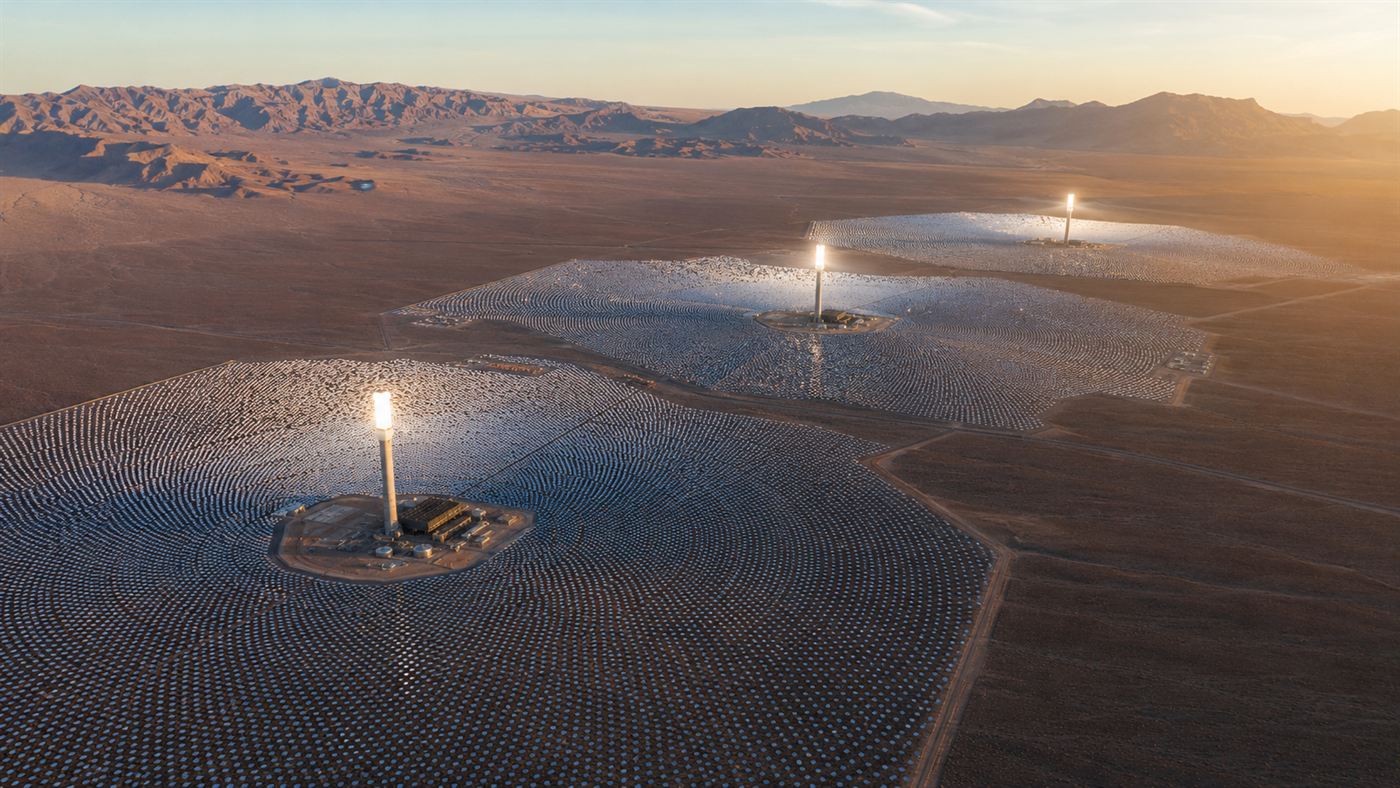
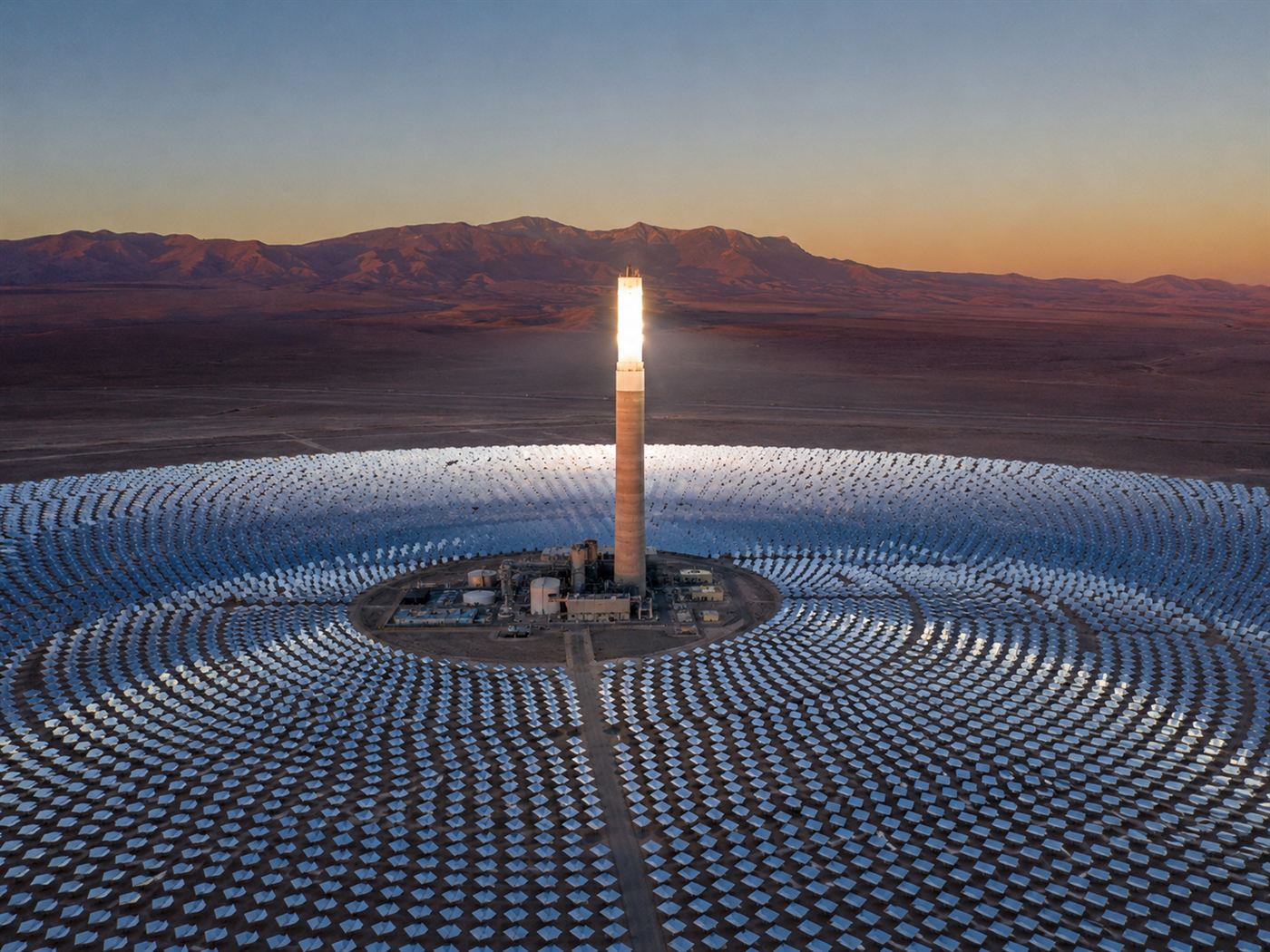
The Ivanpah solar plant covers 5.5 square miles of Mojave Desert with 173,000 computer-controlled mirrors aimed at three towers. The concentrated solar thermal power it generates came with costs nobody had fully anticipated. Illustration: Watts & Wild.
The Ivanpah solar plant arrived with credentials that were hard to argue with. BrightSource Energy developed it, NRG Energy financed and operates it, Google invested $168 million, and the US Department of Energy backed it with a $1.6 billion loan guarantee, the largest the agency had ever issued for a solar project. When it opened on February 13, 2014, in the Ivanpah Dry Lake bed of San Bernardino County, it was the largest concentrated solar power plant in the world.
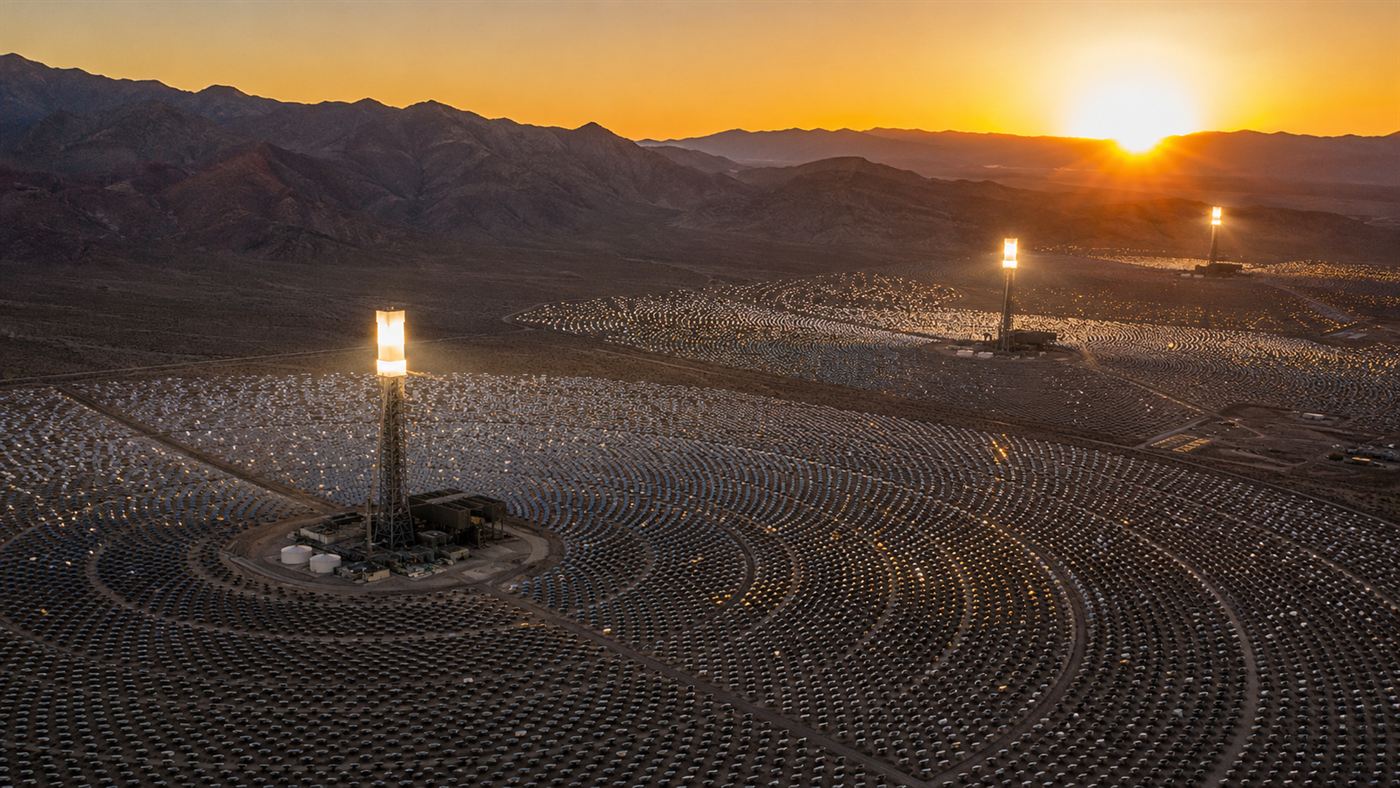
It covered 5.5 square miles of Mojave Desert with 173,500 heliostats, computer-controlled mirrors that track the sun across the sky, each one focusing its reflection onto the top of one of three towers standing 459 feet tall. According to the US Department of Energy, the Ivanpah solar plant was designed to generate 377 megawatts and power 140,000 homes, making it a proof of concept for concentrated solar thermal power at utility scale. The proof of concept arrived. The problem was what came with it.
What 173,000 heliostats actually do to the air above them
A heliostat is a flat mirror on a motorized mount.
On its own, it does nothing more dramatic than reflect sunlight.
But 173,500 of them, all aimed at the same point on the same tower, create a column of superheated air above the focal zone where the temperature of the concentrated solar flux reaches hundreds of degrees.
Birds fly through that zone.
The Mojave Desert is a major migratory corridor, and Ivanpah Dry Lake was historically a foraging area for species that hunt insects stirred up by the warm air rising from the flat lakebed.
When a bird enters the focal zone of the Ivanpah solar plant, its feathers can ignite within seconds.
Monitors on the ground began documenting what they called streamers: birds entering the solar flux, catching fire, and falling from the sky trailing a visible plume of smoke.
The name described what it looked like from below.
As the Guardian documented in 2014, biologists working with the US Fish and Wildlife Service found evidence of bird deaths at the Ivanpah site within months of the plant opening, and initial estimates put the toll at between 3,500 and 6,000 birds per year across all three towers.
The species affected ranged from swallows and swifts to pelicans and herons, with raptors drawn by the concentration of smaller birds adding to the toll.
How Ivanpah solar plant monitors documented the problem
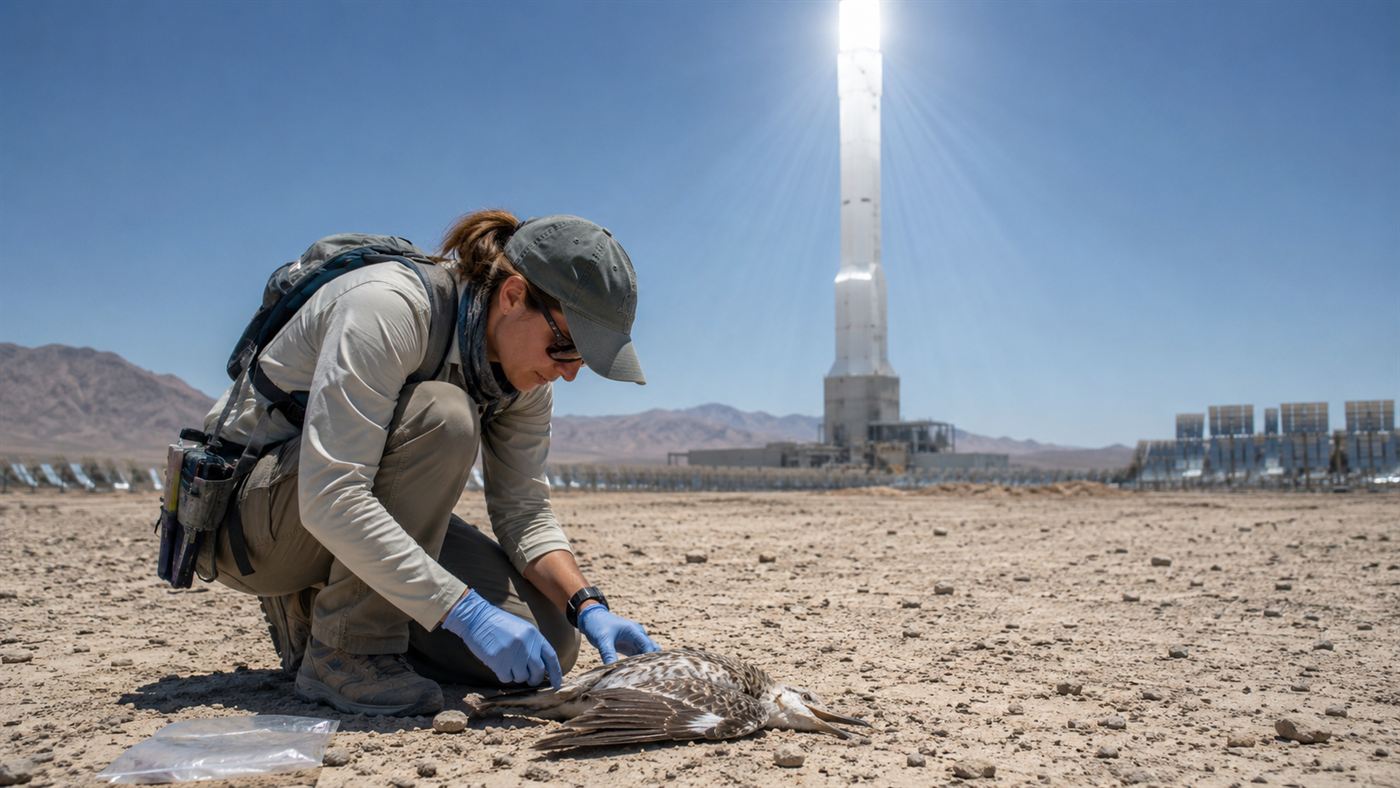
NRG Energy and BrightSource were required to hire trained biologists to walk the perimeter of the plant and count dead birds, a standard wildlife monitoring requirement for large solar projects.
What those monitors found surprised them in scale.
The streamers were visible without equipment on clear days when the towers were operating at high flux.
A bird would enter the zone at altitude, and the thermal shock would be fast enough that the fall began immediately.
The Center for Biological Diversity formally requested that state regulators halt the expansion of the Ivanpah solar plant and other solar thermal power projects pending a full wildlife impact assessment.
The US Fish and Wildlife Service engaged, asking BrightSource and NRG to develop mitigation measures.
Proposed solutions included painting the top of the towers to reduce insect attraction, which drives some bird activity near the site, and installing audio deterrents to drive birds away from the focal zones.
None of these measures resolved the underlying physics: 173,500 heliostats aimed at three points create superheated air, and birds share the same airspace.
The natural gas problem that nobody advertised
The bird deaths were the most visible controversy, but the Ivanpah solar plant carried a quieter problem that undermined its identity from the start.
Concentrated solar thermal power works by heating a fluid, usually water into steam, using focused sunlight.
The steam drives a turbine.
The problem is the early morning: before the sun is high enough to generate useful flux, the fluid in the system is cold, and starting cold takes time.
To bring the plant online each morning and meet its power delivery commitments to the California grid, Ivanpah uses natural gas burners to preheat the steam.
The original permits allowed for a small amount of gas use, around 4.5 percent of total energy input.
In practice, the plant burned more gas than anticipated, enough that California regulators required NRG and BrightSource to apply for a new permit as a gas-fired power plant, not just a solar thermal power station with incidental gas use.
A clean energy plant that burned enough natural gas to qualify as a fossil fuel facility was a difficult message to explain to the policymakers and investors who had championed concentrated solar power as a carbon-free alternative.
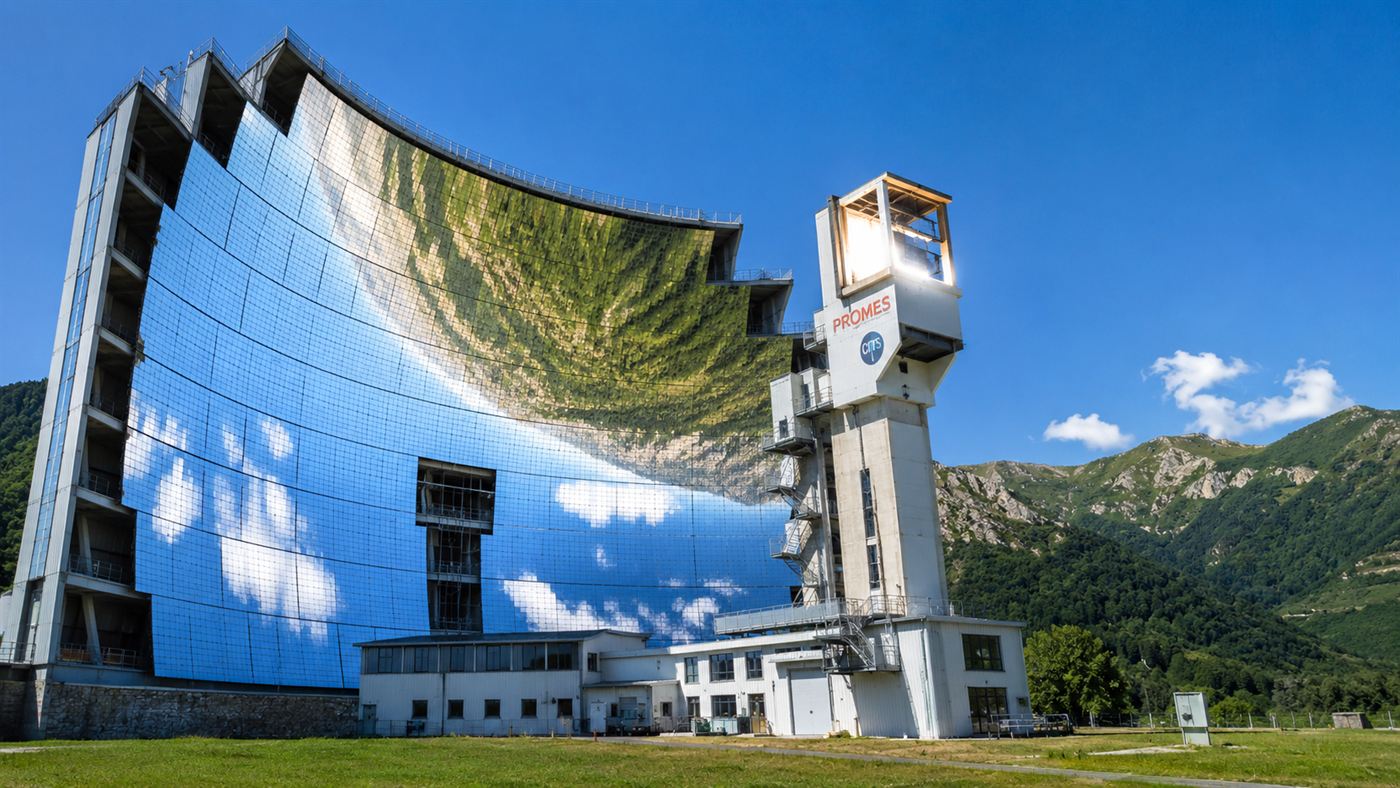
The Odeillo solar furnace in France uses concentrated sunlight to reach 3,500 degrees Celsius, but it is a research tool, not a power station, and the challenges of scaling concentrated solar into a grid asset turned out to be more complicated than the technology demonstrations had suggested.
Why the economics stopped working
When the Ivanpah solar plant broke ground in 2010, utility-scale solar photovoltaic power cost roughly $5 per watt to install.
By the time Ivanpah opened in 2014, that number had dropped to below $2 per watt.
By 2019, it was under $1 per watt.
Concentrated solar thermal power did not follow the same learning curve.
The Mojave Desert energy market that had looked like the natural home for solar thermal power was being filled with flat photovoltaic panels that cost a fraction as much to build and produced electricity without burning any gas, killing any birds, or requiring the same water use as a steam plant.
In 2019, NRG Energy filed applications to terminate its power purchase agreements with Pacific Gas and Electric and Southern California Edison, arguing that the plant could not generate electricity at a cost that justified continuing to operate under those contracts.
The California Public Utilities Commission rejected the applications.
The Department of Energy had lent $1.6 billion of public money to the project, and that leverage meant NRG could not simply walk away.
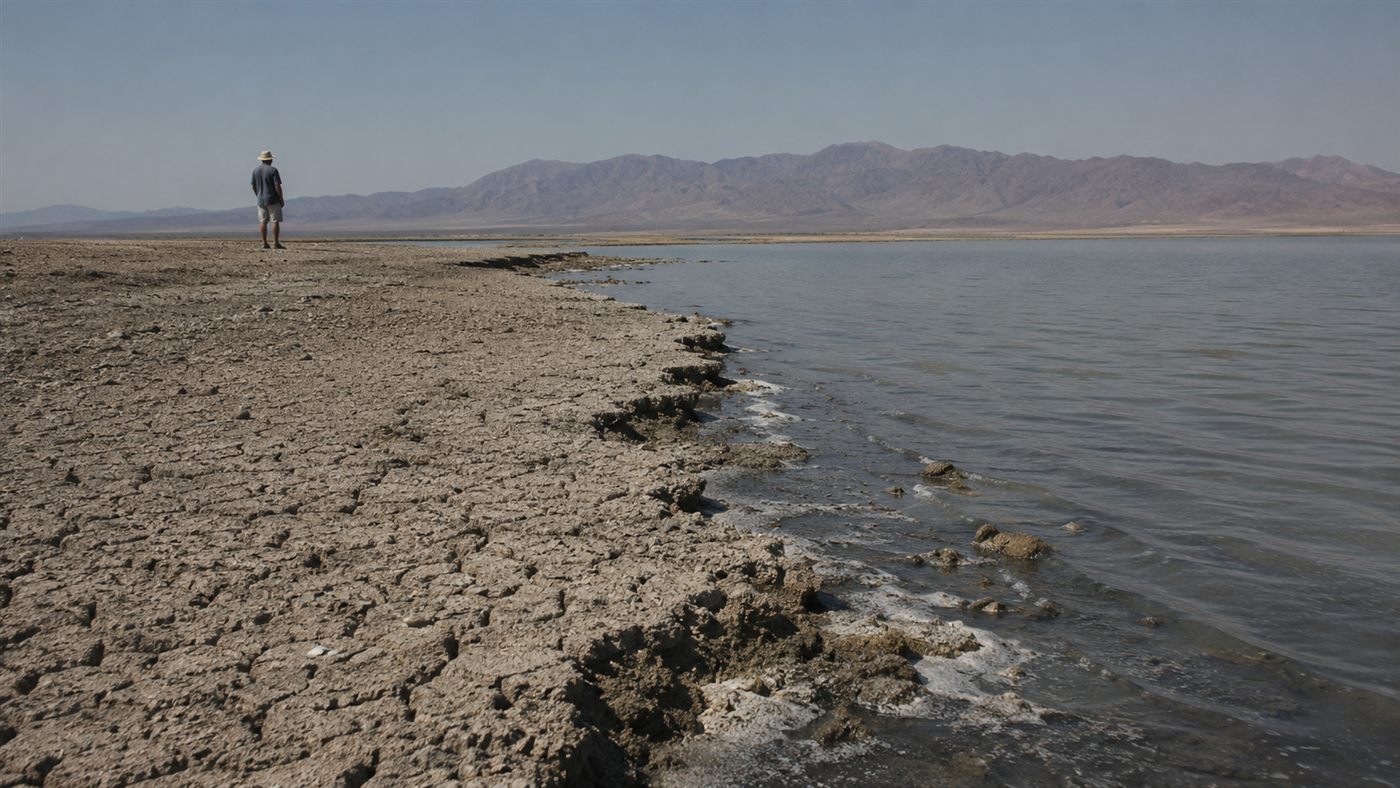
The Salton Sea, another California energy story where the promised benefit and the human cost exist in the same landscape, shows a pattern that Ivanpah also fits: large-scale energy development in the California desert carries consequences that are easy to underestimate from a permit office.
The honest catch
The Ivanpah solar plant is still operating.
It has not been shut down, and it does generate electricity, though consistently below its design capacity.
The bird death estimates were challenged by later studies, and some researchers argued the initial FWS figures were too high; more careful monitoring suggested the annual toll may be closer to 3,000 than 6,000, which is serious but not the catastrophe the early headlines implied.
Wind turbines kill an estimated 140,000 to 500,000 birds per year in the United States, and domestic cats kill billions, so the scale matters for honest comparison.
The natural gas use, while real, represented a small fraction of the plant's total output and was driven by operational necessity rather than design failure.
What the Ivanpah solar plant really demonstrates is a technology timing problem: concentrated solar power was developed and financed just before solar photovoltaics collapsed in price, leaving Ivanpah as an expensive monument to a pathway that was overtaken before it could scale.
The same sun, the same Mojave Desert, the same political will: if Ivanpah had been built with flat panels instead of towers and heliostats, it would have cost less, harmed fewer birds, and produced more electricity per dollar.
The lesson is less about solar thermal power being wrong and more about how fast energy economics can shift, and how commitments made in 2010 can look very different when the contracts come due in 2019.
A $2.2 billion bet on concentrated solar power opened in the Mojave Desert in 2014, and within months wildlife monitors were counting charred birds on the lakebed below three 459-foot towers.
The technology worked.
The economics did not.
The birds paid a price that the permit applications had not calculated.
Should the federal government have kept funding concentrated solar power alongside solar PV, or did the market get it right by backing the cheaper technology even if it meant writing off Ivanpah? Tell us in the comments.
Related reading: France built the world's most powerful solar furnace in the Pyrenees in 1970, and it still reaches 3,500 degrees Celsius using nothing but mirrors and sunlight.