Paris hated the Eiffel Tower and meant to tear it down after 20 years, until it became too useful as a radio antenna
It is hard to imagine Paris without it, yet the Eiffel Tower was only ever supposed to stand for twenty years. The story of how the most famous iron structure on Earth escaped the scrapyard is stranger than its silhouette suggests.
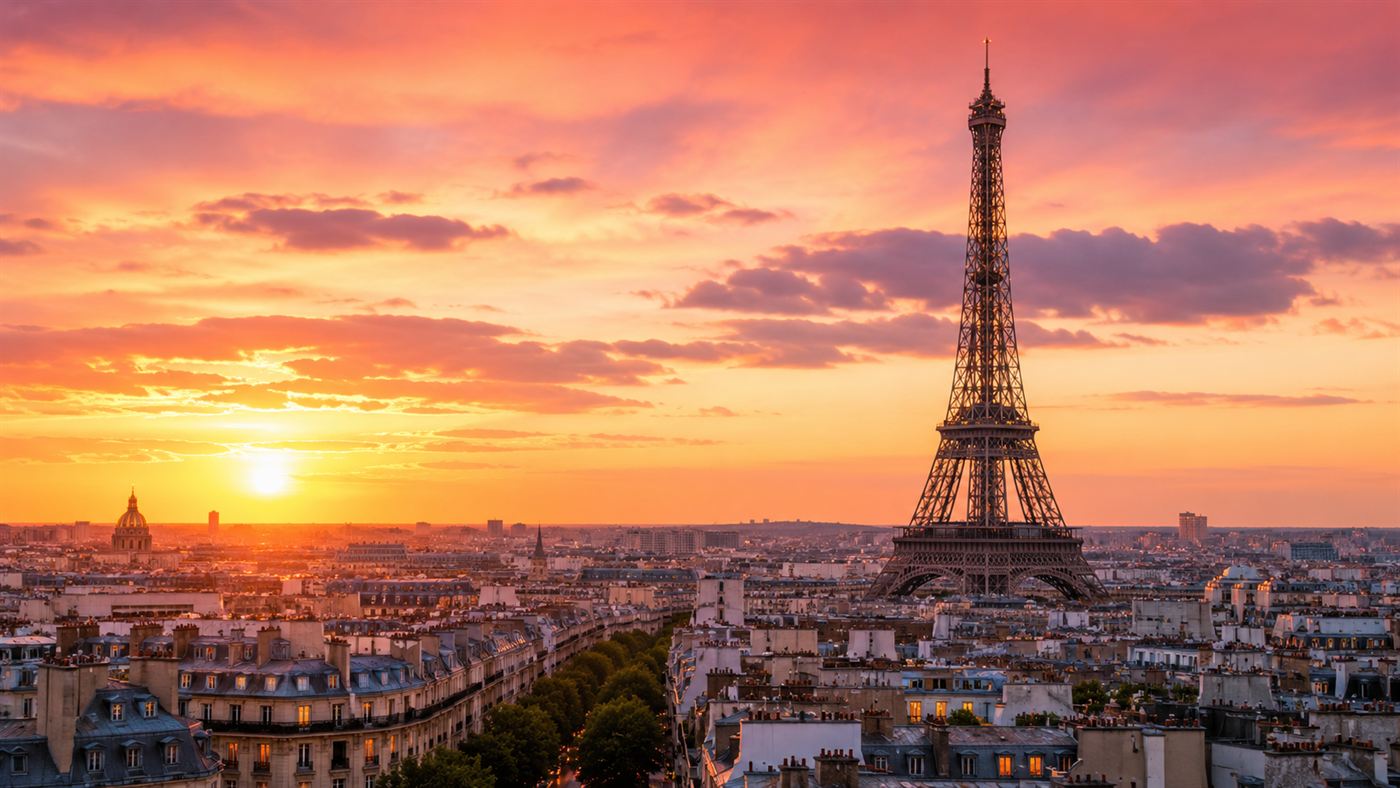
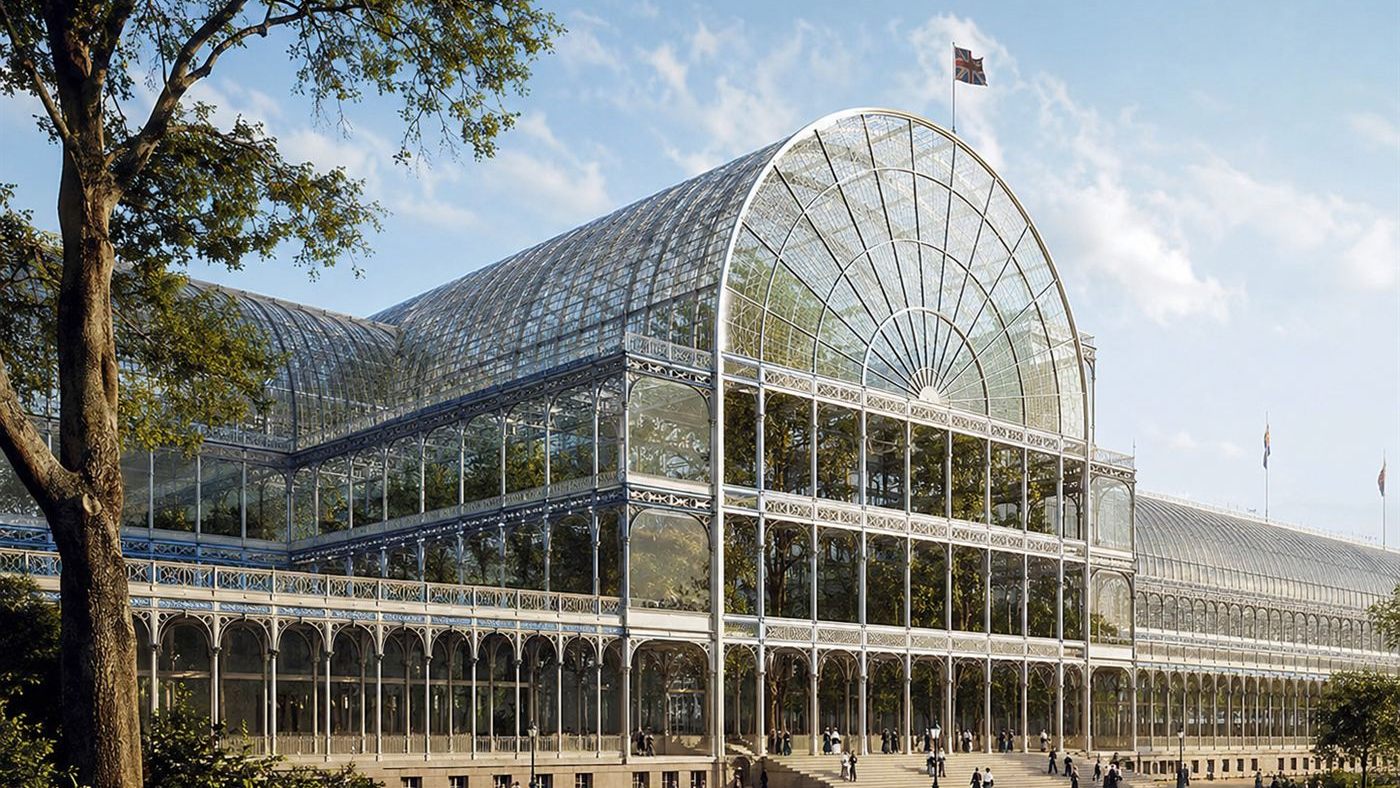
The Eiffel Tower was built as a temporary showpiece and nearly torn down in 1909. Illustration: Watts & Wild.
Today the Eiffel Tower is the very symbol of Paris, photographed millions of times a year, yet it owes its survival to a humble second life as a radio antenna.
When it was new, plenty of Parisians wanted nothing more than to see it taken down again.
Why was the Eiffel Tower almost demolished? The Eiffel Tower was built as a temporary structure for the 1889 World's Fair, with a permit lasting only 20 years. It was due to be dismantled in 1909, and it survived mainly because it had become invaluable as a radio and wireless telegraph antenna.
A tower built to be temporary
The Eiffel Tower was raised for the 1889 Exposition Universelle in Paris, a world's fair marking the centenary of the French Revolution.
At around 300 metres it became the tallest structure ever built, a record it held for 41 years until New York's Chrysler Building overtook it with a spire raised in secret.
Yet the city only granted it a 20-year lease on its spot beside the Seine, after which it was meant to be torn down and the iron sold for scrap.
It was conceived as a spectacular but disposable advertisement for French engineering, not a permanent monument.
Almost nobody at the opening expected the tower to outlive the people who built it.
The artists who despised it
Long before it was finished, the tower had powerful enemies.
In 1887 a group of leading writers and artists published a furious protest, branding it a useless and monstrous iron eyesore looming over Paris.
They called it a tragic street lamp and a skeleton, and swore it would disfigure the city forever.
The novelist Guy de Maupassant is said to have eaten lunch in the tower's restaurant often, because it was the one spot in Paris from which he could not see the thing.
For its critics, the sooner this iron monster came down, the better.
One death and millions of rivets
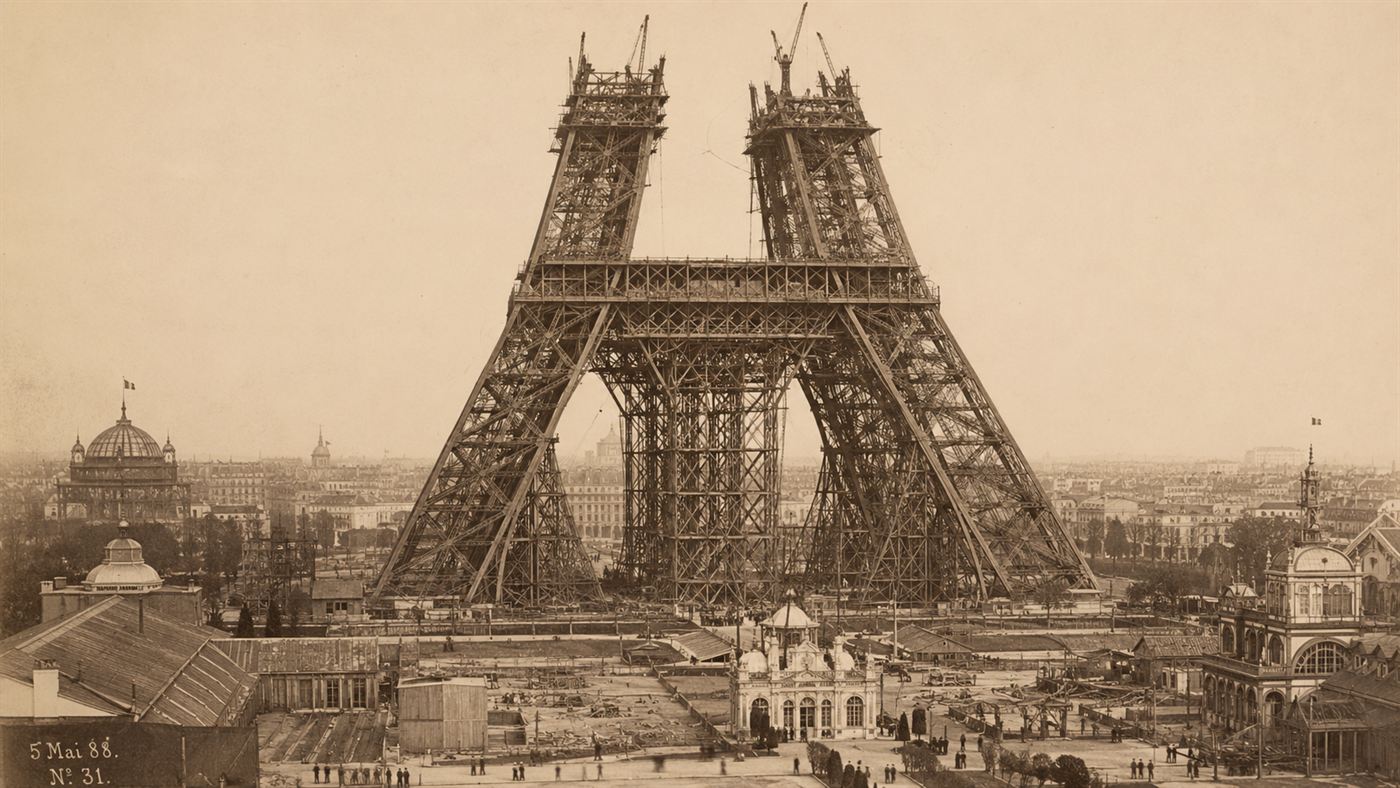
For all the fury, the building of it was a quiet triumph of engineering.
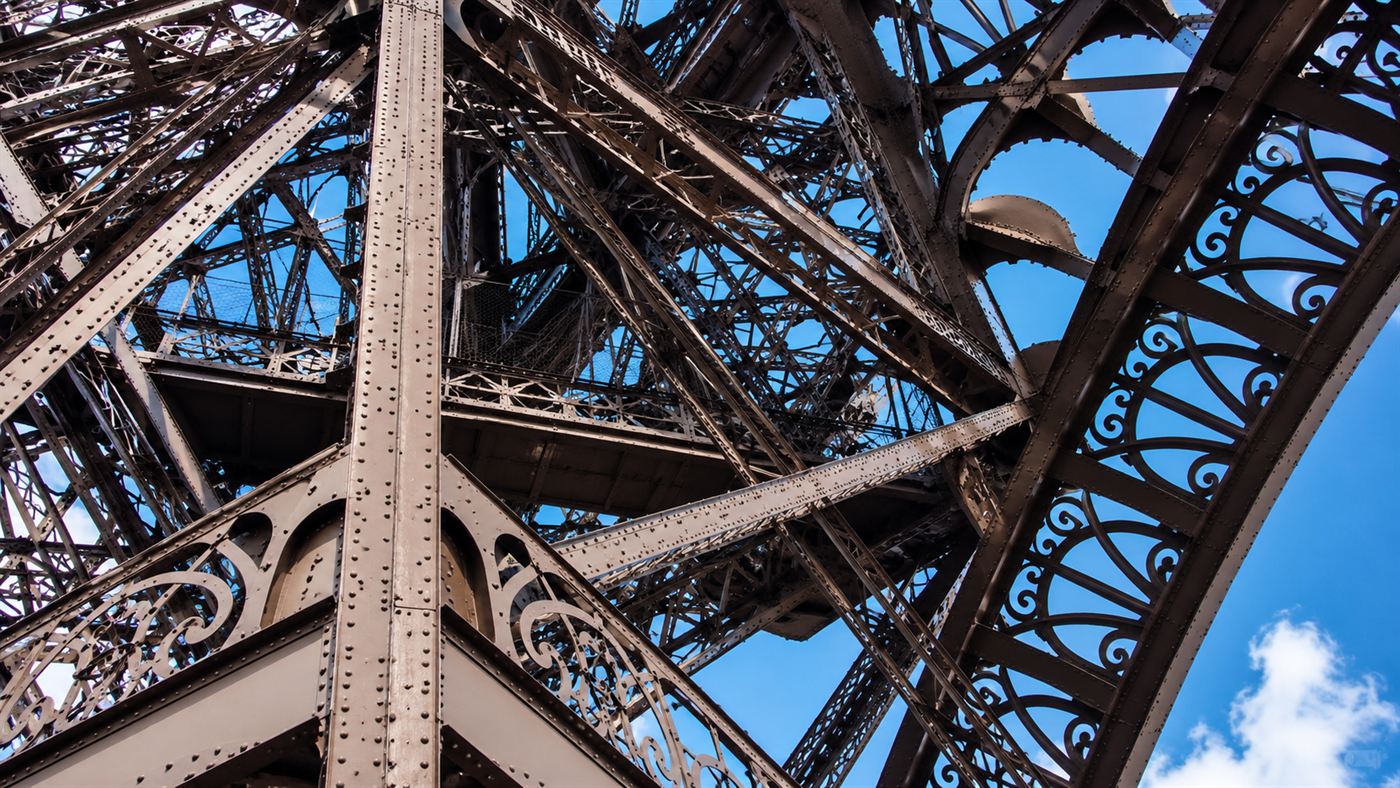
The tower was assembled from around 18,000 pieces of iron held together by some two and a half million rivets.
A workforce of about 300 men put it up in just over two years, and remarkably only one worker died during the construction, a stunning safety record for the era.
The real design work came from Gustave Eiffel's engineers Maurice Koechlin and Emile Nouguier, with an architect adding the decorative arches.
Eiffel championed and financed the project and gave it his name, even if the first sketches were not his own.
The Eiffel Tower radio antenna that saved it
As 1909 and the demolition deadline approached, Gustave Eiffel set out to make his tower too useful to lose.
He turned it into a giant scientific instrument, hosting experiments in meteorology, physics and, crucially, wireless telegraphy.
The tower's great height made it a superb radio antenna, and the French military quickly saw its value for sending and intercepting signals.
During the First World War it picked up enemy radio messages, and the permit that should have killed it was quietly extended.
A monument condemned as useless had saved itself by becoming one of the most useful structures in France.
The honest catch
The romantic story does need a few corrections.
The tower we credit to Gustave Eiffel was really designed by his employees Koechlin and Nouguier, and Eiffel bought the rights to their idea.
The famous claim that the tower's antenna helped snare the spy Mata Hari is more legend than documented fact.
Its perfect safety record covers only the construction, since the tower has seen later deaths and daredevil accidents, and its iron even grows about 15 centimetres taller on hot days.
None of that has dimmed it, because the temporary eyesore is now the most beloved icon in all of Paris.
The Eiffel Tower is a reminder that the things we treasure most are sometimes the ones we nearly threw away.
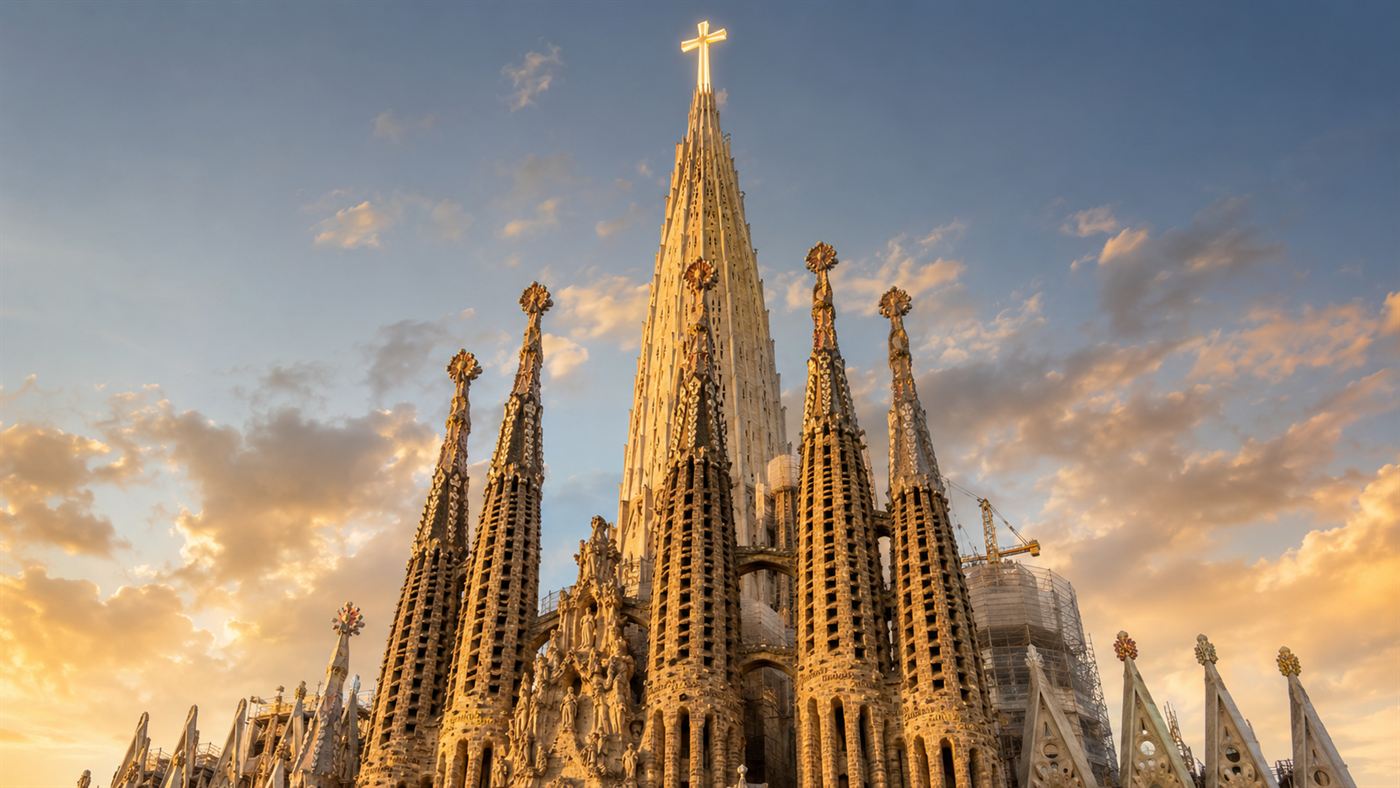
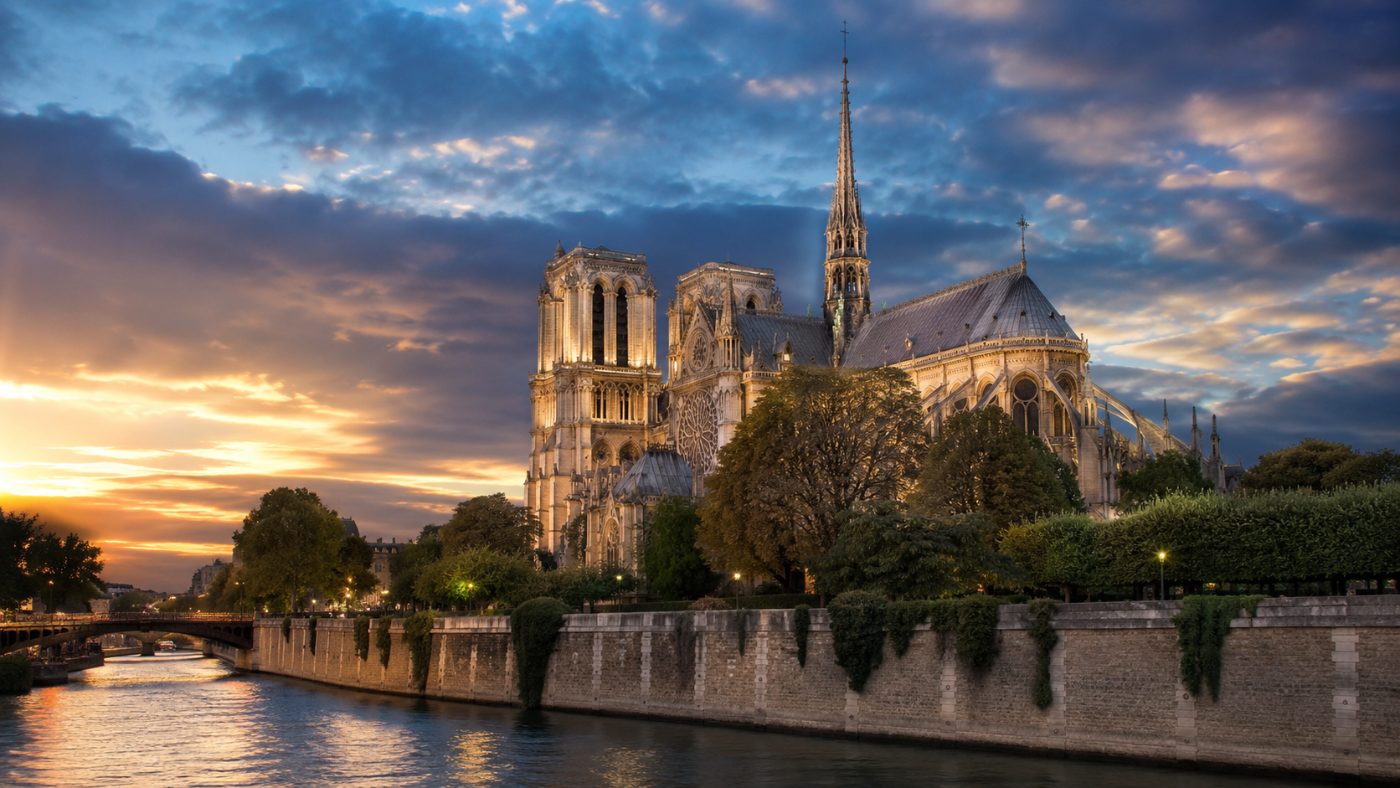
It stands with the other landmarks whose stories are stranger than they look, from the cathedral in Barcelona still rising after 140 years to the artisans who rebuilt Notre-Dame by hand.
If Paris almost scrapped the very tower that now defines it, what else that we dismiss today might become tomorrow's treasure, and would you have signed the protest against it? Tell us in the comments.