NASA crashed a fridge-sized spacecraft into an asteroid at 14,000 mph on purpose, and for the first time ever humanity moved another world
For all of history, asteroids have done the hitting and we have done the dying, as the dinosaurs found out. The DART asteroid deflection mission flipped that around. In 2022, NASA flew a small robotic spacecraft straight into a distant asteroid on purpose, just to see if we could shove it, and we could.
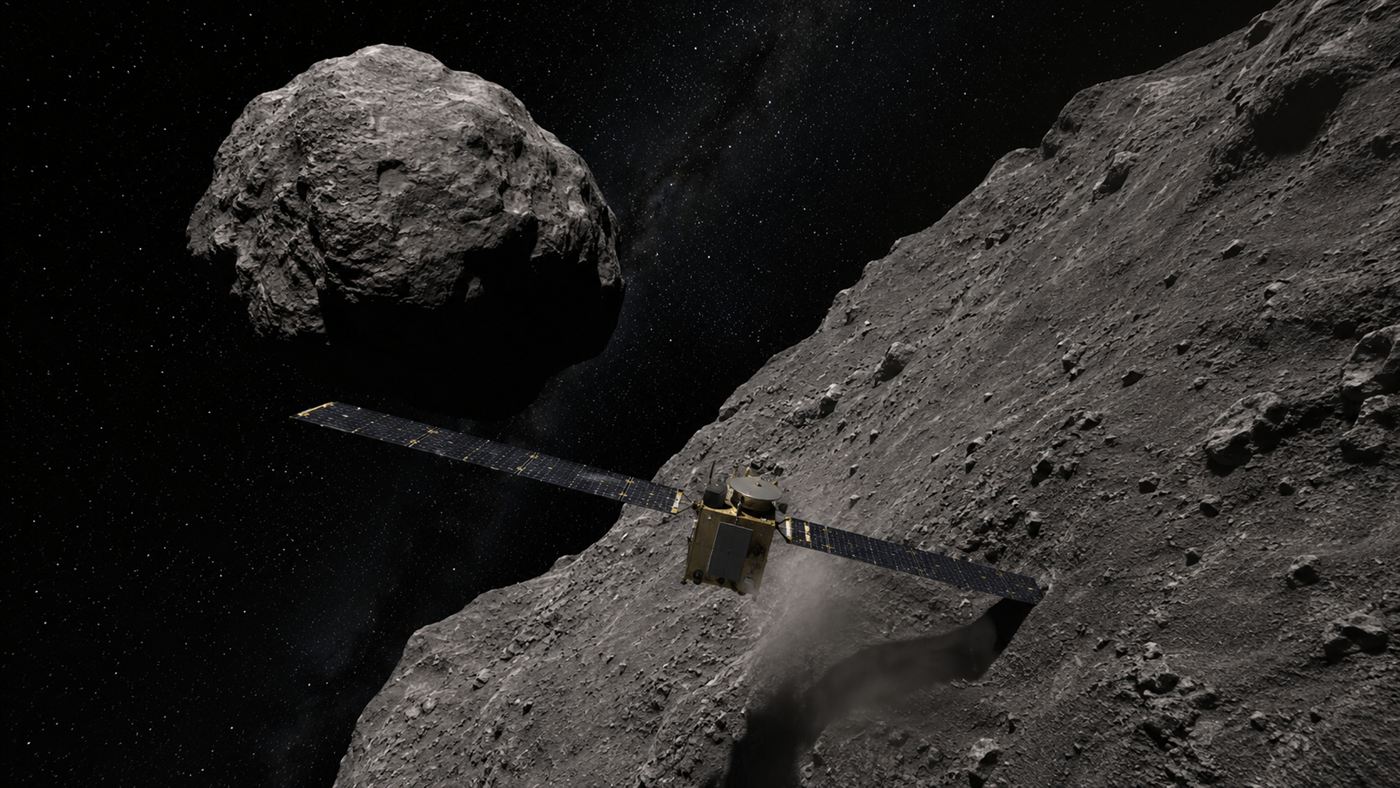
DART's final view: closing in on Dimorphos at 14,000 mph with no plan to slow down. Illustration: Watts & Wild.
The target was a pair of asteroids that never threatened us. A small space rock called Didymos, around 780 metres wide, has its own tiny moon, Dimorphos, about 160 metres across, orbiting it like a stone circling a boulder. Dimorphos was chosen precisely because it was harmless, a safe stand-in for the kind of city-killer asteroid we would one day need to deflect for real.
DART, short for Double Asteroid Redirection Test, was deliberately simple. It carried no weapon and no clever gadget to grab the rock. It was essentially a guided battering ram about the size of a fridge, designed to do one thing: find a small asteroid nearly 11 million kilometres away, all by itself, and smash into it dead centre.
How the DART asteroid deflection actually worked
The physics is beautifully blunt. Hit a moving object hard enough and you change its speed, and change its speed and you change its orbit. As NASA confirmed after the event, on 26 September 2022 the spacecraft slammed into Dimorphos at roughly 14,000 miles per hour, transferring its momentum into the rock in a single violent instant. The spacecraft was, of course, instantly destroyed.
What happened next is the headline. The impact shortened Dimorphos's orbit around Didymos by a full 32 minutes, trimming an 11-hour-55-minute loop down to 11 hours and 23 minutes. The mission's official bar for success had been a change of just 73 seconds, so DART beat its own target by more than twenty times. One small crash had visibly bent the path of a body in space.
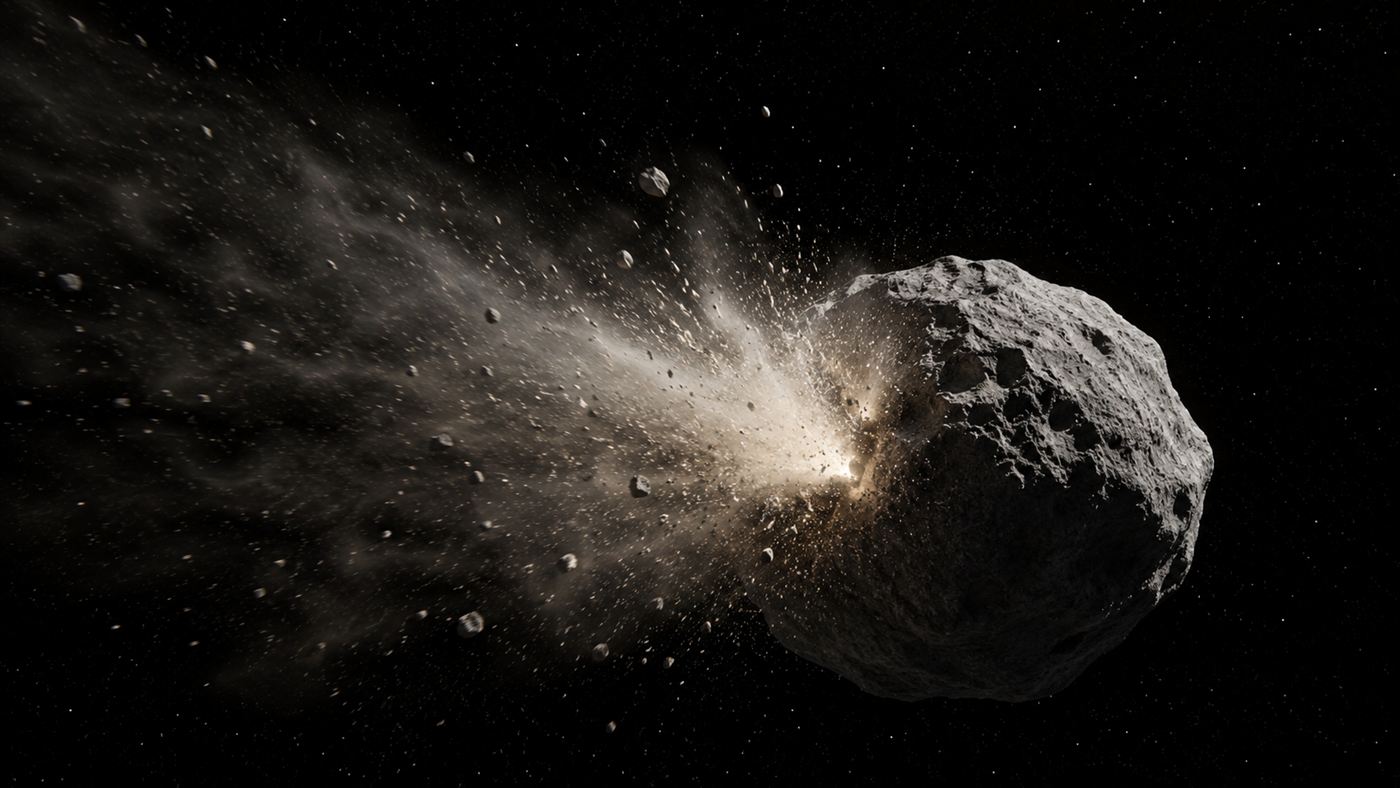
The push that came from the rubble
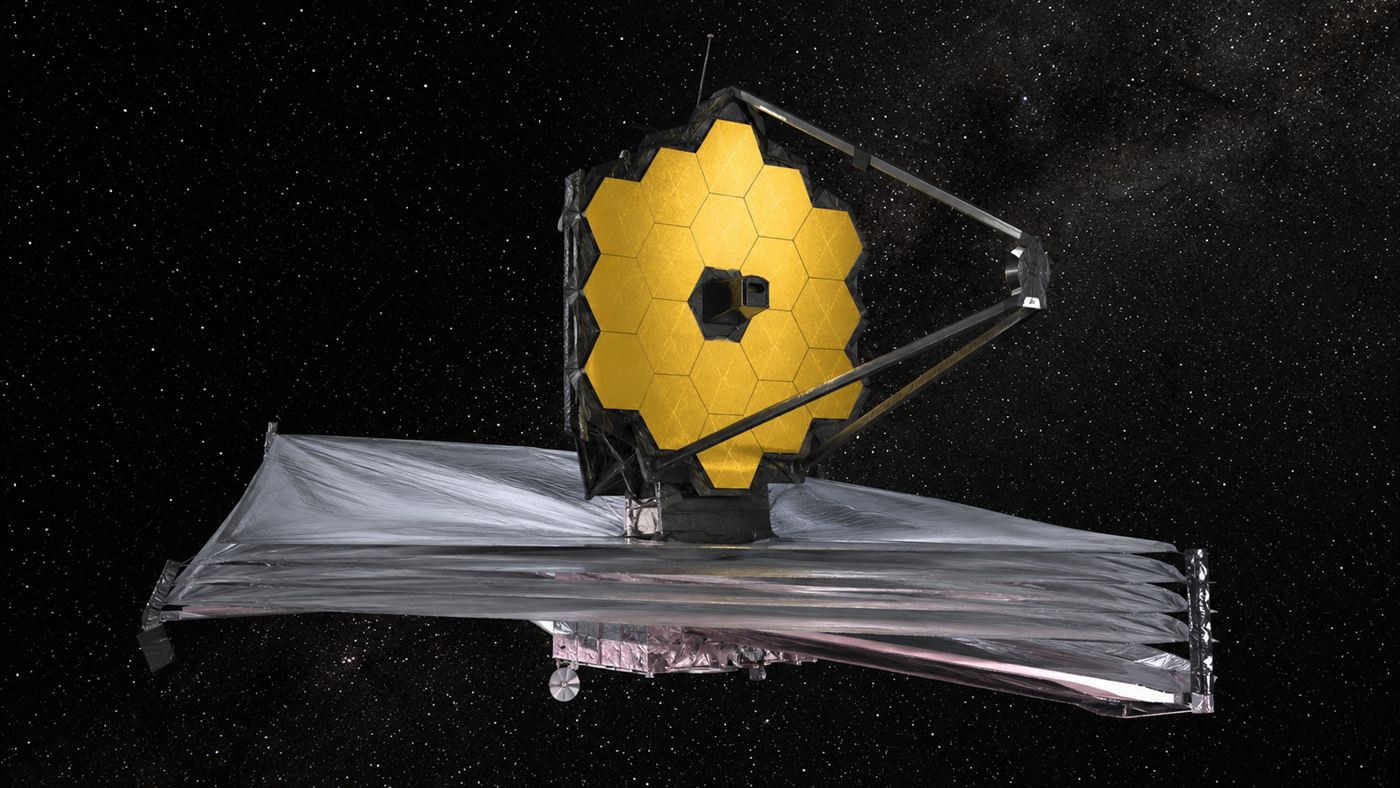
There was a bonus nobody could fully predict. When DART hit, it did not just dent the asteroid, it blew a huge spray of rock and dust off the surface, a plume so big that telescopes back on Earth, including Hubble and the James Webb, watched a comet-like tail grow behind Dimorphos. All that ejected rubble acted like a rocket exhaust, kicking the asteroid even harder than the spacecraft alone could have. A little Italian companion satellite, riding along, captured the moment of impact and the debris blasting outward.
That extra shove is why the orbit changed so much more than expected. It also taught scientists something useful: how hard you can move an asteroid depends not just on your spacecraft, but on what the asteroid is made of and how much of it sprays away when you hit it.

The honest catch
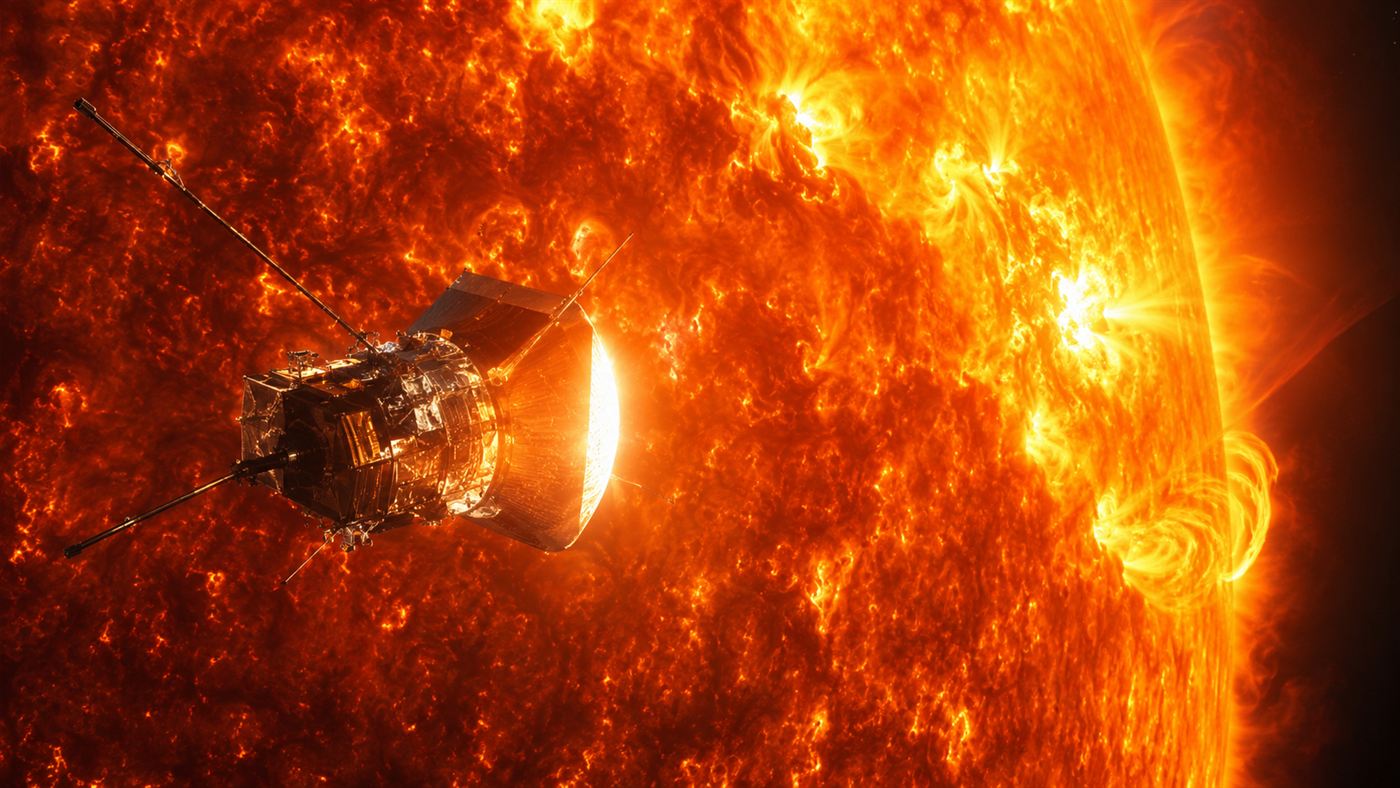
This was a genuine first for our species, but it is not a force field, and it helps to be honest about the limits. Dimorphos is small, and DART had years of careful planning and a clean, well-mapped target to aim at. A large asteroid spotted only months before a collision would be a far harder problem, because a tiny nudge only works if you apply it a long time before the rock is due to arrive. The impact also turned out to be messier than a neat shove; it noticeably reshaped Dimorphos and flung out boulders, which a future mission, Europe's Hera, has gone to study up close. What DART proved is narrow but historic: the kinetic-impact method works, and for the first time we are no longer helpless against the sky. It belongs with the boldest space gambles we have taken, from the probe that flew into the atmosphere of the Sun to the telescope that unfolded itself a million miles from Earth.
For the first time, a species looked at the rocks that have been hitting its planet for four billion years and hit one back. Does DART make you feel safer, or just remind you how exposed we have always been? Tell us what you think in the comments.
Related reading: the Parker Solar Probe, the spacecraft built to dive into the atmosphere of the Sun and survive. See also how a sample from asteroid Bennu came back holding the building blocks of life.