NASA flew billions of miles to scoop a few spoonfuls of a dark asteroid called Bennu, and the dust came back carrying almost every ingredient life needs to begin
When NASA cracked open its sample from asteroid Bennu, scientists were braced for a little dust and some organic smudges. Instead they found 14 of the 20 amino acids in our own proteins, every letter of the DNA alphabet, and salts left by an ocean that dried up billions of years ago. The building blocks of life, it turns out, were riding a space rock.
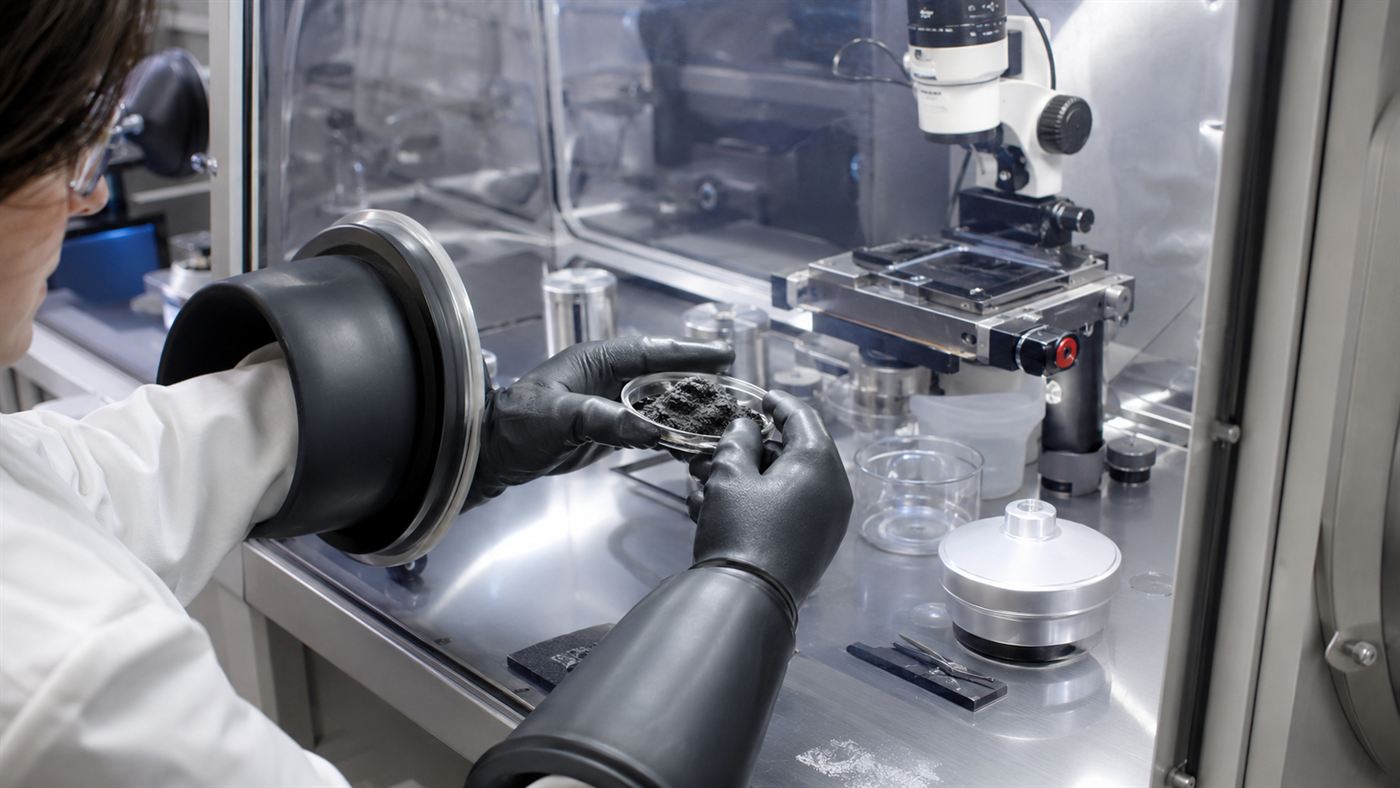
A few spoonfuls of the darkest material in the solar system, and it was full of the chemistry of life. Illustration: Watts & Wild.
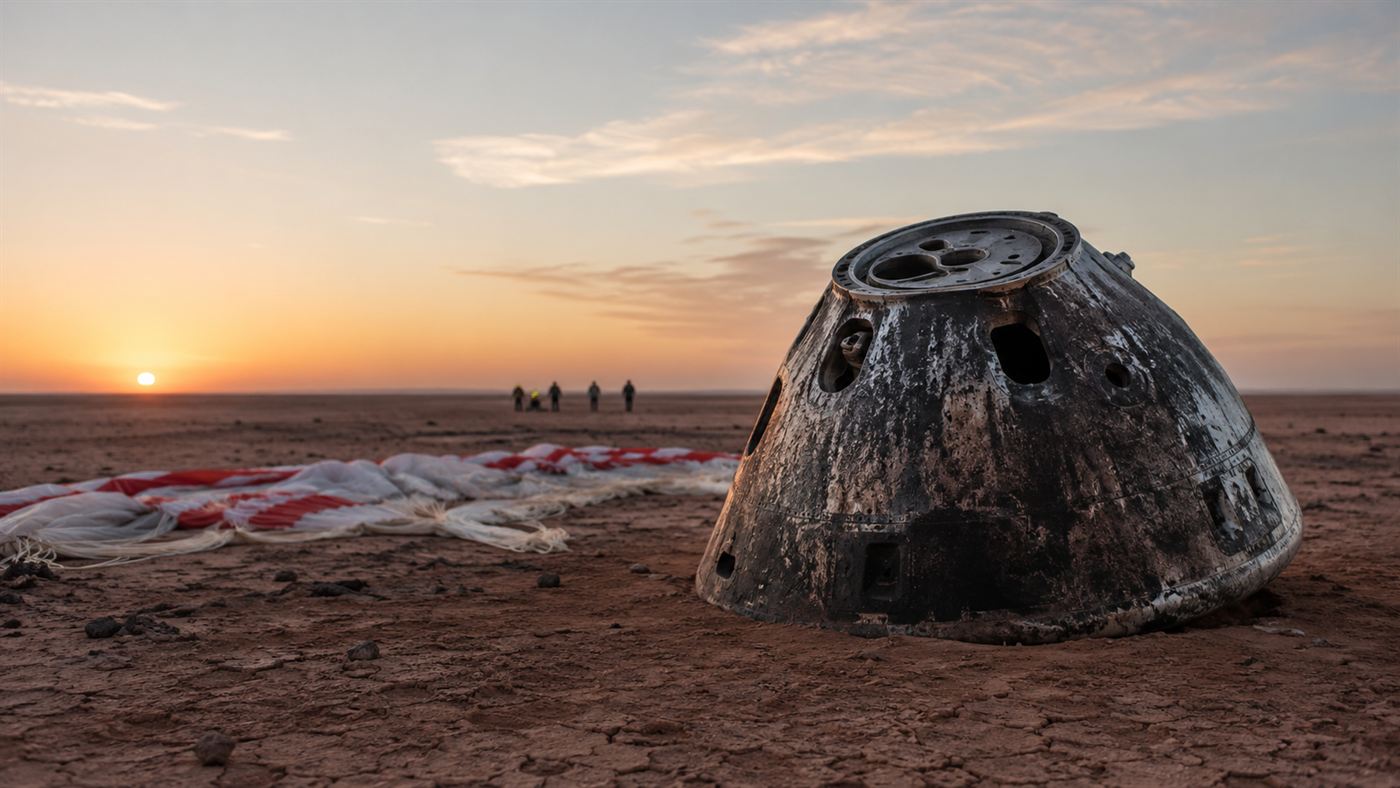
The sample from asteroid Bennu is only about 120 grams of black grit, less than you would put in a coffee cup, and it is one of the most valuable substances on Earth. NASA's OSIRIS-REx spacecraft chased Bennu across the solar system, grabbed a fistful of it in 2020, and parachuted the sealed capsule into the Utah desert in September 2023. When the analyses were published in 2025, they read less like a rock report and more like a recipe.
As NASA announced, the sample contained 14 of the 20 amino acids that life on Earth uses to build proteins, along with all five nucleobases that make up DNA and RNA. It is the difference between finding bricks in a field and finding the exact bricks, in the exact sizes, that build a house. Bennu had them, unmistakably, forged in space and never touched by life.
The short version: NASA's OSIRIS-REx mission returned about 120 grams of asteroid Bennu to Earth in 2023. Analyses published in 2025 found 14 protein amino acids, all five DNA and RNA bases, ammonia, and salts left by ancient liquid water. It is the strongest sign yet that the building blocks of life are scattered across the solar system.
What did the asteroid Bennu sample contain?
The organic haul was staggering. Beyond the 14 amino acids and the full set of nucleobases, the sample held exceptionally high levels of ammonia and formaldehyde, two simple molecules that, under the right conditions, can react to build the more complex compounds that biology runs on. In other words, Bennu was not just carrying finished parts, it was carrying the feedstock and the starter chemistry too.
None of this could have been studied so cleanly in a meteorite that fell to Earth. Ordinary space rocks are contaminated the moment they hit the ground and sit in a field. Bennu's material was sealed in space and opened in a clean lab, so when scientists found these compounds, they could be confident the building blocks of life came from the asteroid and not from a stray fingerprint. As senior sample scientist Danny Glavin of NASA put it, the clues they hunt for are so minuscule they are easily destroyed by exposure to Earth's environment.
A rock that was once a wet, salty world
The bigger surprise was written in the minerals. Analysts led by the Smithsonian's Tim McCoy and Sara Russell of London's Natural History Museum found 11 different salt minerals in the grains, including calcite, halite, sylvite, and trona. On Earth those are the crusts left behind when salty water slowly evaporates, the same stuff that rings a drying lake.
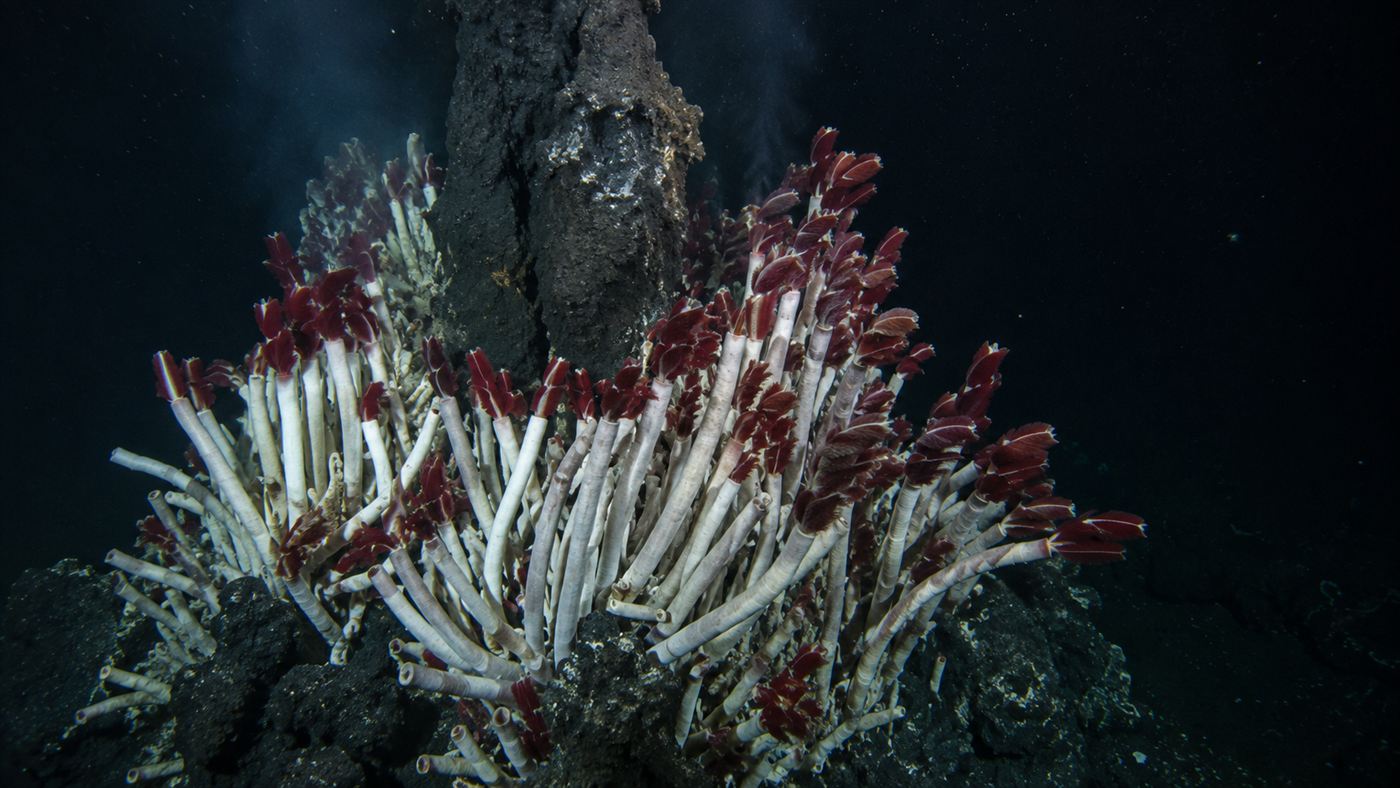
Finding them in Bennu means that the much larger parent asteroid it broke off from once held pockets of liquid water, briny underground pools that seeped and evaporated over thousands of years. That is exactly the kind of warm, wet, chemical-rich setting where organic molecules can grow more complex. Bennu, in other words, was once a tiny, dark, watery laboratory, running the early experiments of chemistry on its own. It rhymes with the way life on our own planet clusters around the mineral-rich water of deep-sea vents.
The mystery of left and right
Then came the twist that has chemists arguing. Amino acids come in two mirror-image forms, left-handed and right-handed, like a pair of gloves. Every living thing on Earth, without exception, builds its proteins using only the left-handed version. It is one of the deepest and strangest facts in biology, and nobody fully knows why.
If life's ingredients had been seeded from asteroids like Bennu, you might expect the asteroid to be lopsided toward left-handed too. It is not. Bennu's amino acids came in a nearly equal mix of left and right-handed forms, with no preference at all. That deepens the puzzle rather than solving it: the raw material arriving from space was evenhanded, so something that happened here on Earth, and only here, must have chosen a side. The origin of life still guards that particular secret.
How OSIRIS-REx pulled it off
The science exists only because of a wildly difficult piece of flying. As Eos has reported in covering the results, OSIRIS-REx launched in 2016, spent years matching orbits with a spinning rubble pile barely a third of a mile wide, and then briefly kissed its surface in a maneuver the team called a tag. The asteroid turned out to be so loosely packed that the spacecraft sank in like a hand into a ball pit, and it grabbed far more material than anyone dared hope.
For principal investigator Dante Lauretta of the University of Arizona, it was the payoff of roughly two decades of work, a career spent betting that a dark, unremarkable near-Earth asteroid was worth flying to. Project scientist Jason Dworkin said the data adds major brushstrokes to a picture of a solar system teeming with the potential for life. It is the same patient, long-shot ambition that built the machines in our quiet revolutions in science, aimed this time at the sky.

Does this mean life came from space?
This is the question everyone wants answered, and the honest reply is a careful maybe. What Bennu proves is that the ingredients of life form readily out in the cold and the dark, and that asteroids and comets could have rained them onto a young, sterile Earth by the ton. If the recipe was being delivered from orbit, life had a much easier start than if it had to invent every molecule from scratch. That shifts the odds toward biology being common wherever the conditions are right.
But ingredients are not a meal. Bennu carried no cells, no fossils, nothing alive, only the chemistry that life is made from. The jump from a bag of amino acids to a self-copying organism remains the great unsolved mystery, and this sample does not cross it. What it does is make the setup for that jump look far more ordinary than we once thought.
The honest catch
It is worth being clear-eyed about what was and was not found, because the headlines can outrun the science. Detecting the building blocks of life is a long way from detecting life, and every one of these compounds can form through plain chemistry with no biology involved. Bennu is a signpost, not a discovery of aliens, and the researchers themselves are careful to say so.
The evenhanded mix of left and right molecules is the honest sting in the tail. It quietly weakens the neat story that space simply handed Earth its left-handed biology ready-made, and it leaves the deepest question wide open. Still, holding in a lab the actual, uncontaminated stuff of a watery baby-step toward life, scooped from a rock older than the planet, is about as close to touching our own origins as science has ever come.
A few spoonfuls of a dark asteroid came home carrying the amino acids, the DNA letters, and the ancient salt water that life is built from. Does finding life's ingredients on a rock older than Earth make you think biology is common in the universe, or is the leap from chemistry to life still the real miracle? Tell us what you think in the comments.
Related reading: The night NASA crashed a spacecraft into an asteroid on purpose to see if we could nudge one off course.
More from Watts & Wild
More in Science & Tech →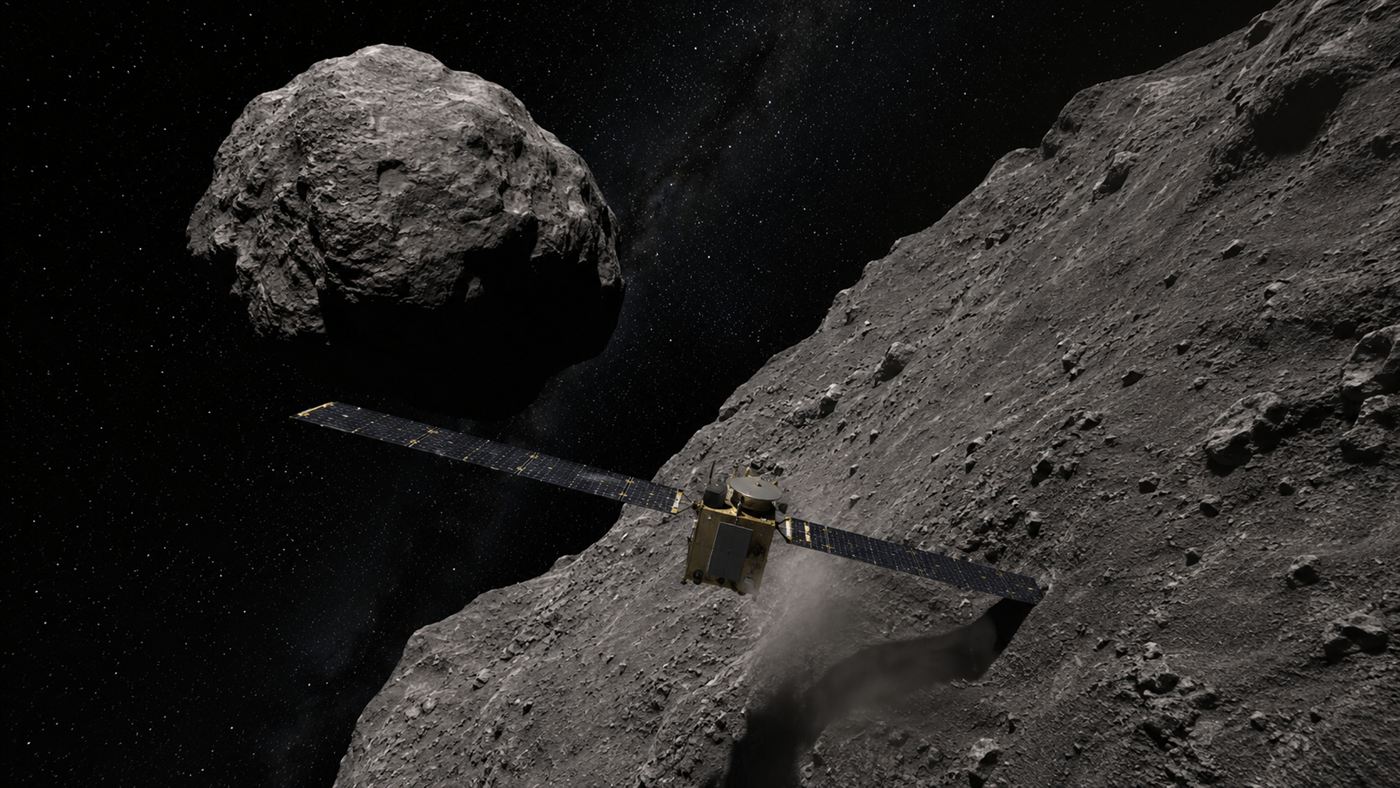

Bruno writes about energy history, industrial disasters, and the people who shaped the technologies we take for granted. He is based in Brazil.