The river so dirty it caught fire, and the day America finally noticed
There is a river in Ohio that used to catch fire. Not once, by freak accident, but again and again over the decades, its surface so thick with oil and filth that a single spark could set the water itself ablaze. For a long time, the city simply shrugged and carried on. Then one ordinary fire, no bigger than the rest, changed everything. The Cuyahoga River fire helped wake a nation up.
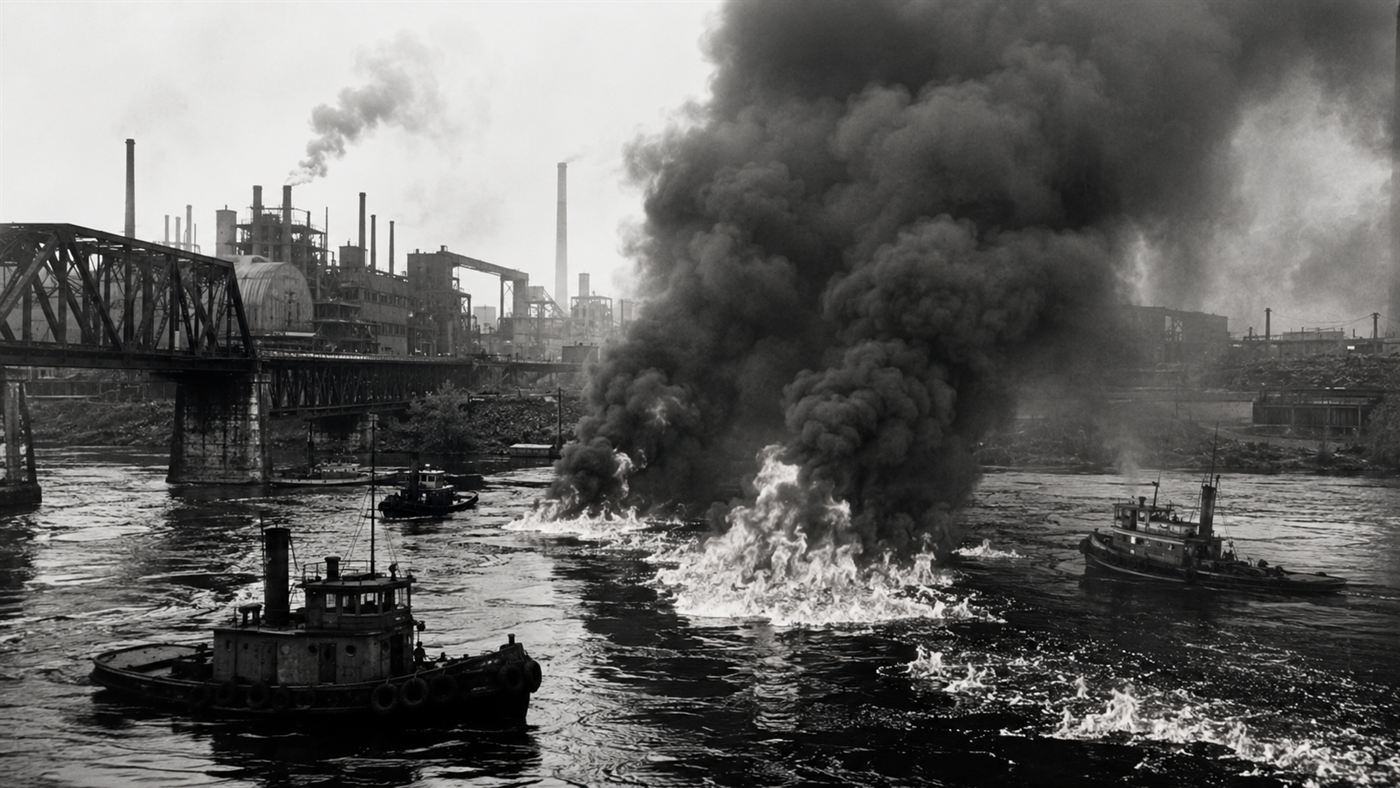
A river so polluted that its own surface could burn. Illustration: Watts & Wild.
It is one of those stories where the most shocking detail is not that something terrible happened, but that for years almost nobody thought it was terrible at all. A burning river was treated as a normal cost of doing business, until the moment the country decided it no longer was.
To understand why, you have to look at what the Cuyahoga had become.
A river you could set alight
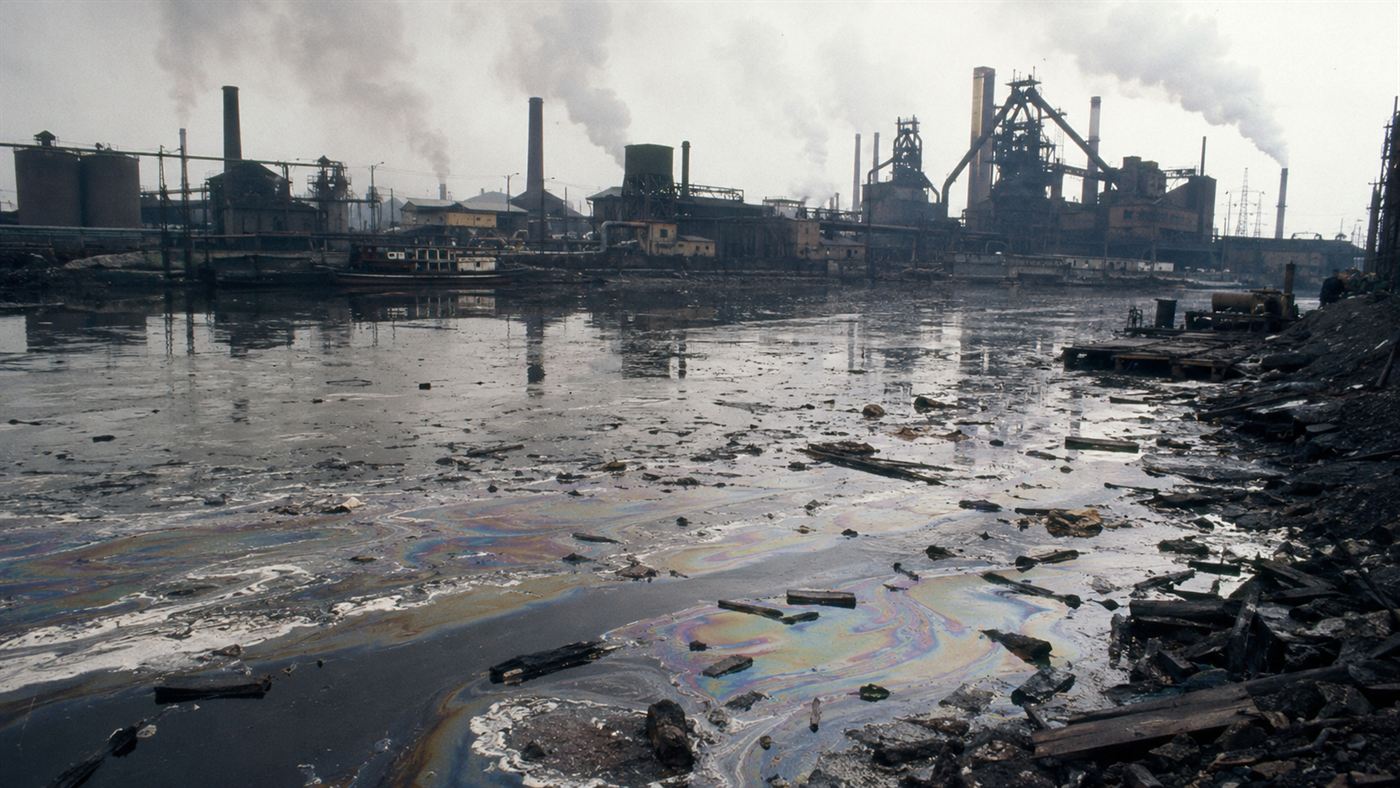
By the middle of the twentieth century, the Cuyahoga River as it wound through industrial Cleveland was less a waterway than an open sewer for industry. Steel mills, refineries and factories poured oil, chemicals and waste straight into the water, until the surface carried a flammable skin of grease and debris.
The result was a river that burned. Over the years the Cuyahoga caught fire something like a dozen times, and these were not always small incidents. A blaze in 1952 did over a million dollars of damage to boats and a riverside building. Yet in a hard-working industrial town, a river that occasionally went up in flames was seen as an unpleasant but acceptable side effect of jobs and prosperity. The fires made the local papers and then were forgotten.
How the Cuyahoga River fire changed everything
The fire that made history, on 22 June 1969, was almost an anticlimax. An oil slick caught light near a steel mill, damaged a couple of railroad bridges, and was put out within about half an hour, so minor that no photographs of it are even known to exist.
What turned this small fire into a turning point was timing and attention. A growing number of Americans were beginning to worry about pollution, and when Time magazine ran a piece on the nation's filthy waterways, it seized on the Cleveland fire, describing a river that "oozes rather than flows" and in which a person "does not drown but decays". To illustrate it, the magazine reached for a dramatic photograph, not of the 1969 fire, but of the far bigger 1952 blaze. The image of a burning river, attached to the idea of a country poisoning its own water, lodged in the public mind.
The spark for a movement
From that point, the burning river became a rallying symbol. Cleveland's mayor and other leaders used the outrage to push for action, and the Cuyahoga came to stand for everything that decades of unchecked pollution had done to America.
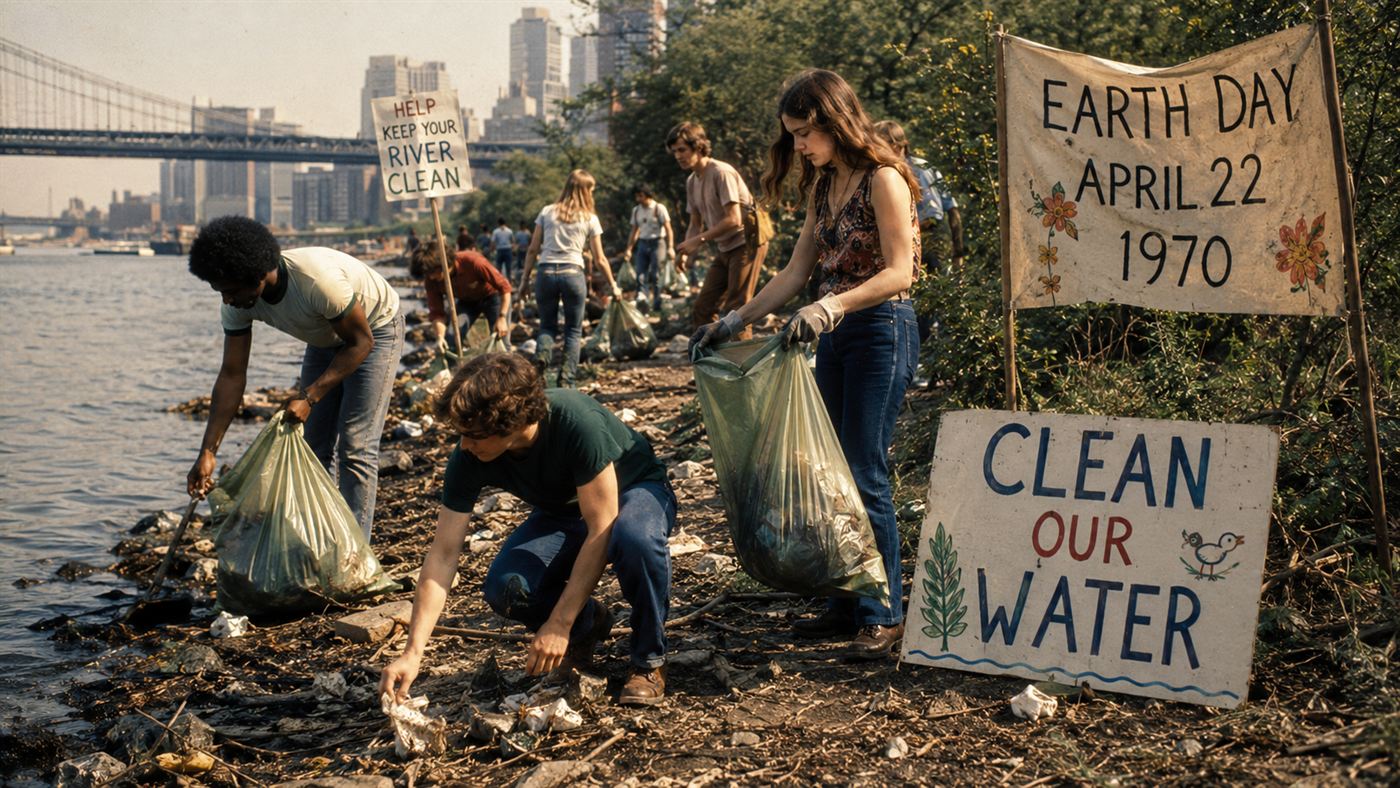
The momentum was extraordinary. The first Earth Day was held in 1970, the Environmental Protection Agency was created the same year, and in 1972 the Clean Water Act set out to stop exactly the kind of dumping that had set the Cuyahoga alight. A river that had burned for generations without consequence had, almost by accident, become the catalyst for cleaning up the waterways of an entire nation. Today the Cuyahoga runs clean enough for fish to return, a living measure of how much changed.
Why did the Cuyahoga River catch fire?
Because people had turned it into fuel. Generations of industry dumped oil, grease and chemical waste into the Cuyahoga until its surface was coated in a flammable layer that a passing spark could ignite.
It is worth being honest that the famous 1969 fire was, by the river's own grim standards, nothing special; the Cuyahoga had burned bigger and burned before, and the truly iconic photo is of an earlier blaze. That, in a way, is the most damning part of the story. The pollution was so routine that it took not a uniquely terrible disaster but simply the right fire at the right moment to finally make people care.
What did the Cuyahoga River fire lead to?
A cleaner country. The Cuyahoga River fire became a defining symbol of pollution and helped drive the creation of Earth Day, the Environmental Protection Agency and the Clean Water Act within a few short years.
Its legacy is the unglamorous, vital machinery of environmental protection that we now take for granted, the rules that stop factories using rivers as dumps. The Cuyahoga is a reminder that change often comes not from the worst version of a problem, but from the moment a society finally decides it has seen enough, even of something it had tolerated for a hundred years.
A river burned for a century before anyone decided it was a scandal. What harms are we shrugging off right now simply because they have become normal? Tell us what you think in the comments.
Related reading: Love Canal, the poisoned neighbourhood where one mother's fight helped force America to face its toxic waste. See also the Storm King fight, where saving a mountain gave Americans the right to sue for nature. See also the Santa Barbara oil spill of the same year, which helped launch Earth Day.