In 1969 a blown-out oil well fouled the California coast with three million gallons of crude, and the disaster helped give birth to Earth Day and the modern environmental movement
For eleven days a broken well poured oil into the sea off one of America's prettiest coastlines. The images of blackened beaches and dying seabirds ran on the evening news across the country, and something shifted. A furious public decided it had seen enough, and the backlash helped rewrite the nation's laws.
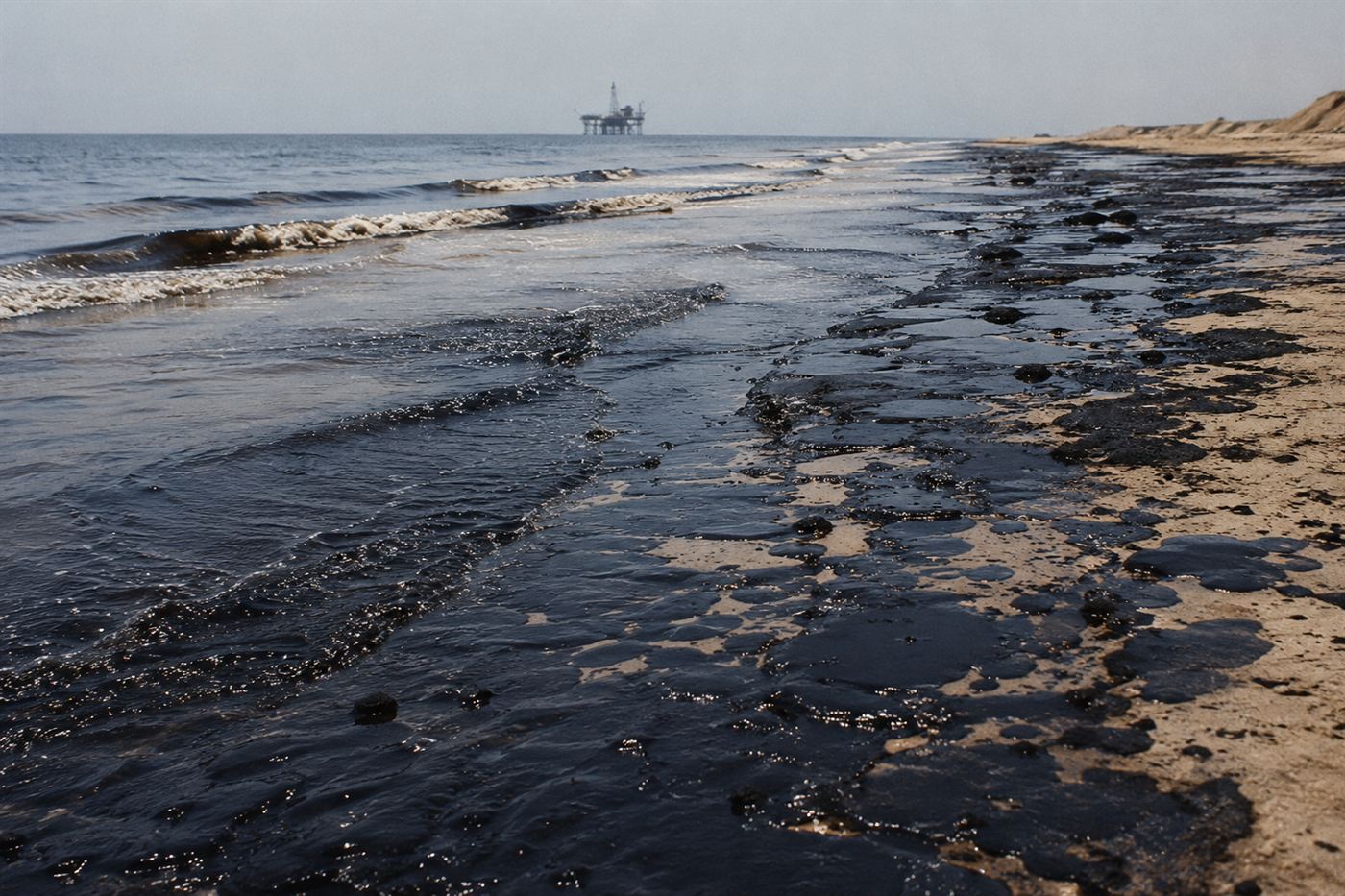
Miles of Santa Barbara coastline were smothered in crude in early 1969. Illustration: Watts & Wild.
On 28 January 1969, workers on an oil platform six miles off the coast of Santa Barbara, California, were pulling drilling pipe out of a well when the ground beneath the sea gave way. Pressurised crude and gas forced their way up and out, cracking the seabed and opening wounds that no one could quickly close.
For the next week and a half, oil welled up into the channel and drifted toward one of the most beautiful shorelines in the United States. By the time the worst was under control, an estimated three million gallons had escaped, blackening some 35 miles of coast and turning a postcard bay into a national scandal.
The short version is that a drilling accident became a turning point. The Santa Barbara oil spill did not just ruin beaches. It helped turn a scattered set of local worries about pollution into a mass movement that would soon reshape American life.
The blowout on Platform A
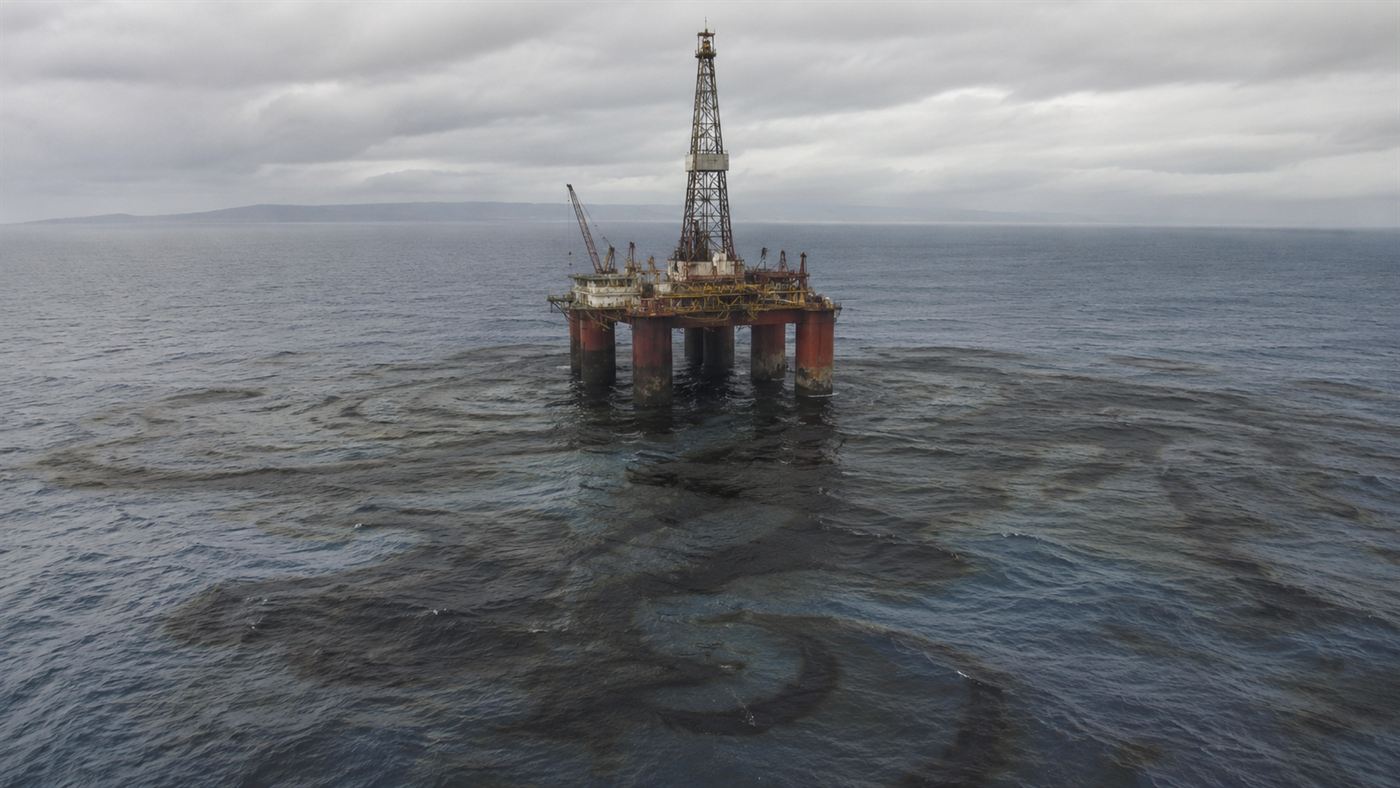
The well belonged to a rig known as Platform A, operated by Union Oil in federal waters offshore. In Union Oil's rush to drill cheaply, the protective steel casing lining the hole was thinner and shorter than it should have been. When the crew hit a pocket of high pressure, there was too little steel to hold it, and the well blew out beneath the ocean floor.
That was the nightmare scenario, because the leak was not a neat hole in a pipe that could be capped. The pressure had fractured the seabed itself, and oil seeped up through cracks across a wide area. Crews scrambled with the crude tools of the day, straw, booms and skimmers, while the slick kept spreading and the whole country began to watch.
Why the Santa Barbara oil spill changed everything
What made the Santa Barbara oil spill different was television. Film of gulls and cormorants soaked in tar, of volunteers scrubbing frantic birds, of once-golden sand gone black, was broadcast into living rooms night after night. For millions of Americans it was the first time an environmental catastrophe felt vivid and personal.
Locals did not stay quiet. Santa Barbara residents formed a citizens group called Get Oil Out, demanding an end to drilling in the channel, and their anger was echoed far beyond California. The Santa Barbara oil spill gave a face and a coastline to a feeling that had been building for years, that the country was fouling its own nest in the name of cheap energy.
How did a spill help launch Earth Day?
Among those shaken by the scenes was Senator Gaylord Nelson of Wisconsin, who flew out to see the damage for himself. Walking the ruined coast, he began turning over an idea: a national day of teach-ins and demonstrations that would force the environment onto the political agenda. That idea became the first Earth Day, held on 22 April 1970.
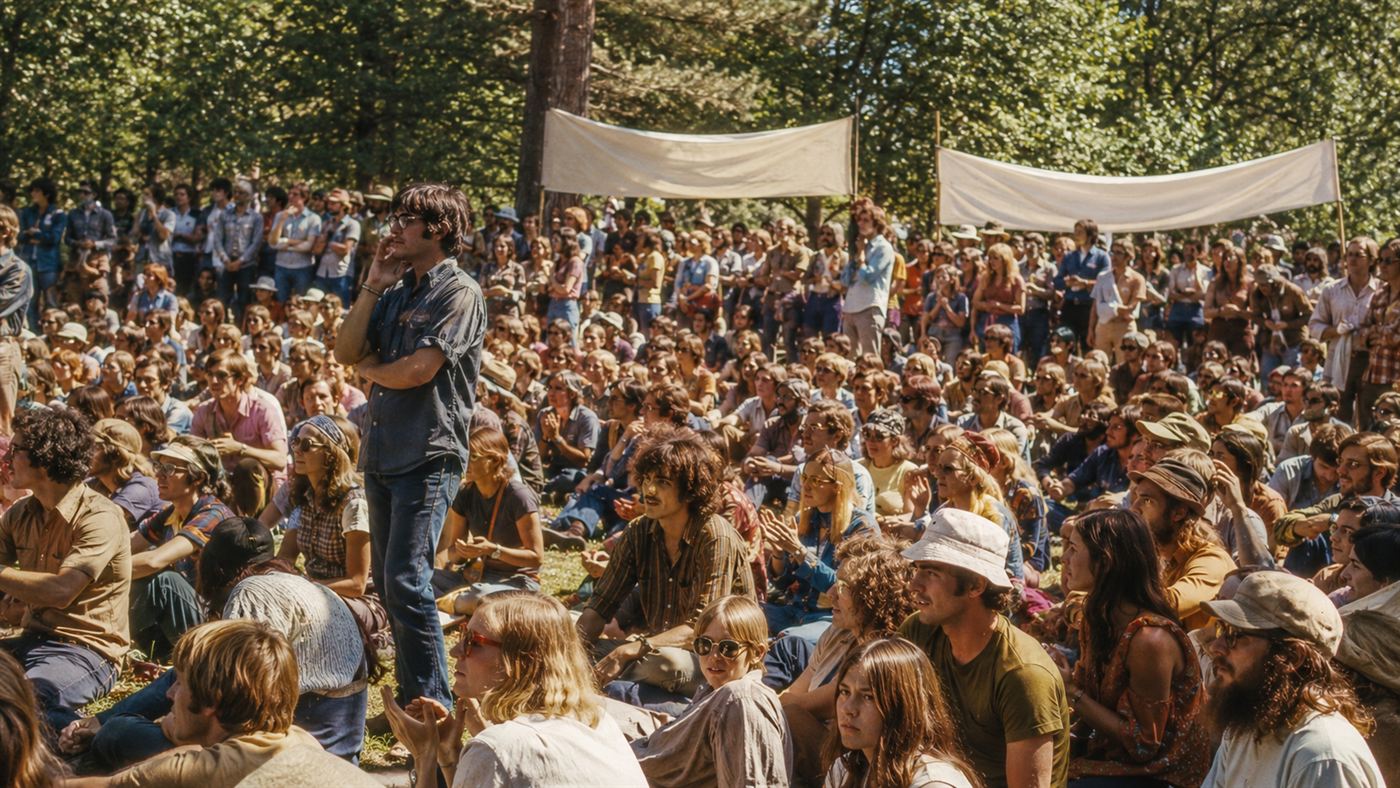
It was enormous. An estimated 20 million Americans took part, one of the largest public demonstrations in the country's history. Earth Day showed politicians that ordinary voters cared deeply about clean air and water, and it turned a loose collection of causes into a force that Washington could no longer ignore.
The laws that came out of the anger
The results arrived with startling speed. The National Environmental Policy Act was signed at the very start of 1970, requiring the government to weigh environmental harm before approving big projects. Later that year the Environmental Protection Agency was created to enforce the new rules, and a strengthened Clean Air Act followed, with the Clean Water Act close behind in 1972.
Offshore, the backlash was just as sharp. Backed by campaigners like Get Oil Out, lawmakers froze new leases along much of the California coast, and offshore drilling became one of the most politically radioactive ideas in the state, a reputation it holds to this day. A single ruined bay had helped bend national policy for decades.
The honest catch
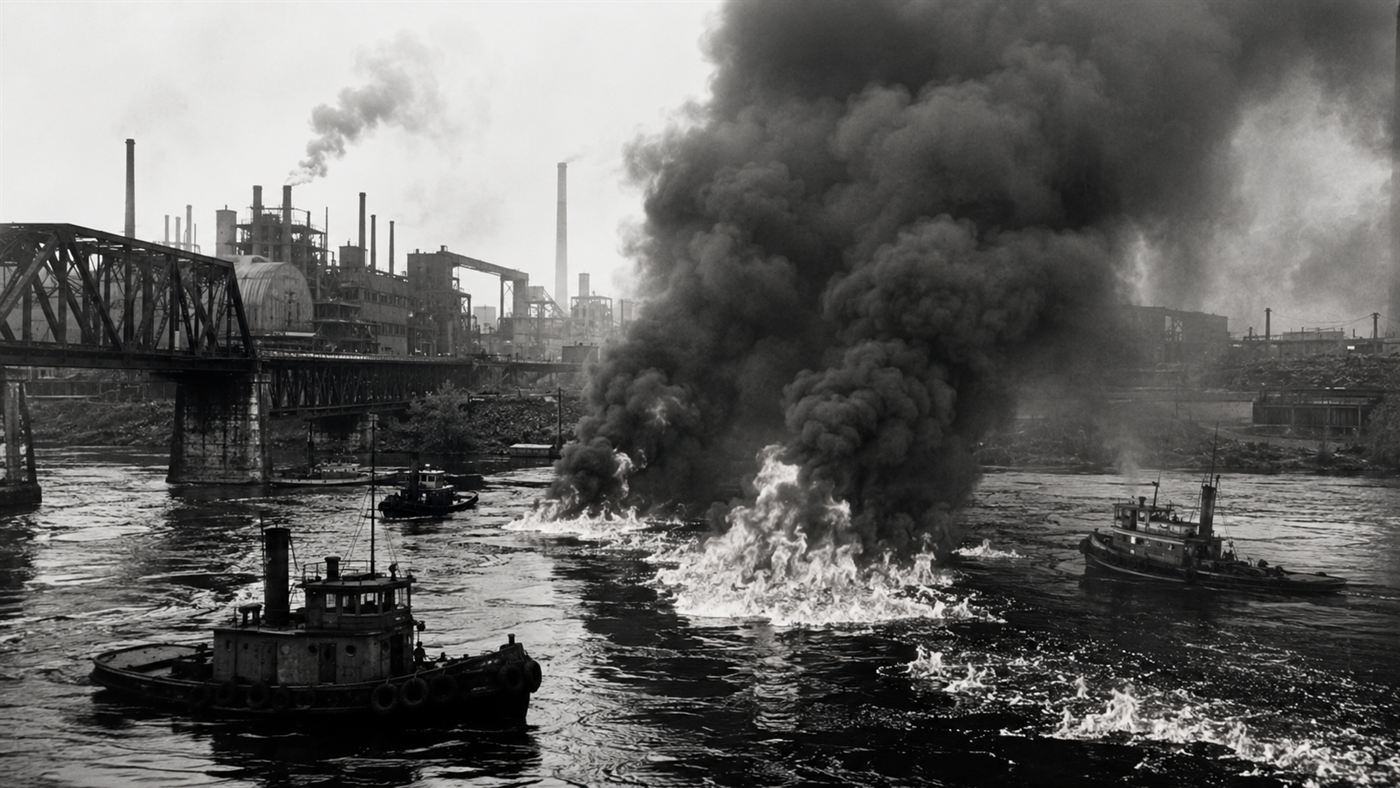
It is too neat to say that one spill created the environmental movement. The ground had been prepared for years, by Rachel Carson's book Silent Spring in 1962, by smog crises in big cities, and by the Cuyahoga River catching fire in Ohio that same summer of 1969. The Santa Barbara oil spill was a powerful spark, but it landed on ground already primed to burn.
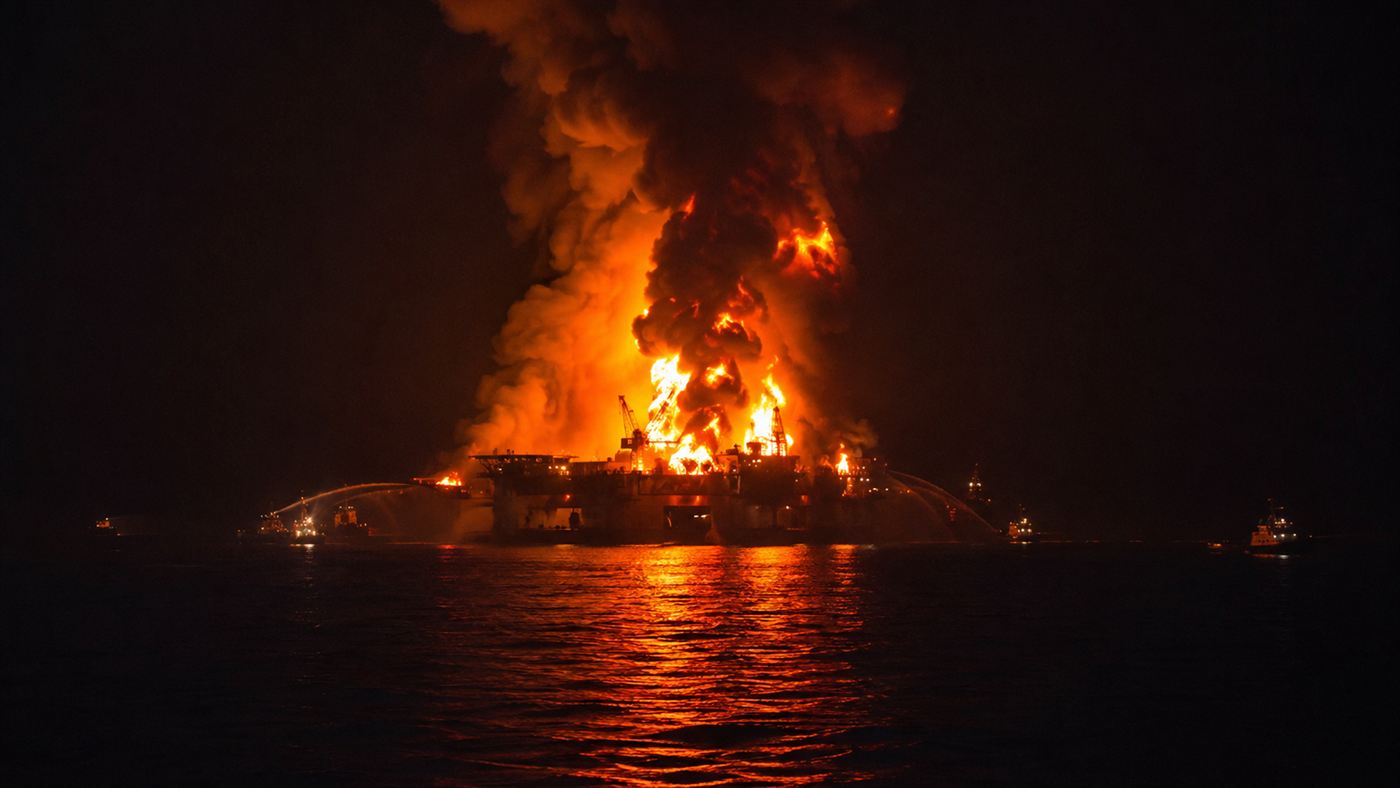
It is also worth remembering that the lesson only half stuck. The country kept up offshore drilling elsewhere and drilling on land, and later disasters like the Exxon Valdez and Deepwater Horizon showed how much risk remained. The Santa Barbara oil spill changed laws and minds, but it did not end the hunger for oil that made such accidents possible in the first place.
A cut-rate oil well blew out under the sea and ruined a beloved coast, and out of that mess came Earth Day, the EPA and a generation of environmental law. Does it encourage you that disaster can drive real change, or trouble you that it took ruined beaches to make it happen? Tell us what you think in the comments.
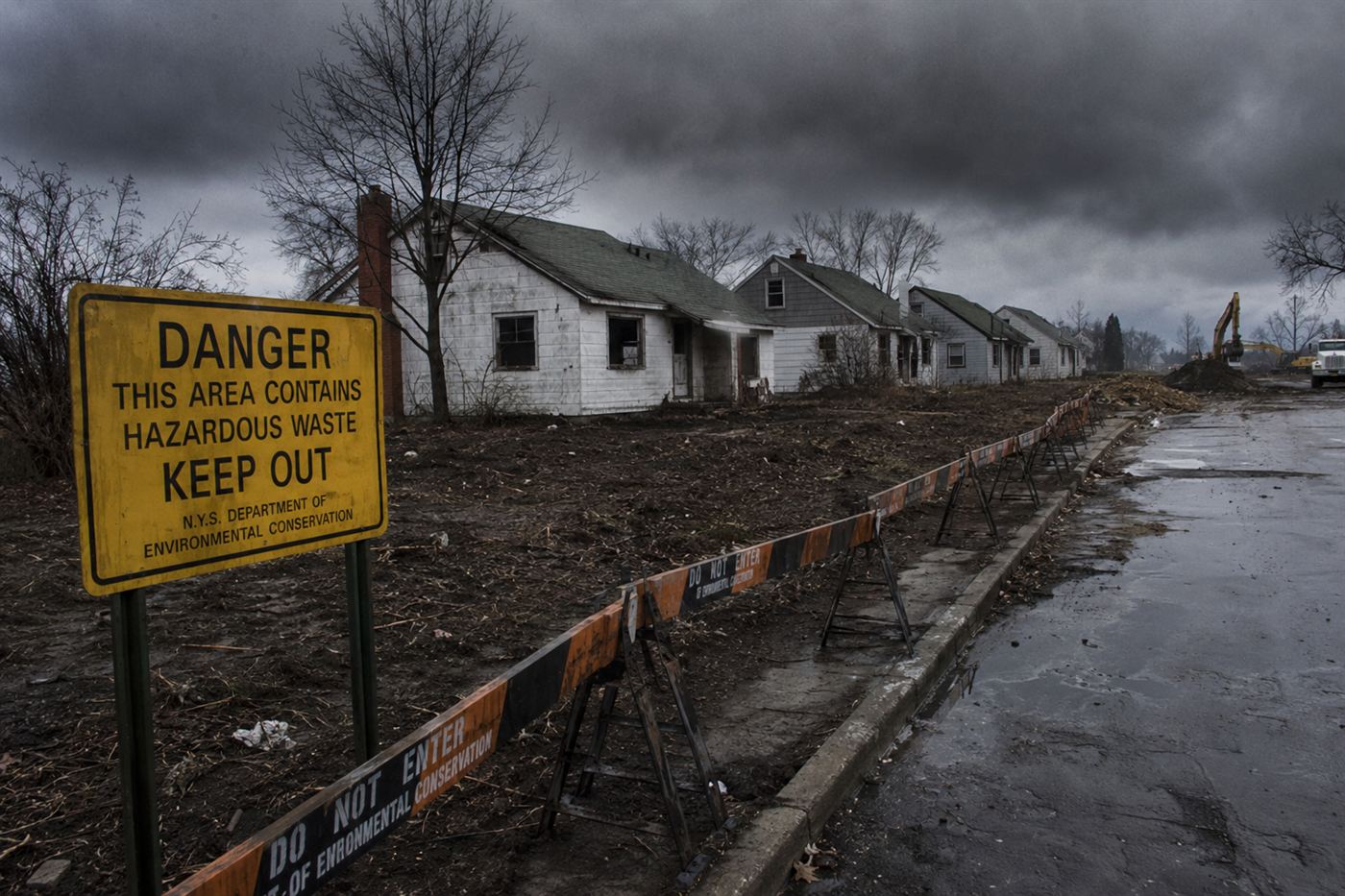
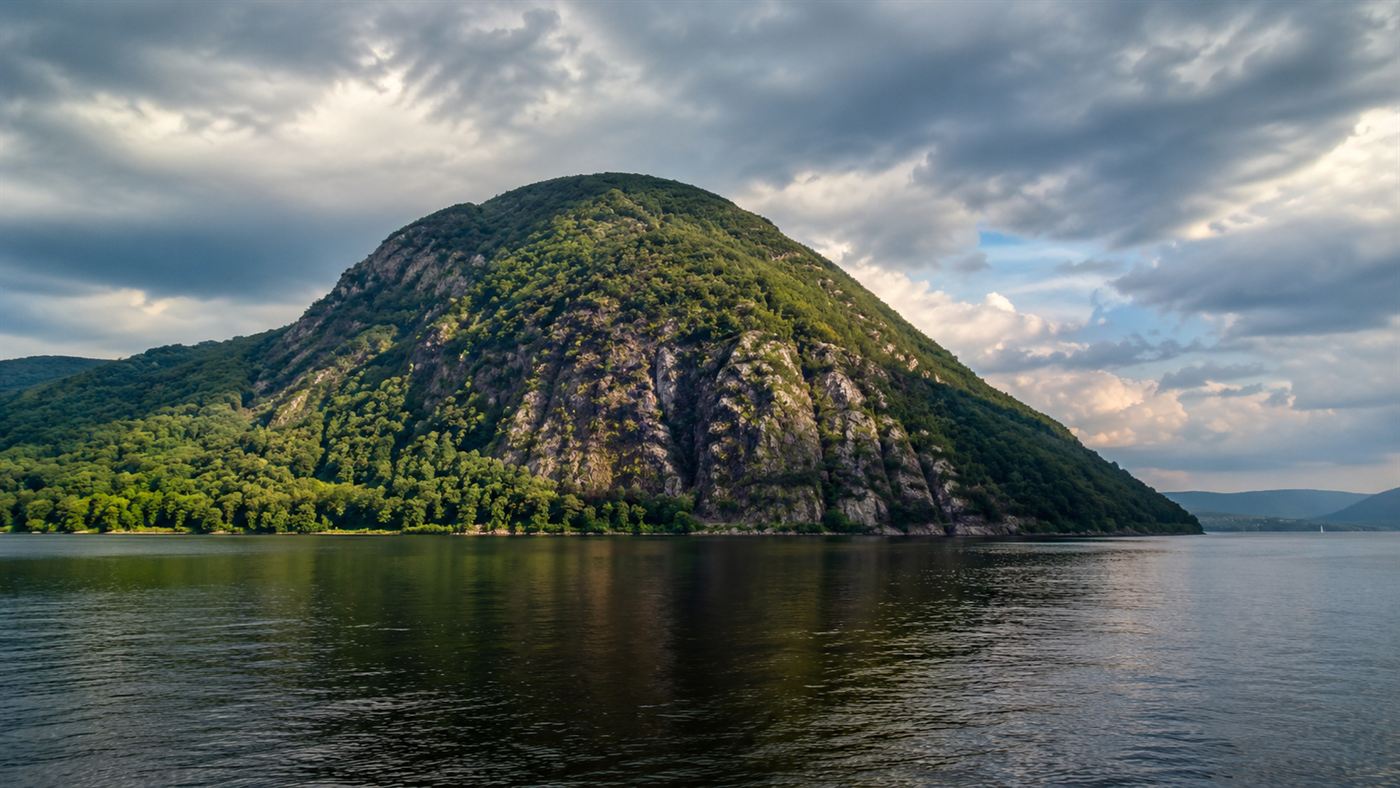
Related reading: the Ohio river so polluted it caught fire the same year. See also Love Canal, where a housewife exposed a buried chemical disaster, and the Deepwater Horizon blowout that dwarfed it four decades later. See also the Gold King Mine spill that turned a river orange, triggered by the EPA itself.