A power company planned to hollow out a mountain on the Hudson River for a giant hydro plant, and the 17-year battle to stop it accidentally created modern environmental law
In the early 1960s, the most powerful utility in America looked at a beautiful mountain on the Hudson and saw a battery. Its plan to carve a power plant into the rock set off a fight that nobody expected a handful of locals to win, and that quietly handed every American a brand new right.
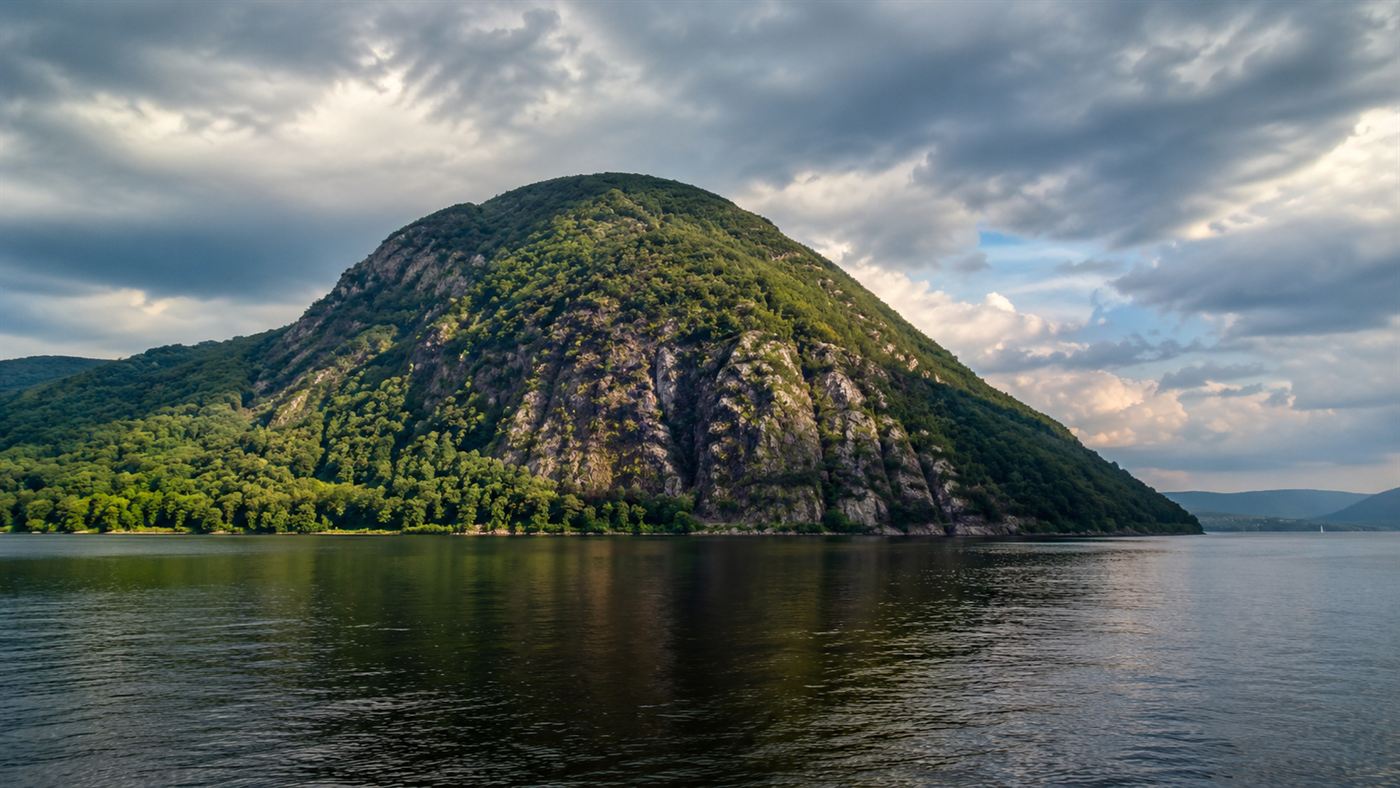
The mountain a utility wanted to turn into a giant power station. Illustration: Watts & Wild.
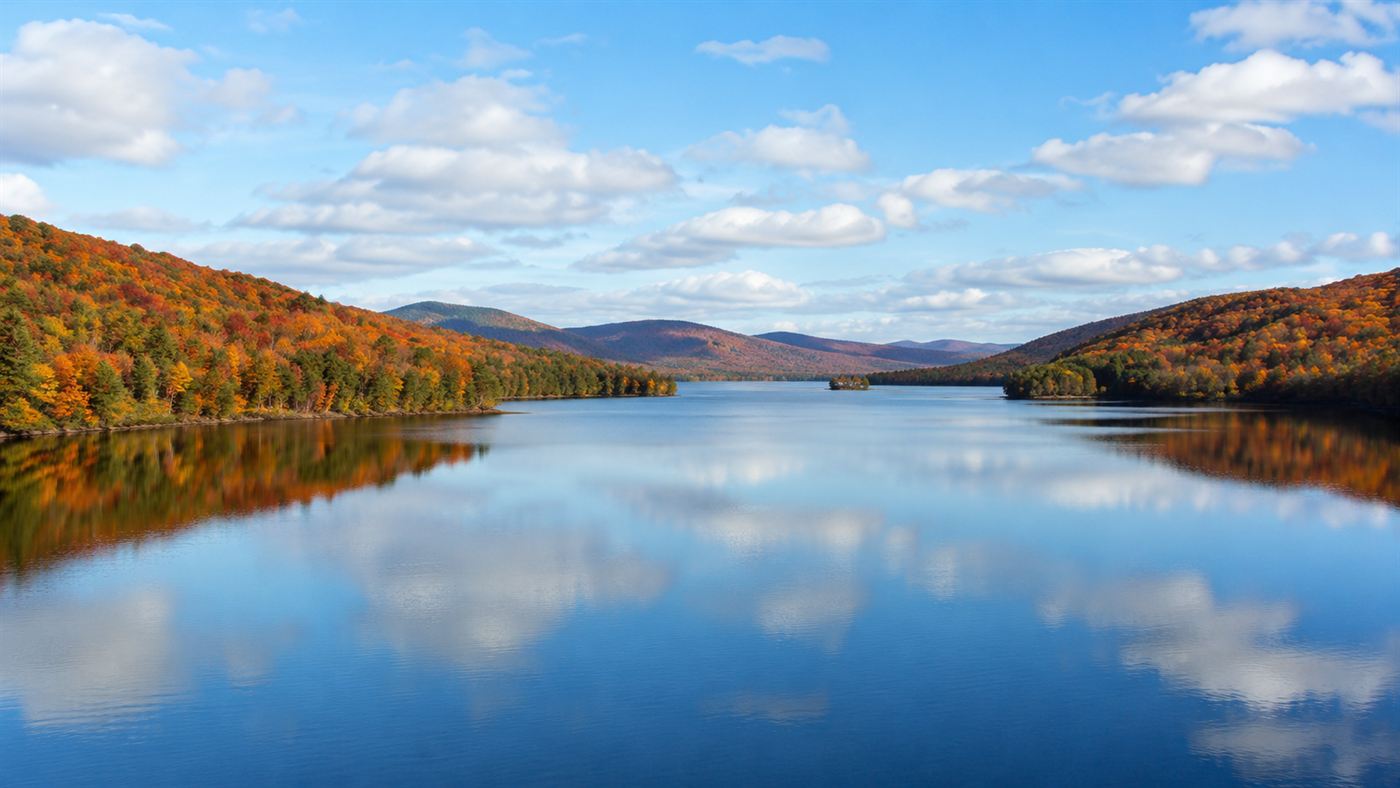
Storm King Mountain rises steeply out of the Hudson River about 50 miles north of New York City, a rounded green dome that has inspired painters for two centuries. In 1962 and 1963, Consolidated Edison, the giant utility that keeps New York's lights on, unveiled a plan that would have changed it forever.
The company wanted to build an enormous power plant on the mountain, and to do it they would gouge a vast powerhouse into its side and flatten part of the summit for a reservoir. To the engineers it was elegant. To the people who loved the river, it looked like an act of vandalism against one of America's most cherished landscapes.
The short version: a utility tried to build a huge hydroelectric plant on Storm King, and a scrappy group of residents and nature lovers fought it for 17 years. They eventually killed the project, but the far bigger prize was a court ruling that gave ordinary citizens the power to defend the environment in court.
A power plant carved into a mountain
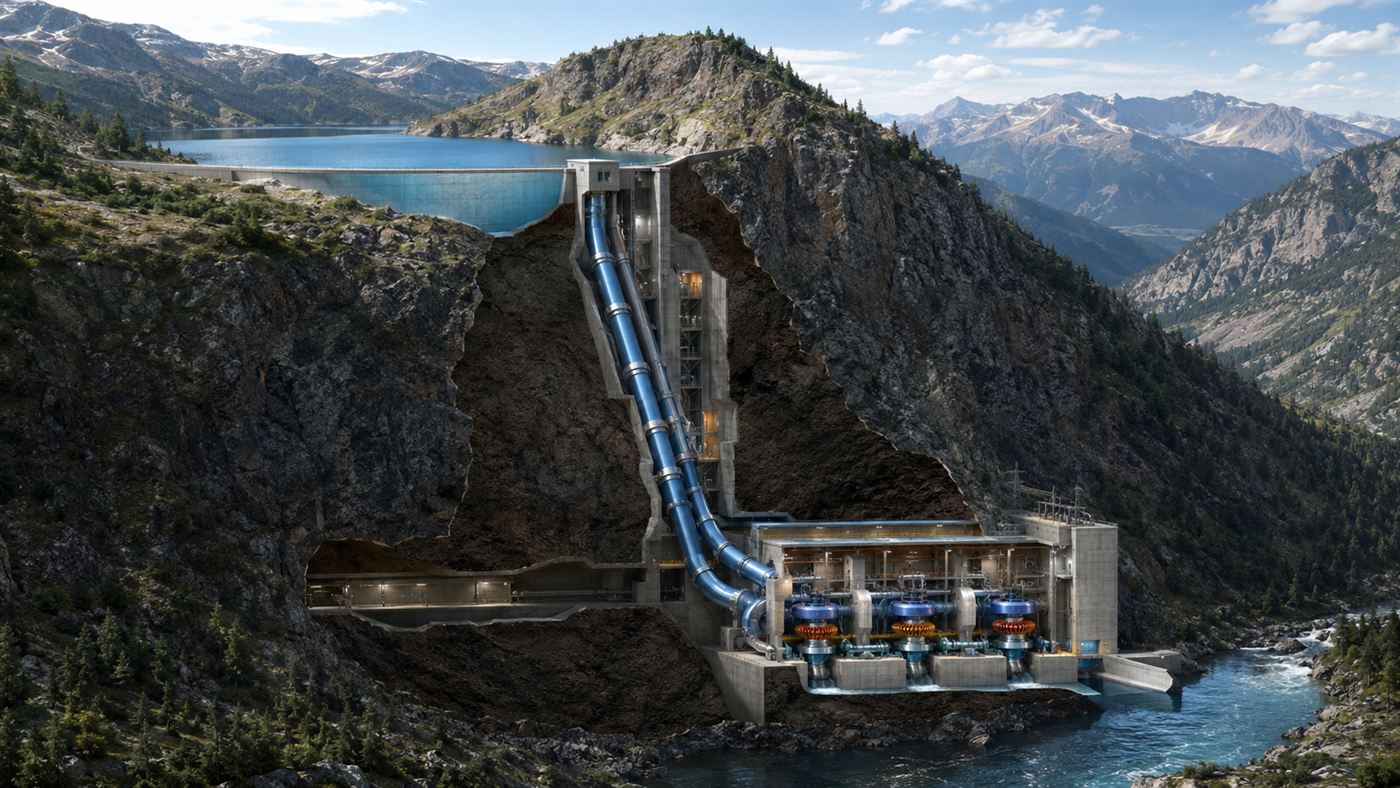
The technology behind the plan is genuinely clever and still used around the world. It is called pumped storage, and it works like a giant rechargeable battery made of water. When electricity is cheap and demand is low, you use it to pump water uphill into a reservoir. When demand spikes, you let that water rush back down through turbines to make power fast.
Con Edison wanted to build exactly that on Storm King, pumping water up the mountain at night and releasing it during the day. The scale was staggering for its time, promising a large surge of on-demand power for the city. On paper, this pumped storage scheme was a smart answer to New York's growing hunger for electricity.
Why did Con Edison want Storm King so badly?
New York in the 1960s was a city desperate for more power, its demand climbing every summer as air conditioners multiplied. The company needed a way to cover those sharp afternoon peaks without building yet more smoky conventional plants, and the technology promised huge bursts of electricity right when the city gasped for it.
Storm King had the perfect shape for it: a tall mountain rising straight from a deep river, so water could be moved up and down a long drop efficiently. For an engineer chasing cheap peak power, it was close to ideal, which is exactly why Con Edison was so determined to build there and so slow to grasp the fury it would unleash.
The birdwatchers who fought a giant
What the utility did not count on was the neighbours. In 1963 a group of local residents, conservationists and weekend nature lovers banded together as the Scenic Hudson Preservation Conference, determined to save the mountain. On paper they had almost no chance against the legal and financial might of a huge utility.
But they had two things that mattered: a genuine love of the river and a powerful argument that the plant would gut a landscape of real historic and natural value. The Scenic Hudson group also raised an issue nobody could wave away, warning that the plant's intake would suck in and kill vast numbers of Hudson River fish eggs and young striped bass.
The ruling that changed everything
The fight landed in federal court, and in 1965 the judges did something revolutionary. They ruled that the agency approving the plant could not look only at power and cost, but had to weigh scenic beauty, history and nature too. And crucially, they said the Scenic Hudson group had the legal right, the standing, to sue even though its members would lose no money.
That second point was the earthquake. Until then, you generally had to show a financial injury to challenge a project like this in court. By ruling that a love of a place and a concern for the river were enough to open the courthouse door, the decision effectively invented the modern environmental lawsuit.
The honest catch
It is tempting to tell this as a simple tale of good little guys beating a wicked corporation, but the truth is more grown-up. Pumped storage is not villainous, it is a genuinely useful, clean way to store energy, and versions of it help balance grids all over the world today. Storm King was less an evil idea than the right idea in badly the wrong place.
The legal story has a nuance too. The sweeping right of citizens to sue was later trimmed by higher courts, which said you generally need a member who is actually affected, not just a group that cares. The Storm King ruling did not hand the public an unlimited license to sue, but it cracked open a door that had been firmly shut.
How a mountain rewrote the law
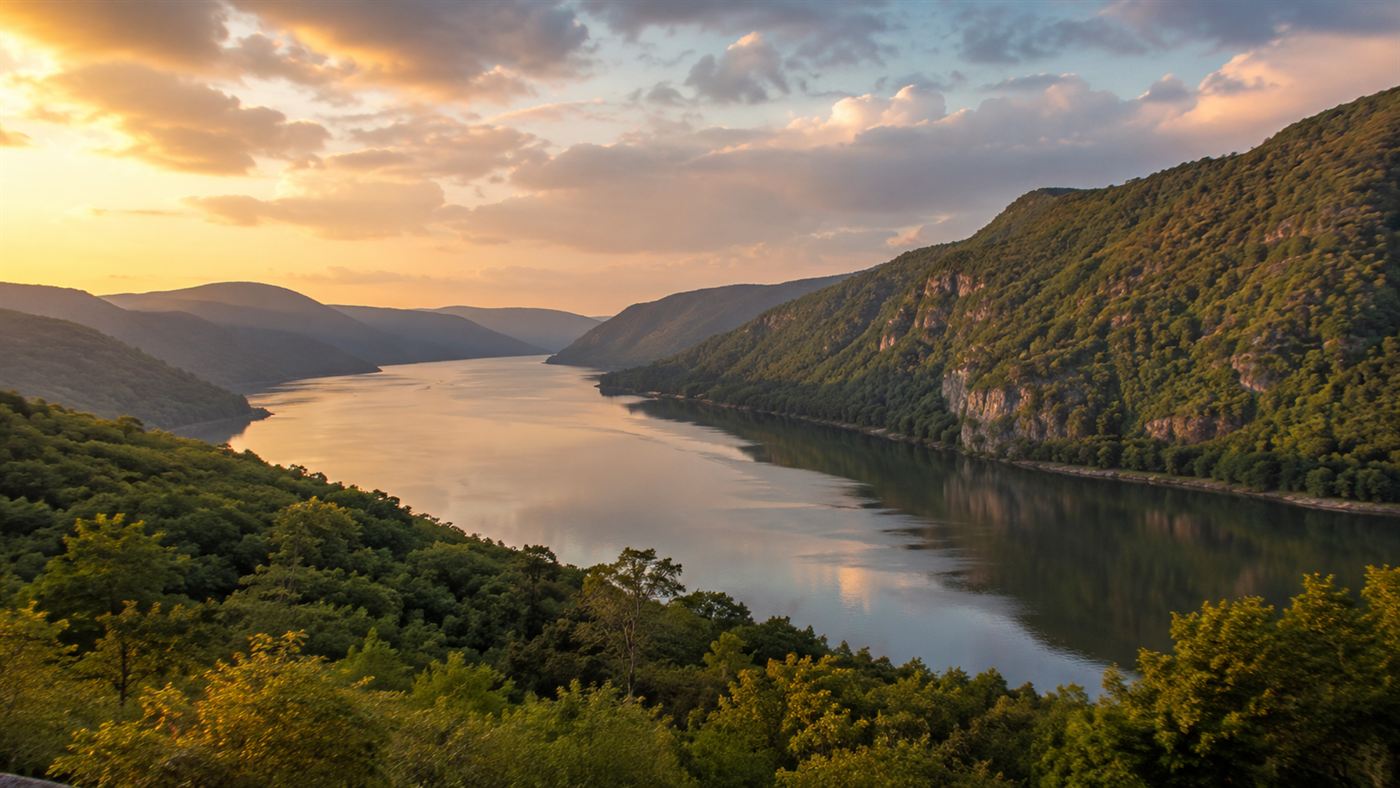
The case dragged on for years, but the momentum had shifted for good. Con Edison finally gave up in 1980, abandoning the project as part of a peace settlement, and Storm King was preserved rather than blasted apart. The mountain still stands over the Hudson exactly as the painters saw it.
Its real monument, though, is invisible. The fight helped inspire the wave of environmental protections that followed in the early 1970s, from national environmental review laws to the agencies and groups that now police pollution. A plant that was never built ended up shaping the whole country, which is about the strangest legacy a power project can have.
A handful of people who loved a mountain took on the biggest utility in the country, lost nothing but a power plant, and won a right that reshaped America. When clean energy and a cherished landscape collide, who do you think should get the final say, the engineers or the neighbours? Tell us what you think in the comments.
Related reading: the burning river that shamed America into cleaning up its water. See also the towns deliberately drowned to give a city its water, and the colossal dam that remade the American West.