A giant red sea snake once floated off the coast turning waves into electricity
A few kilometres out to sea, a long red machine the length of several buses rode the swell, bending and twisting with every wave that passed beneath it. It was not a creature or a ship, but a power station, quietly milking the endless motion of the ocean for electricity. The Pelamis was the boldest attempt yet to harness the power of the waves.
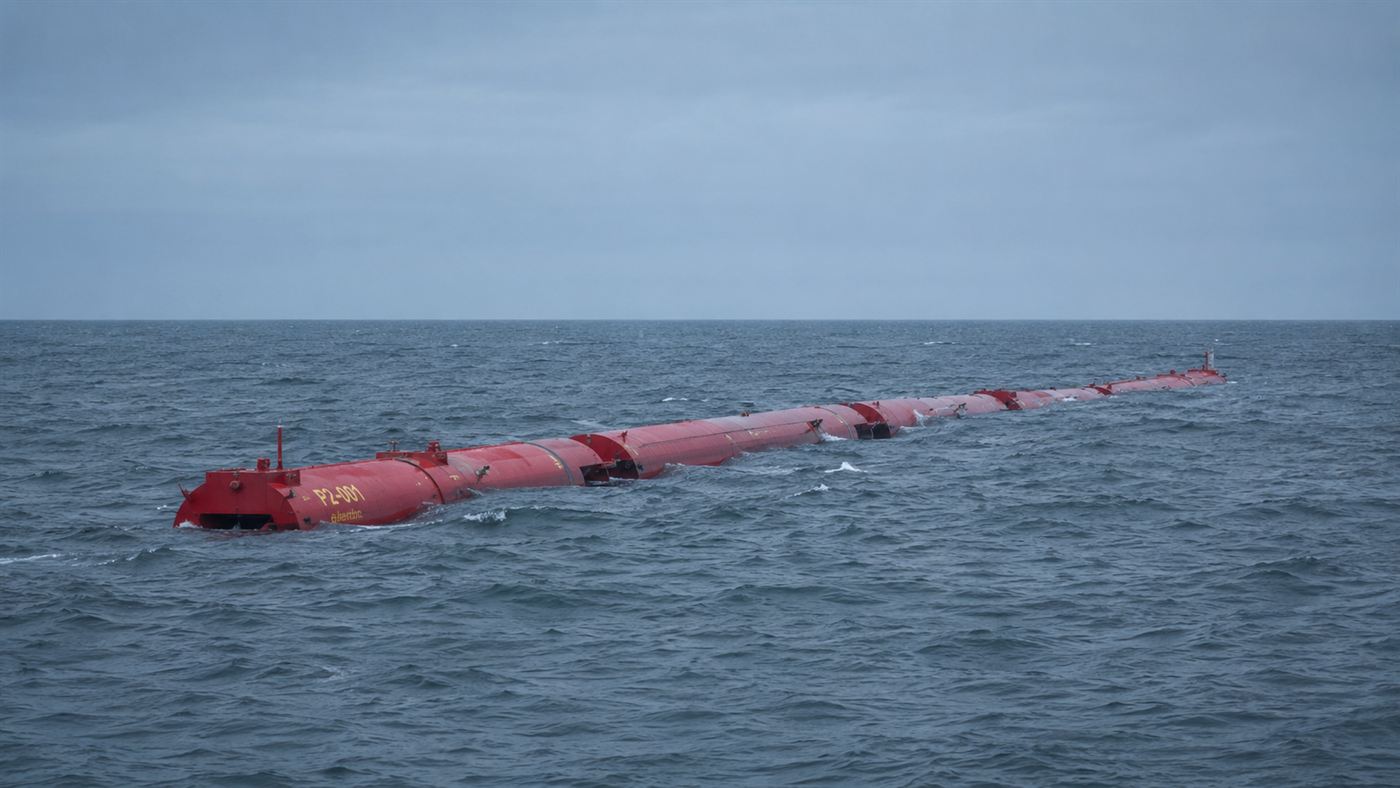
A 180-metre red machine that flexed with the swell to wring electricity from the sea. Illustration: Watts & Wild.
The ocean is one of the largest untapped sources of energy on the planet. The trouble is that the same waves carrying all that power are also brutally good at smashing whatever we put in their way. The Pelamis was an elegant answer to that problem, a machine built to roll with the waves rather than fight them.
For a few years it looked like the future of clean energy. Its story is a reminder that working in a laboratory and surviving in the real ocean are two very different things.
How the Pelamis turned waves into power
The machine looked exactly like its nickname suggested: a long, jointed red tube floating half-submerged on the surface, pointing into the incoming waves. The Pelamis was made of several huge cylindrical sections linked by hinges, and as each wave passed it flexed at those joints, driving hydraulic rams that pumped fluid through motors to spin electrical generators.
It was a clever piece of engineering. Rather than trying to block the waves or bob up and down on them, the snake simply let the swell ripple along its body, harvesting energy from the bending at every joint. Built in Scotland and tested in the fierce waters off Orkney, it proved that a floating machine really could turn the raw heave of the sea into usable power.
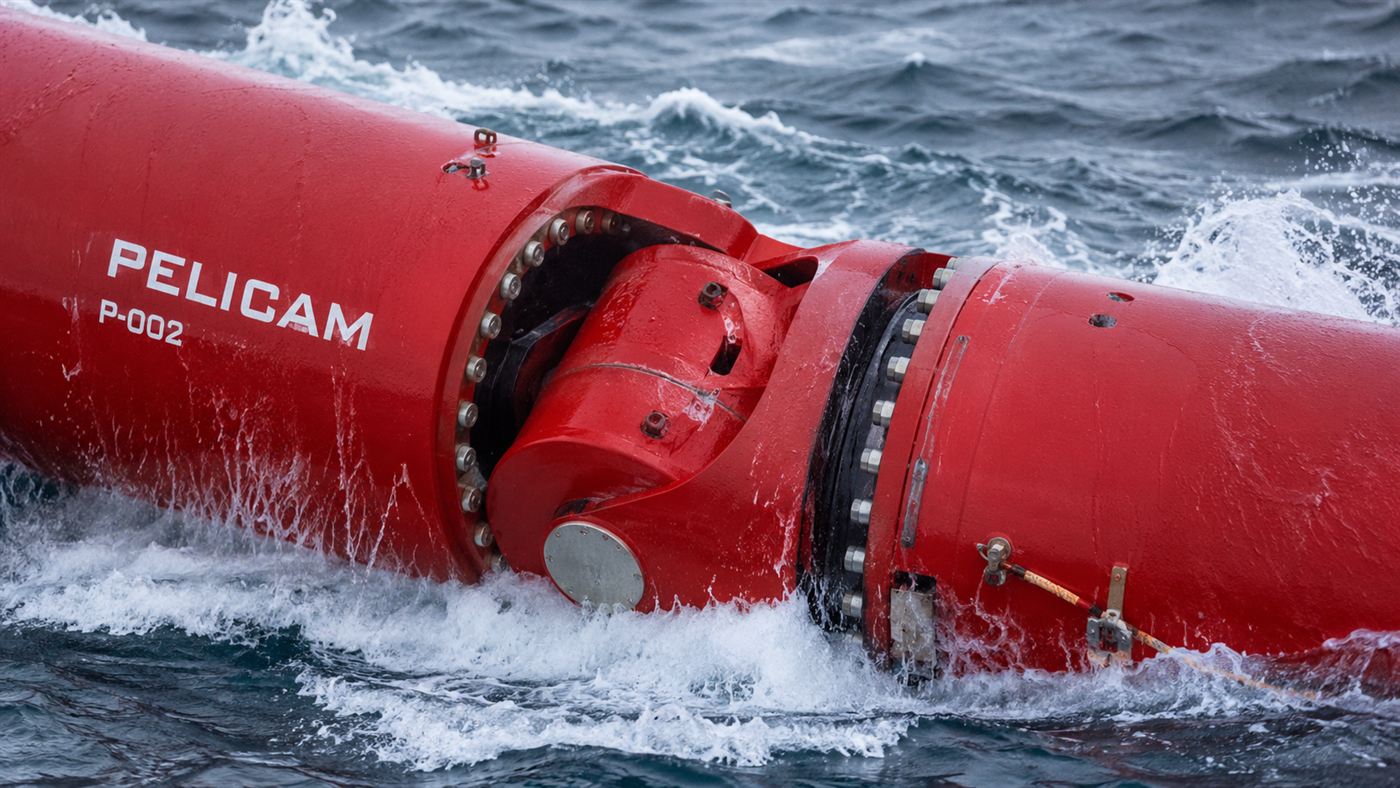
The world's first wave farm
The high point came not in Britain but in Portugal. In 2008 a cluster of these machines was installed off the country's northwest coast, wired together to feed power ashore. The Aguçadoura project put three Pelamis machines to work at once, making it the world's first wave farm to use more than a single device and connect to the grid.
For a moment, the dream of a coastline lined with these red snakes, quietly powering towns from the waves rolling in off the Atlantic, felt genuinely within reach. It was a real milestone, the first time wave power had moved from a lone prototype to something that looked like an actual power station. And then, almost as quickly, it began to unravel.
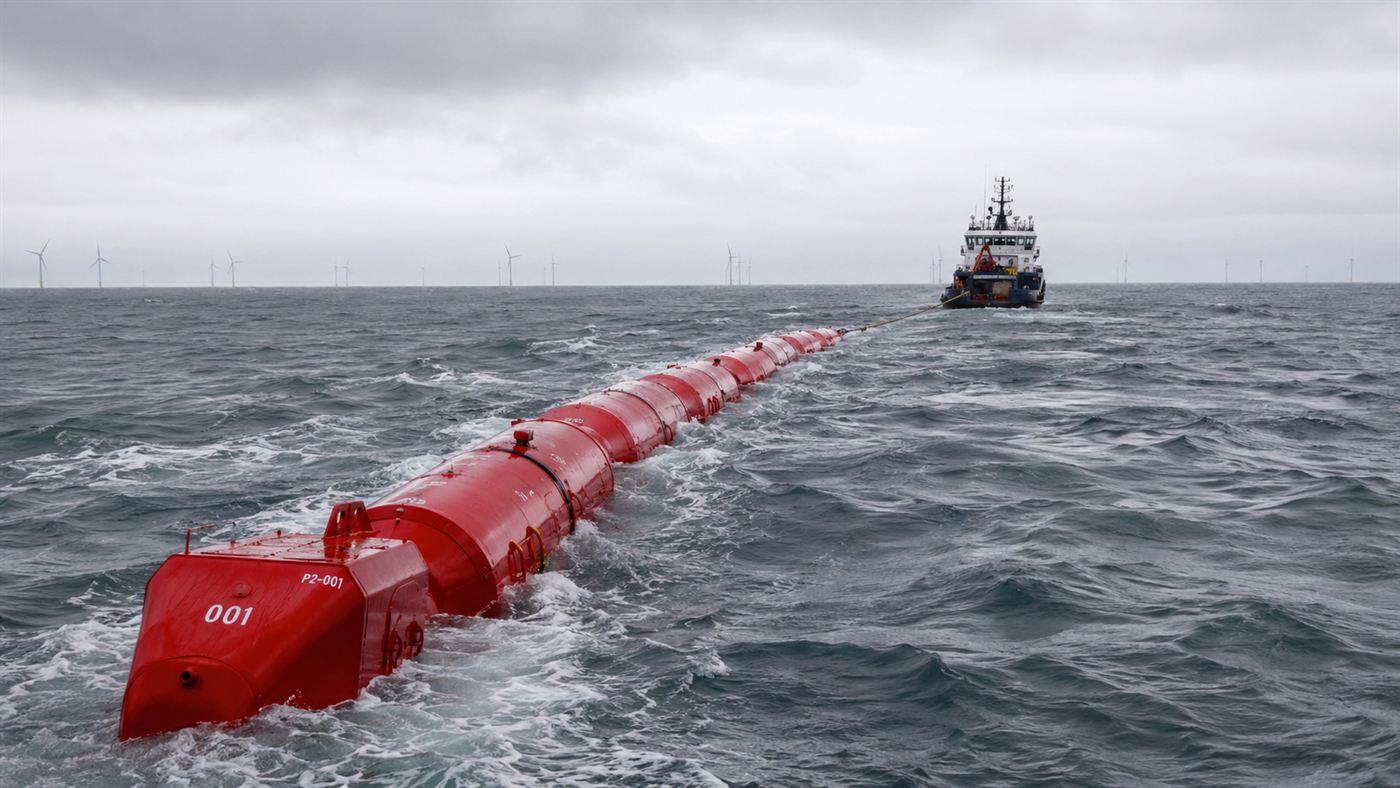
Why the dream sank
The Portuguese wave farm went quiet within months, knocked off course partly by the financial troubles of the company that owned it just as a global downturn hit. Pelamis Wave Power struggled on for several more years, but in 2014 it ran out of money and went into administration, unable to fund the next stage of its sea snakes.
The hard truth is that wave energy is one of the most punishing problems in the whole field of clean power. A machine out in the open ocean has to survive winter storms, endless salt-water corrosion and the ceaseless battering of the very waves it feeds on, all while producing electricity cheaply enough to compete with wind turbines and solar panels that kept getting cheaper. It is an almost impossibly tall order, and it broke a company that had done more than anyone to make wave power real.
What was the Pelamis wave machine?
It was, in the end, a brilliant prototype for an idea the world was not quite ready to afford. The Pelamis proved beyond doubt that the energy in ocean waves could be captured by a floating machine, which was never really the question; the question was whether it could ever be done cheaply enough.
Its red snakes were among the most striking objects in the history of renewable energy, strange and beautiful things that genuinely worked. They simply arrived in a marketplace where rival clean technologies were racing ahead on cost, leaving the harder, wetter problem of the waves behind.
Why did wave power like Pelamis fail?
Mostly because of money and the merciless sea, not because the science was wrong. Wave power has never managed to get cheap and reliable at the same time, and Pelamis ran out of funding before it could close that gap.
One honest and hopeful note remains, though. When the company collapsed, its hard-won knowledge and patents did not simply vanish; they were taken on by a body set up to keep developing wave energy. The sea snake itself is gone, but the long, stubborn quest to power our lives from the waves, which it pushed further than anyone, quietly continues.
A beautiful red machine proved the sea could power our homes, and then the cost of staying afloat sank it anyway. Should we keep pouring money into the hardest forms of clean energy, or focus only on the ones that already pay? Tell us what you think in the comments.
Related reading: MeyGen, the Scottish project drawing power from underwater tidal turbines instead of the waves above.