In 1989 two chemists said they had bottled the power of the sun, and for weeks the world believed them
It was the energy story of the century: unlimited, clean power, made not in a vast reactor but in a glass jar on a laboratory bench, from little more than water. Newspapers proclaimed a new age. Then, one careful experiment at a time, the miracle dissolved. Cold fusion remains the most famous scientific dream that turned out to be false.
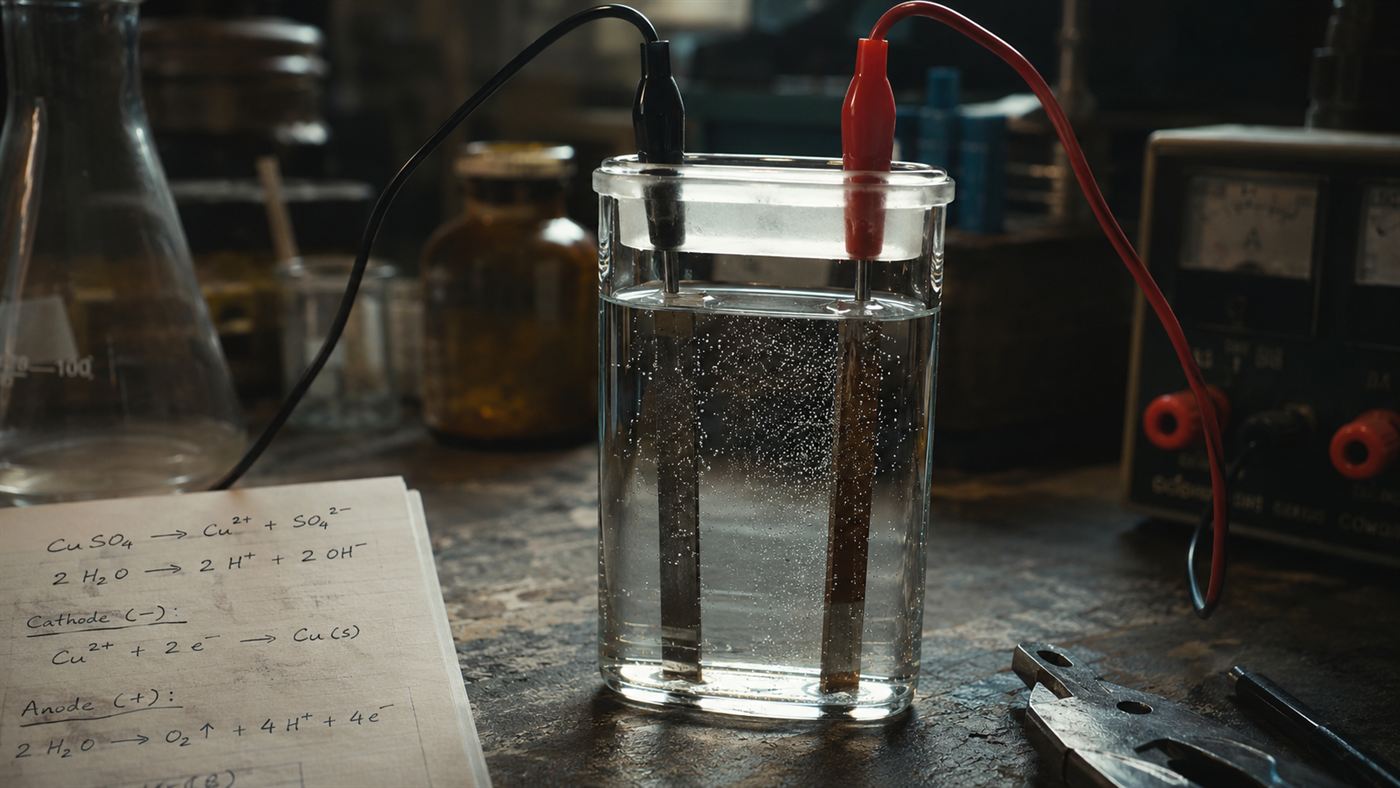
The promise was almost magical: limitless energy from a tabletop jar of water. Illustration: Watts & Wild.
Real nuclear fusion powers the stars, and it needs unimaginable heat and pressure to happen. The whole appeal of the 1989 claim was that it seemed to sidestep all of that. Cold fusion promised the limitless energy of the sun without the sun's conditions, achieved quietly at room temperature, and that promise was simply too good to resist.
It is a story about hope, haste, and the unglamorous power of checking your work.
What cold fusion promised
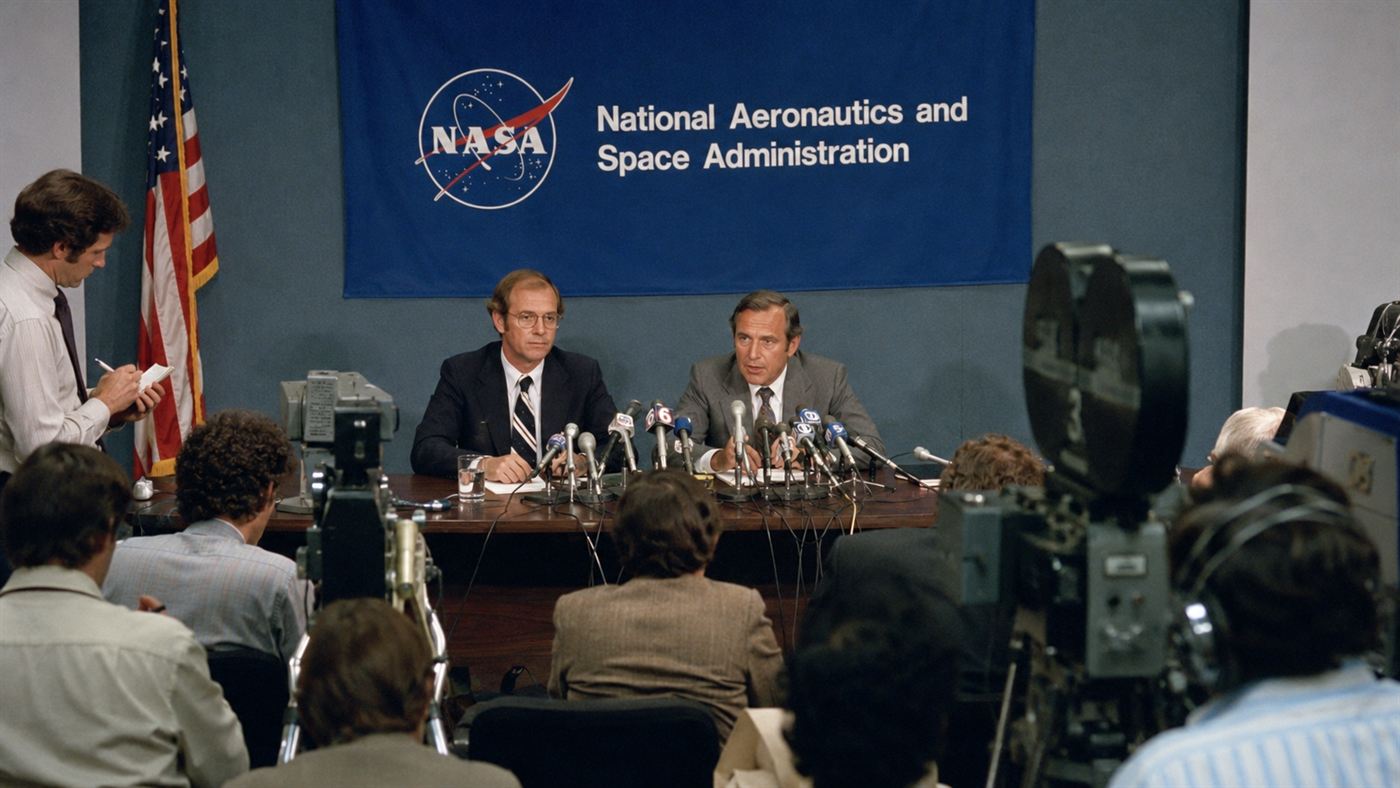
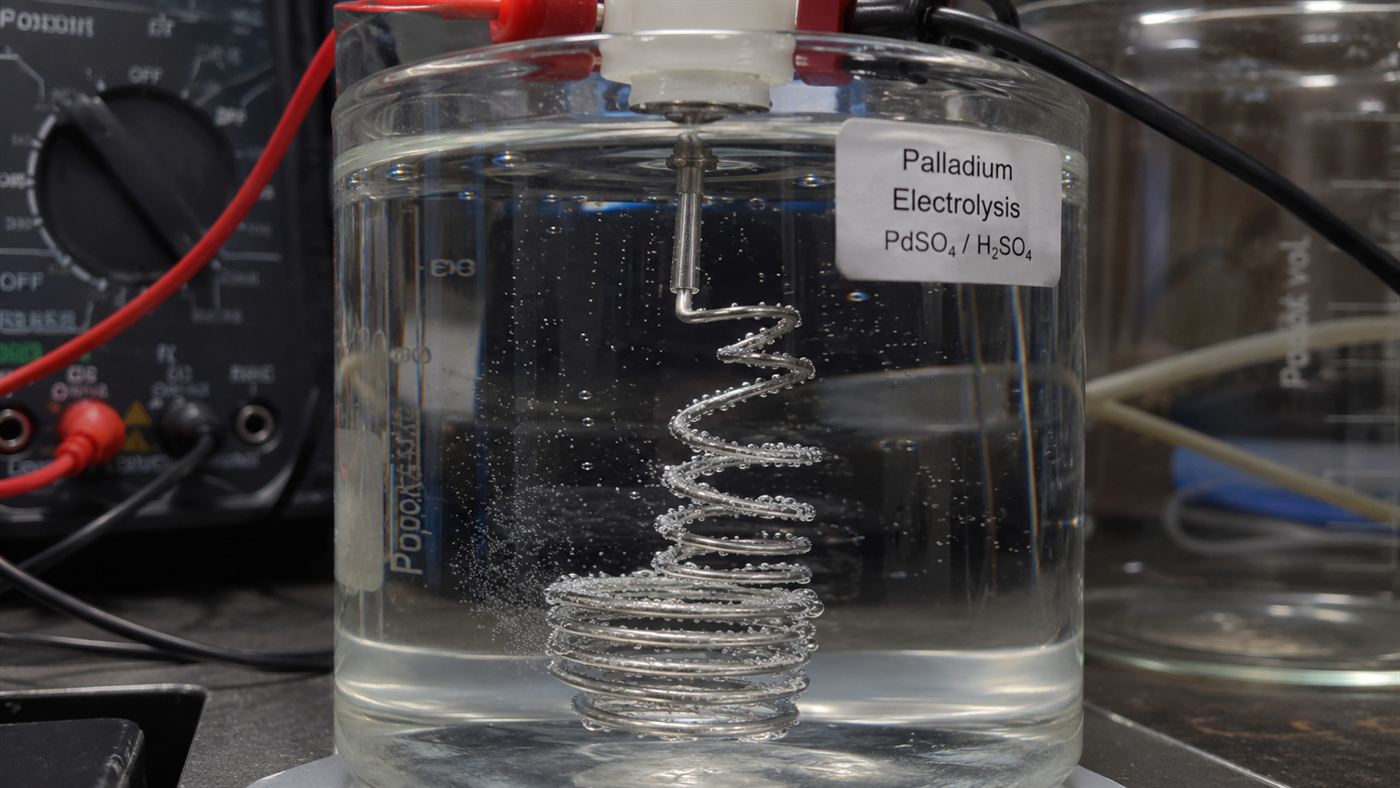
On a spring day in 1989, two respected electrochemists called a press conference at their American university and announced something extraordinary. Cold fusion, they said, had been produced in a simple tabletop cell, by passing an electric current through heavy water using a palladium electrode, which gave off more heat than any ordinary chemistry could explain.
If true, the implications were staggering. The fuel was a form of water, the apparatus was cheap, and the process ran at room temperature. It seemed to offer a near-endless supply of clean power that any decent laboratory, and one day perhaps any home, might produce. Within hours the news raced around the planet, and a wave of excitement swept through governments, investors and scientists alike.
The race to repeat it
That last detail, the press conference, was itself a problem. Big claims in science are normally written up so other experts can scrutinise them first, but here the world heard the news before the careful details were available. Laboratories everywhere dropped what they were doing and raced to reproduce the cold fusion result, working from sketchy information and enormous hope.
For a few heady weeks, the situation was chaotic. A handful of teams reported seeing something; others saw nothing at all. Rumours flew, reputations were staked, and the pressure to either confirm or kill the discovery was intense. Everyone understood that if it were real, it would be one of the most important findings in human history, and if it were not, a great many people were about to be badly embarrassed.
When the dream fell apart
Slowly, the weight of evidence tipped the wrong way. Most laboratories found no excess heat at all, the telltale radiation that genuine fusion must release was absent, and flaws turned up in how the original measurements had been made.
The missing radiation was especially damning. Real fusion on the scale claimed would have flooded the lab with neutrons, enough to seriously harm the people standing next to it. The fact that the experimenters were perfectly healthy was a quiet, devastating clue that no such reaction was taking place. By the end of 1989, the scientific community had largely concluded that cold fusion, as announced, was not real, and the two chemists who had promised the world saw their reputations collapse.
What is cold fusion?
At heart it is a beautiful idea that nature does not seem to grant. Cold fusion would mean coaxing atomic nuclei to merge and release energy at everyday temperatures, instead of the millions of degrees that real fusion demands, and so far nothing has shown it can actually be done.
The appeal has never quite died. A small community of researchers still hunts for low-energy nuclear reactions, hoping there is some overlooked effect in the original work. But more than three decades on, no reliable, repeatable demonstration has appeared, and mainstream science continues to regard the 1989 claim as a mistake.
Why did cold fusion fail?
Mostly because it could not be reproduced, which is the one test every real discovery has to pass. When experiment after experiment failed to find the heat or the radiation, the only honest conclusion was that the original result had been an error rather than a breakthrough.
One fair point keeps the story human. This was most likely not a deliberate hoax but a case of careful scientists fooling themselves, misreading delicate heat measurements while desperately wanting an astonishing result to be true. Their real mistake was announcing it to the world before letting others check. Cold fusion endures as a warning, not about dreaming big, but about the discipline of proving it, slowly and publicly, before you celebrate. It is worth adding that ordinary, high-temperature fusion research, the serious quest to copy the sun, is a completely separate and respectable field that continues to this day.
For a few weeks the world thought its energy problems were solved by a jar of water, and then careful science took it all back. Are we too quick to believe a wonderful claim, and too slow to celebrate the unglamorous work of checking it? Tell us what you think in the comments.
Related reading: EBR-1, the reactor that really did make the first nuclear electricity, four light bulbs at a time, and the Gimli Glider, the airliner that ran out of fuel in mid-air and glided to safety. See also LK-99, the 2023 room-temperature superconductor claim that fell apart in weeks.