The nuclear age began with four light bulbs glowing in a hut in the Idaho desert
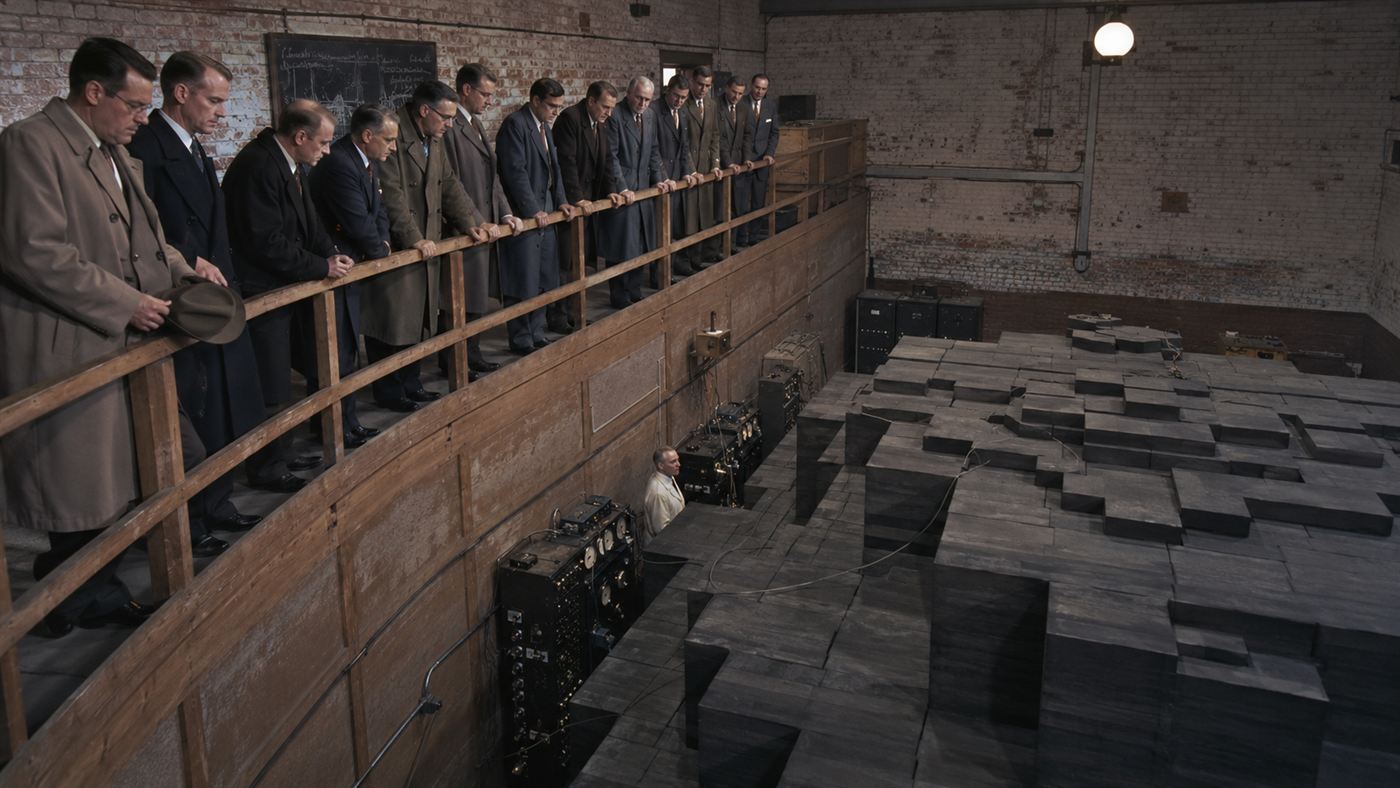
There was no roar, no mushroom cloud, no crowd. Just a handful of scientists in a low building in the middle of nowhere, watching four ordinary light bulbs flicker on. In that quiet moment, the entire future of nuclear power was switched on. EBR-1 was the first machine to turn the atom into everyday electricity.
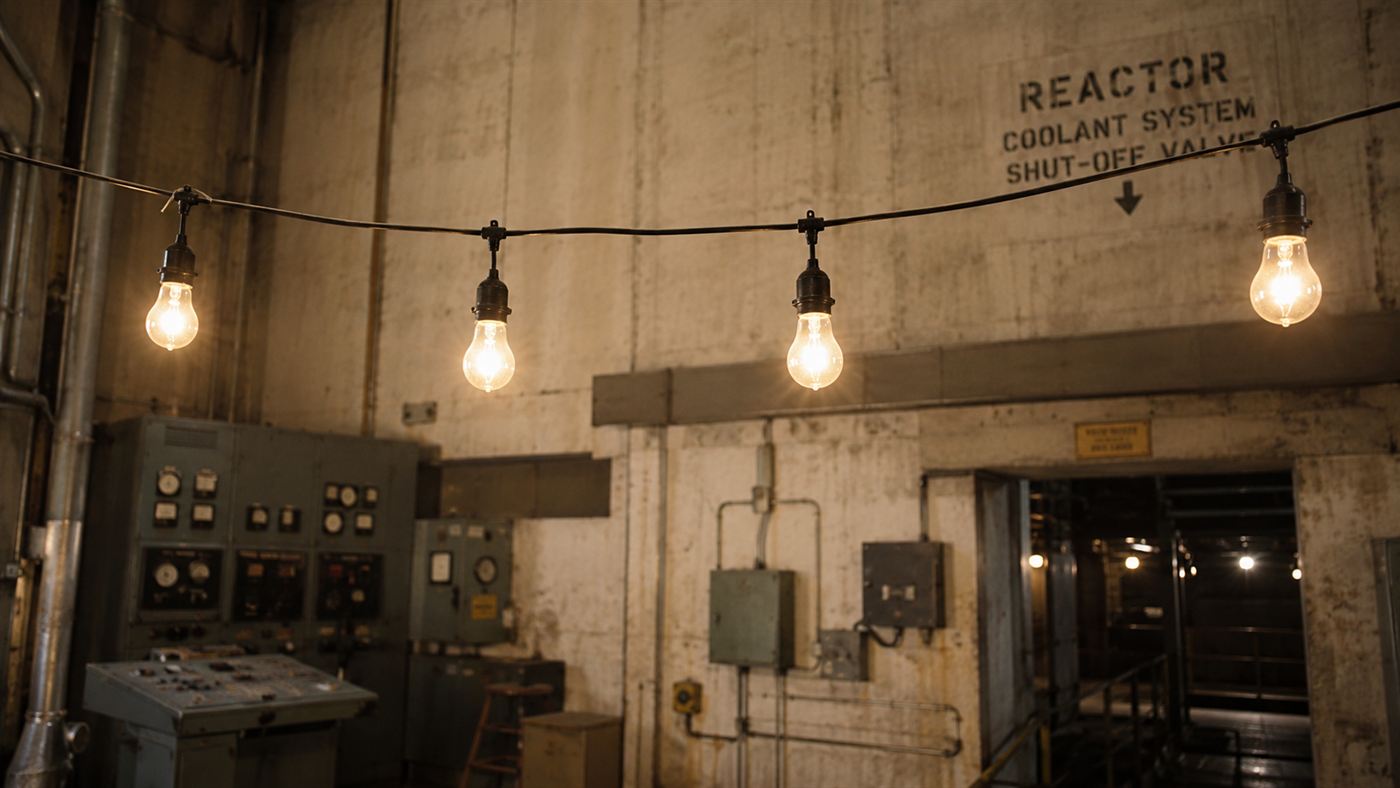
Four bulbs lighting up: the modest birth of the nuclear power age. Illustration: Watts & Wild.
When most people picture the dawn of the atomic age, they think of weapons. EBR-1 is the reminder that the very same era produced something far more hopeful: the first proof that a nuclear reactor could quietly keep the lights on.
Its story runs from a triumphant string of light bulbs to a tense afternoon when half of it melted, and it is one of the most important chapters in the history of energy.
What EBR-1 proved in the desert
On a winter afternoon in December 1951, in the high desert of Idaho, a team of scientists led by the physicist Walter Zinn fed the power from their experimental reactor into a simple circuit. EBR-1 lit four light bulbs that day, becoming the first reactor in the world to generate usable electricity from nuclear energy.
It was a tiny amount of power, barely enough to light a small room, but the meaning was enormous. The next day the reactor was generating enough to run its own building. The scientists were so aware of the moment that they chalked their names on the concrete wall beside the generator, signing the spot where nuclear electricity was born. A technology that had announced itself to the world as a bomb had just shown it could also be a power plant.
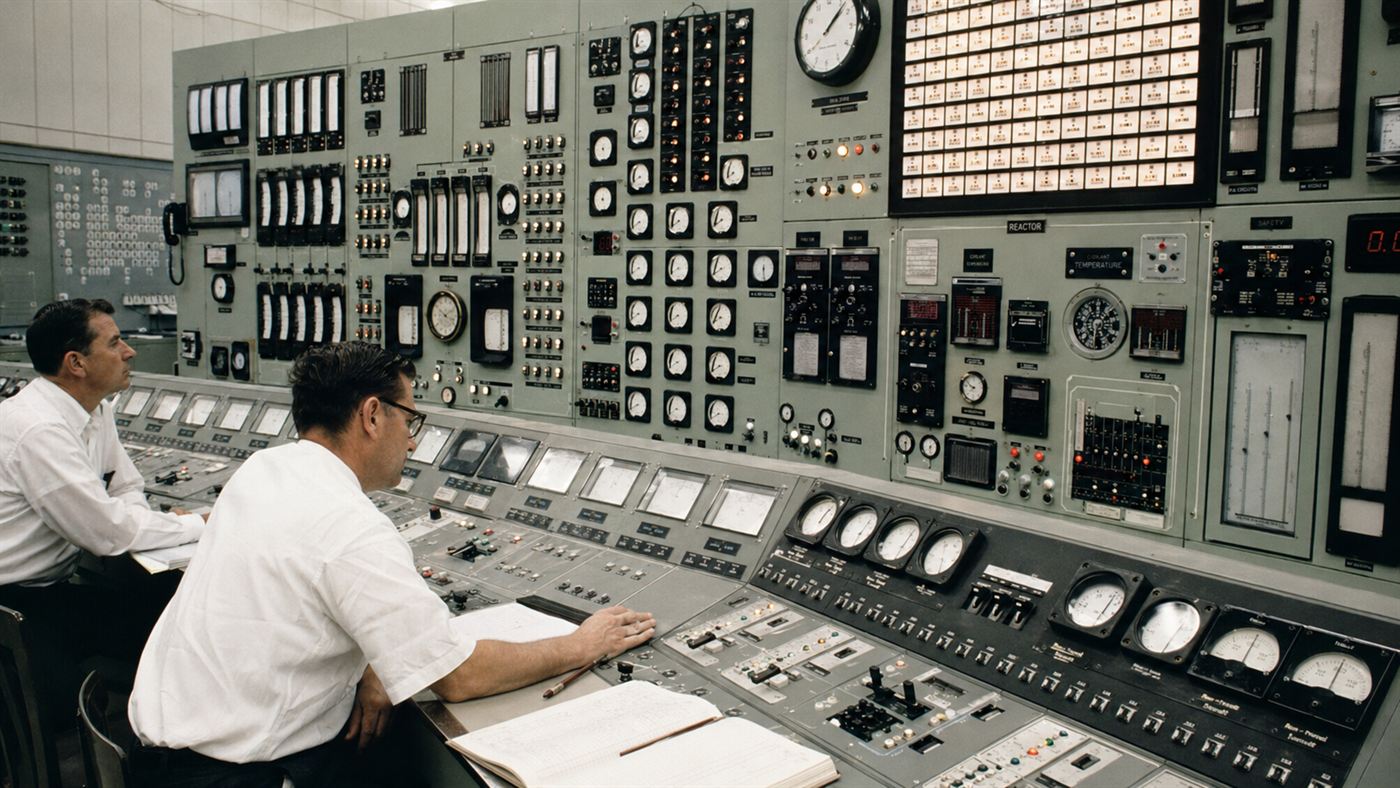
A reactor that made its own fuel
EBR-1 was not just any reactor; the B in its name stood for breeder, and that was its real ambition. Within a couple of years, EBR-1 proved the breeder principle, generating power while also producing more nuclear fuel than it used up.
That idea sounds almost like cheating: a machine that creates more of the very fuel it burns. It works because the reactor can turn an abundant, otherwise unusable form of uranium into plutonium that can itself be split for energy. For a world worried about running out of nuclear fuel, a reactor that breeds its own was a tantalising promise, and EBR-1 showed it was genuinely possible.
America's first meltdown
The little reactor also earned a grimmer place in history. In 1955, during a deliberate experiment to study how it behaved as its coolant flow changed, things went further than intended. A delay in shutting EBR-1 down let it overheat badly, and around half of its core melted before the reactor was finally stopped.
It was one of the earliest partial meltdowns of a nuclear reactor, and it could have been a disaster. Instead, crucially, it was contained: no one was injured, and the damage stayed inside the building. Engineers later studied the melted core in detail to learn exactly what had gone wrong, and the reactor was repaired and kept running for years afterwards. The accident became an early, hard-won lesson in reactor safety rather than a tragedy.
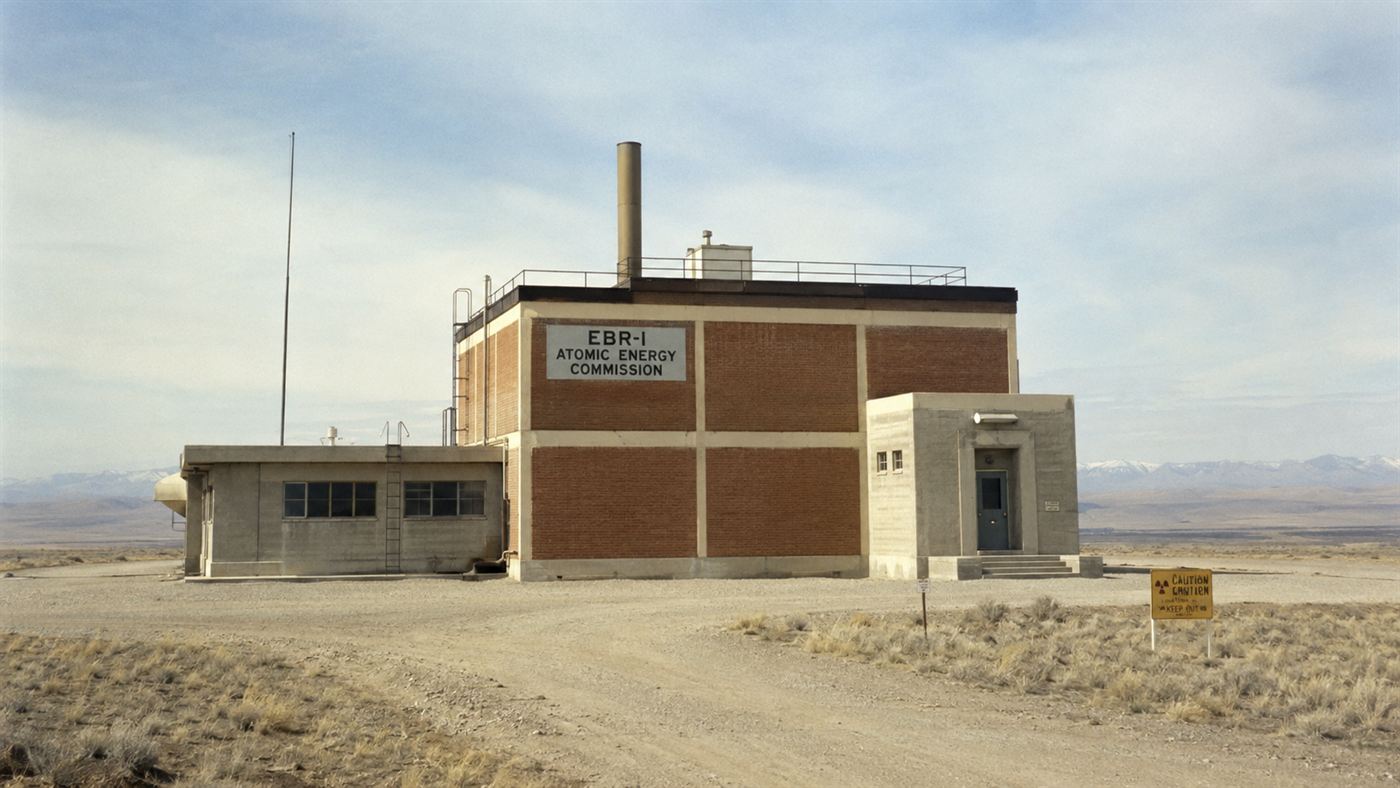
What was EBR-1?
It was a small experiment that opened an enormous door. EBR-1 proved two things the world urgently wanted to know: that a reactor could make electricity at all, and that it might even breed its own fuel to keep going.
Everything that followed, the great power stations that now provide a large share of the world's low-carbon electricity, traces back in a direct line to those four bulbs in the desert. The reactor itself is preserved today as a historic landmark, a quiet monument to the afternoon the atom started doing ordinary, useful work.
Did EBR-1 ever melt down?
It did, in the contained accident of 1955, when roughly half its core melted during a test. The meltdown was serious but stayed under control, harming no one, and it taught early nuclear engineers vital lessons about how reactors can misbehave.
One honest clarification keeps the milestone in proportion. EBR-1 was an experiment, not a commercial power plant, and its four bulbs were a demonstration rather than a working supply for homes; the first reactors built to feed real electricity grids came a few years later. But the point it made on that December day stands undiminished: the age of nuclear power did not begin with a bang, but with a gentle, steady glow.
An energy source that has powered cities and stirred fierce argument ever since began with four bulbs in a desert hut, and a few names chalked on a wall. Did the nuclear age take a wrong turn somewhere, or is that quiet glow still its truest promise? Tell us what you think in the comments.
Related reading: Chicago Pile-1, the secret reactor under a stadium that first proved a chain reaction could be controlled, and the Plumbbob manhole cover, the steel cap a nuclear test may have flung into space at 66 km/s.