For a few electric weeks in 2023 the whole world believed a Korean crystal called LK-99 was a room-temperature superconductor that would change everything, and then it quietly fell apart
In late July 2023, a grainy video of a small grey stone half-floating over a magnet became one of the most watched clips on the internet. The claim behind it was staggering: LK-99 was a room-temperature superconductor, the holy grail of physics. For about a month, the world let itself believe.
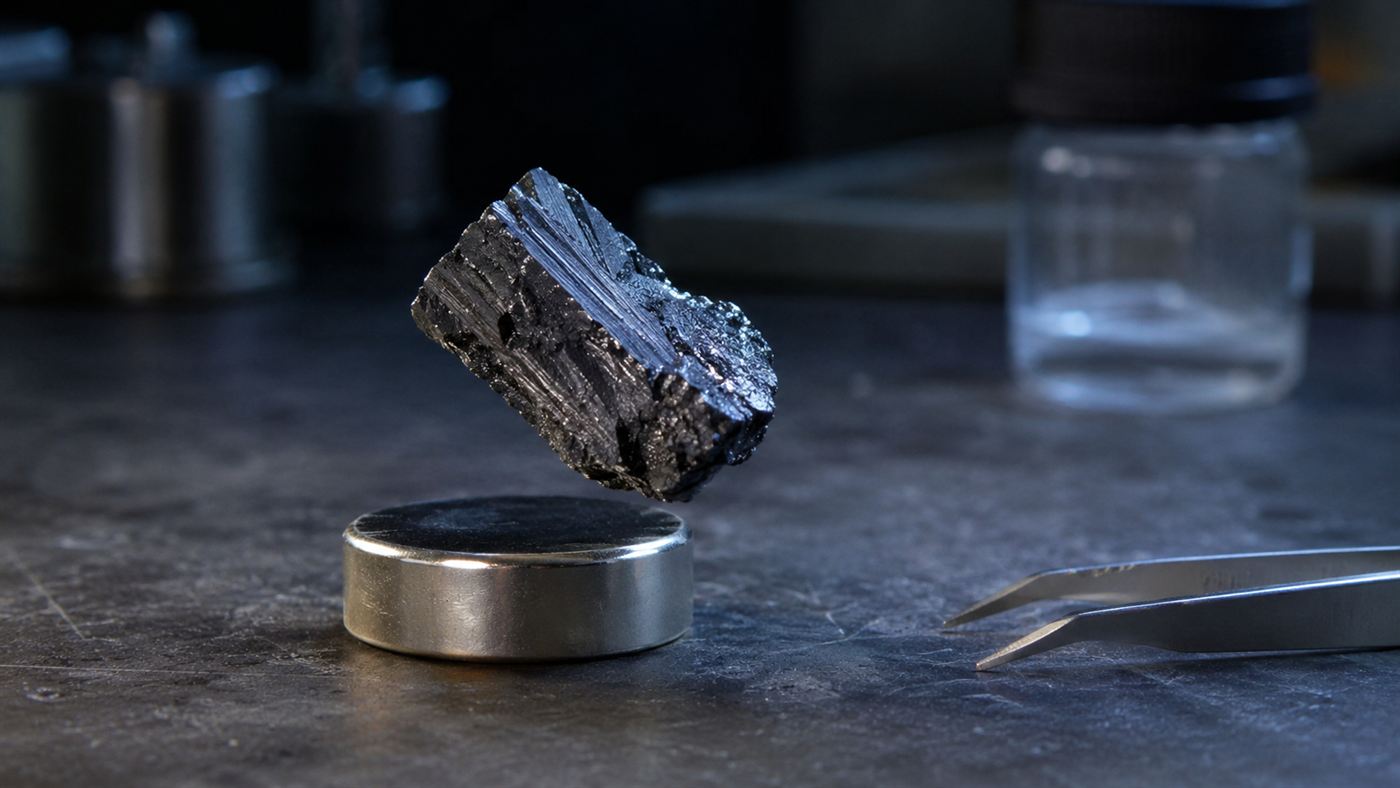
A fragment of LK-99 half-lifting over a magnet, the image that set off a global frenzy. Illustration: Watts & Wild.
LK-99 arrived without warning on July 22, 2023, when a small South Korean team led by Sukbae Lee and Ji-Hoon Kim posted a pair of preprints online. Their claim was the biggest a materials scientist can make: that they had created the first superconductor that works at room temperature and ordinary pressure, a lead-based compound anyone could bake in a lab. If it were true, it would rank among the most important discoveries in a century.
The short version: In July 2023 a Korean team claimed LK-99, a copper-doped lead mineral, was the first room-temperature superconductor. A viral video of a levitating sample triggered a worldwide replication race. Within weeks, labs showed the effect came from a copper sulfide impurity and ordinary magnetism, not superconductivity. LK-99 was not the miracle it seemed.
Why a room-temperature superconductor would change the world
To understand the excitement, you have to know what a superconductor is. In an ordinary wire, electricity loses energy as heat because the metal resists its flow. A superconductor has zero electrical resistance, so current can run through it forever without losing a thing. We already have superconductors, but they only work when chilled to brutally cold temperatures or squeezed under crushing pressure, which makes them expensive and rare.
A room-temperature superconductor that worked in normal conditions would be transformational. It would mean power lines that waste none of the electricity they carry, cheap and compact magnets for medical scanners, effortless magnetic levitation for trains, and a leap forward for computing and fusion. That is the prize LK-99 seemed to offer, which is exactly why the claim spread like wildfire before anyone had checked it, the same intoxicating promise that once surrounded cold fusion.
The world raced to copy it
What happened next was science at internet speed. Because LK-99 was supposedly easy and cheap to make, laboratories all over the world, in China, the United States, India, and beyond, dropped what they were doing and started synthesizing it within days. Amateur enthusiasts followed along in real time on social media, stock prices of anything superconductor-related jumped, and every new blurry levitation clip was dissected by millions.
For a giddy couple of weeks it genuinely seemed possible that the future had arrived in a Korean lab. Each partial success and each failure was posted, argued over, and revised in public, a global experiment running out in the open. It was thrilling to watch, and it was also, though few wanted to admit it, moving far faster than careful science usually allows.
Why LK-99 fell apart
The dream dissolved almost as fast as it formed. As ScienceAlert summarized the verdict, by mid-August the consensus was that LK-99 is not a superconductor, and that in its pure form it is actually an insulator, the opposite of a perfect conductor. The tell-tale signs that had looked so promising turned out to have far more ordinary explanations.
The sharp drop in electrical resistance that mimicked superconductivity was traced to a contaminant. During the synthesis, a copper sulfide impurity forms, and copper sulfide happens to undergo a sudden change in its resistance around 112 degrees Celsius, producing exactly the kind of dramatic dip that can fool you into thinking you have made a superconductor. The physics was real, but it was the physics of a common impurity, not of a revolutionary new material.
The half-levitation was the tell
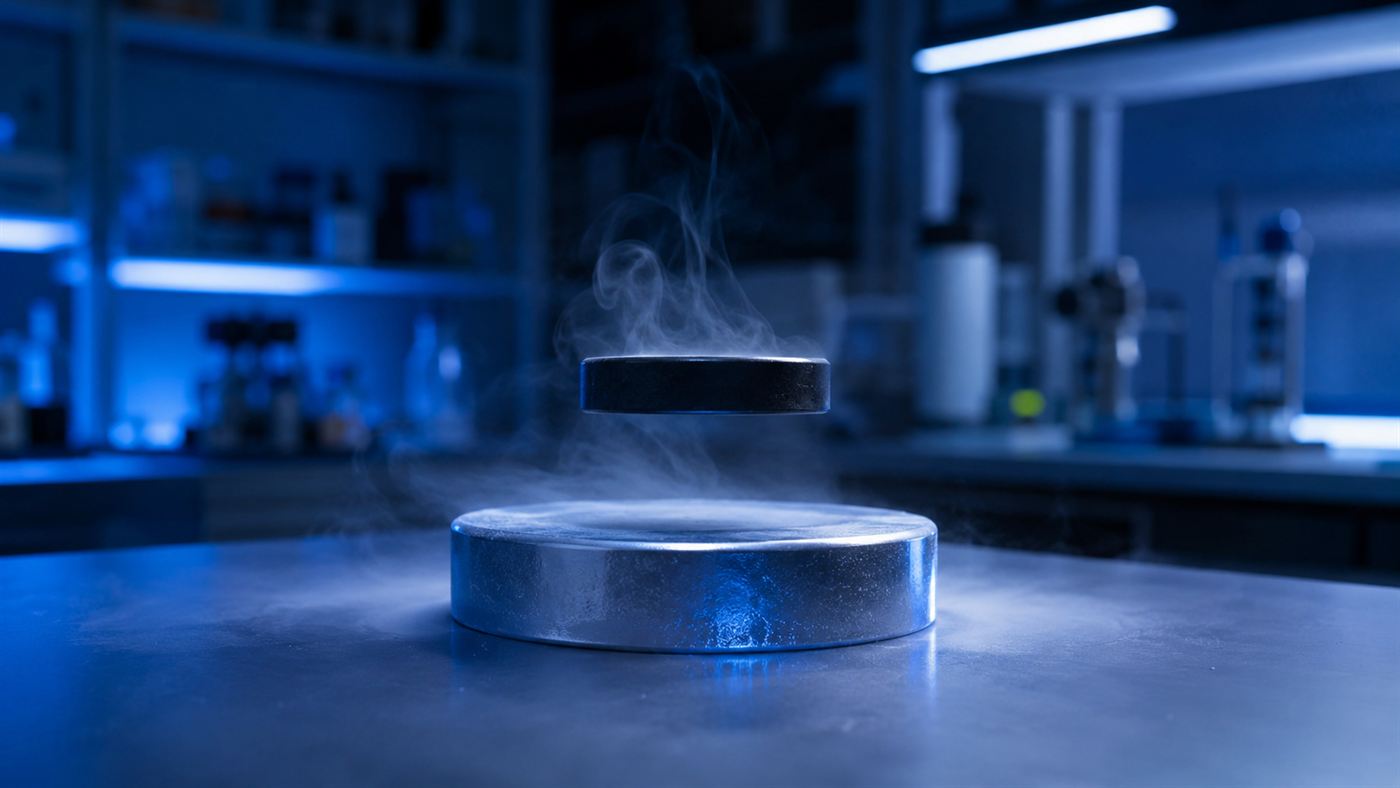
The most famous evidence turned out to be the most misleading. A true superconductor does not just wobble over a magnet, it floats freely and stably, held in the air by the Meissner effect, in which the material expels magnetic fields entirely. That is the eerie, rock-solid hovering you see in physics demonstrations.
LK-99 never did that. In every video the sample only half-lifted, tilting up on one edge while the other stayed stuck to the magnet. As researchers writing in The Conversation explained, that lopsided hover was a sign of plain ferromagnetism, the same everyday magnetism found in iron, not superconductivity. The very image that convinced the world was, to a trained eye, the clue that something was off.

The honest catch
It is tempting to file LK-99 under embarrassing failure, but that misreads what happened. There is little evidence of fraud. The most likely story is that a small team genuinely misinterpreted the strange behavior of an impure sample, an honest mistake in a fiendishly tricky corner of physics where even careful researchers get fooled. Extraordinary claims simply demand the extraordinary scrutiny that followed.
And in a real sense, the episode is a success story for science, not a black eye. A sensational claim was posted openly, and within weeks, not years, the world's laboratories had tested it to destruction and reached a clear answer, all in full public view. That is the scientific method working exactly as it should, just at unfamiliar speed. The dream of a true room-temperature superconductor is still out there, unclaimed and world-changing, and the frenzy over LK-99 was really a measure of how badly we want someone, someday, to actually find it.
The whole world wanted LK-99 to be real so badly that a half-levitating pebble briefly felt like the future, until careful science gently took it apart. Does the LK-99 saga make you trust science more, because it self-corrected so fast, or less, because the hype ran so far ahead of the proof? Tell us what you think in the comments.
Related reading: The 1989 cold fusion claim that promised limitless energy and collapsed under scrutiny. For a field where the hardware is finally catching up to the hype, see how quantum computing is nearing a real advantage in 2026.
More from Watts & Wild
More in Science & Tech →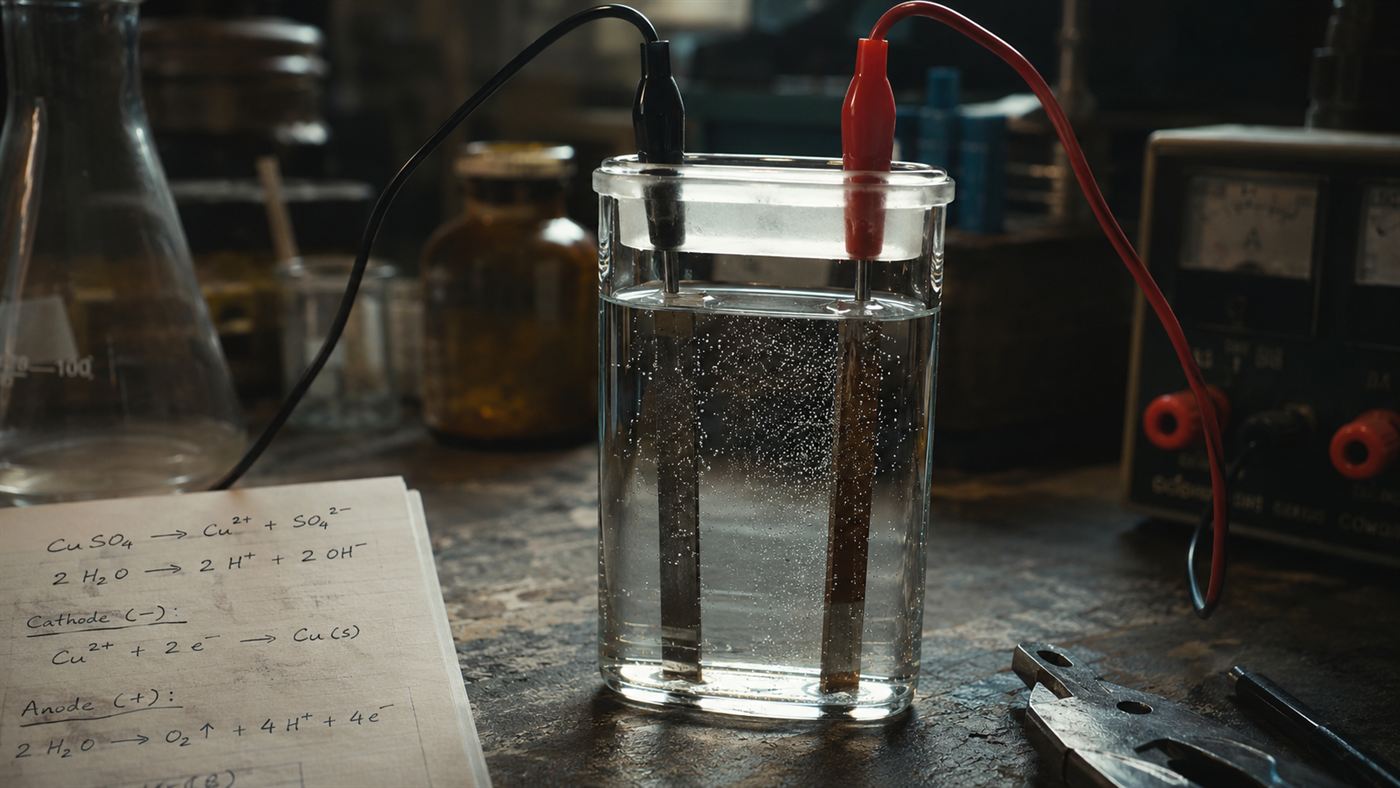


Maria covers heavy industry, mega-builds, and the science stories that briefly make the whole world hold its breath, for Watts & Wild.