The jet that ran out of fuel at 41,000 feet and glided to safety
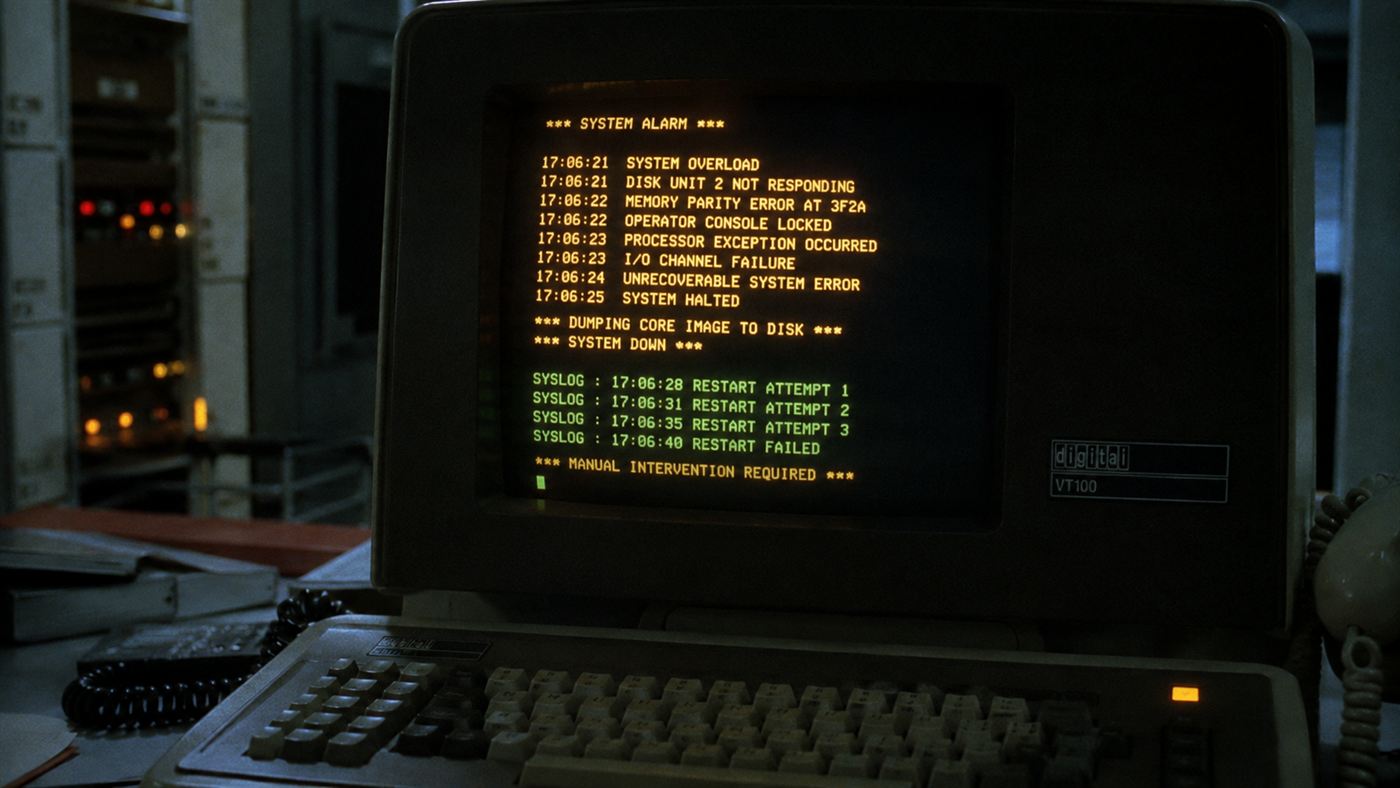
Halfway across Canada, at the cruising height where airliners are supposed to be at their safest, a brand-new Boeing 767 went quiet. First one engine died, then the other, and the cockpit screens went dark. The plane had simply run out of fuel in mid-air, with 69 people aboard. What happened next turned Air Canada Flight 143 into the legend of the Gimli Glider.
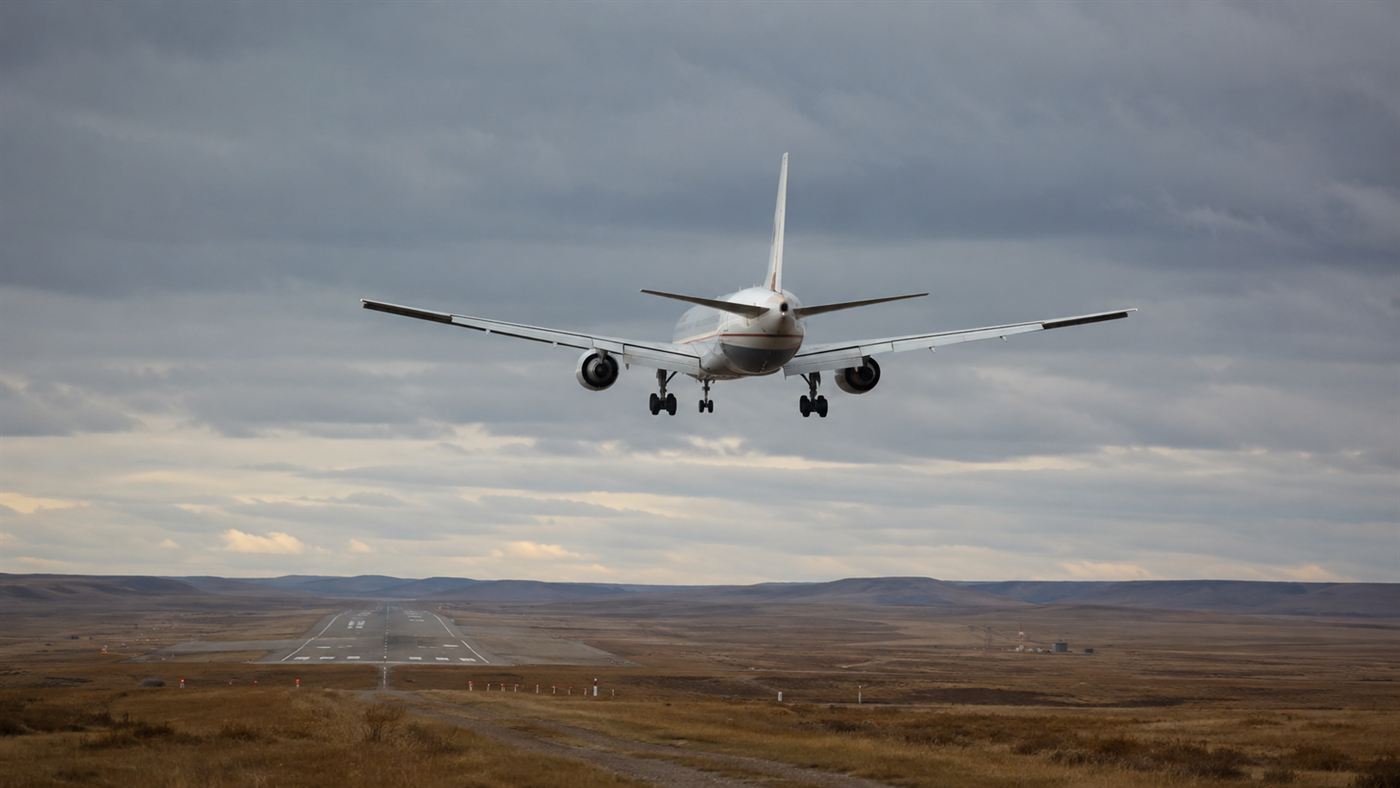
A wide-body jet with no engines is one of the heaviest gliders ever flown. Illustration: Watts & Wild.
Modern jets do not just fall out of the sky when their engines stop. They keep flying, trading height for distance, slowly sinking toward the ground. The crew of Flight 143 had to fly a 132-ton airliner with no power, no normal instruments, and no second chance, then put it down on a strip of old runway with people standing on it.
That they managed it without a single death is one of the most extraordinary stories in aviation. That they were in the situation at all came down to a simple mistake with units.
A routine flight to Edmonton
On 23 July 1983, Air Canada Flight 143 took off on a normal domestic run from Montreal toward Edmonton, with a stop in Ottawa. The aircraft was a Boeing 767, one of the airline's newest jets and the first in its fleet built to measure fuel in kilograms rather than pounds, as Canada moved over to the metric system.
That switch sounds trivial. It was not. The 767's fuel-quantity gauges were not working properly that day, so the crew could not simply read how much fuel was on board. Instead, the ground staff had to measure it by hand, dipping the tanks and doing the maths themselves, in an aircraft whose paperwork mixed old units and new.
How the Gimli Glider ran out of fuel
This is where the famous error crept in. To turn the volume of fuel in the tanks into a weight, the crew needed to multiply by the fuel's density in kilograms per litre. Instead they used the figure for pounds per litre, the old imperial number, and the mistake left the Gimli Glider carrying only about half the fuel it needed.
Everyone believed the tanks held enough to reach Edmonton with margin to spare. In reality the jet was running on a tank that would empty long before the destination. The calculations all looked tidy and correct, which is exactly what made the error so dangerous: nothing on board flagged that the plane was quietly flying itself toward empty.
Flying a 132-ton glider
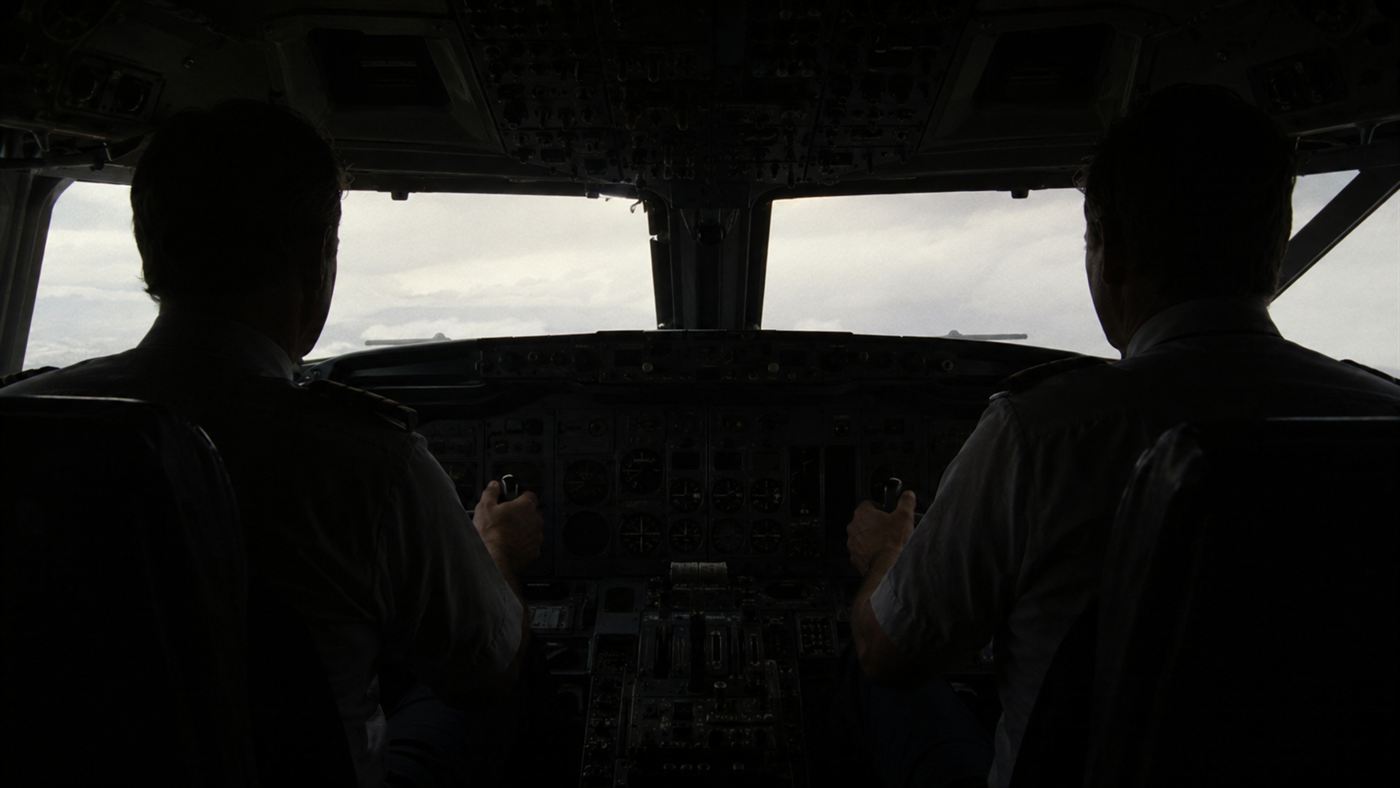
High over Red Lake, Ontario, the warnings began, and then the engines flamed out one after the other. With no engines, most of the cockpit instruments went dark, and the big jet was suddenly a glider. Captain Robert Pearson happened to be an experienced glider pilot, and that rare skill became the difference between a tragedy and a landing.
A small emergency turbine dropped into the airflow to give just enough hydraulic power to move the controls. First Officer Maurice Quintal worked out that they could never reach Winnipeg, then remembered Gimli, a former air force base he had once known, now closer and just within gliding range. To bleed off extra height without engines, Pearson used a steep sideways slip, a manoeuvre straight out of light gliding that few airline pilots would ever dare in a wide-body jet.
A racetrack full of people
There was one more twist waiting at Gimli. The old runway the crew were aiming for had been turned into a motorsport park, and that very day it was crowded with race cars, go-karts, and families camped beside the strip. The pilots were gliding a silent airliner straight toward a place full of people who had no idea it was coming.
Pearson brought the 767 down hard onto the strip. The nose landing gear had not locked, and it collapsed on touchdown, which actually helped, dragging the nose along the ground and slowing the jet before it could reach the crowd. The plane stopped with small fires near the front, and everyone got out down the rear slides with only minor injuries. Not one of the 69 people on board, and no one on the ground, was killed.
Why did the Gimli Glider run out of fuel?
Because of that unit mix-up, layered on top of a broken gauge. With the fuel indicators out of action and the new metric figures unfamiliar, the crew loaded the tanks using the wrong conversion factor and ended up with roughly half the fuel the flight required.
It is worth being fair about blame. Pearson and Quintal were at first held responsible, with the captain demoted and the first officer suspended, even though the deeper causes were systemic: a faulty fuel gauge, a confusing switch to metric units, and procedures that let a single arithmetic slip go unnoticed. In time the airmanship was recognised instead, and the two were given an international award for the skill of the landing.
Did anyone die on the Gimli Glider?
No, and that is the heart of why the story is remembered. All 61 passengers and 8 crew walked away from a wide-body jet that had run completely out of fuel and landed without engines, an outcome that could so easily have been a disaster.
The aircraft itself was repaired on the spot well enough to fly out a few days later, kept the nickname "Gimli Glider" for the rest of its career, and stayed in service for another quarter of a century. It is a strange kind of fame for an airliner, born not from a record or a route but from the day everything went wrong at once and a glider pilot happened to be in the left seat.
A single wrong number nearly cost 69 lives, and a single rare skill saved them. How many of the systems we trust every day are one quiet conversion error away from the same kind of test? Tell us what you think in the comments.
Related reading: cold fusion, the day two chemists thought a simple experiment had changed the world, and the Foucault pendulum, the swinging weight that let people watch the Earth turn.