American scientists expected Castle Bravo to be a routine hydrogen bomb test, but a single mistake about lithium made it explode nearly three times too big and poison the Pacific
On March 1, 1954, the United States set off the largest nuclear device it would ever detonate, and it was an accident of arithmetic. Castle Bravo was supposed to be powerful but predictable. Instead a buried error in the physics turned a weapons test into one of the worst radiological disasters of the century.
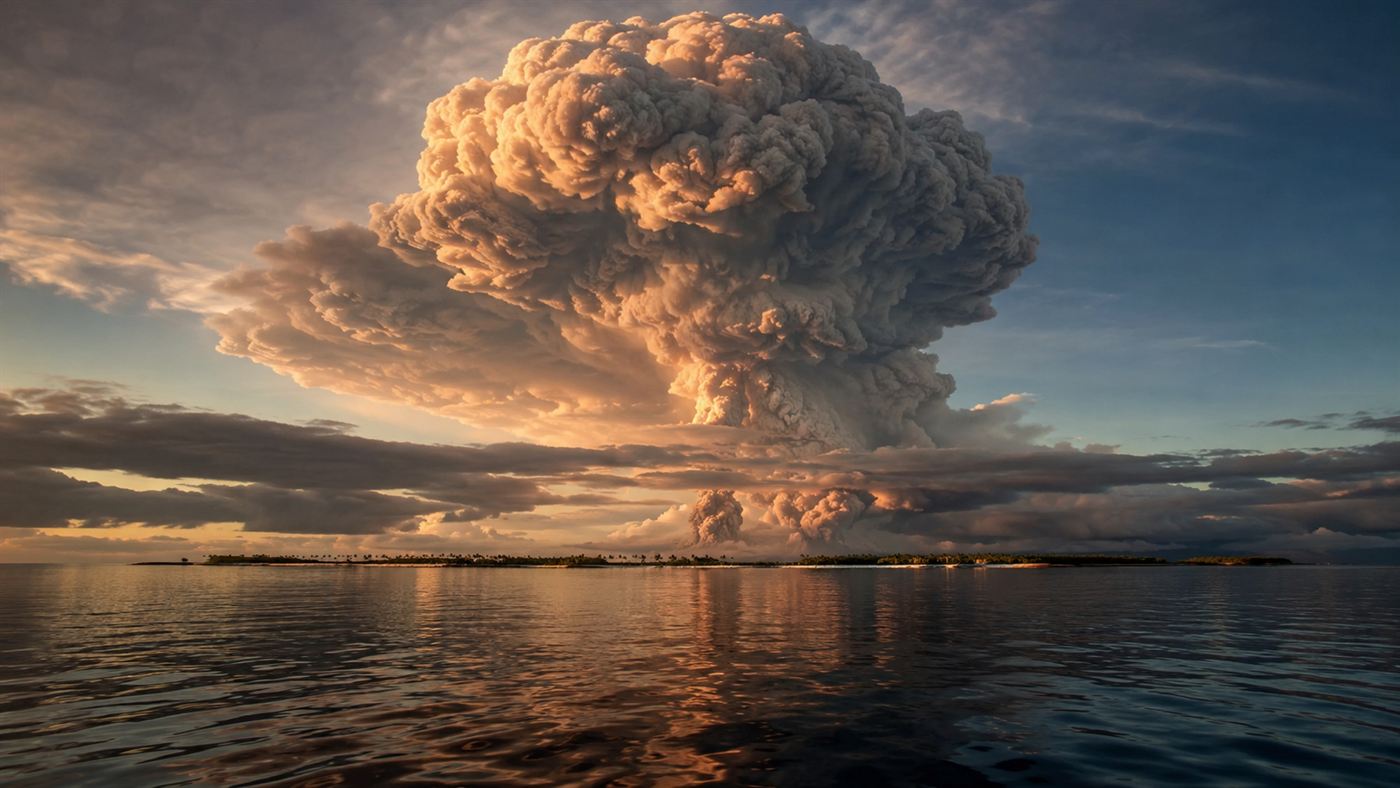
The Castle Bravo test produced the largest nuclear explosion in US history. Illustration: Watts & Wild.
The scientists who built Castle Bravo were among the smartest people alive, and they got the single most important number wrong. They expected their new hydrogen bomb to release the energy of about six million tons of TNT. When it went off over Bikini Atoll in the Pacific, it released fifteen million, and the wave of radiation that followed would reach people the planners had promised were safe.
As the National Security Archive has documented, Castle Bravo is remembered as the worst nuclear test in US history. Not because it failed, but because it worked far too well, in a way nobody had planned for, and turned a stretch of ocean and the people living around it into casualties of a miscalculation.
The short version: Castle Bravo was a US hydrogen bomb tested at Bikini Atoll on March 1, 1954. Designers expected about 6 megatons, but a wrong assumption about lithium made it detonate at 15, the largest US blast ever. The fallout spread far beyond the danger zone, sickening Marshall Islanders and a Japanese fishing crew, killing one man and helping launch the global anti-nuclear movement.
The biggest bang America ever made
Castle Bravo was the first test of a practical, deployable hydrogen bomb, one that used solid fuel instead of the unwieldy cryogenic equipment of earlier designs. That made it a milestone the military badly wanted. At 6:45 in the morning on March 1, 1954, it detonated on a reef at Bikini Atoll, part of the Marshall Islands in the central Pacific.
The blast was almost incomprehensibly large: roughly a thousand times the energy of the bomb that destroyed Hiroshima. It gouged a crater more than a kilometer and a half wide out of the reef and vaporized everything near ground zero. It remains the most powerful nuclear weapon the United States has ever set off. And it was, by its designers' own reckoning, a mistake more than twice as big as intended.
The mistake hidden in the lithium
The error lived in the bomb's fuel. The device used lithium deuteride, and its designers reasoned about the two forms of lithium it contained. They assumed that one of them, lithium-7, would sit out the reaction, contributing almost nothing to the yield. It was a reasonable-sounding assumption, and it was wrong.
Under the ferocious neutron flux of the exploding hydrogen bomb, the lithium-7 did not sit quietly. It broke apart and bred additional tritium, feeding the fusion reaction and pouring in energy the planners had never counted on. The result was a yield of around 15 megatons instead of the expected 6, a device that was, in effect, secretly two and a half times more powerful than the men who built it believed. Nature had a vote, and it overruled the math.
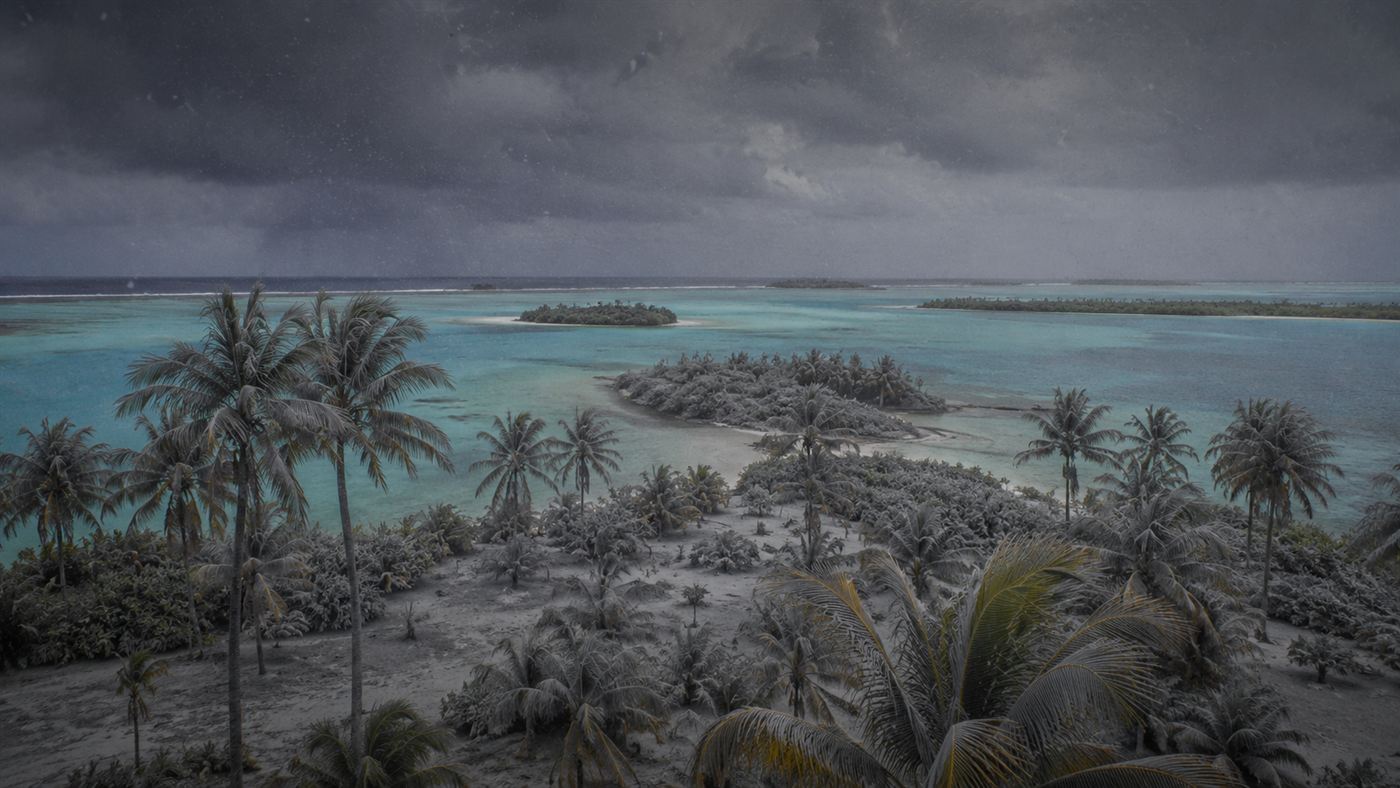
Snow that was not snow
Because the bomb was so much larger than expected, its fallout spread far past the zone the Americans had cleared. The explosion pulverized the coral reef and lofted it into the sky, and hours later it began to fall on inhabited atolls downwind. On Rongelap, about 180 kilometers away, the radioactive dust drifted down like snow. Children, who had never seen snow, ran out and played in it.
The consequences were terrible and long. Residents of Rongelap and Utirik were not evacuated until three days later, after they had already absorbed heavy doses, and many fell sick with the burns and nausea of acute radiation. In the years that followed came thyroid tumors, cancers and birth defects, and by the 1960s a majority of the Rongelap children exposed as youngsters had developed thyroid growths. Their nuclear fallout was not an abstraction, it was written into their bodies for the rest of their lives.
The Lucky Dragon and the death that changed everything
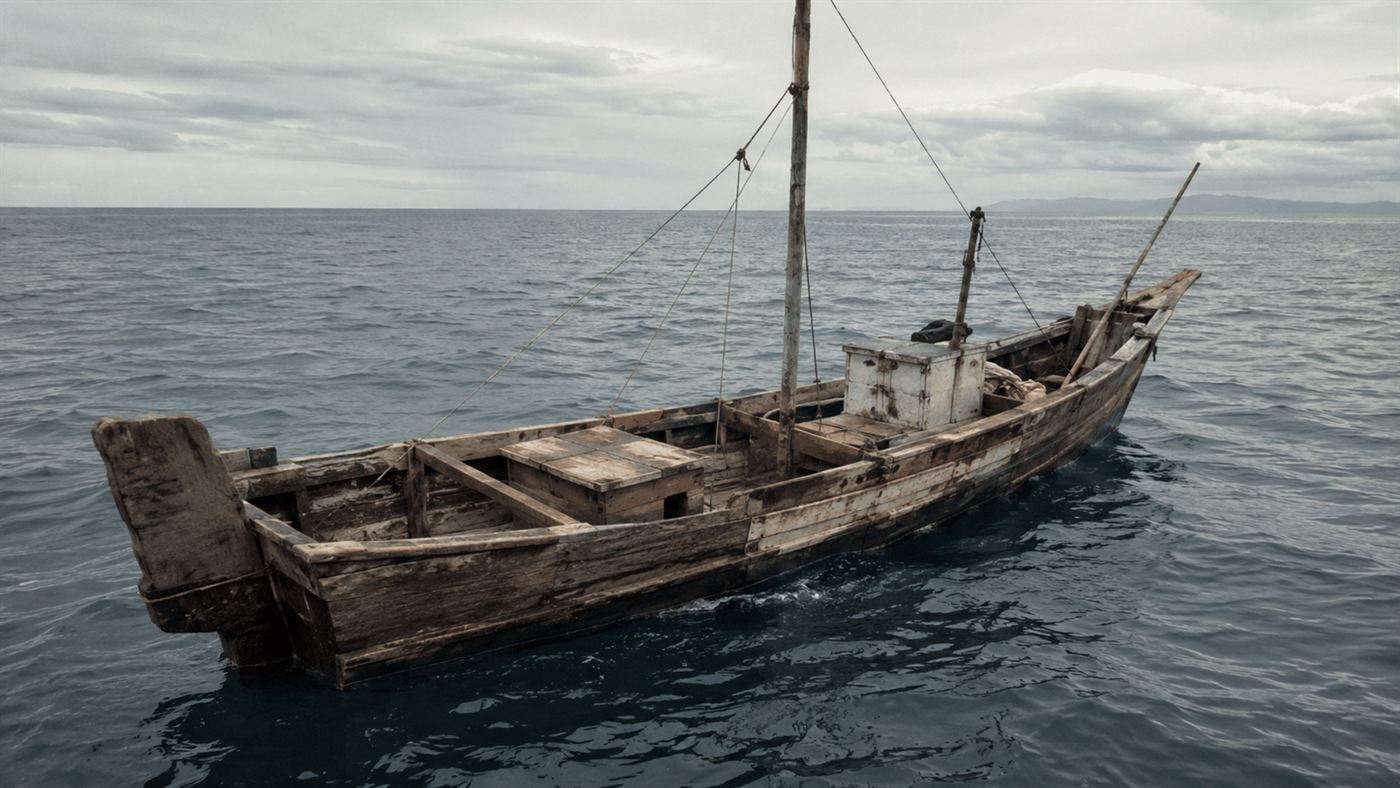
Far out at sea, well beyond the declared danger area, a Japanese tuna boat was hauling in its lines. The Lucky Dragon 5, or Daigo Fukuryu Maru, carried 23 fishermen, and hours after the blast a fine white ash began raining onto their decks. Not knowing what it was, some of the crew handled it with their bare hands. It was fallout, and every man aboard would fall ill.
As the record of the Daigo Fukuryu Maru shows, the boat's chief radioman, Aikichi Kuboyama, died that September of complications from radiation exposure. His death, and the panic over contaminated tuna reaching Japanese markets, set off a wave of anger and fear across a country that had already suffered two atomic bombings. That fear fed a global anti-nuclear movement, and it even echoed into culture: the terror of an unseen force rising from the Pacific helped inspire the original Godzilla, released later that same year.
What Castle Bravo left behind
The damage did not end when the mushroom cloud dispersed. In all, fallout from the test contaminated a string of islands and atolls, and for the Marshallese it began a displacement that has never fully ended. Rongelap was evacuated, resettled, and then abandoned again in 1985 when its people, still fearful, asked to be taken off the island altogether.
The wider Marshall Islands still live with the legacy of dozens of American tests, including a leaking concrete dome that entombs radioactive debris on another atoll. Compensation and cleanup have been fought over for decades, and trust was poisoned early, when the United States initially played down what had happened. Castle Bravo was over in seconds, but for the people beneath its cloud it never really ended.
The honest catch
It is easy, seventy years on, to tell this as a simple morality tale, and some caution is fair. This was the height of the Cold War, when both superpowers were racing to build ever larger weapons, and the scientists were not villains but people working at the edge of what anyone understood. The lithium error was a genuine gap in the physics of the time, not obvious negligence.
But none of that lifts the weight off the outcome. Real people were hurt, one man died, and islands were made unlivable, and the country responsible was slow to admit it. If there is a silver lining in the shock that pushed the world toward test bans, it belongs to the victims, not the bomb. The lasting lesson of Castle Bravo is humbling and simple: when you unleash forces this large, being almost right is not nearly good enough.
The largest bomb America ever built was that big by mistake, and people paid for the error. Does Castle Bravo show that some technologies are simply too dangerous to test on a living planet, or is human miscalculation the unavoidable price of pushing science forward? Tell us what you think in the comments.
Related reading: The plutonium core that killed two scientists in two separate accidents, or Camp Century, the secret nuclear city the US Army built inside the Greenland ice. See also the Trinity test, the first atomic blast that started it all.
More from Watts & Wild
More in Science & Tech →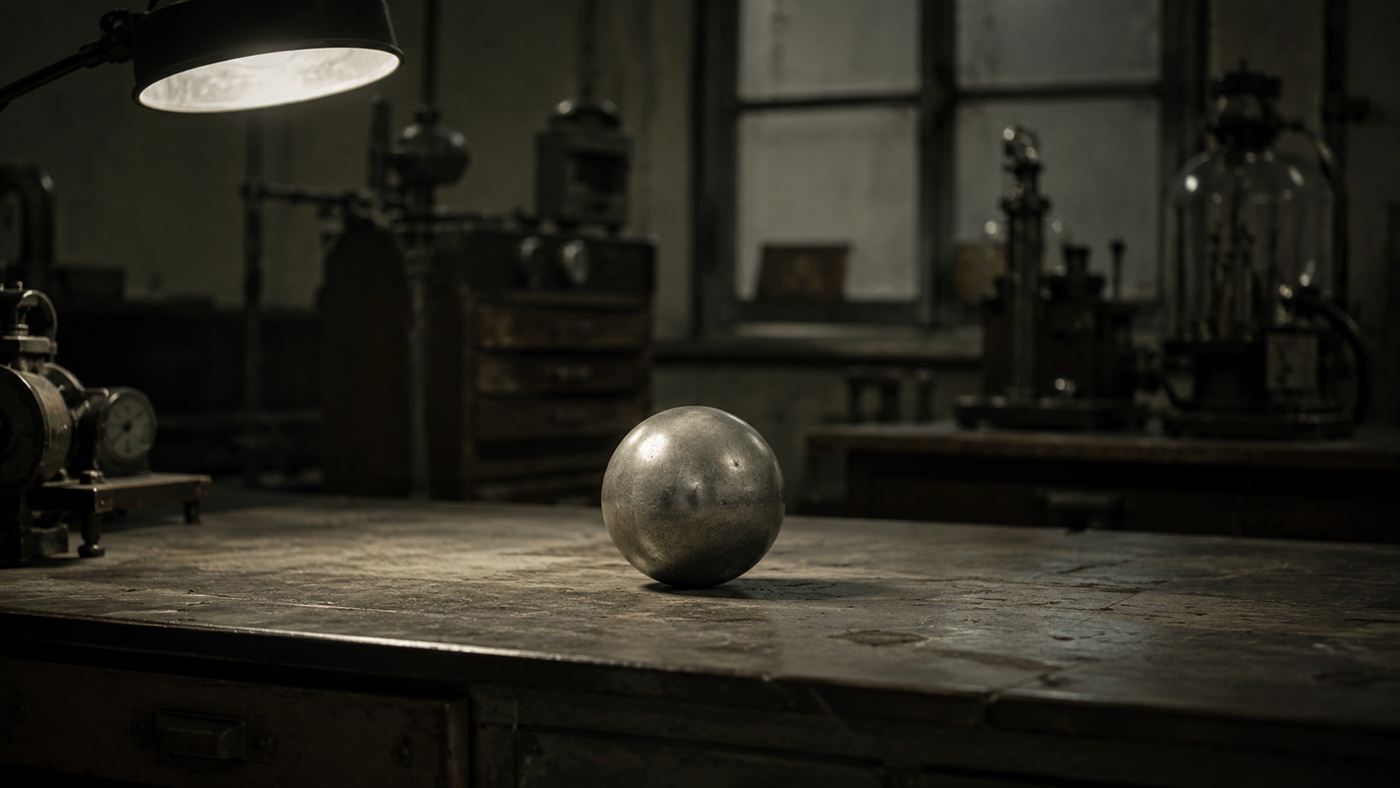

Bruno writes about energy history, industrial disasters, and the people who shaped the technologies we take for granted. He is based in Brazil.