The world's third-worst nuclear disaster happened in 1957, and the Soviets hid it for thirty years
Most people can name Chernobyl and Fukushima. Almost no one can name the catastrophe that ranks just behind them, even though it poisoned thousands of square miles and forced thousands from their homes. The Kyshtym disaster was one of the worst nuclear accidents in history, and for three decades the Soviet Union pretended it had never happened.
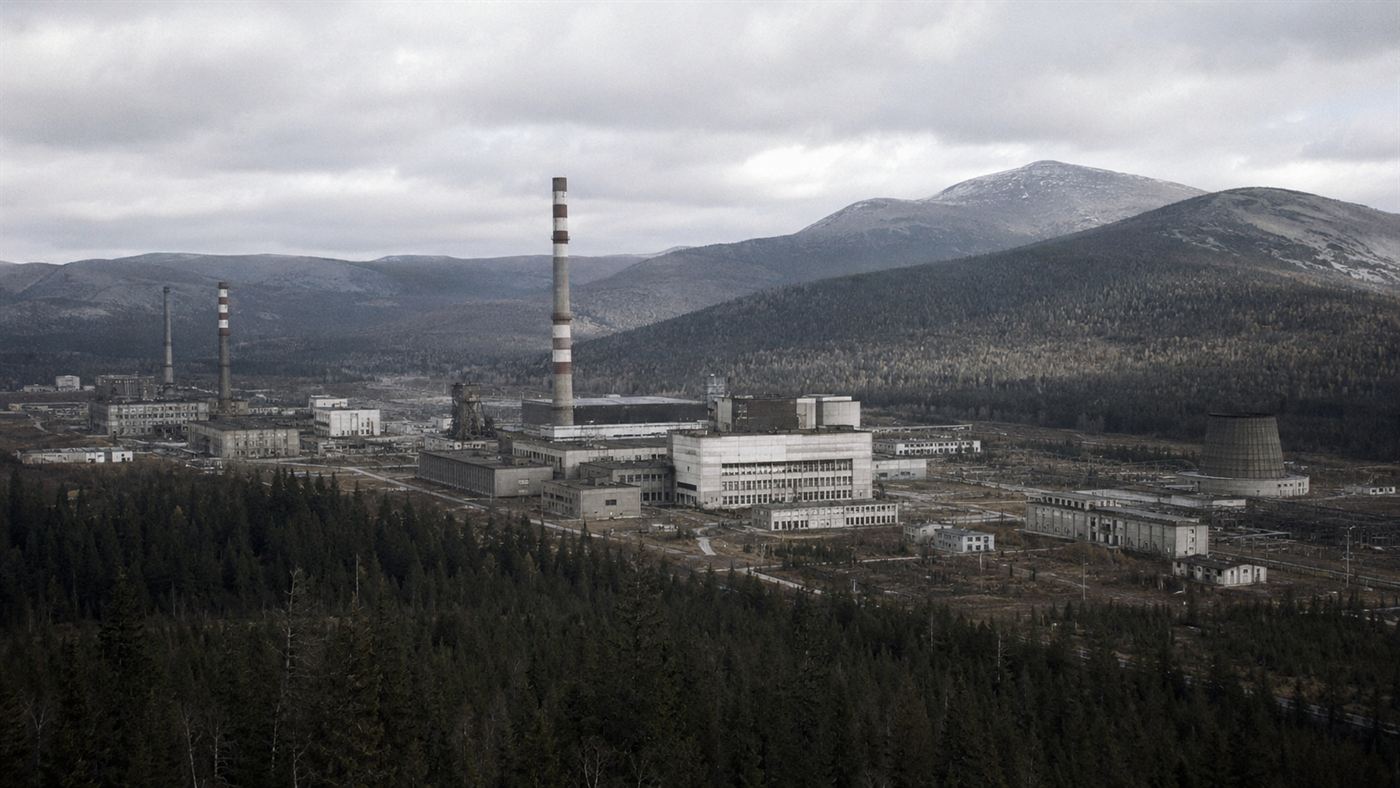
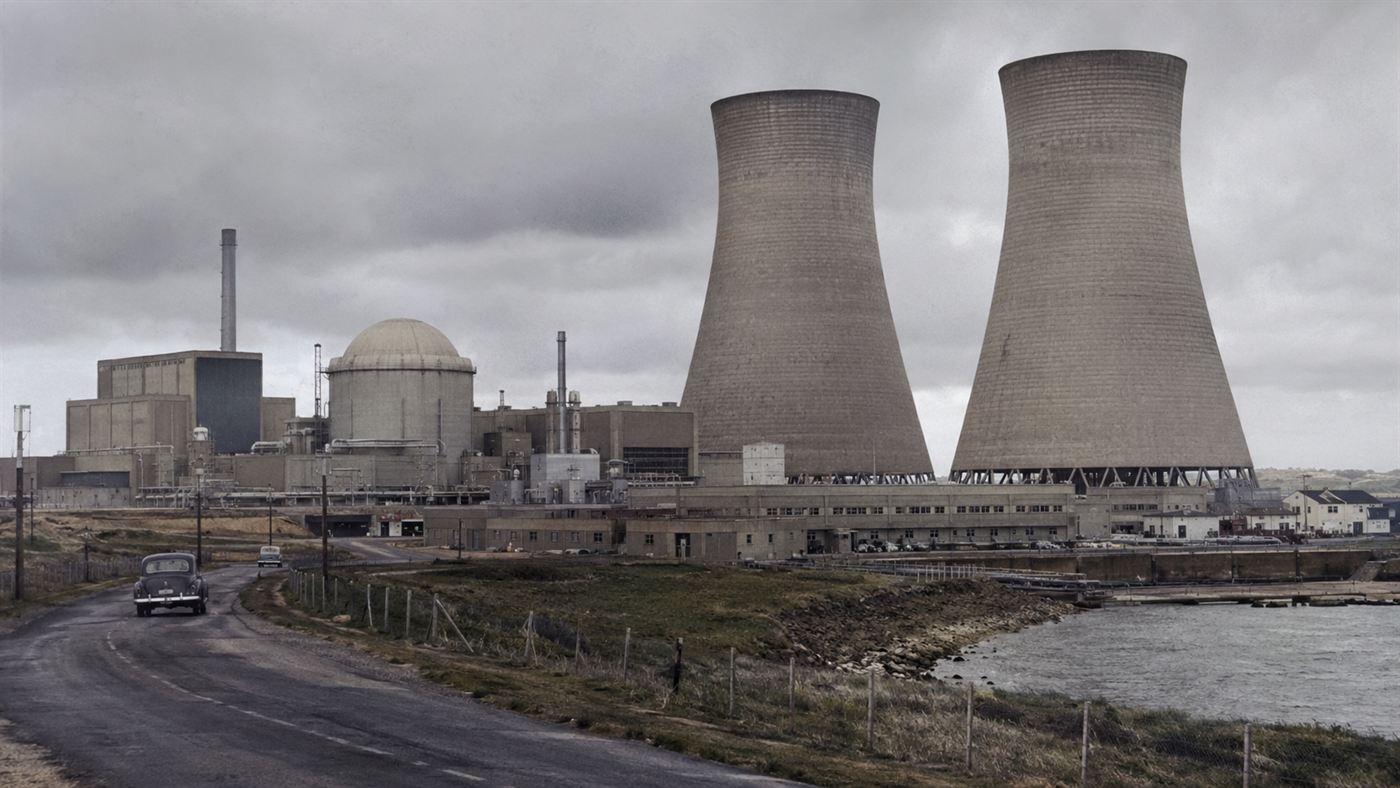
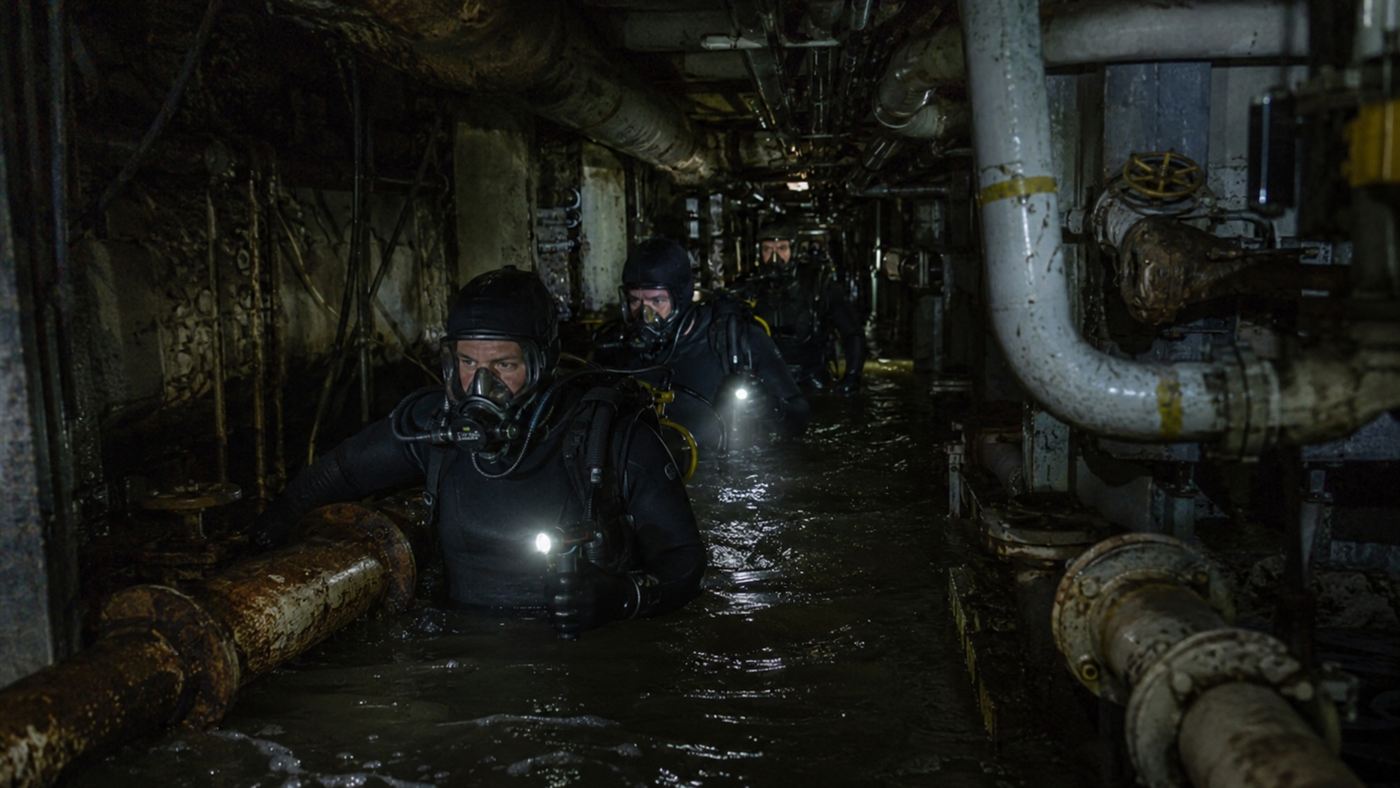
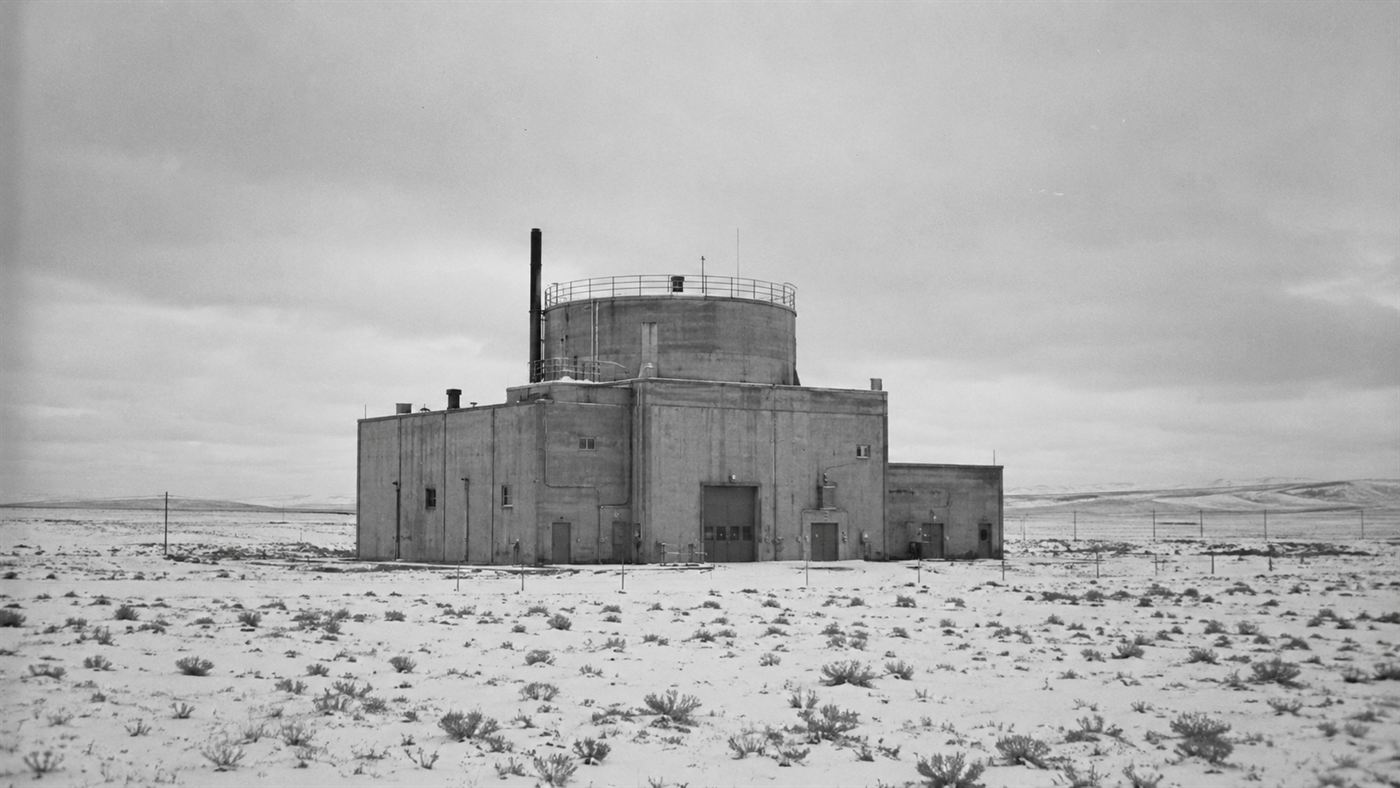
Deep in the Urals, a secret plant that did not officially exist suffered a disaster the world was not told about. Illustration: Watts & Wild.
It is one of the strangest gaps in the public memory of the nuclear age. The Kyshtym disaster released enormous amounts of radioactivity, ranks among the very worst nuclear accidents ever, and yet remains almost unknown outside the region it scarred. The reason is simple and chilling: it happened in a place that, as far as the official maps were concerned, did not exist.
This is the story of that hidden catastrophe, and of how more than one government decided the public was better off not knowing.
A plant that did not exist
The accident took place at Mayak, a vast plutonium-production complex built in the Ural Mountains after the Second World War to make material for Soviet nuclear weapons. It was so secret that the nearby closed city had no name on any map, and the whole site was simply not acknowledged to exist. Because outsiders could not refer to it directly, the disaster ended up named after the small town of Kyshtym some distance away.
Secrecy, speed and the ruthless priorities of the arms race shaped everything at Mayak, including how its dangerous waste was handled. The plant had already been quietly pouring radioactive waste into a local river and lake for years. The 1957 accident was the moment that recklessness exploded, quite literally, into the open.
What caused the Kyshtym disaster
The trouble started with a single tank. High-level liquid radioactive waste was stored in steel containers buried in concrete, and these had to be constantly cooled, because the waste generates heat all on its own. When the cooling system on one tank failed and was not fixed, the waste inside, around eighty tonnes of it, slowly heated up, dried out, and the chemical salts left behind detonated with the force of dozens of tonnes of explosive.
The blast, on 29 September 1957, was a chemical explosion rather than a nuclear one, but the effect was devastating. It blew the heavy concrete lid clean off the tank and hurled a huge cloud of radioactive material high into the sky. There was no mushroom cloud and no warning, just a sudden, violent release of poison from deep underground.
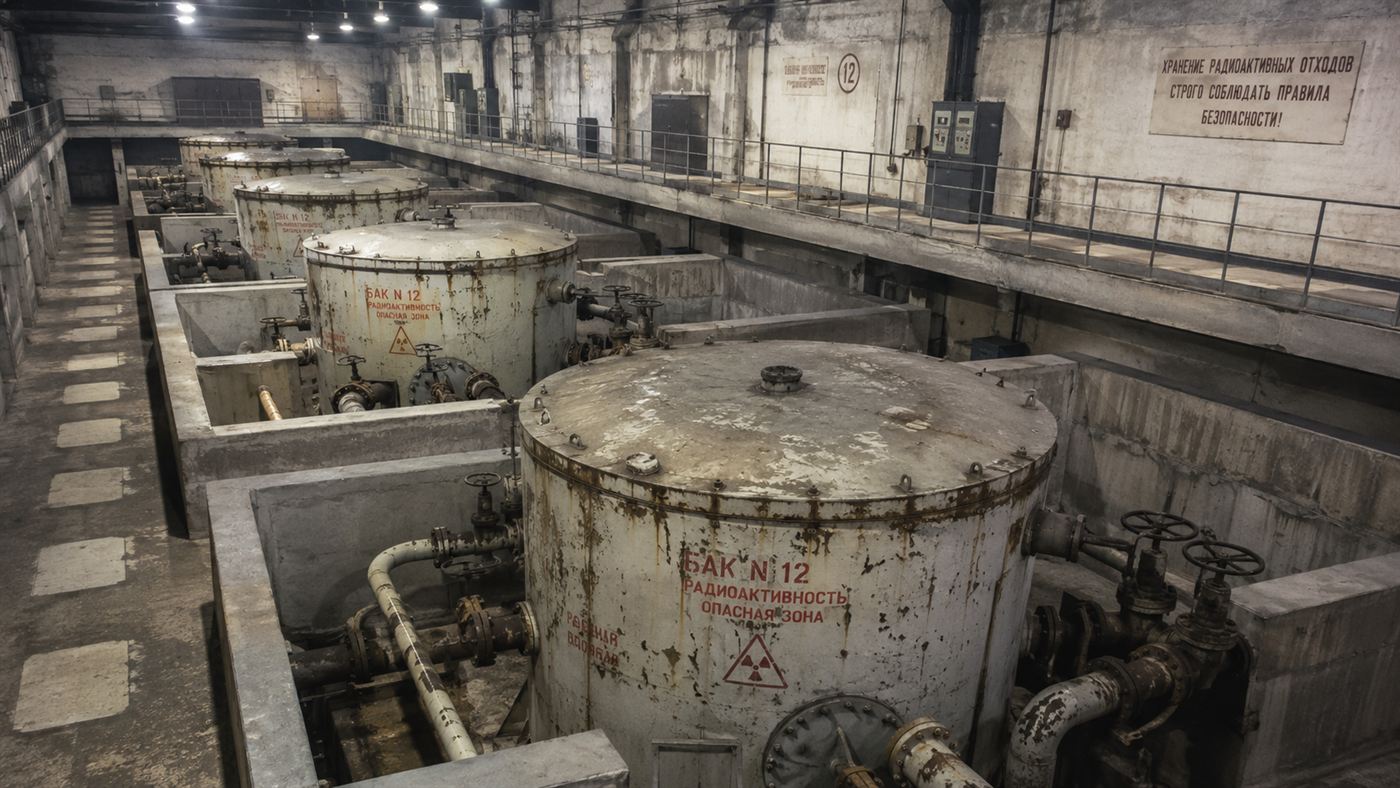
The East Urals Radioactive Trace
The wind carried the contamination across a long, narrow band of countryside that became known as the East Urals Radioactive Trace. Around nine thousand square miles of land were poisoned, and more than ten thousand people eventually had to be evacuated, though many were left in the contaminated zone for a year or more before anyone moved them.
Villages were bulldozed, crops and livestock destroyed, and an unknown number of people, probably hundreds, are thought to have died from the effects of the radiation over the following years. Because the whole event was hidden, the residents were given little or no honest explanation for why their homes were suddenly being demolished and their lives uprooted. They were victims of a disaster they were not even allowed to be told about.
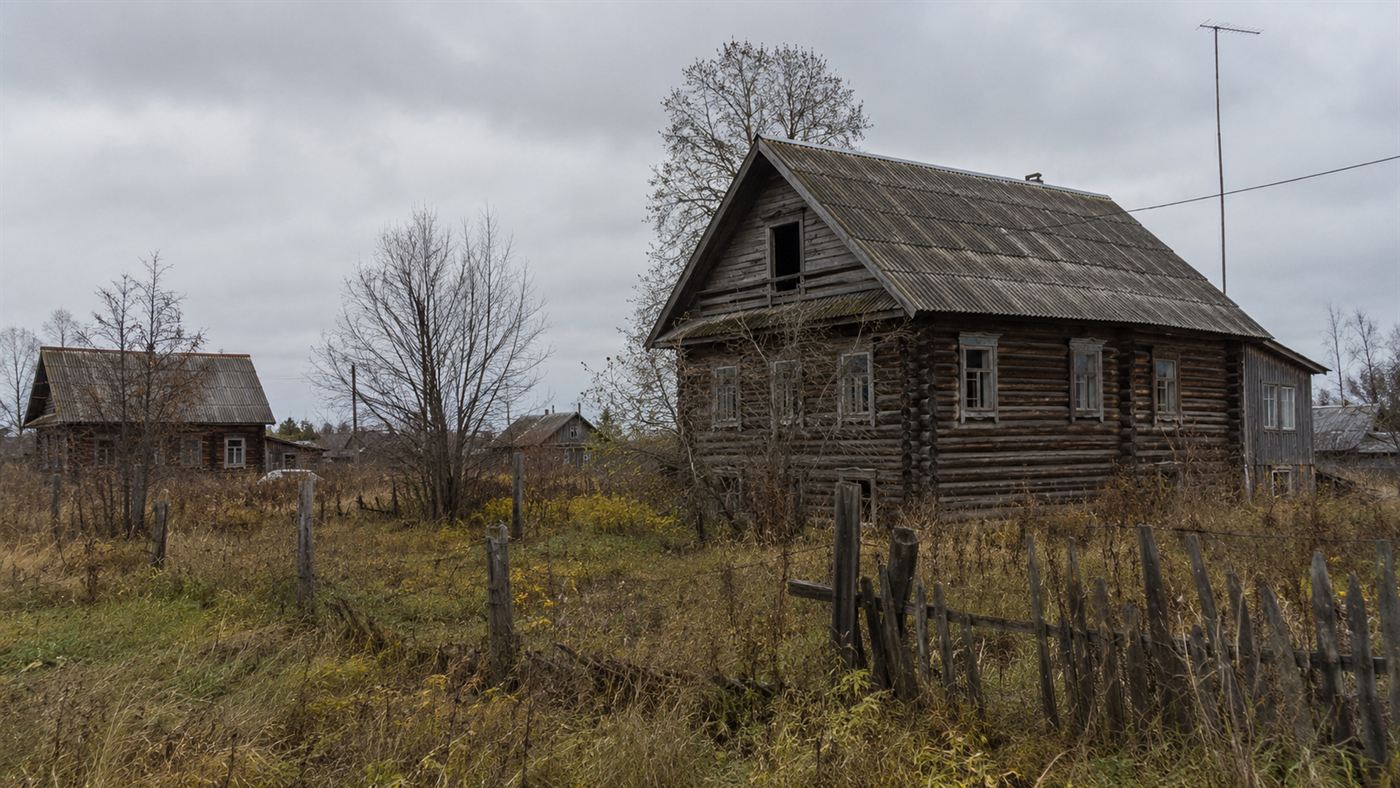
Kept secret for thirty years
The Soviet response was to say nothing at all. For decades the government simply denied that anything had happened, and the secrecy held far better than anyone might expect. The Soviet Union did not officially admit to the Kyshtym disaster until 1989, more than thirty years after the explosion, as the era of openness finally began to crack the old silence.
The most uncomfortable twist is that the secret was not kept by the Soviets alone. Western intelligence is reported to have learned of the accident within a couple of years, yet chose to keep quiet too, apparently for fear that news of a major nuclear catastrophe would frighten the public and damage the fledgling nuclear power industry at home. Two rival superpowers, for once, agreed on something: that ordinary people should not be told.
What was the Kyshtym disaster?
Measured by the radioactivity it released, it sits second only to Chernobyl, and by its overall human impact it is usually ranked the third-worst nuclear accident in history, behind Chernobyl and Fukushima. On the international scale used to rate such events, it is a level six, just one step below the maximum, a genuine catastrophe by any measure.
And yet it carries almost none of the fame of those other names. That imbalance is the real lesson of Kyshtym: the size of a disaster in the public memory has as much to do with who controls the story as with how many people it harmed.
Why was the Kyshtym disaster kept secret?
Because admitting it would have meant admitting too much. Mayak existed to build the Soviet Union's nuclear arsenal, and acknowledging the accident would have exposed a complex that officially was not there, along with years of careless waste dumping. Secrecy was not an afterthought but the entire logic of the place, and the safety of the people living nearby never came close to outweighing it.
One honest caution remains: because of all that concealment, the exact death toll and long-term harm may never be known with any precision, and estimates still vary widely. What is clear is that a region of the Urals was sacrificed to the bomb, twice over, first by years of quiet pollution and then by a single hidden blast, and that for most of a lifetime the world simply looked away.
One of history's worst nuclear disasters was buried so well that most of the world still has never heard of it. Does a catastrophe that governments manage to hide become any less real, and how many others might still be sitting silently in the record? Tell us what you think in the comments.
Related reading: the Windscale fire, the British nuclear accident of the very same year, also quietly played down to protect the industry.