The US Army built a nuclear-powered city called Camp Century inside the Greenland ice sheet to hide missiles from the Soviets, but the ice itself slowly crushed the whole thing
At the height of the Cold War, American engineers carved a base out of the inside of a glacier, ran it on a portable nuclear reactor, and told the world it was pure science. The truth about Camp Century was stranger and darker, and the ice had the last word.
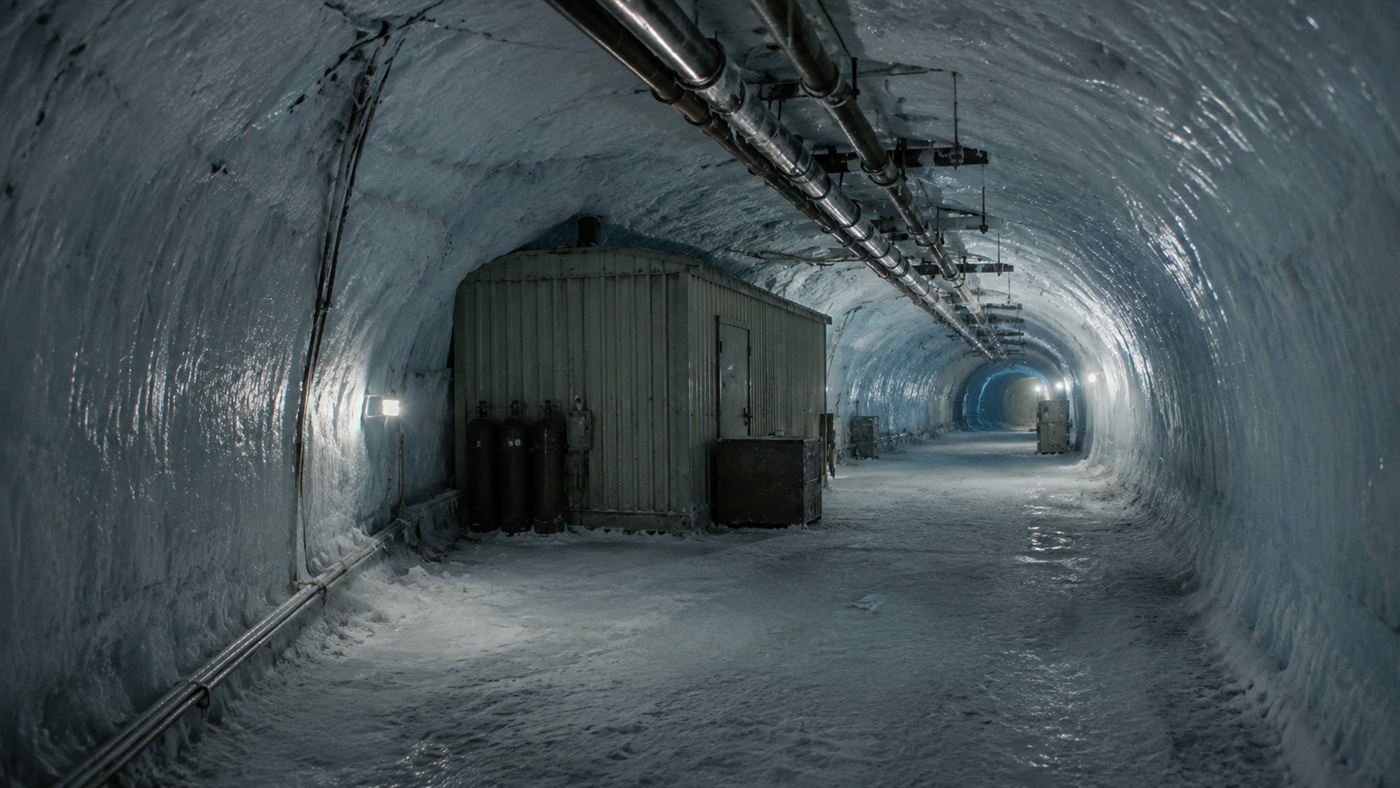
Camp Century was a network of tunnels dug into the Greenland ice sheet. Illustration: Watts & Wild.
Camp Century is one of those true stories that sounds like science fiction. In 1959, the United States Army did not build a base on the Greenland ice sheet, it built one inside it, cutting a warren of tunnels down into the ice and installing a small town beneath the frozen surface. It even brought along a nuclear reactor to keep the lights on. And almost none of the people who marveled at it knew what it was really for.
As the record of the base shows, Camp Century was presented as an Arctic research station but was in fact a cover for a top-secret military scheme. For a few short years it worked, a genuine city under the ice. Then the glacier that hosted it began, very slowly and very surely, to close its jaws.
The short version: Camp Century was a US Army base built into the Greenland ice sheet in 1959, powered by the world's first portable nuclear reactor. Publicly it was Arctic science, but secretly it tested Project Iceworm, a plan to hide hundreds of nuclear missiles under the ice. The ice deformed and crushed the tunnels, so the base was abandoned by the mid-1960s, and its buried waste now troubles scientists in a warming world.
A city built inside a glacier
The scale of it was astonishing. Army engineers used giant plows to cut a grid of long trenches into the surface of the Greenland ice sheet, then roofed them over so they became tunnels, more than a couple of kilometres of them in total. Inside, they installed prefabricated buildings, and Camp Century grew into a proper community for up to around 200 men.
It had dormitories, a kitchen and mess hall, a hospital, a library, a chapel, even a barber shop, all buried beneath the Arctic surface where the temperature outside could kill. Visitors were given tours and the press ran admiring stories about this futuristic outpost. It genuinely was a marvel of construction, a functioning settlement living inside a glacier, and that public wonder was exactly the point.
Powered by the first portable reactor
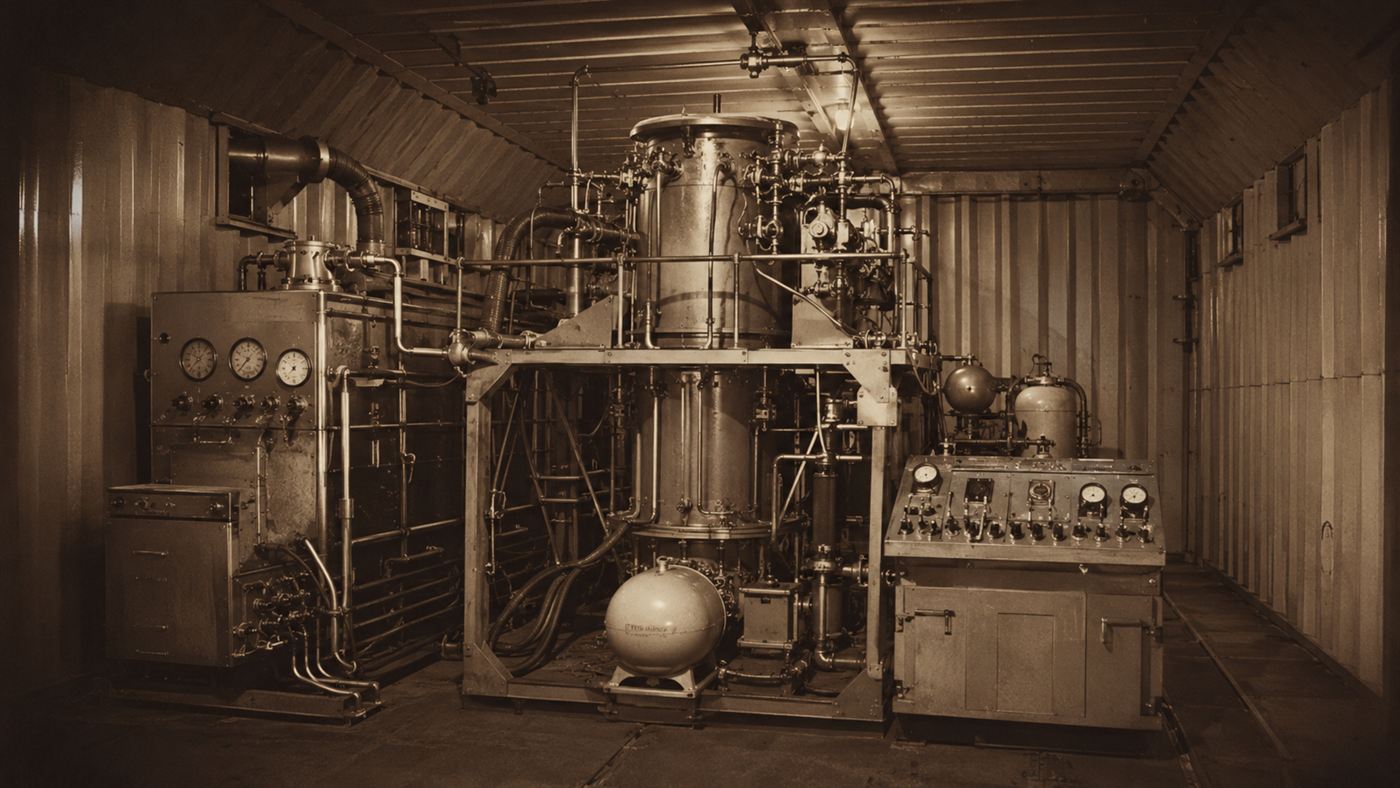
What kept this frozen town alive was a first of its kind. From 1960, Camp Century drew its heat and electricity from the PM-2A, the world's first mobile, portable nuclear reactor, designed for the US Army and shipped in pieces to be assembled on the ice. In a place with no fuel supply and brutal cold, a compact reactor that could run for years on a small core of uranium was an elegant answer.
For a while it did its job, powering the lights, the workshops and the machines that even melted the surrounding ice into fresh water. A nuclear reactor humming away deep inside a glacier, at the top of the world, is the kind of image the era specialized in, equal parts ingenuity and hubris. It ran until 1963, and then was switched off and taken out, though it left something behind.
The secret under the cover story
Behind the friendly science was a chilling plan. Camp Century was really a proof of concept for Project Iceworm, a top-secret US Army scheme to carve an enormous network of tunnels under the Greenland ice and fill it with hundreds of nuclear missiles. The missiles would be shuttled between launch points beneath the ice, so the Soviets could never know exactly where they were or destroy them in a first strike.
As History has detailed, the Pentagon dug these ice tunnels in Greenland as part of a Cold War plan to hide nuclear weapons. There was a diplomatic problem lurking in the plan, too. Greenland belonged to Denmark, which had a policy against nuclear weapons on its territory, and Denmark was not told that the base carried a reactor or that missiles were the real goal. The Cold War being what it was, the truth stayed buried along with everything else.
Why the ice defeated Camp Century
In the end, no enemy was needed to defeat Camp Century. The ice did it alone. An ice sheet looks solid and permanent, but it is not. Ice is slightly fluid on long timescales, constantly flowing and deforming under its own weight, and the great sheet was spreading and shifting all the time.
Within about three years, careful measurements showed the tunnels were slowly being squeezed shut, their walls bulging inward and their ceilings sagging, and engineers calculated the launch chambers would be destroyed within a couple of years. You cannot base a missile network, or a town, on ground that is quietly closing in around you. The reactor was pulled out, the base was evacuated by 1965 and shut for good in 1966, and Project Iceworm was quietly cancelled. The dream of a nuclear fortress under the ice had lasted barely half a decade.
The waste left frozen in time
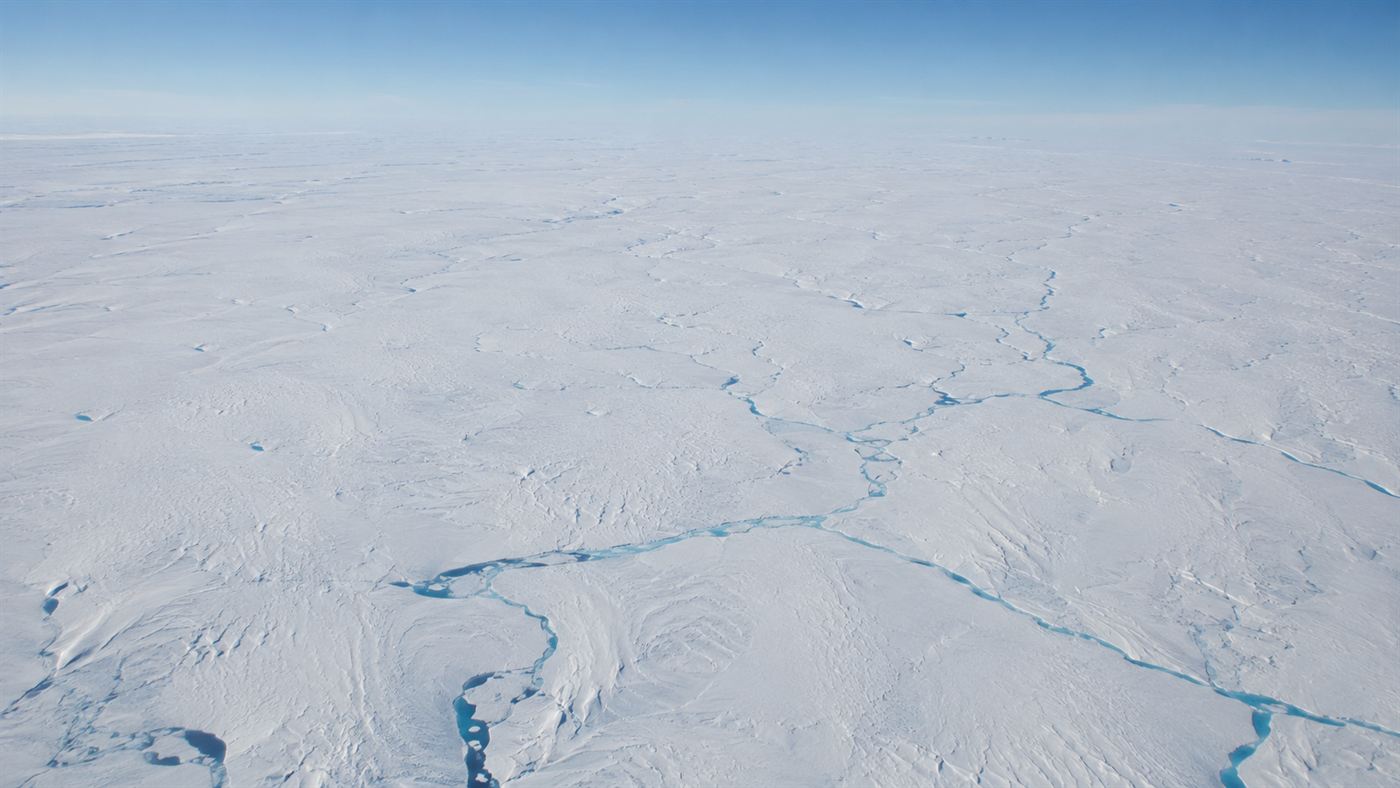
When they left, they did not clean up. The assumption was comforting and simple: snow would keep falling, the ice would keep thickening, and Camp Century and everything in it would be buried deeper and deeper forever. So they walked away and left the rubbish where it lay.
That rubbish is not trivial. As NASA has reported, studies estimate the site holds tens of thousands of gallons of diesel fuel and millions of litres of wastewater, along with low-level radioactive waste and toxic chemicals such as PCBs. A 2016 study warned that in a warming climate the ice above Camp Century could, later this century, switch from growing to melting, and that meltwater trickling down through the abandoned base could carry those pollutants out into the environment. The thing they buried forever may not stay buried.
The honest catch
A few cautions keep this from tipping into either triumph or panic. Camp Century was never the engineering victory it was sold as. The planners badly underestimated how the ice behaves, and the whole missile scheme was doomed almost from the start by basic glaciology, which is a lesson in hubris more than genius. And the way Denmark was kept in the dark about the reactor and the weapons was a real betrayal that soured relations when it later came out.
On the other side, the modern alarm should be measured. The warning about leaking waste comes from climate models running a worst-case emissions scenario, with the serious melting projected for decades from now, and the exact timing and scale remain uncertain and debated. The threat is genuine, not imminent doom. What makes Camp Century worth remembering is the whole shape of it: a superpower carving a secret nuclear city into a glacier, being quietly outmatched by the ice, and leaving a problem frozen in place for a future that is now thawing toward it.
A superpower built a secret nuclear city inside a glacier, and the glacier quietly won. Is Camp Century a fascinating Cold War folly, or a warning that the messes we bury and forget have a way of coming back? Tell us what you think in the comments.
Related reading: Castle Bravo, another Cold War nuclear gamble that went badly wrong.
More from Watts & Wild
More in Industry & Mega-Builds →


Bruno writes about energy history, industrial disasters, and the people who shaped the technologies we take for granted. He is based in Brazil.