In 1945 a team of physicists gathered in the New Mexico desert before dawn, set off the first atomic bomb, and watched a false sunrise that changed the world forever
They had worked for years toward a single flash of light. When it came, before dawn in the desert, it was brighter than the sun and utterly silent for miles, and the men who built it knew at once that they had crossed a line humanity could never step back over. It was a triumph and a horror in the same instant.
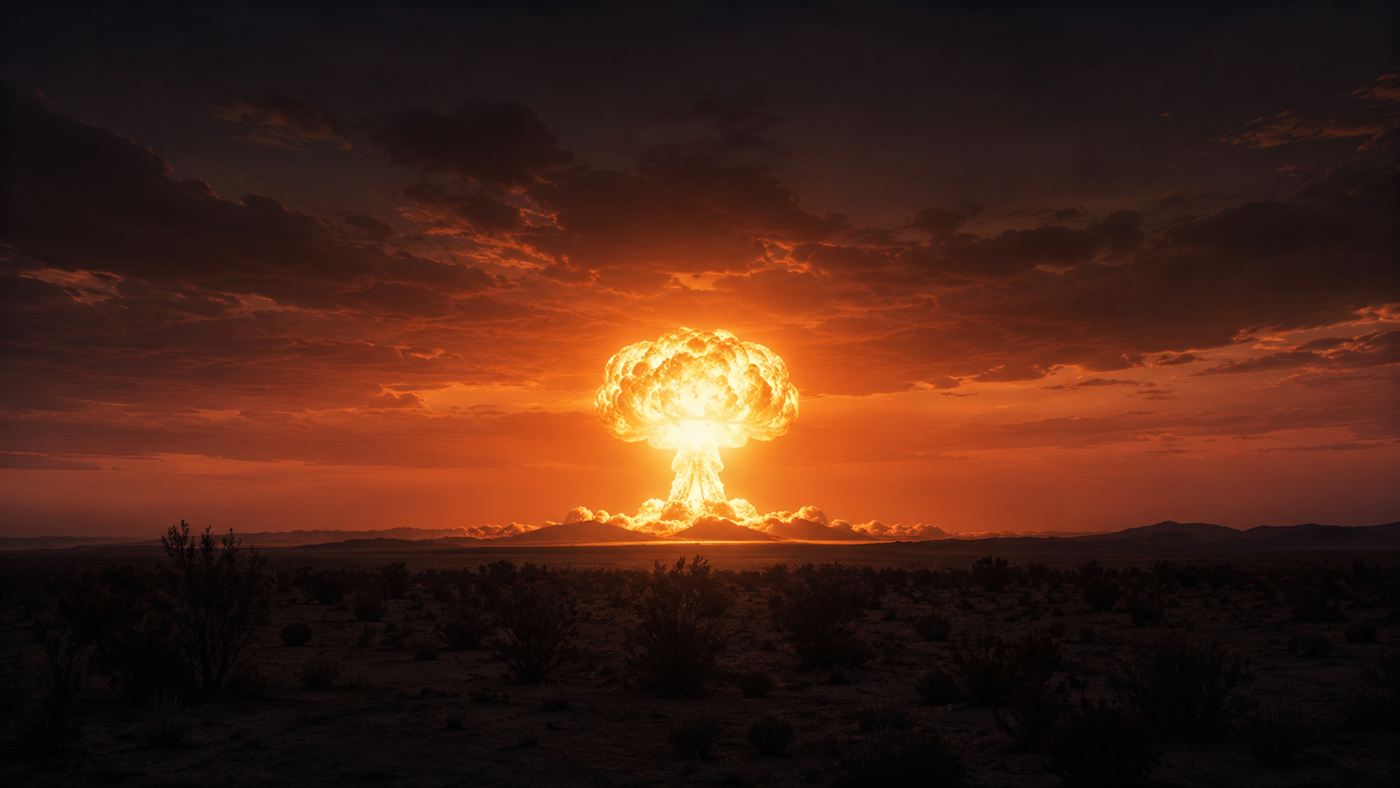
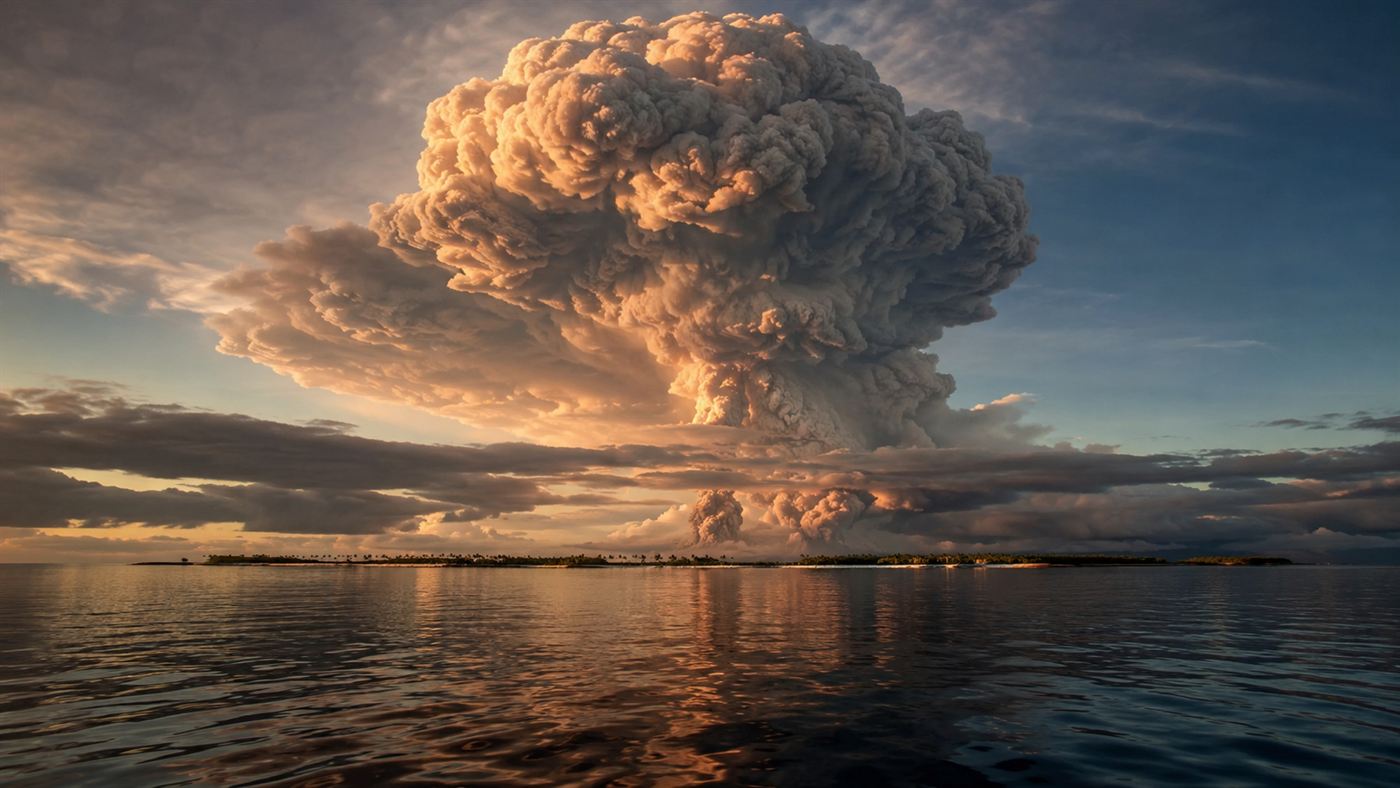
The first atomic fireball lit the desert brighter than midday. Illustration: Watts & Wild.
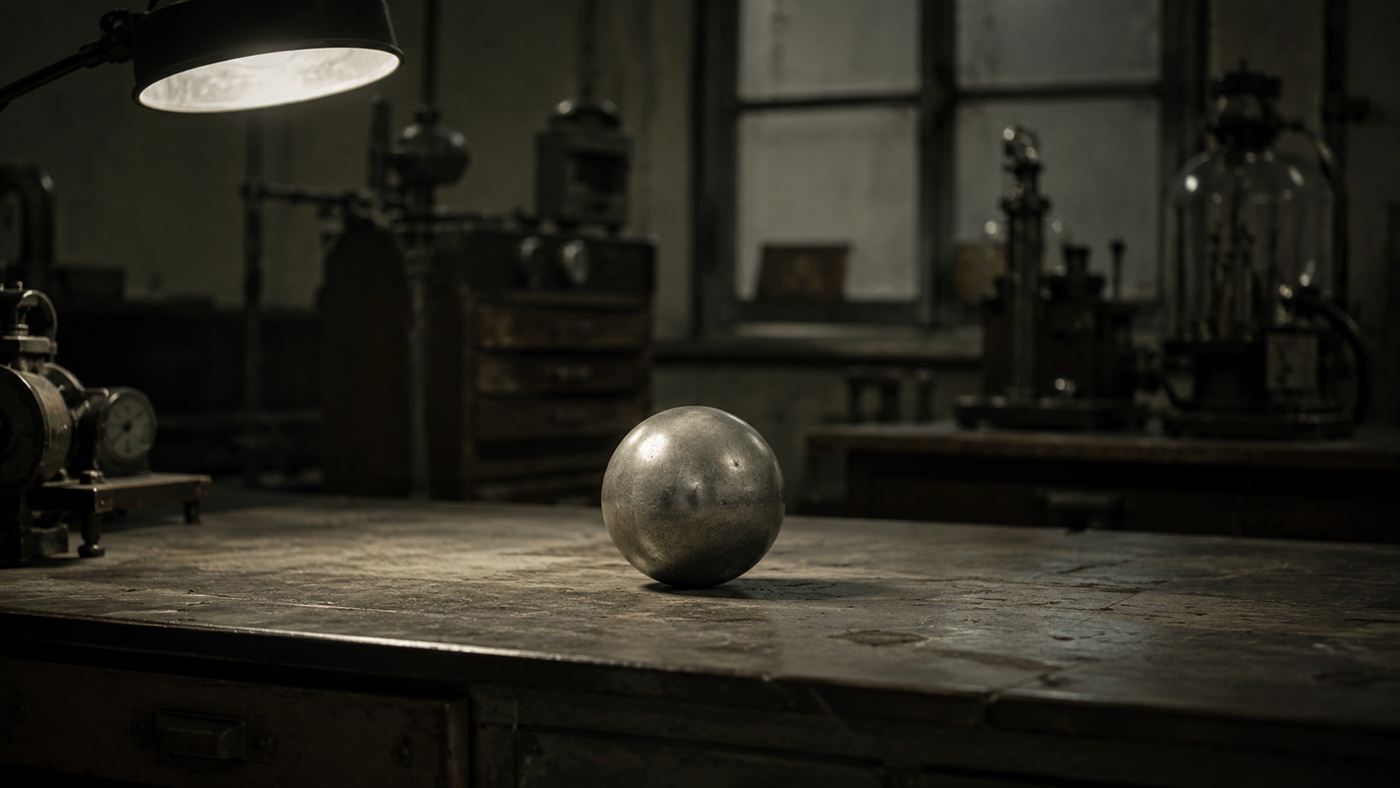
In the small hours of 16 July 1945, in a stretch of New Mexico desert so bleak the Spanish had called it the Journey of the Dead Man, a group of scientists and soldiers waited in the dark. Ten kilometres away, on top of a steel tower, sat a device they had nicknamed the Gadget, and inside it was a sphere of plutonium ready to be crushed into a nuclear chain reaction.
At 5:29 in the morning the Gadget fired. A blast of light with no earthly colour flooded the desert, the mountains stood out as if at noon, and a rolling fireball climbed into a churning cloud tens of thousands of feet high. The Trinity test had worked, and the atomic age had begun.
The short version is that a small group of people, in one silent flash, handed humanity a power large enough to end itself. Everything about the modern world's fears of the bomb starts on that tower in the desert.
The gamble at the end of the Manhattan Project
The test was the climax of the Manhattan Project, the vast secret American effort to build an atomic weapon before Nazi Germany could. Tens of thousands of people had worked on it across the country, most with no idea what they were really making, and it had cost a fortune that Congress had approved without being told its purpose.
By the summer of 1945 the scientists at Los Alamos, led by the physicist Robert Oppenheimer, had two bomb designs. One, using uranium, they were confident enough to use untested. The other, using plutonium, relied on a fiendishly precise implosion that no one was sure would work, and that uncertainty is exactly why the Trinity test had to happen at all.
Did they fear it would set the sky on fire?
One story has clung to that morning ever since: that the scientists feared the bomb might ignite the atmosphere and burn the whole planet. It is not quite a myth, but it is badly overstated. The idea had been raised earlier in the project, taken seriously, and then calculated into the ground, with the physics showing such a runaway fire was effectively impossible.
What remained by the night of the test was gallows humour more than real dread. A few men joked about the atmosphere and even ran a betting pool on how big the blast would be, and the great physicist Enrico Fermi rattled nerves by cheerfully offering odds. It was the black comedy of people standing very close to something they did not fully understand.
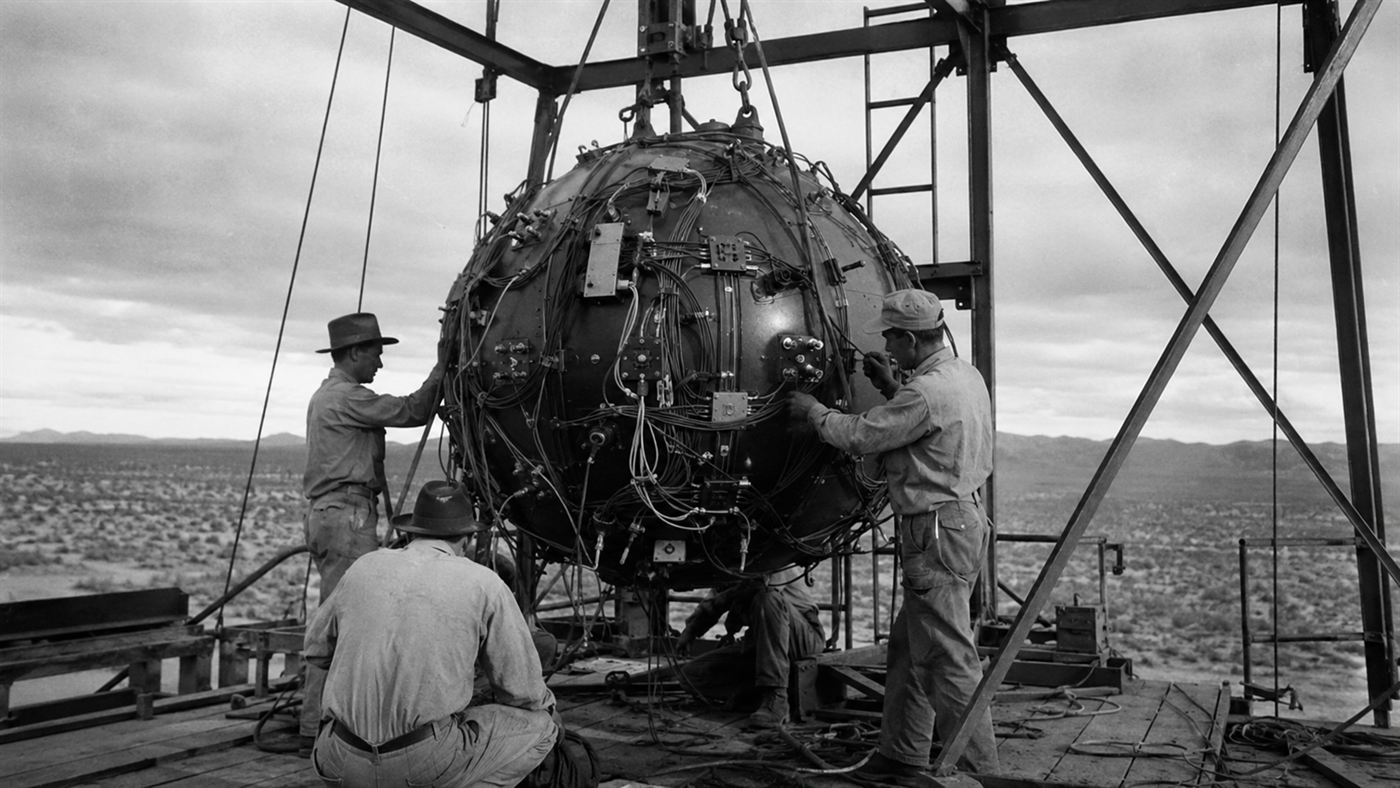
Now I am become death
When the fireball faded, the reactions among the watchers were as human as they were varied. Some cheered and shook hands, giddy that years of work had paid off. Others fell silent, sensing that the celebration was hollow. The blast had lit the sky so brightly that it was seen more than 200 kilometres away, and a cover story about an exploded ammunition dump was quickly put out to explain it.
Robert Oppenheimer later said that the moment brought to his mind a line from Hindu scripture, "Now I am become Death, the destroyer of worlds." Whether he thought it at the instant or shaped the memory afterwards, it captured the mood exactly. The Trinity test was a stunning technical success wrapped around a deep unease about what had just been unleashed.
What the Trinity test left in the desert
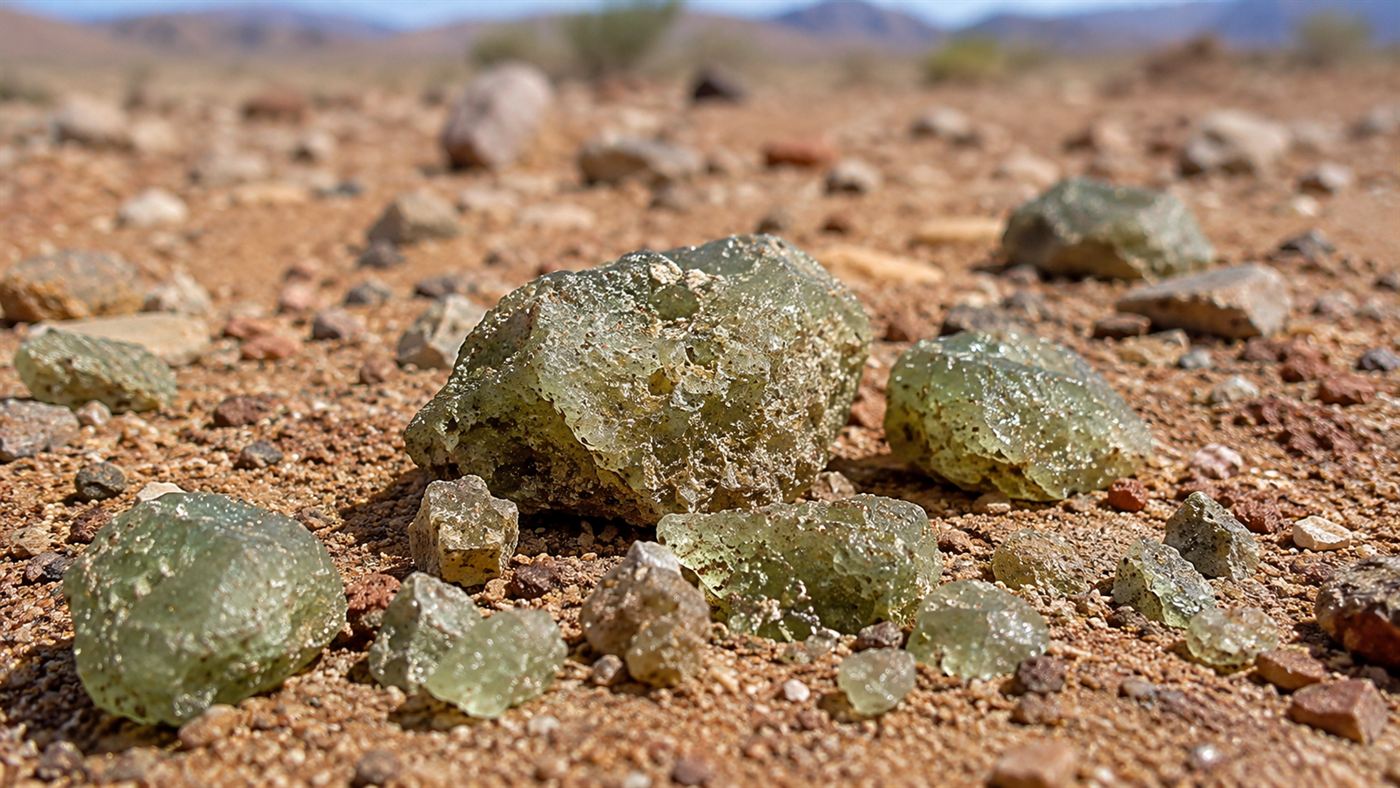
The explosion left its own strange fingerprint on the desert. The heat had been so intense that it melted the sand around the tower into a thin crust of pale green glass, later named trinitite, a mineral that had never existed on Earth until that morning. Pieces of it are still collected and studied today.
But the desert was not empty, and this is the part of the story that took decades to be heard. Ranching families lived downwind of the site, many of them Hispanic and Native American, drinking from open cisterns and growing their own food. They were never warned and never moved, and the fallout drifted over their homes, a hidden cost of the Trinity test that its planners chose not to reckon with.
The honest catch
It is tempting to tell Trinity as a clean tale of genius and triumph, and the science really was staggering. But two honest corrections belong beside the awe. The dramatic fear of igniting the sky has been inflated into legend, when in truth the physicists had already ruled it out. It makes a better story than it does history.
The heavier correction is human. For decades the people of the New Mexico desert who were dusted with fallout were left out of the nation's memory and out of its compensation, even as other downwind communities were recognised. The blinding success on the tower and the quiet harm on the ground are both true, and an honest account of the Trinity test has to hold them together.
In a single silent flash before dawn, a handful of people changed what it means to be human on this planet, and left a scar on the desert and the families around it. Was the Trinity test the greatest scientific achievement of the century, the most dangerous, or somehow both at once? Tell us what you think in the comments.
Related reading: the hydrogen bomb test that went far bigger than its makers expected. See also the plutonium core that killed two scientists in peacetime, and the plutonium factory that fed the bomb and poisoned a river.