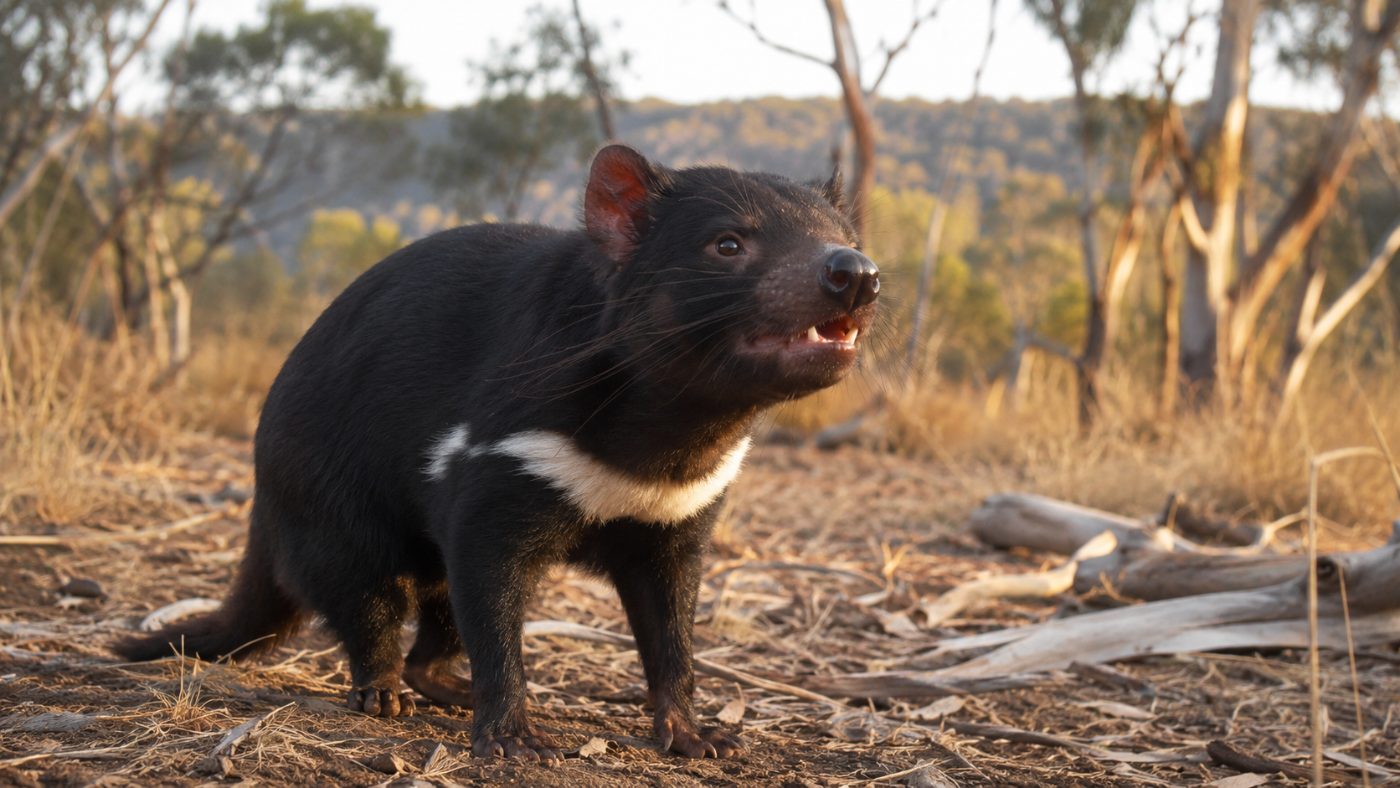
In 1935 Australia released 102 toads to save its sugar crop, they completely failed at the job, and now 200 million of their poisonous descendants are conquering the country
It is the textbook example of a clever idea going catastrophically wrong. To protect its sugar cane from beetles, Australia imported a hundred-odd toads and let them loose, expecting a tidy bit of natural pest control. The toads barely touched the beetles. What they did instead was breed into a poisonous tide of 200 million that is still spreading across the continent today.
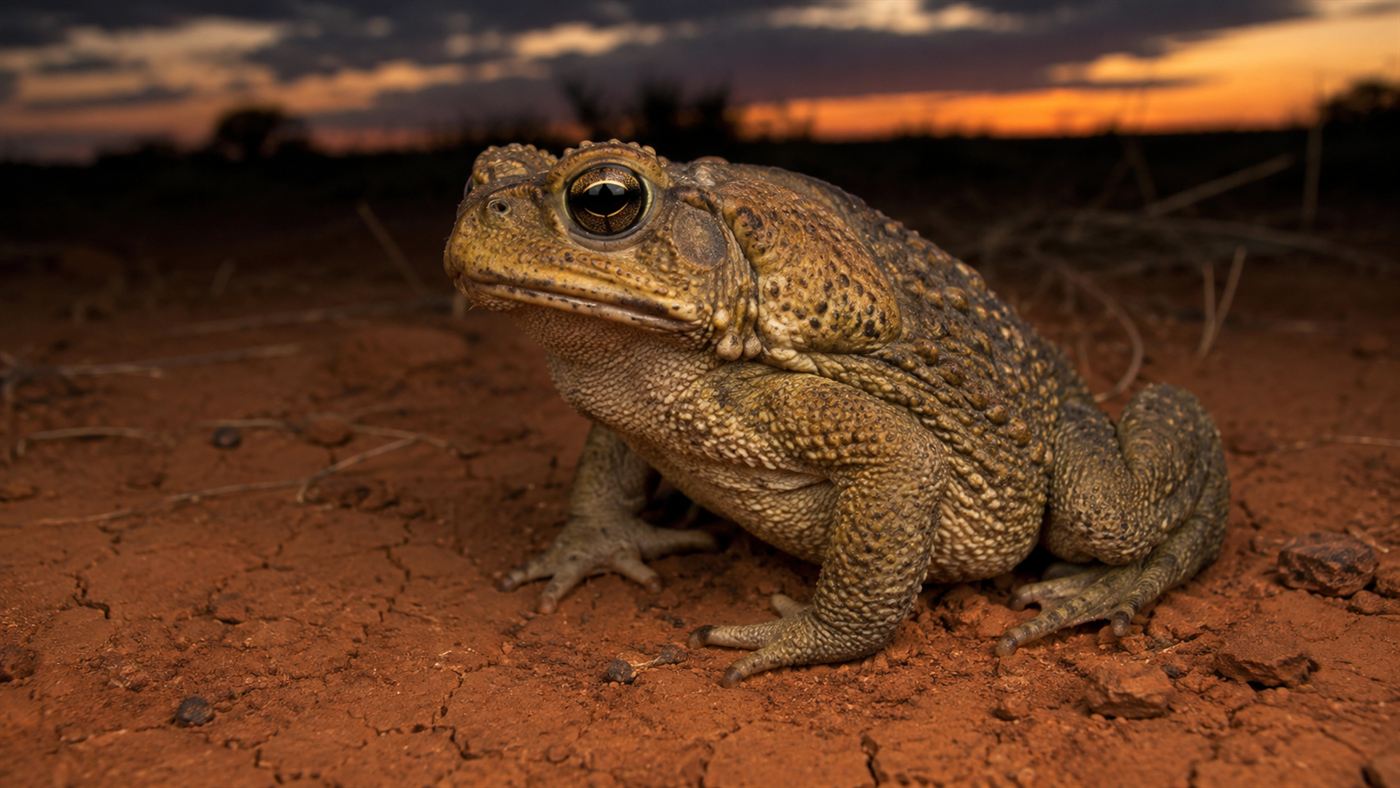
The cane toad: imported to kill beetles, now one of Australia's worst invaders. Illustration: Watts & Wild.
The story of the cane toads of Australia is the one every biology class reaches for when it wants to explain why moving animals around the planet is so dangerous. It has everything: good intentions, a confident plan, a complete and slightly comic failure, and a slow-motion ecological disaster that has lasted nearly a century and is nowhere near over.
And remarkably, it all began with a beetle and a crop.
Why were cane toads brought to Australia?
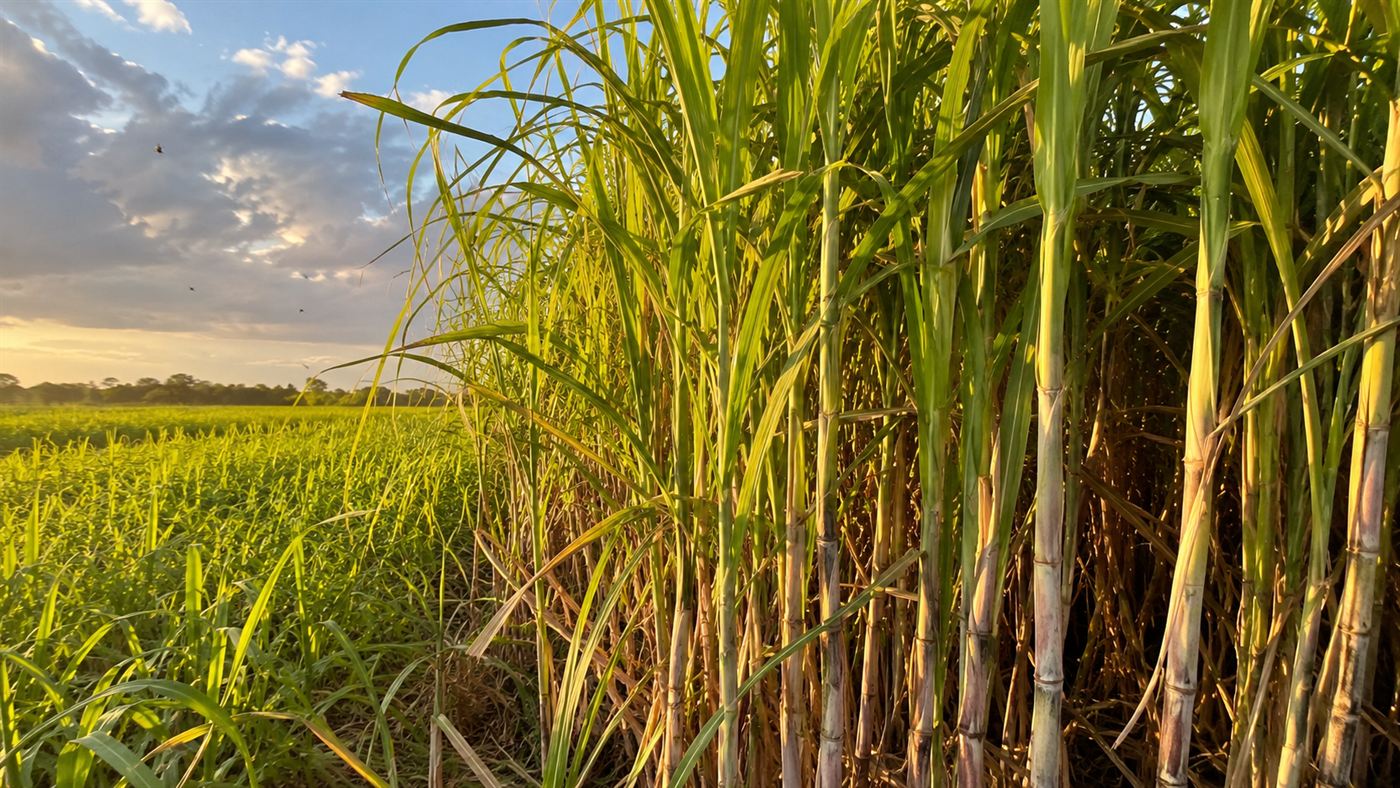
In the 1930s, Australia's lucrative sugar cane industry in tropical Queensland was being chewed up by beetles, chiefly the larvae of the cane beetle, which attacked the roots of the cane. Farmers were desperate, and the idea of the age was biological control: instead of poison, why not import a hungry predator to eat the pest for you, for free, forever?
The chosen weapon was the cane toad, a large, voracious amphibian from Central and South America that had been used, with some success elsewhere, against insect pests. In June 1935, 102 cane toads were shipped from Hawaii to the town of Gordonvale in Queensland, and within two years tens of thousands of their offspring had been bred and deliberately released into the cane fields. On paper, it was a neat, modern solution.
The toads that couldn't reach the beetles
The plan fell apart almost immediately, and for a reason that would be funny if the consequences were not so grim. The toads and the beetles barely crossed paths. The cane beetles spent their time high up on the stalks of the cane and could fly, while the cane toad is a heavy, ground-bound creature that cannot climb or jump anywhere near high enough to catch them.
The pest the toads had been imported to destroy carried on almost untouched. But the toads themselves found Australia glorious: warm, wet, full of insects and other food, and with no natural enemies that knew what to do with them. Freed from any check, they did the one thing they are superb at. They bred, and they spread, in every direction.
A poison with no predators
The cane toad's most dangerous feature is not its appetite but its chemistry. At every stage of its life, from egg to tadpole to adult, it is laced with a powerful toxin, secreted from glands on its shoulders, that can kill an animal that bites it. In its native range, predators evolved alongside this poison and largely leave it alone. In Australia, nothing had.
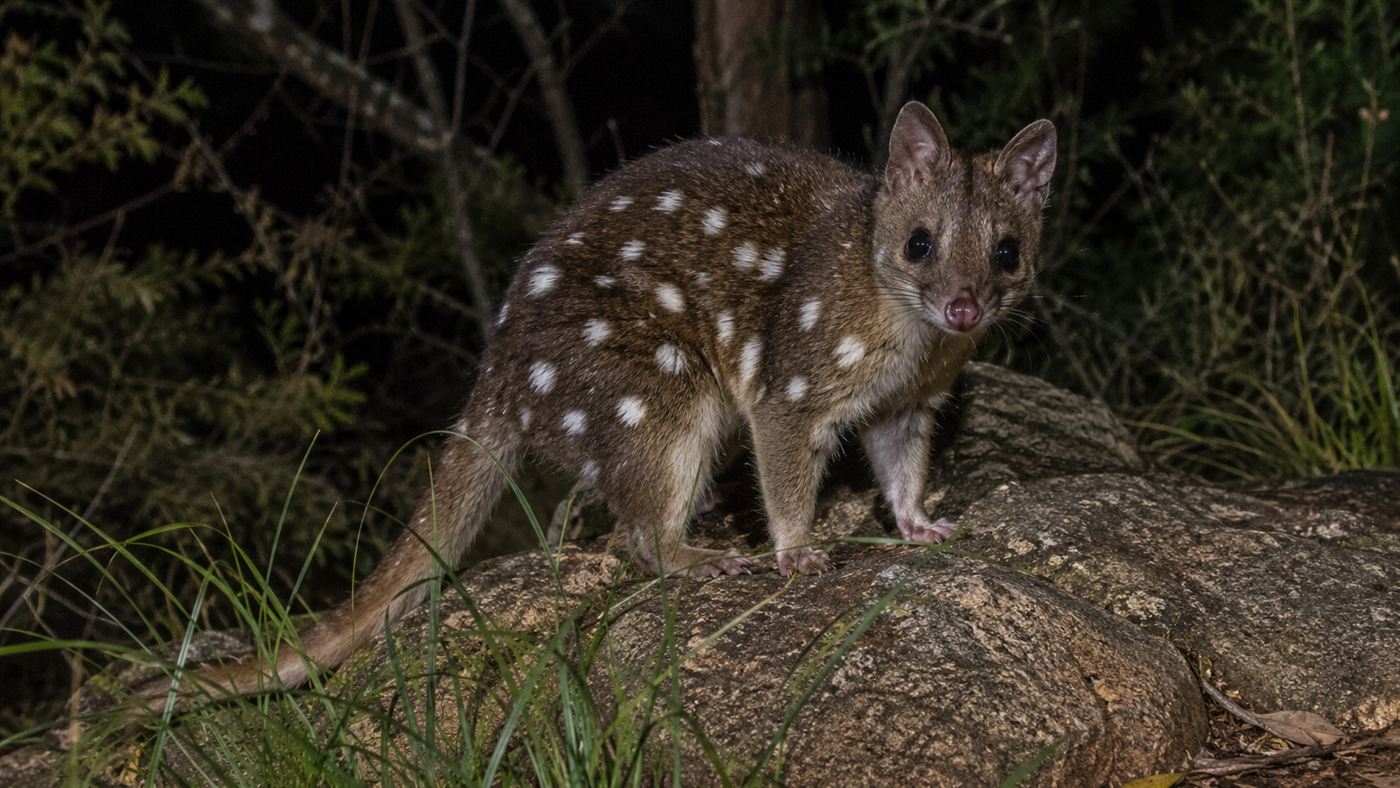
The result has been a quiet slaughter of native wildlife, not because the toads eat them, but because they kill whatever tries to eat the toads. Goannas, freshwater crocodiles, snakes such as death adders and king browns, and above all the cat-sized marsupial predators called quolls have been poisoned in huge numbers by mouthing a toad that turned out to be lethal. In some regions the northern quoll has been all but wiped out. As the toads march westward into the Kimberley at tens of kilometres a year, that toxic front rolls ahead of them like a slow chemical weapon.
Can anything stop the cane toads?
Decades of effort have failed to halt them. You cannot simply poison or trap your way through a population of 200 million spread across an area the size of several countries, and the toads keep evolving; the ones at the leading edge of the invasion have developed longer legs and travel faster than their ancestors did. Bounty schemes and community "toad-busting" nights help locally but barely dent the whole.
The cleverest hope now lies not in killing the toads but in teaching native animals to avoid them. Researchers have had real success with "taste aversion," feeding predators like quolls small, non-lethal toads or toad sausages that make them feel sick, so they learn to leave the deadly adults alone, in effect vaccinating the ecosystem against the poison. Some native species are also evolving their own caution. It is slow, partial, and uncertain, but it may be the most realistic path: not defeating the toads, but helping the bush learn to live alongside them.
The honest catch
It is worth being precise about the blame, because it does not lie with the toad. The cane toad is simply a successful animal doing what it evolved to do, dropped into a place with no defences against it by people who should have known better. The real failure was human: a release rushed ahead without proper field trials, against the warnings of some scientists at the time, in the hope of a cheap fix. The toad is the symptom; the carelessness was the disease.
It is also fair to resist total despair. The numbers, like the famous "200 million," are estimates, the impact varies enormously from place to place, and the Australian bush is not simply dying; in many areas native species are slowly adapting, and some predator populations have begun to recover after an initial crash. The cane toad disaster is real and lasting, but it is turning out to be less an extinction event than a brutal, continent-wide lesson in consequences.
Why the cane toads still matter
The cane toad has become a global shorthand for the law of unintended consequences, the cautionary tale that shaped how the modern world thinks about biosecurity and the deliberate release of animals. Every country that now agonises over which species to let across its borders is, in part, trying not to repeat Gordonvale, 1935.
Its deepest lesson is about humility. We released the cane toad because we were confident we understood nature well enough to use one piece of it to fix another, and the toad has spent ninety years demonstrating, hop by poisonous hop, just how wrong that confidence can be. The beetles, in the end, were never really the problem. We were.
A hundred toads released to kill beetles became 200 million poisoners that the beetles barely noticed. When a "fix" for nature goes this wrong, should we keep trying to undo it, or learn to live with the mess we made? Tell us what you think in the comments.
Related reading: On the other side of the world, released pet pythons have done something just as devastating to the Florida Everglades. See also the antechinus, the Australian marsupial whose males mate themselves to death.